




menu

Whole Home Repiping in Minneapolis – Complete Residential Pipe Replacement by Local Experts

Pioneer Plumbing Minneapolis provides full home repiping with minimal disruption to your daily routine, addressing Minneapolis's unique freeze-thaw cycle challenges and aging galvanized pipe failures common in homes built before 1970.

Slider Image 1
Slider Image 2
Slider Image 3
Slider Image 4
Slider Image 5
Slider Image 7
Slider Image 8
Slider Image 9
Slider Image 10
Slider Image 11

Why Minneapolis Homes Need Whole House Repiping More Often Than You Think

Minneapolis homes face a brutal reality that accelerates pipe failure. The freeze-thaw cycles here stress metal pipes beyond their design limits. When temperatures swing from 20 below zero in January to 90 degrees in July, pipes expand and contract violently. This movement weakens joints, cracks solder connections, and creates pinhole leaks in galvanized steel and copper pipes.

The city's older housing stock adds another layer of urgency. Neighborhoods like Longfellow, Powderhorn, and Northeast Minneapolis contain thousands of homes built between 1920 and 1960. Most used galvanized steel pipes that were never meant to last 60 years. These pipes corrode from the inside out. You see rusty water, low pressure, and frequent leaks before the system fails completely.

Minneapolis municipal water contains minerals that accelerate corrosion. The water treatment process adds chemicals to protect distribution lines, but these same chemicals can be aggressive toward aging home plumbing. When you combine mineral deposits with freeze-thaw stress, galvanized pipes deteriorate faster than in warmer climates.

House repiping becomes necessary when repair costs exceed replacement value. If you fix three leaks this year and four last year, you are chasing symptoms instead of solving the problem. Replumbing a house eliminates the cascade of failures waiting in your walls. Full home repiping stops the cycle of emergency calls, water damage, and rising insurance premiums. Whole house pipe replacement gives you decades of reliable service with modern materials designed for Minnesota winters.

Why Minneapolis Homes Need Whole House Repiping More Often Than You Think
How We Execute a Whole House Repipe Without Destroying Your Home

How We Execute a Whole House Repipe Without Destroying Your Home

Pioneer Plumbing Minneapolis uses strategic access points to minimize wall and ceiling damage. We do not randomly cut holes. Our technicians map your existing system, identify main distribution lines, and plan surgical access that requires the smallest openings possible. We typically need 12-inch square access panels at key junctions rather than tearing out entire walls.

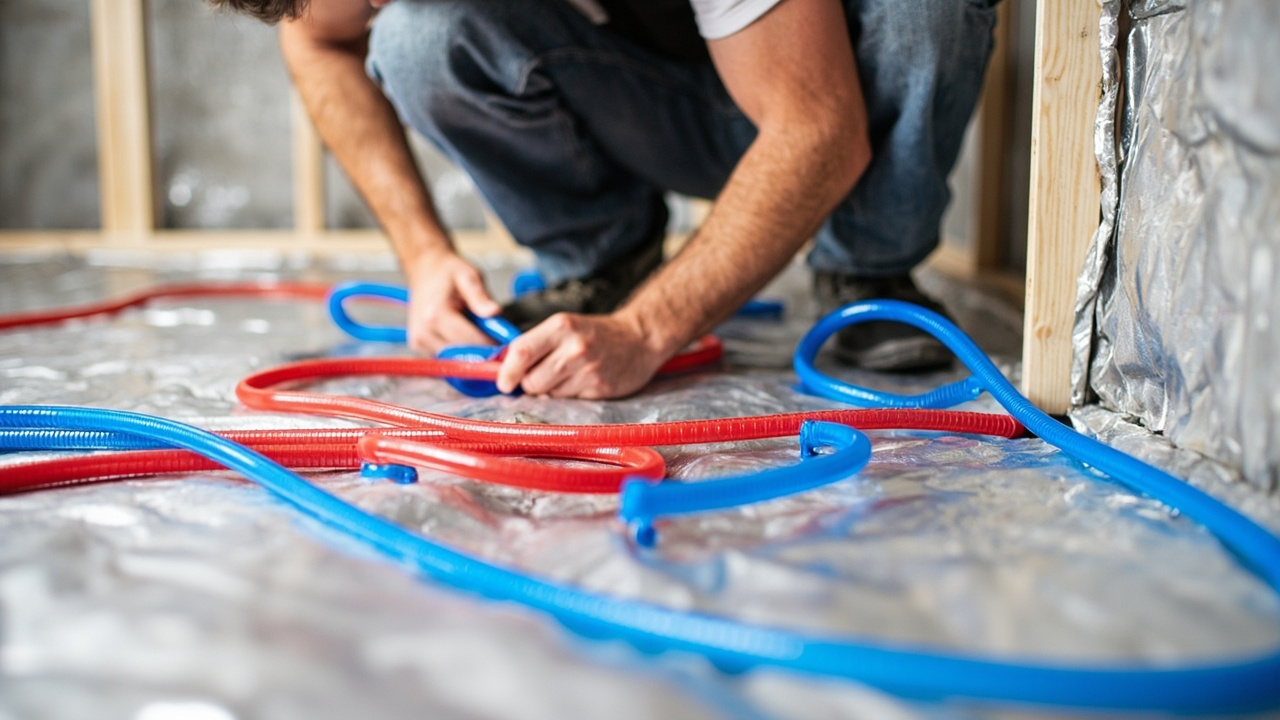
We use PEX (cross-linked polyethylene) for supply lines in Minneapolis homes because it handles freeze-thaw cycles better than rigid copper. PEX expands slightly when water freezes, reducing burst risk during winter emergencies. The material is also flexible, which means fewer fittings and joints. Fewer connections mean fewer potential leak points over the system's lifetime.

Our installation follows a home-run manifold system when the layout allows. This means individual lines run from a central manifold to each fixture. You get better pressure balance, isolated shut-offs for repairs, and faster hot water delivery. If your bathroom faucet develops a problem, we shut that line without affecting the rest of your house.

We maintain water service during the repipe whenever possible. We section the work so you have functioning bathrooms and kitchen access each evening. Most whole house repipes take three to five days depending on square footage and fixture count. Single-story homes go faster than two-story homes because we eliminate vertical chases and complicated routing through floor structures.

We pressure test every new line at 100 PSI for 24 hours before closing walls. This test catches any defective fittings or improper connections before drywall goes back up. You get documentation of the test results with photos showing the gauge readings and test duration.

What Happens During Your Minneapolis Home Repipe

Whole Home Repiping in Minneapolis – Complete Residential Pipe Replacement by Local Experts
01

System Inspection and Planning

We document your existing plumbing layout, count fixtures, measure run distances, and identify the main water service entry point. Our technician crawls your basement or crawlspace, inspects the attic, and photographs problem areas. We note your fixture locations, water heater position, and any unusual routing that affects material estimates. You receive a detailed scope document showing exactly what we will replace and what stays. This inspection takes two to three hours.
02

Strategic Pipe Installation

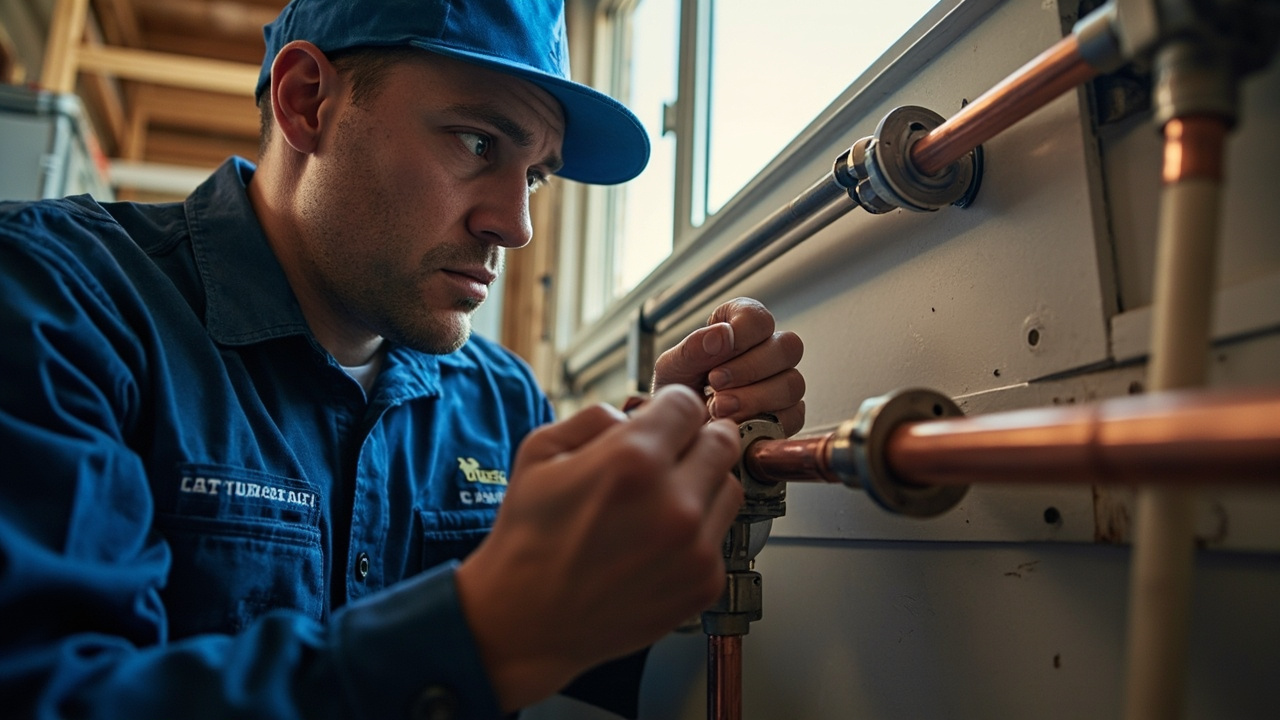
Our crew installs the new supply system section by section. We typically start at the water heater and main distribution points, then branch to individual fixtures. The team cuts precise access holes, runs new PEX lines through existing wall cavities when possible, and secures pipes to framing with proper support spacing. We install the manifold system, connect fixture drops, and verify each connection meets Minnesota plumbing code pressure requirements before moving to the next section.
03

Testing and Wall Restoration

After completing all connections, we pressurize the system and monitor for 24 hours. Any pressure drop indicates a leak that we locate and repair before walls close. Once the system passes testing, we restore access points with new drywall, tape, mud, and texture matching. Our crew removes all old pipes and debris. You get a certificate documenting the pressure test results and a layout diagram showing new pipe locations for future reference.

Why Minneapolis Homeowners Choose Pioneer Plumbing for Whole House Repipes

We understand Minnesota's building code requirements for residential plumbing systems. Minneapolis requires permits for whole house repiping work, and inspectors check for proper pipe sizing, support spacing, and backflow prevention. Pioneer Plumbing Minneapolis pulls permits, schedules inspections, and ensures your installation passes on the first visit. You do not deal with city bureaucracy or correction notices.

Our technicians work in Minneapolis homes year-round. We know how to access pipes in homes with plaster walls, knob-and-tube wiring, and asbestos-wrapped heating ducts. Older Minneapolis homes present challenges that require experience, not just technical knowledge. We coordinate with electricians when we encounter wiring conflicts and work around structural elements that cannot be modified.

We also understand the architecture common to Minneapolis neighborhoods. Craftsman bungalows have different plumbing layouts than post-war ramblers or Minneapolis four-square homes. Each style presents unique access challenges. Craftsman homes often have plumbing stacked in central walls that serve both floors. Ramblers spread fixtures across long horizontal runs that need careful planning to maintain pressure.

Minneapolis winters demand that we protect your home during the work. We seal work areas with plastic barriers to maintain heat, we never leave exterior walls open overnight, and we verify that your heating system maintains function throughout the project. If we need to shut off water during subzero weather, we drain lines and restore service before temperatures drop.

We also give you realistic timelines. A typical single-story, three-bedroom home takes three to four days. Two-story homes need four to six days. We do not rush the pressure testing phase, and we do not skip steps to finish faster. Your repipe gets done right the first time.

What to Expect from Your Minneapolis Whole Home Repipe Project

Project Timeline and Daily Schedule

Most residential repipes take three to five working days. Single-story homes average three days. Two-story homes need four to six days depending on fixture count and basement configuration. Our crew arrives between 8:00 and 8:30 AM and works until 4:30 or 5:00 PM. We restore water service each evening so you can use bathrooms and kitchen overnight. Day one focuses on main distribution lines. Days two and three cover branch lines to individual fixtures. Day four involves pressure testing and initial wall repair. Day five handles finish drywall work and final inspection. You stay in your home during the work in most cases.

Initial Assessment and Estimation Process

We schedule a two-hour site visit to evaluate your existing system. Our technician documents pipe material, measures run distances, photographs problem areas, and discusses your concerns. We check water pressure, test flow rates at fixtures, and look for signs of corrosion or previous repairs. You receive a written estimate within 24 hours showing material costs, labor, permit fees, and wall restoration work. The estimate breaks down costs by system section so you understand where money goes. We answer questions about material choices, timeline, and how we handle unexpected discoveries like hidden water damage.

Quality Standards and Final Delivery

Your new plumbing system will meet or exceed current Minnesota plumbing code requirements. We install PEX supply lines with brass fittings, support pipes at code-required intervals, and insulate lines in exterior walls to prevent freeze damage. Every connection gets pressure tested at 100 PSI for 24 hours before walls close. We provide documentation including pressure test results, material certifications, and a system diagram showing pipe locations. The city inspector verifies the installation and issues an approval certificate. You get improved water pressure, faster hot water delivery, and elimination of rust-colored water problems.

Material Warranties and System Support

PEX pipe carries a manufacturer warranty that typically covers material defects. The exact warranty terms depend on the manufacturer we source from, but most PEX products include substantial coverage periods. Our installation work is backed by our service commitment. If you experience problems related to our installation, we return to diagnose and correct the issue. We also provide a system diagram showing pipe routing, shut-off valve locations, and manifold positions. This documentation helps future service providers understand your system layout. We recommend annual water heater maintenance and periodic inspection of exposed pipes in basements or crawlspaces.

Frequently Asked Questions

You Have Questions,
We Have Answers

How much does it cost to repipe a whole house? +

Whole home repiping costs vary based on house size, pipe material, and accessibility. In Minneapolis, homes built before 1960 often have galvanized steel or outdated copper that needs replacement. A typical single-family home ranges from several thousand to over ten thousand dollars. Factors include square footage, number of bathrooms, wall access difficulty, and whether you choose PEX or copper. Minneapolis homes with finished basements or plaster walls increase labor costs. Get multiple quotes from licensed plumbers familiar with local building codes and freeze-thaw stress on Minnesota plumbing systems.

How much does plumbing cost for a 2000 sq ft house? +

Plumbing costs for a 2000 square foot house depend on the scope of work. For new construction or complete replumbing in Minneapolis, you can expect substantial investment due to materials and labor. A 2000 square foot home typically has two to three bathrooms and multiple water supply lines. Minneapolis freeze protection requirements add complexity. Costs increase if your home has crawl spaces or slab foundations common in certain neighborhoods. Rough-in plumbing for new builds differs from retrofit repiping in existing homes. Consult local plumbers who understand Minnesota building codes and seasonal installation challenges.

Is it worth it to repipe your house? +

Repiping is worth it if you face frequent leaks, low water pressure, discolored water, or have aging galvanized pipes. Minneapolis homes built before 1970 often have corroded galvanized steel that contaminates water and restricts flow. Repiping prevents catastrophic pipe failures that cause flooding and structural damage. Modern PEX or copper systems last 50 plus years and improve water quality. You avoid emergency repairs, reduce water damage risk, and increase home value. For Minneapolis properties with original plumbing, repiping is a smart investment that protects your home from Minnesota's harsh freeze-thaw cycles.

What is a whole home repipe? +

A whole home repipe replaces all water supply lines throughout your house. This includes hot and cold water pipes running from your main water line to every fixture, faucet, toilet, and appliance. In Minneapolis, repiping often means replacing old galvanized steel or deteriorating copper with modern PEX or new copper piping. The process involves accessing walls, routing new pipes, connecting to fixtures, and restoring wall surfaces. Drain lines may or may not be included depending on their condition. Whole home repiping ensures consistent water pressure, eliminates leaks, and upgrades your entire water distribution system.

Does repiping lower insurance? +

Repiping can lower homeowners insurance premiums in some cases. Insurance companies view old galvanized or polybutylene pipes as high-risk for water damage claims. Minneapolis insurers may offer discounts after you replace outdated plumbing with modern materials like PEX or copper. Some insurance providers require repiping or drop coverage on homes with polybutylene pipes. Contact your insurance agent before and after repiping to document the upgrade. Provide proof of permitted work and final inspections. While not guaranteed, many Minneapolis homeowners see reduced premiums or improved coverage terms after eliminating high-risk plumbing systems.

What is the most expensive plumbing job? +

Whole home repiping typically ranks as the most expensive residential plumbing job. This invasive project requires replacing all water supply lines, accessing walls and ceilings, and restoring surfaces. In Minneapolis, costs increase due to finished basements, plaster walls in older homes, and code requirements for freeze protection. Other expensive jobs include main sewer line replacement, especially when excavation reaches street connections, or full bathroom renovations with relocated fixtures. Repiping costs more than individual repairs because it addresses your entire water distribution system. However, it prevents repeated emergency repairs and catastrophic water damage.

How much for a full replumb? +

A full replumb costs vary based on home size, pipe material choice, and access difficulty. Minneapolis homes require considerations for local building codes and seasonal installation factors. Single-story homes with crawl space access cost less than multi-story homes with finished interiors. PEX installation is faster and less expensive than copper. Expect several days to two weeks for completion depending on complexity. Costs include materials, labor, permits, wall repairs, and any fixture reconnections. Get detailed written estimates from licensed Minneapolis plumbers who include permit fees and wall restoration in their quotes.

What are common hidden plumbing costs? +

Hidden plumbing costs include wall and ceiling repairs after accessing pipes, permit fees, fixture replacement when old valves break during work, and water main shutoff valve replacement. Minneapolis homes may need drain line work discovered during repiping inspections. Asbestos or lead pipe abatement adds costs in older properties. You might need temporary lodging if water service is interrupted for multiple days. Landscaping restoration applies if exterior excavation is required. Upgrade costs arise when bringing systems to current code, including expansion tanks, pressure regulators, or backflow preventers required by Minneapolis building standards.

What is the most expensive part of building a house? +

Foundation and framing typically represent the most expensive parts of building a house, followed by major systems including plumbing, electrical, and HVAC. In Minneapolis, foundation costs increase due to frost depth requirements and soil conditions. Plumbing ranks high because it involves materials, labor, permits, and coordination with other trades. Rough-in plumbing must happen before walls close. Kitchen and bathroom fixture costs add up quickly. However, material and labor costs vary by project scope. Custom homes with multiple bathrooms and high-end fixtures see higher plumbing expenses than modest builds.

What is the 30% rule for renovations? +

The 30 percent rule suggests that renovation costs exceeding 30 percent of your home's value should prompt consideration of major system upgrades. For Minneapolis homeowners planning kitchen or bathroom remodels, this threshold signals when to address hidden infrastructure like old plumbing. If you invest 30 percent or more in renovations, repiping makes sense to avoid installing new fixtures on failing pipes. This rule helps you avoid cosmetic upgrades that mask structural problems. Minneapolis properties with original 1950s or 1960s plumbing should evaluate whole home repiping during substantial renovation projects to maximize investment value.

How Minneapolis Freeze-Thaw Cycles Accelerate the Need for Whole House Pipe Replacement

Minneapolis experiences an average of 60 freeze-thaw cycles each winter. Daytime temperatures climb above freezing, then drop below zero overnight. This cycling stresses pipe materials through repeated expansion and contraction. Copper pipes develop stress fractures at solder joints. Galvanized steel pipes crack at threaded connections. The movement also loosens fittings over time, creating slow leaks that damage wall cavities before you notice symptoms. Homes in Minneapolis need replumbing sooner than identical homes in temperate climates because the weather accelerates material fatigue. When you add decades of this cycling to pipes already past their design life, failure becomes inevitable.

Minneapolis enforces building codes through a rigorous inspection process. The city requires permits for whole house repipes and assigns inspectors who verify code compliance at multiple project stages. Working with a local plumbing company means you get technicians who understand city requirements, maintain relationships with local inspectors, and know how Minneapolis interprets state plumbing code. We also understand the unique challenges of Minneapolis housing stock. Many homes have cast iron drain stacks, galvanized supply lines, and plaster walls that complicate access. Local expertise matters when dealing with unexpected conditions common to pre-1960 Minneapolis construction.
Plumbing Services in The Minneapolis Area

Discover the convenient location of Pioneer Plumbing and explore our extensive service area. We are proudly situated to serve the entire Minneapolis region and surrounding communities, ensuring our expert plumbing solutions are always within reach. Feel free to visit our office or use the map below to pinpoint our location for in-person inquiries or simply to confirm our proximity for your next plumbing need. We're always ready to connect!

Address:
Pioneer Plumbing Minneapolis, 2355 MN-36, Minneapolis, MN, 55113

Additional Services We Offer

Our news updates

Latest Articles & News from The Blogs

When your toilet starts acting up, it disrupts your whole household. Residents in Richfield often deal with specific plumbing challenges…

Reliable Toilet Repair and Installation Services in Richfield

When your toilet starts acting up, it disrupts your whole household. Residents in Richfield often deal with specific plumbing challenges…

Why Your Northeast Minneapolis Home Needs a Tankless Water Heater

Why Your Northeast Minneapolis Home Needs a Tankless Water HeaterNortheast Minneapolis homeowners face unique challenges with aging infrastructure and compact…

Choosing Radiant Floor Heating for Your Mendota Heights Remodel

High Performance Heating for Mendota Heights RenovationsMendota Heights homeowners face some of the most demanding winter conditions in the country.…

Contact Us

Stop managing leaks and start solving the problem. Call Pioneer Plumbing Minneapolis at (651) 588-9979 for a no-obligation home repipe evaluation. We provide written estimates, answer your questions, and explain exactly what your home needs. Your pipes will not fix themselves.