




menu

Sediment Buildup in Pipes in Minneapolis – Expert Diagnosis and Permanent Solutions

Pioneer Plumbing Minneapolis uses hydro jetting, camera inspection, and mineral deposit analysis to restore water pressure, eliminate clogs, and prevent sediment buildup in pipes from damaging your plumbing system.

Slider Image 1
Slider Image 2
Slider Image 3
Slider Image 4
Slider Image 5
Slider Image 7
Slider Image 8
Slider Image 9
Slider Image 10
Slider Image 11

Why Minneapolis Water Creates Chronic Sediment Buildup in Pipes

Minneapolis pulls most of its municipal water from the Mississippi River and underground aquifers. Both sources carry high levels of dissolved minerals like calcium, magnesium, and iron. As water flows through your pipes, temperature changes cause these minerals to precipitate out of solution. The result is hard water pipe scaling that accumulates over months and years.

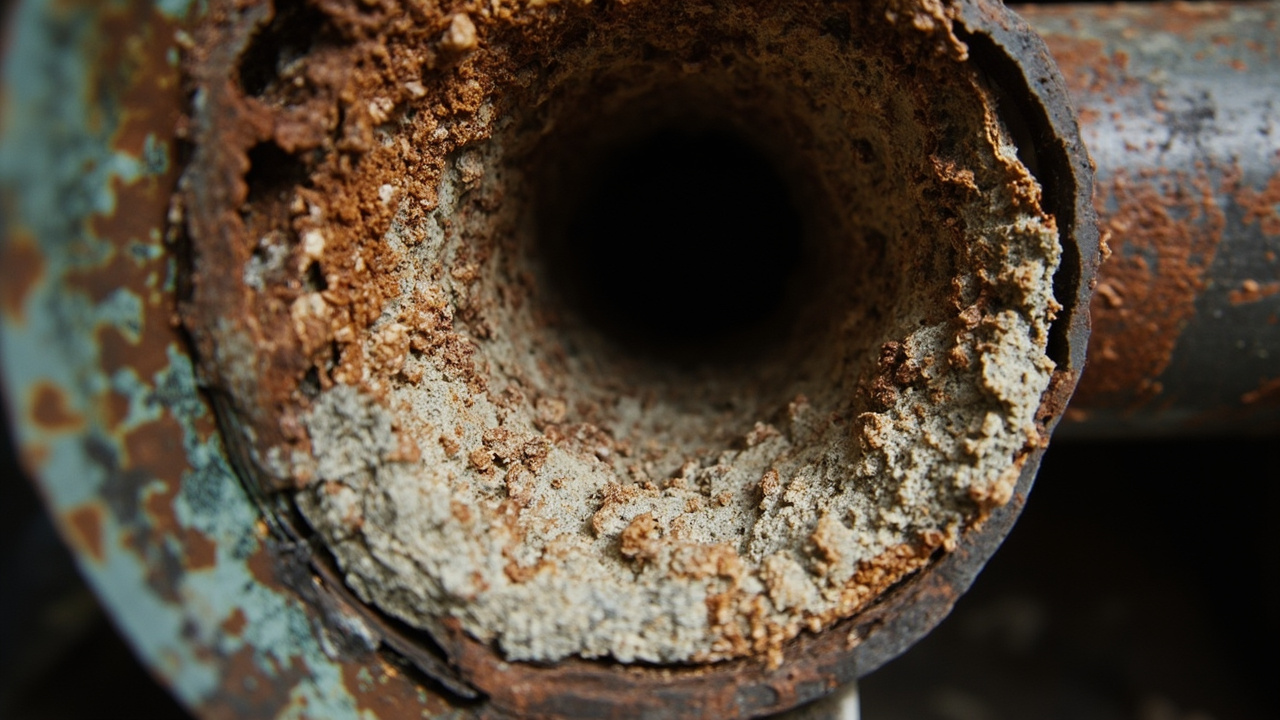
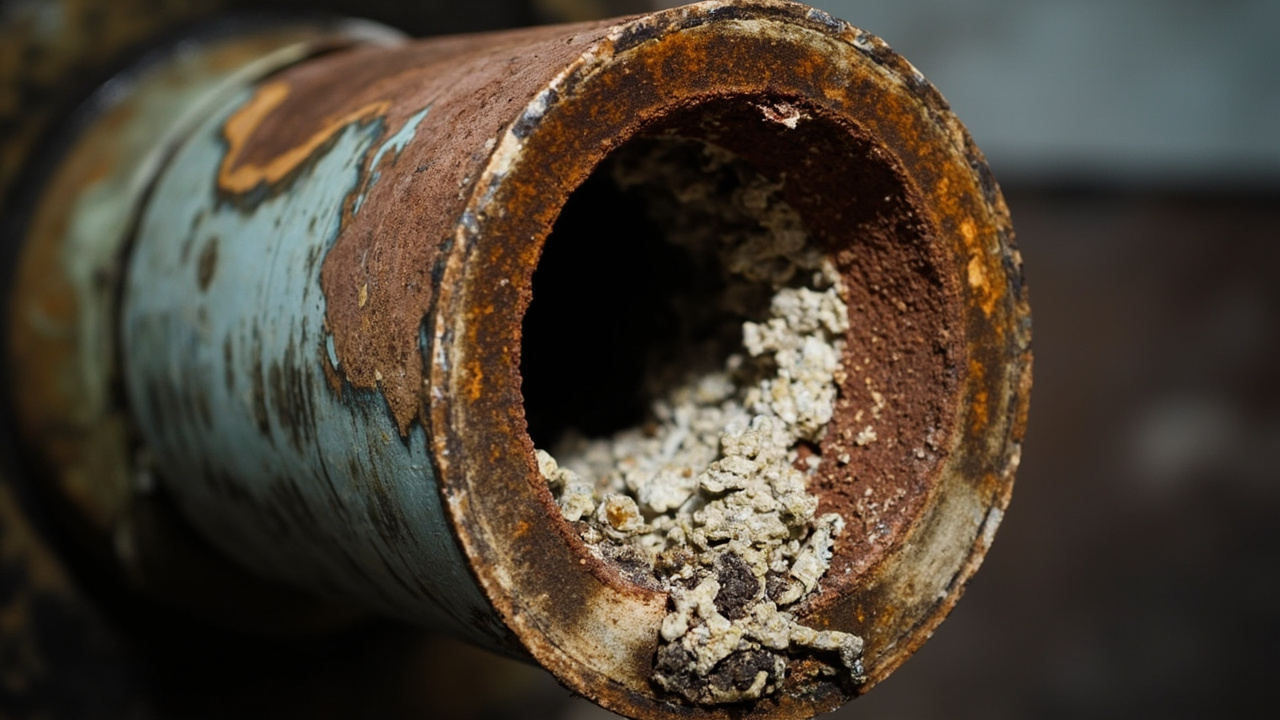
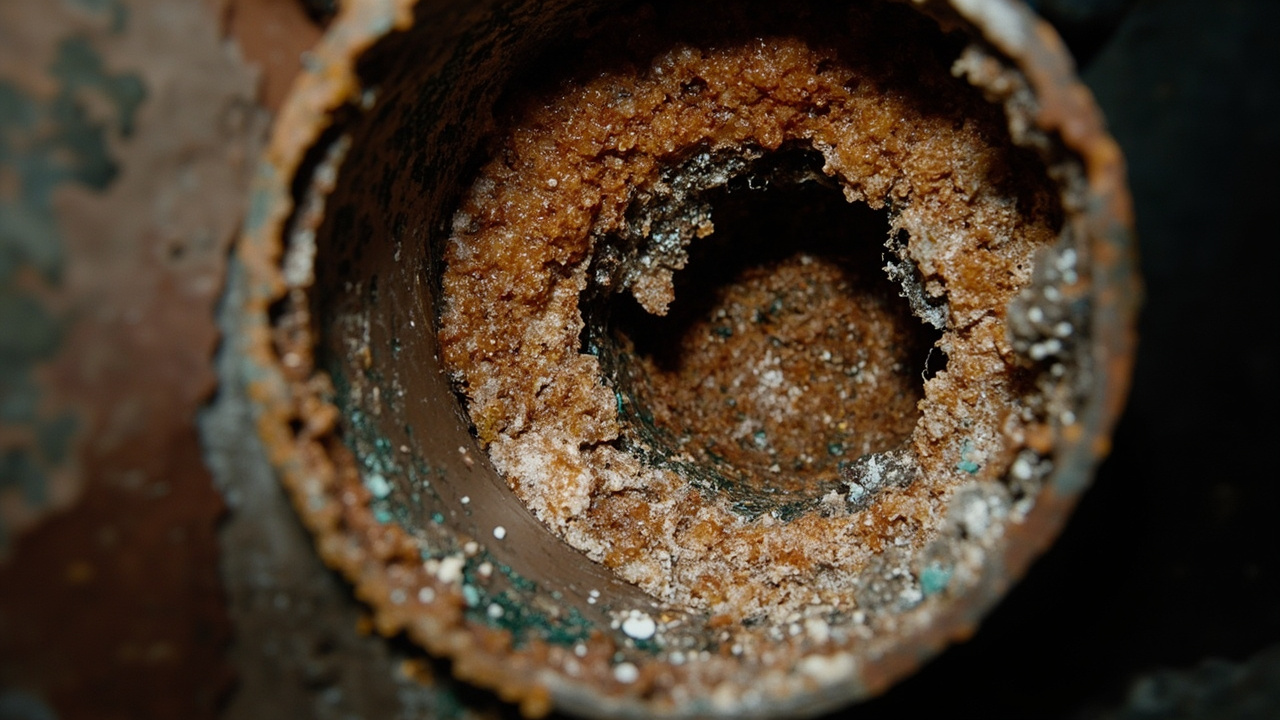
You notice the problem when water pressure drops at faucets and showerheads. Dishwashers take longer to fill. Washing machines struggle. In older homes near Powderhorn Park and Longfellow, galvanized steel pipes are especially vulnerable. The rough interior surface of aging galvanized pipe acts like sandpaper, catching mineral deposits in water pipes and accelerating buildup. Copper pipes fare better but still develop calcium buildup in water lines over time.

Minneapolis freeze-thaw cycles make the problem worse. When pipes cool during winter, minerals precipitate faster. When they warm in spring, thermal expansion cracks existing scale, creating rough edges that trap more sediment. This cycle repeats every year.

Limescale accumulation in plumbing does not just slow water flow. It creates turbulence that erodes pipe walls from the inside. Iron oxide particles mix with calcium carbonate to form a cement-like crust. Left untreated, pipe calcification problems lead to pinhole leaks, burst pipes, and complete blockages. You cannot fix this with a bottle of drain cleaner. You need professional assessment and targeted removal.

The older your home, the worse the sediment buildup. Homes built before 1960 often have galvanized supply lines that are now 50 percent blocked. You deserve full water pressure and clean pipes.

Why Minneapolis Water Creates Chronic Sediment Buildup in Pipes
How We Remove Sediment Buildup and Restore Water Flow

How We Remove Sediment Buildup and Restore Water Flow

We start with diagnosis, not guessing. A sewer camera inspection shows us exactly where sediment buildup in pipes has occurred, how severe the blockage is, and whether the pipe itself is compromised. We feed a waterproof camera through your cleanout or fixture drain and record the entire run. You see the same footage we do. This eliminates unnecessary work and focuses our effort where it matters.

For moderate calcium buildup in water lines, we use hydro jetting. A specialized nozzle sprays water at 3,000 to 4,000 PSI in a 360-degree pattern. The high-pressure stream scours away limescale accumulation in plumbing without damaging the pipe itself. Unlike mechanical snakes that push sediment forward or punch holes through clogs, hydro jetting removes the entire layer of scale. We flush the debris out through the sewer line. You get clean pipe walls and restored flow capacity.

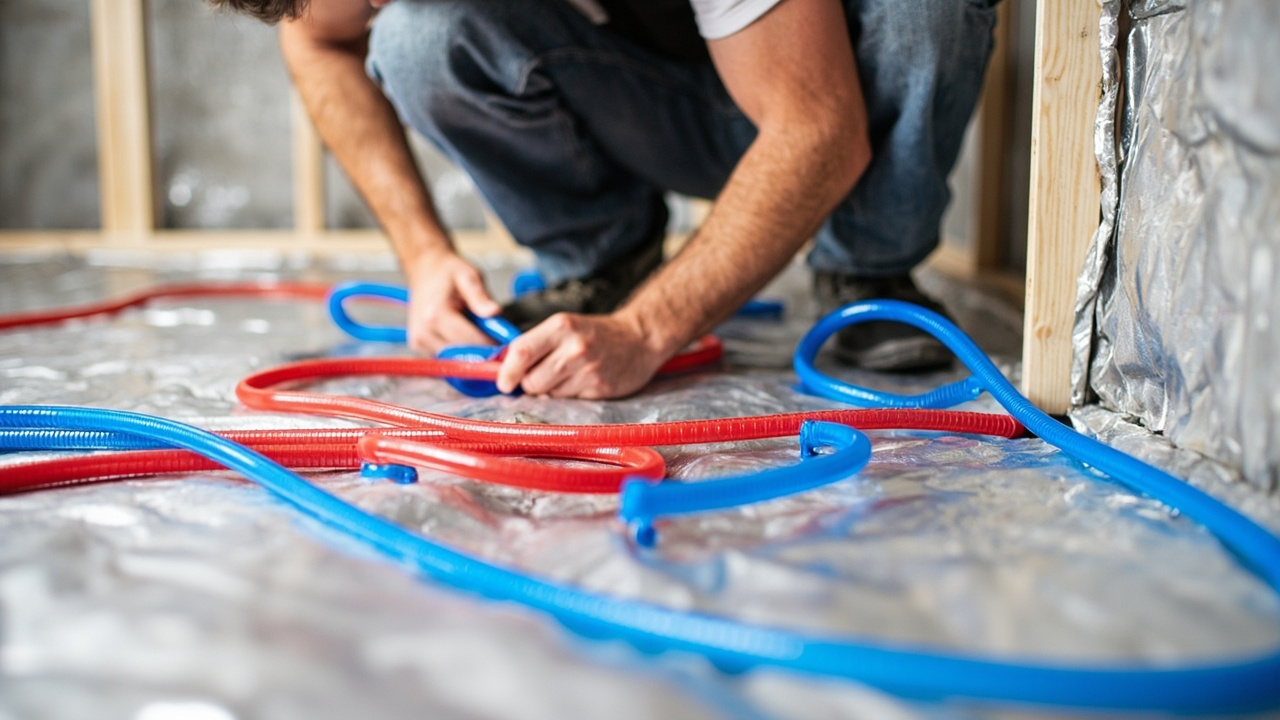
For severe pipe calcification problems, especially in galvanized steel lines, replacement is often the safer option. Trying to remove decades of mineral deposits in water pipes from corroded galvanized pipe can cause the weakened metal to fail. We assess pipe wall thickness using the camera footage and recommend replacement when hydro jetting poses a risk. We reroute new PEX or copper lines through existing walls and ceiling cavities to minimize drywall damage.

We also test your water hardness. Minneapolis water averages 8 to 12 grains per gallon, which is moderately hard. If your home sits in an area with older infrastructure or private well water, hardness can exceed 15 grains. We recommend water softening systems when appropriate to prevent future hard water pipe scaling. Softeners exchange calcium and magnesium ions for sodium, stopping mineral precipitation before it starts.

What Happens During a Sediment Removal Service Call

Sediment Buildup in Pipes in Minneapolis – Expert Diagnosis and Permanent Solutions
01

Camera Inspection and Mapping

We insert a high-resolution sewer camera into your water supply or drain lines to locate sediment buildup. The camera records depth, location, and severity of mineral deposits. You see the footage in real time. We map problem areas and determine whether hydro jetting or pipe replacement is the correct solution. This step prevents unnecessary excavation and focuses our work on the actual blockage points.
02

Hydro Jetting or Pipe Replacement

For treatable buildup, we use hydro jetting to scour pipe interiors with high-pressure water. The nozzle rotates and moves forward, removing limescale and mineral crust without harming the pipe. For corroded or weakened pipes, we replace the damaged section with PEX or copper. We reroute through walls or crawl spaces to minimize structural disruption. Both methods restore full water pressure and flow capacity.
03

Water Testing and Prevention Plan

After cleaning or replacement, we test your water hardness to determine if a softener system is needed. We explain the mineral content, expected buildup rate, and maintenance schedule. If you choose a softener, we install it on the main supply line. We also provide a maintenance schedule for periodic hydro jetting in older homes. You leave with a clear plan to prevent future sediment buildup.

Why Minneapolis Homeowners Trust Pioneer Plumbing for Sediment Removal

We work in Minneapolis every day. We know the difference between homes on city water near the Chain of Lakes and properties on private wells in the northern suburbs. We know which neighborhoods have original galvanized pipe from the 1940s and which have been repiped with copper. That local knowledge matters when diagnosing sediment buildup in pipes.

We do not sell you services you do not need. If your pipes can be cleaned with hydro jetting, we clean them. If they are too corroded and need replacement, we tell you that too. We show you the camera footage and explain the options. You make the final decision with complete information.

Our technicians carry commercial-grade hydro jetting equipment on every truck. We do not need to schedule a second visit or rent equipment. We handle the work the same day in most cases. For larger repipe jobs, we provide a detailed timeline and minimize disruption to your daily routine.

We also understand Minneapolis building codes. Repipe work requires permits and inspections in most cases. We pull the permits, schedule the inspections, and ensure the work meets city standards. You do not need to navigate the bureaucracy yourself.

Minneapolis has some of the oldest housing stock in the upper Midwest. Many homes in Seward, Whittier, and Northeast Minneapolis still have original plumbing from the 1920s and 1930s. We have worked in these homes for years. We know how to access buried supply lines, reroute around load-bearing walls, and work in cramped crawl spaces. Experience matters when the unexpected happens. We adapt and solve problems on site without delays or cost overruns.

What to Expect When You Call Pioneer Plumbing for Sediment Buildup

Fast Response and Scheduling Flexibility

We dispatch technicians throughout the Minneapolis metro area every day. Most service calls are scheduled within 24 to 48 hours. If you have a total loss of water pressure or a burst pipe caused by sediment blockage, we prioritize emergency calls and arrive the same day. We provide two-hour arrival windows and call ahead when we are on the way. You do not waste time waiting around all day.

Thorough Camera Inspection and Water Analysis

We inspect your pipes with a waterproof camera and record the entire run. You see the same footage we do. We measure the thickness of mineral deposits and assess pipe condition. We also test your water hardness using a calibrated test kit. This gives us the data we need to recommend the correct solution, whether that is hydro jetting, pipe replacement, or a water softener system. You get a clear diagnosis, not a sales pitch.

Complete Sediment Removal or Pipe Replacement

If hydro jetting is appropriate, we remove the entire layer of mineral scale from your pipes. You get restored water pressure and flow capacity. If the pipes are too corroded, we replace the damaged sections with PEX or copper. We reroute through existing walls and ceilings to minimize drywall damage. We clean up completely and haul away all debris. You get a finished job, not a construction zone.

Maintenance Plans and Water Softener Options

After we remove the sediment buildup, we recommend a maintenance schedule based on your water hardness. Homes with moderately hard water benefit from hydro jetting every three to five years. Homes with very hard water need more frequent service or a water softener. We install residential and commercial softener systems that prevent future mineral deposits. We also offer maintenance plans that include annual inspections and priority scheduling.

Frequently Asked Questions

You Have Questions,
We Have Answers

How much to flush pipes in a house? +

Flushing pipes in a Minneapolis home costs between $200 and $600 for a standard service. Price depends on your home size, pipe condition, and access points. Older homes in neighborhoods like Northeast or Powderhorn often require more extensive flushing due to aging galvanized pipes. The process involves opening faucets and drain valves to clear sediment from water heaters and supply lines. If you have severe buildup or mineral deposits from Minneapolis hard water, expect higher costs. Hydro jetting for stubborn blockages runs more. Get a diagnostic inspection first to identify the scope before committing.

What causes sediment in water pipes? +

Minneapolis water contains high mineral content, mainly calcium and magnesium, which creates scale deposits inside pipes over time. Rust from aging galvanized or iron pipes also contributes sediment. Clay soil common throughout Minneapolis shifts during freeze-thaw cycles, breaking loose particles that enter supply lines through small cracks. Corroded water heaters shed debris into your system. If you live in an older home built before 1960, lead and iron pipe deterioration accelerates sediment formation. Construction work or water main repairs in your neighborhood can temporarily increase sediment levels as disturbed material flows through the distribution system.

How to get rid of debris in pipes? +

Start by flushing all faucets for several minutes to clear loose debris from supply lines. Drain and flush your water heater annually to remove settled sediment. For stubborn buildup, professional hydro jetting uses high-pressure water streams to scour pipe walls clean without chemicals. Plumbers insert a specialized nozzle that blasts debris loose while flushing it downstream. In Minneapolis homes with severe mineral scale, descaling treatments or mechanical augers may be needed. Avoid chemical drain cleaners, which corrode pipes and worsen long-term problems. If debris persists after flushing, you need a camera inspection to locate blockage sources.

How do plumbers descale pipes? +

Plumbers use hydro jetting to descale pipes with water pressure up to 4,000 PSI. A flexible hose with a specialized nozzle enters through a cleanout access point. The nozzle sprays water in multiple directions, breaking up mineral scale, rust, and hardened deposits while flushing debris downstream. For heavy scale in Minneapolis homes with hard water, plumbers may use mechanical descaling tools or cable machines with cutting heads. Chemical descaling agents work for specific pipe materials but require careful application. Video inspection confirms complete removal. Descaling restores flow capacity and extends pipe life without replacement, saving you thousands.

Can I clean my sewer line myself? +

You can attempt basic sewer line cleaning with a manual drain snake for minor clogs near the house. Rent a power auger for blockages within 50 feet of your cleanout. However, Minneapolis sewer lines face unique challenges like tree root intrusion from mature elms and maples, clay pipe deterioration, and frost heave damage. Mistakes during DIY cleaning can puncture pipes or push blockages deeper. You lack diagnostic cameras to identify the actual problem. For backups, recurring clogs, or slow drains throughout your home, call a licensed plumber. Professional hydro jetting and video inspection prevent costly damage from guesswork.

Does homeowners insurance cover sewer line repair? +

Standard homeowners insurance typically excludes sewer line repairs because they fall under maintenance, not sudden damage. Policies cover sudden, accidental events but not gradual deterioration from age, tree roots, or sediment buildup. Some insurers offer sewer backup endorsements as add-ons, which cover water damage inside your home from backups but not exterior line repairs. Minneapolis homeowners should review policies carefully. If a covered peril like a fallen tree crushes your line, you may have coverage. Otherwise, expect to pay out of pocket. Consider separate sewer line insurance or service plans to manage repair costs.

What dissolves sediment in pipes? +

Hydro jetting physically removes sediment using high-pressure water without chemicals. For mineral scale, acidic descaling agents like citric or hydrochloric acid can dissolve calcium and magnesium deposits, but they require professional application to avoid pipe damage. Vinegar works for minor scale in fixtures but lacks strength for pipe interiors. Commercial descalers exist but vary by pipe material. Minneapolis hard water creates persistent scale, so mechanical removal through jetting proves most effective long-term. Chemical treatments provide temporary relief but do not address underlying buildup causes. Water softeners prevent future sediment formation by removing minerals before they enter pipes.

What are four signs that your sewer line is broken? +

Watch for multiple drains backing up simultaneously, which signals a main line blockage. Persistent sewage odors in your yard or basement indicate a crack leaking waste. Soggy patches or unusually green grass above your sewer line show underground leakage feeding the soil. Gurgling sounds from toilets or drains when using other fixtures mean air enters through breaks. Minneapolis homeowners should also notice foundation cracks or settling near the sewer path. Fruit flies or drain flies congregate around breaks. Rodents enter through damaged pipes. If you see any combination, get a camera inspection immediately to confirm the break location.

What are the 4 types of sediment? +

The four sediment types are clastic, chemical, biochemical, and organic. Clastic sediments consist of rock and mineral fragments like sand, silt, and clay that enter pipes from soil intrusion or deteriorating infrastructure. Chemical sediments form from dissolved minerals precipitating out, like calcium scale from Minneapolis hard water. Biochemical sediments come from biological activity, such as bacteria colonies forming biofilm inside pipes. Organic sediments include decomposed plant matter or sewage solids. In plumbing, you encounter mainly clastic particles from corroded pipes and chemical deposits from mineral-rich water. Understanding sediment type helps plumbers choose the right removal method for your system.

What do plumbers use to unclog pipes? +

Plumbers use hydro jetting for severe clogs, blasting blockages with high-pressure water up to 4,000 PSI. Drain snakes or augers mechanically break through obstructions using rotating cables with cutting heads. For grease buildup, enzyme treatments digest organic matter without damaging pipes. Video inspection cameras identify clog locations and causes before treatment. Plumbers avoid harsh chemical drain cleaners that corrode Minneapolis pipes already stressed by freeze-thaw cycles. Air burst tools push clogs through with compressed gas. Tool selection depends on clog type, pipe material, and blockage severity. Professional equipment clears drains faster and safer than store-bought options.

How Minneapolis Hard Water and Aging Infrastructure Accelerate Sediment Buildup

Minneapolis water hardness averages 8 to 12 grains per gallon, but homes near Fort Snelling and Minnehaha Falls sometimes test higher due to aquifer geology. The Mississippi River also picks up calcium carbonate as it flows through limestone bedrock upstream. When this mineral-rich water enters your pipes, temperature fluctuations cause precipitation. Winter freeze-thaw cycles compound the problem. Pipes cool overnight and warm during the day, creating rapid mineral deposit cycles that accelerate limescale accumulation in plumbing. Older neighborhoods with galvanized steel supply lines see the worst buildup because rough pipe interiors trap sediment.

Minneapolis enforces strict plumbing codes through the Department of Community Planning and Economic Development. Repipe work and water softener installations require permits and inspections. We handle the entire permit process for you. Our technicians are familiar with local inspectors and know what they expect. We also understand the architectural challenges of working in Minneapolis homes. Many properties near Lake of the Isles and Kenwood feature plaster walls and historic detailing that require careful handling. We protect your home while solving the sediment problem.
Plumbing Services in The Minneapolis Area

Discover the convenient location of Pioneer Plumbing and explore our extensive service area. We are proudly situated to serve the entire Minneapolis region and surrounding communities, ensuring our expert plumbing solutions are always within reach. Feel free to visit our office or use the map below to pinpoint our location for in-person inquiries or simply to confirm our proximity for your next plumbing need. We're always ready to connect!

Address:
Pioneer Plumbing Minneapolis, 2355 MN-36, Minneapolis, MN, 55113

Additional Services We Offer

Our news updates

Latest Articles & News from The Blogs

When your toilet starts acting up, it disrupts your whole household. Residents in Richfield often deal with specific plumbing challenges…

Reliable Toilet Repair and Installation Services in Richfield

When your toilet starts acting up, it disrupts your whole household. Residents in Richfield often deal with specific plumbing challenges…

Why Your Northeast Minneapolis Home Needs a Tankless Water Heater

Why Your Northeast Minneapolis Home Needs a Tankless Water HeaterNortheast Minneapolis homeowners face unique challenges with aging infrastructure and compact…

Choosing Radiant Floor Heating for Your Mendota Heights Remodel

High Performance Heating for Mendota Heights RenovationsMendota Heights homeowners face some of the most demanding winter conditions in the country.…

Contact Us

Call Pioneer Plumbing Minneapolis at (651) 588-9979 to schedule a camera inspection and water hardness test. We diagnose the problem, explain your options, and restore full water flow. Same-day service available.