



menu

Plumbing Inspection Checklist for Minneapolis Homes – Protect Your Property from Freeze Damage and Water Loss

Use this comprehensive residential plumbing checkup list to identify vulnerabilities in your system before Minneapolis's brutal freeze-thaw cycles cause pipe bursts, slab leaks, and expensive water damage to your home.

Slider Image 1
Slider Image 2
Slider Image 3
Slider Image 4
Slider Image 5
Slider Image 7
Slider Image 8
Slider Image 9
Slider Image 10
Slider Image 11

Why Minneapolis Homes Need Regular Plumbing System Inspections

Minneapolis homes face extreme plumbing stress. Winter temperatures that plunge below zero for weeks at a time create freeze-thaw cycles that crack pipes, split fixtures, and destroy water heaters. Spring thaw brings surging water tables that flood basements and overwhelm sump pumps. The city's aging housing stock, built largely between 1900 and 1960, still contains galvanized steel and cast iron piping that corrodes from the inside out.

A home plumbing inspection list helps you identify problems before they escalate. Small leaks waste thousands of gallons annually and drive up utility bills. Corroded supply lines reduce water pressure and contaminate drinking water with rust and sediment. Drain blockages cause sewage backups that destroy finished basements and create health hazards.

Most homeowners wait until water pours through the ceiling to call a plumber. By then, drywall is ruined, insulation is soaked, and mold growth has started. A preventative plumbing maintenance checklist catches these issues early. You find the pinhole leak in the basement before it floods your mechanical room. You spot the corroded shut-off valve before it fails during an emergency. You identify the slow drain before sewage backs up into your bathtub.

The plumbing maintenance checklist approach saves money. Replacing a leaking toilet flapper costs $15. Replacing water-damaged subfloor and joists costs thousands. Catching problems early keeps small repairs from becoming structural disasters.

Why Minneapolis Homes Need Regular Plumbing System Inspections
What a Professional Residential Plumbing Checkup Covers

What a Professional Residential Plumbing Checkup Covers

A thorough plumbing system inspection guide examines every water supply line, drain line, fixture, and appliance connection in your home. Start with the water main where it enters the foundation. Check for leaks at the meter, inspect the main shut-off valve for corrosion, and verify the pressure reducing valve functions correctly. Minneapolis municipal water pressure often exceeds 80 PSI, which damages fixtures and causes pipe joints to fail.

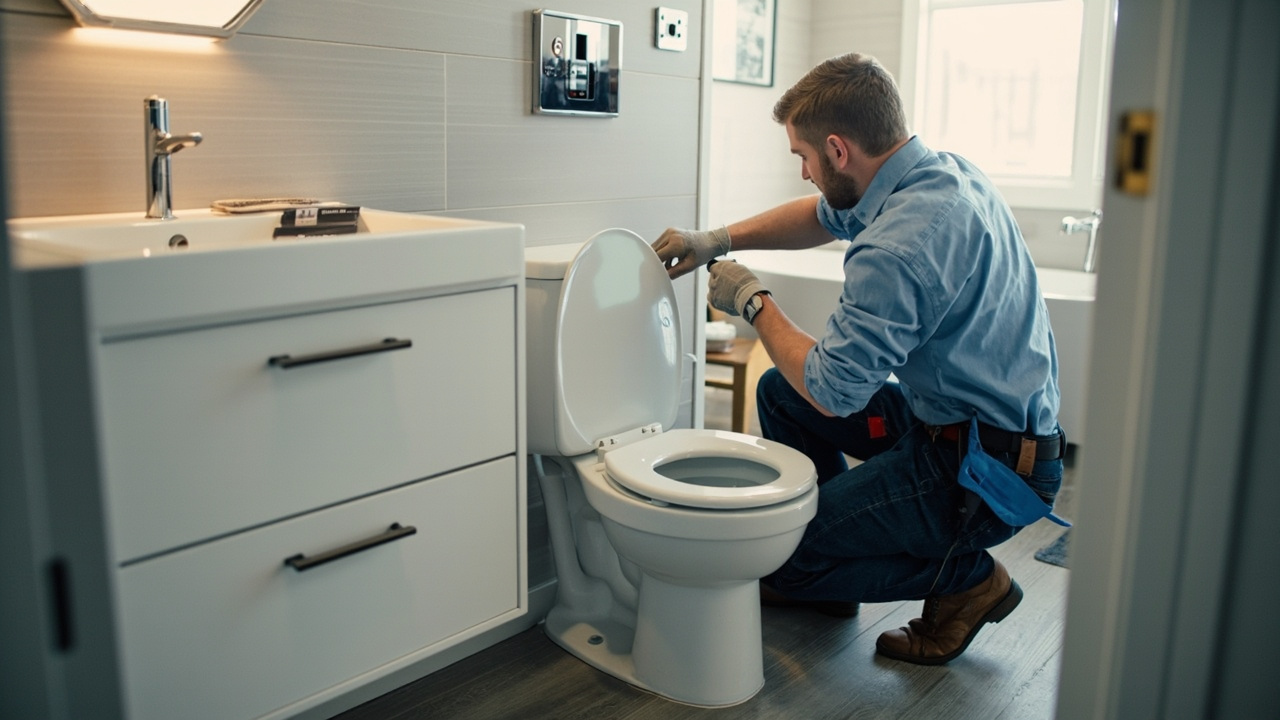
Move through the home systematically. At each fixture, check supply line connections for leaks, test shut-off valves, inspect drain traps for corrosion, and verify proper venting. Look under sinks for water stains on cabinet bottoms. Check toilet tanks for cracks and test flappers for proper sealing. Run faucets and showers to verify adequate flow and proper drainage.

The water heater requires detailed inspection. Check the temperature and pressure relief valve, inspect the anode rod for depletion, look for rust stains indicating tank corrosion, and verify proper venting on gas units. Test the emergency shut-off valve and confirm proper clearances around the unit. Minneapolis homes with hard water experience accelerated sediment buildup that reduces efficiency and shortens tank life.

Examine all exposed piping in basements and crawl spaces. Look for corrosion, mineral deposits, and signs of previous leaks. Check pipe hangers and supports. Inspect floor drains and test backflow preventers. Verify sump pump operation and check discharge lines for proper grade and winter protection.

How to Use Your Home Plumbing Inspection List

Plumbing Inspection Checklist for Minneapolis Homes – Protect Your Property from Freeze Damage and Water Loss
01

Document Current Conditions

Start your residential plumbing checkup list by photographing and noting the condition of every visible component. Record water meter readings, note fixture ages, and document any existing stains or corrosion. This baseline lets you track changes over time. Write down the location of your main shut-off valve and verify every household member knows how to operate it during emergencies.
02

Test All Systems

Run water at every fixture and watch for drainage issues. Flush toilets and listen for refill problems. Turn on washing machines and dishwashers to check supply line connections. Test water heater temperature and pressure relief valves. Operate sump pumps and verify proper discharge. Check outdoor hose bibs and irrigation systems. Testing reveals problems that visual inspection misses.
03

Schedule Professional Assessment

Your plumbing maintenance checklist identifies obvious issues, but hidden problems require professional tools. Camera inspections reveal drain line conditions. Pressure testing finds slow leaks inside walls. Thermal imaging detects moisture behind finished surfaces. Professional assessment catches developing problems your checklist cannot reach, giving you time to plan repairs before failures occur.

Why Minneapolis Homeowners Trust Pioneer Plumbing Minneapolis

Minneapolis plumbing differs from other markets. The combination of extreme cold, aging infrastructure, and hard water creates unique challenges that require local expertise. We understand how frost depth requirements affect sewer line repairs. We know which neighborhoods have cast iron stacks that are overdue for replacement. We recognize the signs of foundation movement in homes built on Minneapolis's clay soil.

Our technicians carry thermal cameras to find freeze damage inside walls without demolition. We stock repair parts for fixtures and valves common in Minneapolis's historic housing stock. We know the current city codes for water heater venting, backflow prevention, and sump pump discharge requirements. This local knowledge speeds diagnosis and prevents code violations during repairs.

We see the same problems repeatedly in Minneapolis homes. Laundry tub faucets that freeze in uninsulated basements. Main line cleanouts that crack during frost heave. Water heaters that fail prematurely from sediment buildup. Kitchen sink drain lines that clog from improper venting. Our experience with these patterns lets us predict where your home is vulnerable.

The preventative plumbing maintenance checklist approach aligns with how we work. We would rather help you avoid a crisis than profit from emergency repairs. We provide detailed inspection reports with photographs and priority rankings. You get a clear action plan, not a sales pitch. We explain which issues need immediate attention and which can wait for your next remodeling project.

What to Expect During Your Plumbing Inspection

Inspection Timeline and Scheduling

A complete home plumbing inspection takes two to four hours depending on home size and system complexity. We schedule inspections during normal business hours when you can accompany the technician and ask questions. You do not need to prepare anything in advance. We bring all necessary tools and testing equipment. The technician will need access to all plumbing fixtures, mechanical rooms, and any crawl spaces or unfinished basements where pipes are visible.

How We Assess Your System

The inspection follows your residential plumbing checkup list systematically through the home. We test water pressure at multiple fixtures, check drainage flow rates, inspect all visible piping, and examine fixtures for proper operation. We use moisture meters to check for hidden leaks and thermal cameras to identify temperature anomalies. The technician documents findings with photographs and notes. We explain what we find as we go, answering questions in plain language.

Your Detailed Inspection Report

You receive a written report within 24 hours that itemizes every finding with photographs and recommended actions. Issues are categorized by urgency: immediate safety concerns, problems that need repair within six months, and items to monitor over time. The report includes cost estimates for recommended repairs so you can budget accordingly. This document becomes your roadmap for maintaining your plumbing system and proves valuable when selling your home.

Ongoing Maintenance Planning

We recommend annual plumbing inspections for Minneapolis homes to track system aging and catch new problems early. Older homes with galvanized or cast iron piping benefit from semi-annual inspections. We keep your inspection history on file and track changes over time. This historical data helps predict component failure and plan replacements before emergencies occur. You receive reminder calls when your next inspection is due.

Frequently Asked Questions

You Have Questions,
We Have Answers

What does a plumbing inspection consist of? +

A plumbing inspection examines your entire water system for leaks, damage, and code violations. The inspector checks water heaters, supply lines, drain pipes, fixtures, and sewer connections. In Minneapolis, inspectors pay close attention to freeze damage on exposed pipes and outdated galvanized plumbing common in older homes. They test water pressure, look for corrosion, inspect venting systems, and examine the main sewer line for tree root intrusion. The inspector also checks toilets, faucets, and appliances for proper function. You receive a detailed report identifying current problems and potential future issues.

What are the 5 main items you should inspect for at a drain detail? +

Inspecting a drain detail requires checking five critical areas. First, verify the drain slope ensures proper water flow away from the fixture. Second, examine the trap for clogs, corrosion, or improper venting. Third, check all connections and joints for leaks or loose fittings. Fourth, inspect the drain line for obstructions, especially tree roots in Minneapolis clay soil. Fifth, test the drain's flow rate under normal use conditions. These checks catch problems before they become expensive repairs, particularly important in Minneapolis where freeze-thaw cycles stress aging drain systems and cause hidden cracks.

What should be included in the inspection checklist? +

A comprehensive plumbing inspection checklist covers water supply systems, drainage systems, water heaters, fixtures, and sewage disposal. Include checks for pipe material and condition, water pressure testing, leak detection, drain flow rates, and fixture operation. For Minneapolis homes, add freeze protection measures, sump pump function, and main sewer line camera inspection. The checklist should document water heater age and condition, shut-off valve accessibility, gas line connections if applicable, and code compliance. Note any corrosion, mineral buildup, outdated materials like polybutylene, and potential environmental hazards. Document everything with photos and measurements.

How much does it cost to have a plumbing inspection? +

Basic plumbing inspections in Minneapolis range from affordable visual checks to comprehensive evaluations. A standard whole-house inspection examining fixtures, water heaters, and visible pipes costs less than specialized services. Adding a sewer camera inspection increases the price but catches hidden problems common in older Minneapolis neighborhoods. Water quality testing, pressure tests, and leak detection services add to the total. The investment prevents expensive surprises, especially in homes built before 1980 when galvanized pipes were standard. Get quotes from licensed Minneapolis plumbers who understand local building codes and climate-related issues.

What is the biggest red flag in a home inspection? +

Active water leaks represent the biggest red flag in home inspections. Stains on ceilings, walls, or floors indicate ongoing problems that cause structural damage and mold growth. In Minneapolis, look for water damage near exterior walls where freeze-thaw cycles crack pipes. Corroded or leaking water heaters, wet basements, and sewer odors signal serious issues. Polybutylene pipes installed between 1978 and 1995 are ticking time bombs prone to sudden failure. Low water pressure throughout the house suggests corroded galvanized pipes need replacement. These problems require immediate attention and often costly repairs.

What is the first thing an inspector wants to see? +

Inspectors start with the water heater because it reveals overall system condition and maintenance history. They check the manufacture date, condition, proper venting, temperature settings, and signs of leaks or corrosion. In Minneapolis, inspectors look for expansion tanks required by code and proper combustion air for gas units. The water heater inspection shows whether previous owners maintained the plumbing system. Sediment buildup, rust, or improper installation indicate neglect. Inspectors also verify the unit meets current code requirements and has adequate capacity for the home. This quick check predicts what else they will find.

What would make a house fail a home inspection? +

Homes fail inspections when critical safety issues exist. Active sewer leaks, contaminated water supply, missing backflow prevention, or dangerous gas line connections require immediate correction. In Minneapolis, inadequate freeze protection on water lines, illegal plumbing modifications, and outdated materials like lead pipes trigger failures. Severely corroded pipes, non-functional main shut-off valves, and improperly vented fixtures violate code. Major water heater problems, including missing temperature and pressure relief valves, also cause failures. While most issues are fixable, some require extensive repiping or sewer line replacement before closing.

How much does a drain inspection cost? +

Drain inspection pricing depends on the method and extent. Basic visual inspections of accessible drains cost less than camera inspections. A sewer camera inspection examining the main line from house to street provides the most value, revealing cracks, root intrusion, and bellied pipes invisible from the surface. In Minneapolis, where mature trees and shifting clay soil damage underground lines, camera inspections prevent costly surprises. Some plumbers include basic drain checks in whole-house inspections. Hydrostatic testing for hidden leaks adds to the price. Request itemized quotes from licensed Minneapolis plumbers.

What is a 7 point inspection? +

A seven point inspection is not a standard plumbing term. You might be thinking of a multi-point vehicle inspection. For plumbing, comprehensive inspections examine seven key areas: water supply system, drainage and waste system, water heater, fixtures and faucets, sewage disposal, gas lines if applicable, and code compliance. Minneapolis inspections should include freeze protection measures and foundation drainage. Some inspectors use point systems to rate component conditions, but there is no universal seven point standard. Ask your Minneapolis plumber exactly what their inspection covers to avoid confusion and ensure you get the thorough evaluation you need.

What does a full inspection include? +

A full plumbing inspection evaluates every component of your water and waste systems. Inspectors examine water supply lines, shut-off valves, water pressure, drain lines, venting systems, fixtures, water heaters, and sewer connections. They test for leaks, check pipe materials and condition, verify code compliance, and inspect accessible areas including basements, crawl spaces, and attics. In Minneapolis, full inspections include freeze protection checks, main sewer camera scans for root intrusion, and sump pump evaluation. You receive a detailed report with photos documenting current conditions, code violations, safety hazards, and recommended repairs prioritized by urgency.

How Minneapolis Freeze-Thaw Cycles Demand Rigorous Plumbing Inspections

Minneapolis experiences 50 to 70 freeze-thaw cycles each winter. Water expands 9% when it freezes, creating tremendous pressure inside pipes and fixtures. Supply lines in exterior walls, unheated crawl spaces, and attached garages face constant stress. Each thaw allows water to penetrate cracks, then the next freeze widens them. This cycle destroys piping gradually. A plumbing system inspection guide helps identify vulnerable areas before catastrophic failure. We look for pipes lacking insulation, areas where cold air infiltrates through rim joists, and fixtures in unheated spaces that need heat tape or additional protection.

Minneapolis homeowners need plumbers who understand local building practices and code requirements. The city requires backflow preventers on irrigation systems, specific venting for high-efficiency water heaters, and proper sump pump discharge to prevent ice dams on sidewalks. We stay current with Minneapolis code changes and inspection requirements. Our familiarity with local permit processes speeds any repairs that need city approval. This local expertise prevents costly mistakes and ensures your plumbing system meets all current standards.
Plumbing Services in The Minneapolis Area

Discover the convenient location of Pioneer Plumbing and explore our extensive service area. We are proudly situated to serve the entire Minneapolis region and surrounding communities, ensuring our expert plumbing solutions are always within reach. Feel free to visit our office or use the map below to pinpoint our location for in-person inquiries or simply to confirm our proximity for your next plumbing need. We're always ready to connect!

Address:
Pioneer Plumbing Minneapolis, 2355 MN-36, Minneapolis, MN, 55113

Additional Services We Offer

Our news updates

Latest Articles & News from The Blogs

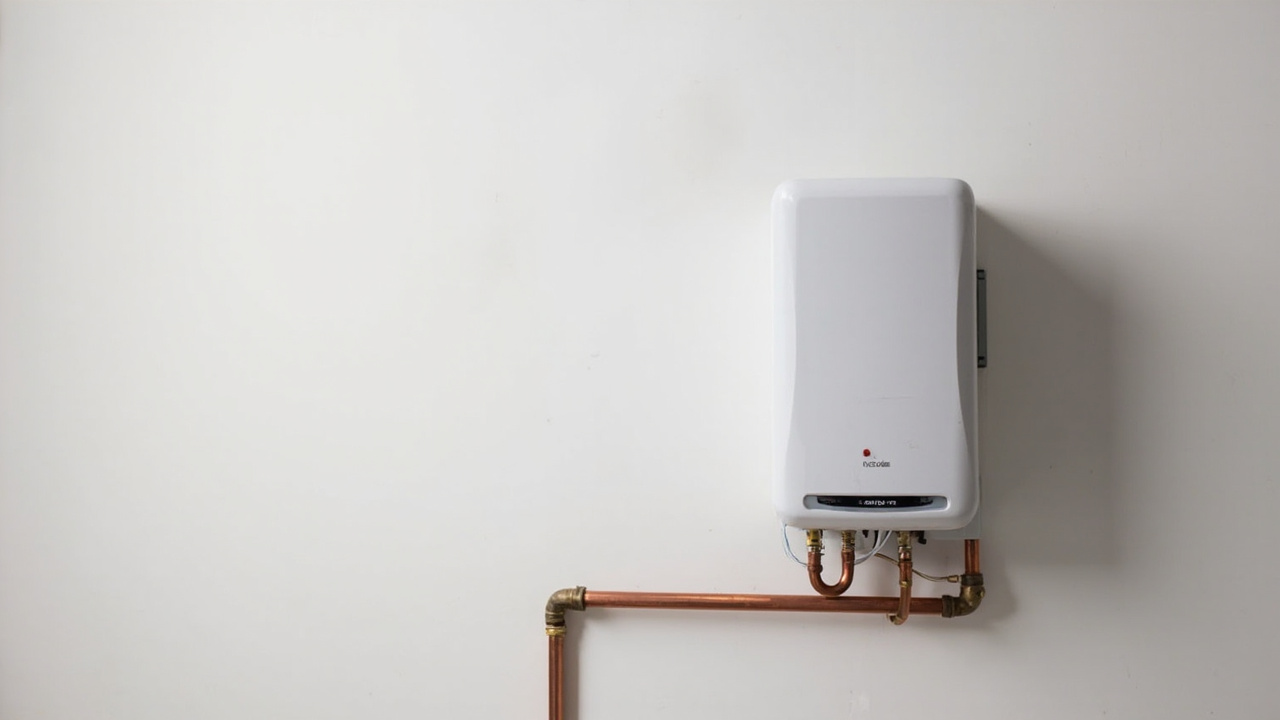
Why Your Northeast Minneapolis Home Needs a Tankless Water HeaterNortheast Minneapolis homeowners face unique challenges with aging infrastructure and compact…

Why Your Northeast Minneapolis Home Needs a Tankless Water Heater

Why Your Northeast Minneapolis Home Needs a Tankless Water HeaterNortheast Minneapolis homeowners face unique challenges with aging infrastructure and compact…

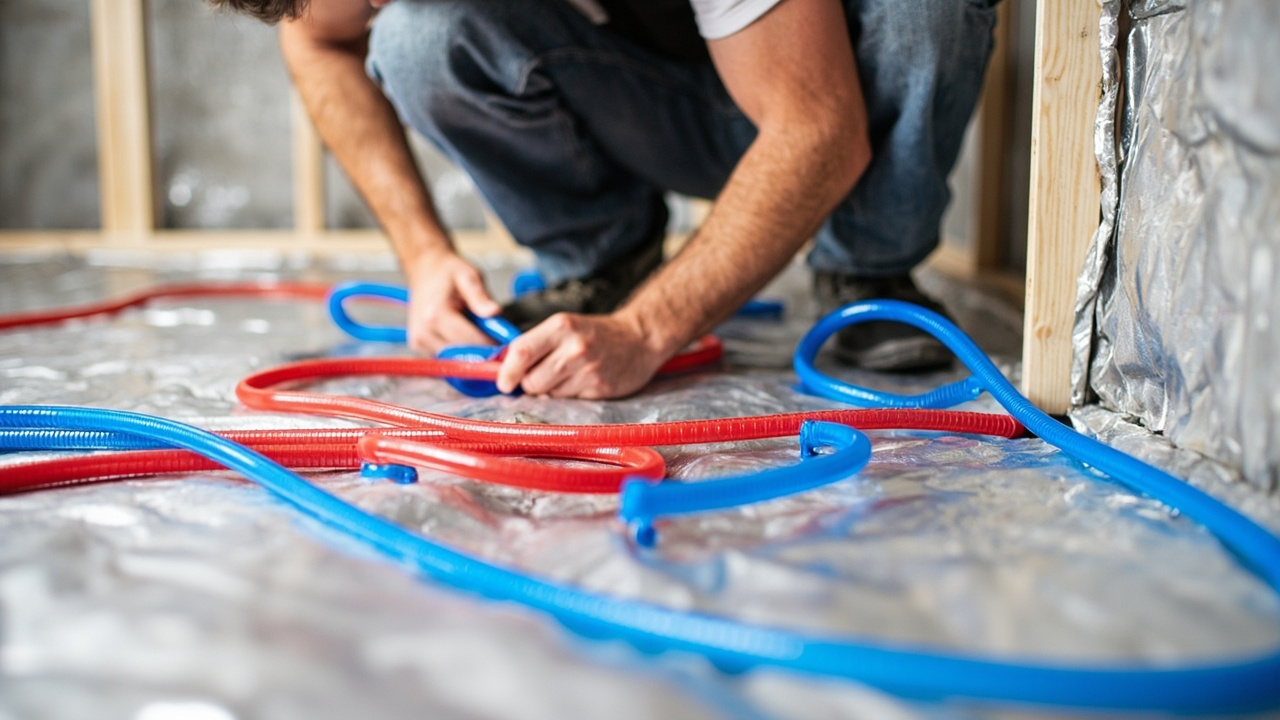
Choosing Radiant Floor Heating for Your Mendota Heights Remodel

High Performance Heating for Mendota Heights RenovationsMendota Heights homeowners face some of the most demanding winter conditions in the country.…

Eliminating Orange Stains From Your Laundry and Tubs in Minnetrista

How to Fix Orange Water Stains in Minnetrista Well Water Residents living near the western shores of Lake Minnetonka or…

Contact Us

Call Pioneer Plumbing Minneapolis at (651) 588-9979 to schedule your comprehensive home plumbing inspection. Stop wondering what's happening behind your walls and under your floors. Get clear answers and a practical action plan for protecting your home.