





St. Paul sits in a climate zone that punishes plumbing systems. Winter temperatures regularly drop below zero, freezing exposed pipes and causing expansion damage to water lines. Our freeze-thaw cycles stress sewer laterals and create cracks in aging clay pipes that were installed when neighborhoods like Macalester-Groveland and Merriam Park were first developed.
Many St. Paul homes were built between 1900 and 1950, meaning galvanized steel supply lines are corroding from the inside and cast iron drain stacks are deteriorating. The Mississippi River bluffs create unique water pressure challenges in different elevations across the city. Homes near Cherokee Park experience different pressure than those in the West Side Flats.
St. Paul Municipal Code requires specific backflow prevention devices and sump pump discharge regulations that differ from Minneapolis. Properties in flood zones near the Mississippi must meet additional requirements. Our clay soil expands when wet and contracts when dry, shifting foundation walls and stressing main water lines where they enter your home. These conditions create constant work for local plumbers who understand the region.
Pioneer Plumbing Minneapolis has been serving St. Paul residents through frozen pipe emergencies, main line replacements, and fixture installations for years. We understand that plumbing problems do not wait for business hours. A burst pipe at 2 AM in January is just as urgent as a backed-up sewer on Thanksgiving morning.
Our plumbing contractors know St. Paul's infrastructure. We have opened walls in Victorian homes near Cathedral Hill, replaced main water lines in Dayton's Bluff bungalows, and installed new fixtures in Como Park ramblers. We understand which neighborhoods have cast iron stacks that need replacement, where galvanized supply lines are failing, and how to navigate the permit process with the city's Department of Safety and Inspections.
When you call Pioneer Plumbing Minneapolis, you reach a real person who can dispatch a professional plumber to your location fast. We stock our trucks with parts that fit the fixtures and pipe materials common in St. Paul homes. Our plumbing repair services include video camera inspection of sewer lines, hydrojetting for root-clogged drains, and trenchless pipe lining that saves your landscaping.
We do not subcontract our work. Every plumber who arrives at your door works directly for Pioneer Plumbing Minneapolis, follows our quality standards, and treats your home with respect. We provide upfront pricing before we start work and guarantee our repairs for your peace of mind.

Plumbing emergencies do not wait for morning. When a pipe bursts or your sewer backs up, every minute increases water damage and cleanup costs. We answer our phones around the clock and dispatch local plumbers to your St. Paul home fast. Our trucks carry the tools and parts needed to stop the problem and protect your property from further damage.

St. Paul enforces specific plumbing codes that differ from surrounding cities. We know the permit requirements, inspection protocols, and backflow prevention standards your project must meet. Our plumbing contractors pull the necessary permits and coordinate inspections so your work passes the first time. This saves you delays and ensures your insurance coverage stays valid.
Many St. Paul homes have sewer lines made of clay tile or cast iron that have deteriorated over decades. We use video camera inspection to see exactly what is happening inside your drain lines. This shows us root intrusion, pipe collapse, or joint separation without digging up your yard. You see the same footage we do, so you understand exactly what needs repair.
St. Paul has thousands of homes built before 1950 with unique plumbing challenges. We have worked in Victorian mansions, Craftsman bungalows, and post-war ramblers across every neighborhood. We know how to access pipes hidden behind plaster walls, replace outdated fixtures with period-appropriate upgrades, and retrofit modern plumbing into historic structures without destroying original architectural details.
Pioneer Plumbing Minneapolis provides comprehensive plumbing repair services for residential and commercial properties throughout St. Paul. Our professional plumbers handle everything from emergency drain clearing to complete repiping projects. We service single-family homes, apartment buildings, retail spaces, and office buildings across the city.
Our service range covers three main categories: emergency repairs when something breaks or clogs, planned upgrades and replacements for aging systems, and preventive maintenance to catch problems before they cause damage. Each category requires different expertise, tools, and response timelines. Emergency work means stopping active leaks and restoring function immediately. Planned projects involve permits, material selection, and coordinated installation. Preventive service includes inspection, testing, and minor adjustments that extend the life of your plumbing system.
These plumbing companies understand that different situations require different approaches. A burst pipe needs a fast response with minimal diagnostic time. A kitchen remodel needs careful planning and coordination with other trades. Annual drain maintenance needs scheduling during low-use periods. We structure our services to match the urgency and scope of what you need, whether that is a 2 AM emergency call or a scheduled fixture upgrade next month.
When your plumbing fails without warning, you need immediate help. Our emergency plumbing contractors respond 24/7 to burst pipes, backed-up sewers, failed water heaters, and major leaks. We arrive with fully stocked trucks ready to stop the damage, extract water if needed, and restore function to your plumbing system. Our goal is damage control first, then permanent repair. We work directly with your insurance company if your emergency qualifies as a covered claim, providing documentation and photos for your adjuster.
Aging plumbing systems eventually need complete replacement. We handle whole-house repiping to remove galvanized steel or polybutylene pipes, sewer line replacement using trenchless or traditional excavation methods, and water heater upgrades to tankless or high-efficiency models. These projects require permits from the city and coordination with your schedule. We create a detailed plan, pull all necessary permits, and complete the work with minimal disruption to your daily routine. All installations meet current St. Paul building codes and pass inspection the first time.
Remodeling your kitchen or bathroom requires relocating supply lines, installing new drain connections, and upgrading fixtures. Our plumbing repair services include all rough-in work for new layouts, installation of sinks, faucets, toilets, showers, and tubs, and final connection of appliances like dishwashers and garbage disposals. We work with your contractor or handle the complete plumbing scope ourselves. We ensure all fixture installations meet manufacturer specifications for proper function and warranty coverage, and we test everything before we consider the job complete.
St. Paul's combination of old housing stock, harsh winters, and mature trees creates predictable plumbing challenges. Professional plumbers in this area see the same issues repeatedly across different neighborhoods. Frozen pipes occur every winter when temperatures drop below zero for extended periods. Sewer backups happen when tree roots infiltrate aging clay tile lines. Water pressure problems develop as galvanized pipes corrode and restrict flow.
Many of these issues are preventable with regular maintenance and timely upgrades. Some require immediate emergency response to prevent property damage. Understanding what causes these problems helps you recognize warning signs before a minor issue becomes a major emergency. Local plumbers who work in St. Paul daily develop pattern recognition for these regional challenges and can often predict when a system is approaching failure based on age, material, and symptoms.
Minnesota winters freeze any water line that lacks proper insulation or heat. Pipes in exterior walls, unheated crawl spaces, and attached garages are most vulnerable. When water freezes, it expands and cracks the pipe. You might not know you have damage until temperatures rise and the ice melts, causing flooding. We provide emergency pipe repair and preventive insulation services to protect vulnerable lines before the next cold snap hits.
St. Paul's mature elm, oak, and maple trees send roots searching for water and nutrients. Sewer lines provide both. Clay tile pipes installed decades ago have joints where roots can penetrate. Once inside, roots grow into dense masses that catch waste and cause backups. Video camera inspection shows us exactly where roots have invaded, and hydrojetting clears them out. Severe damage requires pipe lining or replacement to prevent recurring clogs.
Homes built before 1960 often have galvanized steel water supply pipes. These pipes corrode from the inside over decades, reducing water pressure and discoloring your water with rust. You might notice weak flow from faucets, especially on upper floors, or brown water when you first turn on a tap. The only permanent solution is complete repiping with copper or PEX. We can replace your entire system section by section to minimize disruption.
Spring thaw and heavy rains overwhelm sump pumps that have not been maintained or are undersized for the water volume. A failed sump pump floods your basement fast. We install battery backup systems that keep your pump running during power outages, upgrade undersized pumps to handle higher volumes, and add secondary pumps for redundancy. St. Paul code requires proper discharge away from your foundation, and we ensure your system meets all regulations.
When you contact Pioneer Plumbing Minneapolis, you reach a real person who listens to your problem and asks the right questions to understand what you need. We do not rush you off the phone or send someone without understanding the situation. For emergencies, we dispatch a plumber to your St. Paul location immediately. For scheduled work, we find a time that works with your schedule.
Our plumbing contractors arrive in marked vehicles with all necessary tools and common parts already on the truck. We protect your floors with shoe covers and drop cloths. Before we start any work, we explain what we found, what needs to happen, and what it will cost. You make the decision whether to proceed. We do not pressure you or start work without your approval.
After we complete the repair or installation, we test everything to confirm proper function. We clean up our work area and remove all debris. We explain what we did and answer any questions you have about maintaining your plumbing system. You receive a detailed invoice and warranty information for the work we performed. If you have any issues after we leave, you can call us back and we will make it right.
We answer our phone and respond to messages promptly. When you describe your plumbing problem, we ask questions to understand the symptoms and urgency. For emergencies, we tell you how soon a plumber can arrive. For scheduled work, we provide a realistic time window and confirm the appointment. When our plumber arrives, they introduce themselves, assess the situation, and explain what they found in plain language. You receive a written estimate before any work begins. No surprises, no hidden fees.
Our plumbing contractors treat your home like their own. They wear shoe covers, lay down protective coverings, and keep their work area contained. They ask before moving furniture or accessing areas of your home. If they need to cut into walls or ceilings, they make precise openings and discuss patching options with you. They do not leave a mess behind. When the work is done, they vacuum or sweep the area and remove all packaging and old parts unless you want to keep them for your records.
We guarantee our workmanship and stand behind the parts we install. If something does not function as promised, we come back and make it right at no additional charge. We provide warranty information for all fixtures and equipment we install, and we help you register products when required. You can call us with questions weeks or months after the job is complete. We keep detailed records of all work performed, so any plumber from our company can reference what was done if you need future service.
We keep our process simple because plumbing problems are stressful enough. You should not need to navigate a complicated system to get help.
Call (651) 588-9979 or reach out through our website. Describe what is happening with your plumbing system. We ask questions to understand the urgency and what you are experiencing. For emergencies, we dispatch a plumber immediately. For scheduled service, we find a time that works for you. You receive confirmation with the plumber's name and expected arrival window. We call or text when the plumber is on the way so you know exactly when to expect them.
Our plumber arrives, introduces themselves, and assesses your plumbing problem. They use diagnostic tools like video cameras or pressure gauges when needed. They explain what they found, what caused the problem, and what options you have for repair or replacement. You receive a written estimate with clear pricing before any work begins. If additional problems appear once we open walls or access hidden pipes, we stop and discuss options before proceeding. You stay in control of all decisions.
Once you approve the work, our plumber completes the repair or installation efficiently. They test everything to confirm proper function and check for leaks. They clean the work area and show you what they did. You receive a detailed invoice, warranty information, and maintenance recommendations. We answer all your questions and make sure you are satisfied before we leave. If you need anything after we are gone, call us and we will come back to address any concerns.
Minnesota follows the Minnesota State Plumbing Code, which is based on the International Plumbing Code with state-specific amendments. St. Paul enforces these standards through the Department of Safety and Inspections, which requires permits for most plumbing work beyond simple fixture replacement. Professional plumbers must be licensed by the state and maintain continuing education to stay current with code changes.
The freeze line in St. Paul sits at 60 inches below grade, meaning all water and sewer lines must be buried below this depth to prevent freezing. Interior plumbing in exterior walls requires insulation and heat trace cable in vulnerable areas. Backflow prevention devices are mandatory on irrigation systems, commercial kitchens, and properties with certain chemical or medical equipment. These devices must be tested annually by certified testers.
Sewer laterals connecting your home to the city main are the property owner's responsibility. St. Paul requires that all sewer laterals be inspected and certified during property transfers. Homes with failing clay tile or Orangeburg sewer pipes must be replaced before sale can close. This protects new buyers from inheriting expensive sewer problems.
Water heater installation requires proper venting, earthquake strapping in some situations, expansion tanks to protect against thermal expansion, and drain pans with emergency shutoff capability. Tankless water heaters need specific gas line sizing and combustion air requirements that differ from traditional tank models. Permit inspections verify all safety requirements are met before the installation is approved. Local plumbers who work in St. Paul daily know these requirements and plan for them from the start, avoiding delays and ensuring code compliance.
St. Paul requires permits for water heater replacement, repiping projects, new fixture installations that change drain locations, and all sewer line work. Simple repairs like fixing leaks or clearing drains do not need permits. The permit process includes plan submission, fee payment, work completion, and final inspection. Professional plumbers handle this entire process, schedule inspections, and address any corrections needed. Work done without proper permits can complicate insurance claims and create problems when you sell your property.
Plumbing costs depend on material selection, accessibility, permit fees, and project complexity. Copper piping costs more than PEX but lasts longer. Work in finished spaces requires wall repair after pipes are accessed. Emergency service costs more than scheduled work due to immediate response and after-hours labor. Older homes often reveal additional problems once walls are opened, requiring decisions about how much to address while access is available. Transparent plumbing contractors explain these variables upfront so you can make informed decisions about your project scope and timing.
Emergency repairs happen the same day or within hours depending on parts availability. Water heater replacement takes 4-6 hours including permit and inspection. Whole-house repiping requires 3-5 days depending on home size and whether walls need opening. Sewer line replacement takes 1-3 days for traditional excavation or 1 day for trenchless methods. Kitchen remodel plumbing takes 2-3 days for rough-in and another day for fixture installation after countertops are placed. These timelines assume permits are approved and inspections scheduled properly, which experienced plumbing contractors manage efficiently.
Minnesota requires all plumbers to be licensed through the state Department of Labor and Industry. Master plumbers have the highest qualification and can supervise journeyman plumbers and apprentices. Licensed plumbing contractors must carry liability insurance and workers compensation coverage to protect property owners from financial risk if accidents occur. Before hiring any plumber, verify their license is current and their insurance is active. Unlicensed plumbers cannot pull permits, and work done by unlicensed contractors is not insurable or warrantable. This creates massive risk for property owners.
This video covers common plumbing problems in St. Paul, Minnesota, including frozen pipes, sewer line root intrusion, corroded galvanized supply lines, and sump pump failures. Pioneer Plumbing Minneapolis explains how local climate and aging infrastructure create these challenges and what property owners can do to prevent damage. Topics include emergency plumbing repair, repiping services, video camera sewer inspection, and St. Paul building code requirements for plumbing work.
Pioneer Plumbing Minneapolis serves every corner of St. Paul, from the historic mansions along Summit Avenue to the working-class bungalows of the West Side. We know the plumbing challenges specific to each neighborhood because we have worked in them repeatedly.
Downtown St. Paul and Lowertown have a mix of converted warehouses and modern high-rises with commercial-grade plumbing systems. These buildings often have complex water distribution networks, booster pumps, and shared sewer connections that require specialized knowledge. Cathedral Hill and Summit-University neighborhoods feature Victorian and Edwardian homes with original cast iron stacks and galvanized supply lines that need careful evaluation and strategic replacement. Many of these properties are on the National Register of Historic Places, requiring sensitivity to architectural preservation during plumbing upgrades.
Highland Park and Macalester-Groveland neighborhoods consist mainly of ramblers and Cape Cods built in the 1940s and 1950s. These homes have concrete slab foundations or shallow crawl spaces that complicate pipe access. Sewer lines in these areas often need replacement as the original clay tile has deteriorated after 70 years of service. Como Park and the North End have a mix of housing types from different eras, creating variety in the plumbing systems we encounter.
The West Side Flats near the Mississippi River face unique challenges due to elevation changes and flood zone regulations. Sump pump requirements are critical here, and backflow prevention is mandatory. Dayton's Bluff and the East Side have many homes built on hillsides with water pressure variations from street to street. We adjust our approach based on these geographical factors.
Payne-Phalen neighborhoods include both single-family homes and apartment buildings with shared plumbing infrastructure. We handle residential and commercial plumbing systems with equal expertise. Merriam Park, Union Park, and Snelling-Hamline areas have excellent tree cover, which means beautiful streets but also sewer lines filled with root intrusion that requires annual maintenance or eventual replacement.
Regardless of which St. Paul neighborhood you live in, Pioneer Plumbing Minneapolis has worked there before. We know the street layouts, the typical house construction methods from each building era, and the fastest routes to reach you during an emergency. This local knowledge makes us more efficient and more effective than plumbing companies based outside the area who do not understand St. Paul's unique character and infrastructure challenges.
Ask if they are licensed and insured in Minnesota. Request proof of current insurance coverage. Ask about their experience with St. Paul's older housing stock and cast iron drain systems. Get a detailed written estimate before work begins. Confirm they pull permits when required. Ask about their warranty on parts and labor. Request references from recent jobs in your neighborhood. Verify they handle emergency service if you need after-hours help. Ask about their payment terms and accepted methods. Confirm they clean up after completing the work.
St. Paul homes face leaking pipes from freeze-thaw cycles during harsh Minnesota winters. Sewer line backups occur from tree root intrusion, common with older neighborhoods and mature elms. Water heater failures happen after 10-12 years of hard water use. Corroded galvanized pipes in pre-1970s homes reduce water pressure. Frozen exterior hose bibs crack during cold snaps. Sump pump failures cause basement flooding during spring thaw and heavy rains. Running toilets waste water and spike bills. Clogged drains from hair, grease, and soap buildup are constant issues.
Home Depot offers basic plumbing installation services through third-party contractors. They handle simple jobs like water heater replacement, garbage disposal installation, and faucet swaps. For complex work like sewer line repairs, repiping, or emergency service in St. Paul, you need a dedicated local plumber. Home Depot contractors follow corporate pricing structures and may lack familiarity with St. Paul's older infrastructure and specific building codes. They do not offer 24/7 emergency response. For anything beyond basic fixture installation, hire a local licensed plumber who understands the area.
Ask if they are licensed and insured in Minnesota. Request proof of current insurance coverage. Ask about their experience with St. Paul's older housing stock and cast iron drain systems. Get a detailed written estimate before work begins. Confirm they pull permits when required. Ask about their warranty on parts and labor. Request references from recent jobs in your neighborhood. Verify they handle emergency service if you need after-hours help. Ask about their payment terms and accepted methods. Confirm they clean up after completing the work.
St. Paul homes face leaking pipes from freeze-thaw cycles during harsh Minnesota winters. Sewer line backups occur from tree root intrusion, common with older neighborhoods and mature elms. Water heater failures happen after 10-12 years of hard water use. Corroded galvanized pipes in pre-1970s homes reduce water pressure. Frozen exterior hose bibs crack during cold snaps. Sump pump failures cause basement flooding during spring thaw and heavy rains. Running toilets waste water and spike bills. Clogged drains from hair, grease, and soap buildup are constant issues.
Home Depot offers basic plumbing installation services through third-party contractors. They handle simple jobs like water heater replacement, garbage disposal installation, and faucet swaps. For complex work like sewer line repairs, repiping, or emergency service in St. Paul, you need a dedicated local plumber. Home Depot contractors follow corporate pricing structures and may lack familiarity with St. Paul's older infrastructure and specific building codes. They do not offer 24/7 emergency response. For anything beyond basic fixture installation, hire a local licensed plumber who understands the area.
Most St. Paul plumbers accept cash, checks, and credit cards. Many offer financing through third-party lenders like GreenSky or ServiceFinance for larger projects. Some provide payment plans for expensive repairs like sewer line replacement or water service upgrades. Homeowners insurance may cover sudden pipe bursts or water damage, but not gradual wear. For emergency repairs, ask about payment options before work begins. Some plumbers require a deposit for large jobs. Keep receipts for tax deductions if the work qualifies as a home improvement or energy efficiency upgrade.
St. Paul plumbers charge between $85 and $150 per hour, depending on experience and job complexity. Emergency or after-hours service costs more, often $150 to $250 per hour. Many charge a trip fee or service call minimum of $75 to $125, which may apply toward the total. Apprentice plumbers cost less than master plumbers. Complex work like sewer line inspection or hydro jetting commands higher rates. Always get a written estimate before work begins. Flat-rate pricing is common for standard jobs like water heater installation or fixture replacement.
Get three written estimates from licensed St. Paul plumbers. Compare the scope of work, not just the price. Ask for a breakdown of parts and labor costs. Verify they are licensed through the Minnesota Department of Labor and Industry. Check online reviews and Better Business Bureau ratings. Avoid plumbers who pressure you to decide immediately or demand large upfront payments. Request proof of insurance before work starts. Ask questions about the repair process and materials used. Trust your instincts if something feels wrong. Legitimate plumbers explain the work clearly and answer questions patiently.
The 135 rule refers to proper drain, waste, and vent pipe sizing and angle in plumbing systems. Horizontal drain pipes should slope at one-quarter inch per foot to ensure proper drainage without clogging. The rule helps prevent standing water in drain lines that causes clogs and sewer gas buildup. St. Paul's older homes may have incorrect slopes from settling foundations or amateur repairs. Proper slope matters for basement floor drains and main sewer lines. Licensed plumbers use levels and grade tools to verify correct pitch during installation and repairs.
Compare the estimate to other quotes from licensed St. Paul plumbers. Research typical costs for your specific repair online. Question vague line items like miscellaneous fees or excessive markup on parts. Ask for itemized pricing that separates labor from materials. Red flags include pressure to upgrade unnecessary fixtures or add services you did not request. Verify the plumber is not billing for more hours than spent on-site. Check if parts prices match retail costs at local suppliers. Request explanations for any charges you do not understand before authorizing payment.
Water heaters fail most often in St. Paul homes, usually after 10-15 years. Sediment from hard water accumulates in the tank, causing corrosion and leaks. Anode rods deteriorate and stop protecting the tank lining. Heating elements burn out. Temperature and pressure relief valves fail. Wax rings on toilets also fail frequently, causing leaks at the base. In older St. Paul homes, galvanized supply pipes corrode from the inside out, restricting water flow. Faucet washers and cartridges wear out from constant use. Regular maintenance extends life but does not prevent eventual failure.
Start with recommendations from neighbors in your St. Paul area who recently had plumbing work done. Verify the plumber holds a valid Minnesota license through the state website. Check reviews on Google, Yelp, and the Better Business Bureau. Confirm they carry liability insurance and workers compensation coverage. Ask about their experience with your specific issue, especially in older homes common throughout St. Paul. Get written estimates from three plumbers. Choose based on qualifications, communication, and fair pricing, not just the lowest bid. Trust plumbers who explain problems clearly and answer questions thoroughly.
Most St. Paul plumbers accept cash, checks, and credit cards. Many offer financing through third-party lenders like GreenSky or ServiceFinance for larger projects. Some provide payment plans for expensive repairs like sewer line replacement or water service upgrades. Homeowners insurance may cover sudden pipe bursts or water damage, but not gradual wear. For emergency repairs, ask about payment options before work begins. Some plumbers require a deposit for large jobs. Keep receipts for tax deductions if the work qualifies as a home improvement or energy efficiency upgrade.
St. Paul plumbers charge between $85 and $150 per hour, depending on experience and job complexity. Emergency or after-hours service costs more, often $150 to $250 per hour. Many charge a trip fee or service call minimum of $75 to $125, which may apply toward the total. Apprentice plumbers cost less than master plumbers. Complex work like sewer line inspection or hydro jetting commands higher rates. Always get a written estimate before work begins. Flat-rate pricing is common for standard jobs like water heater installation or fixture replacement.
Get three written estimates from licensed St. Paul plumbers. Compare the scope of work, not just the price. Ask for a breakdown of parts and labor costs. Verify they are licensed through the Minnesota Department of Labor and Industry. Check online reviews and Better Business Bureau ratings. Avoid plumbers who pressure you to decide immediately or demand large upfront payments. Request proof of insurance before work starts. Ask questions about the repair process and materials used. Trust your instincts if something feels wrong. Legitimate plumbers explain the work clearly and answer questions patiently.
The 135 rule refers to proper drain, waste, and vent pipe sizing and angle in plumbing systems. Horizontal drain pipes should slope at one-quarter inch per foot to ensure proper drainage without clogging. The rule helps prevent standing water in drain lines that causes clogs and sewer gas buildup. St. Paul's older homes may have incorrect slopes from settling foundations or amateur repairs. Proper slope matters for basement floor drains and main sewer lines. Licensed plumbers use levels and grade tools to verify correct pitch during installation and repairs.
Compare the estimate to other quotes from licensed St. Paul plumbers. Research typical costs for your specific repair online. Question vague line items like miscellaneous fees or excessive markup on parts. Ask for itemized pricing that separates labor from materials. Red flags include pressure to upgrade unnecessary fixtures or add services you did not request. Verify the plumber is not billing for more hours than spent on-site. Check if parts prices match retail costs at local suppliers. Request explanations for any charges you do not understand before authorizing payment.
Water heaters fail most often in St. Paul homes, usually after 10-15 years. Sediment from hard water accumulates in the tank, causing corrosion and leaks. Anode rods deteriorate and stop protecting the tank lining. Heating elements burn out. Temperature and pressure relief valves fail. Wax rings on toilets also fail frequently, causing leaks at the base. In older St. Paul homes, galvanized supply pipes corrode from the inside out, restricting water flow. Faucet washers and cartridges wear out from constant use. Regular maintenance extends life but does not prevent eventual failure.
Start with recommendations from neighbors in your St. Paul area who recently had plumbing work done. Verify the plumber holds a valid Minnesota license through the state website. Check reviews on Google, Yelp, and the Better Business Bureau. Confirm they carry liability insurance and workers compensation coverage. Ask about their experience with your specific issue, especially in older homes common throughout St. Paul. Get written estimates from three plumbers. Choose based on qualifications, communication, and fair pricing, not just the lowest bid. Trust plumbers who explain problems clearly and answer questions thoroughly.
Discover the convenient location of Pioneer Plumbing and explore our extensive service area. We are proudly situated to serve the entire Minneapolis region and surrounding communities, ensuring our expert plumbing solutions are always within reach. Feel free to visit our office or use the map below to pinpoint our location for in-person inquiries or simply to confirm our proximity for your next plumbing need. We're always ready to connect!
Address:
St. Paul, MN, 55130
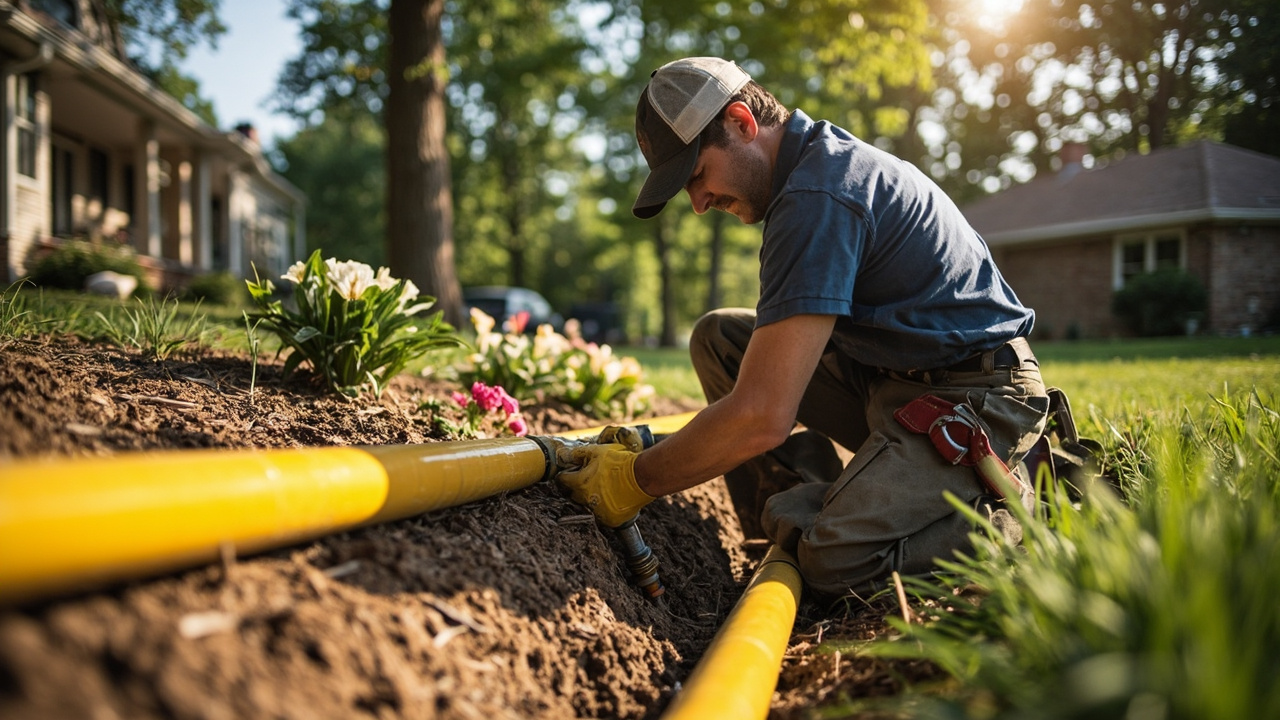
Minnetonka homeowners are leading the trend in luxury outdoor living this year. As the 2026 summer season approaches, residents from the Oak Knoll neighborhood to the shores of Lake Minnetonka are expanding their cooking spaces.…
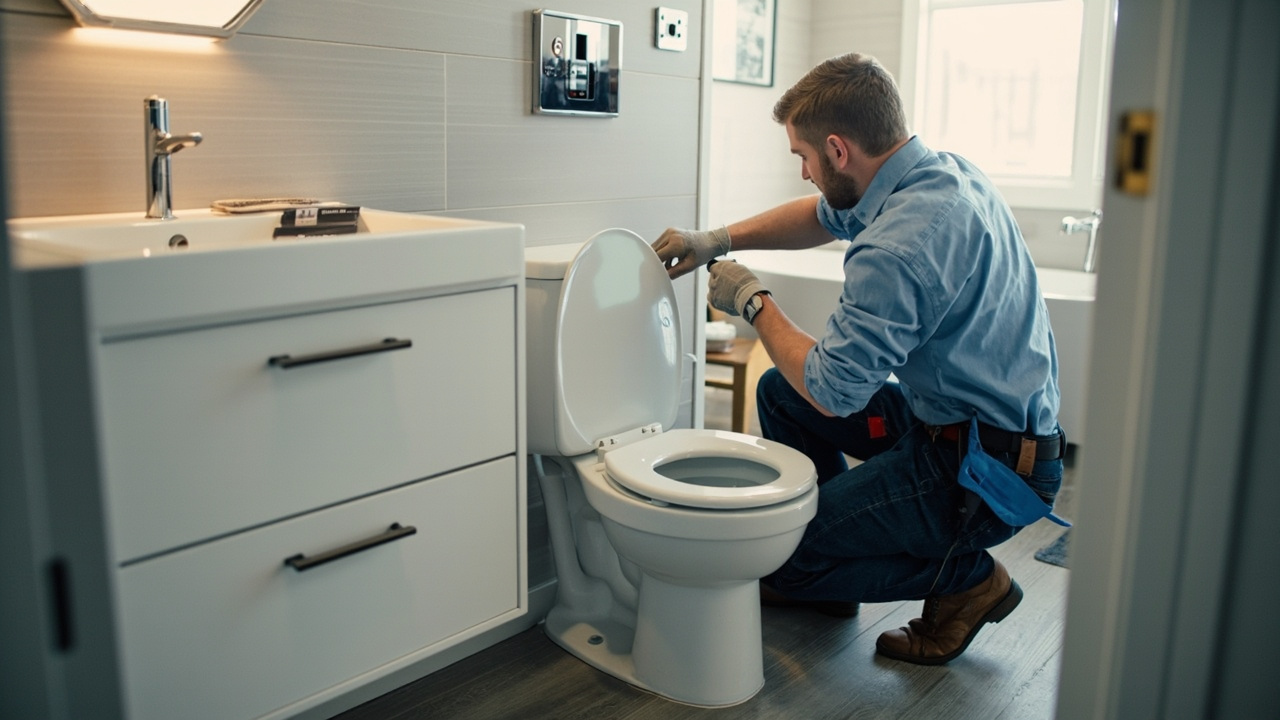
When your toilet starts acting up, it disrupts your whole household. Residents in Richfield often…
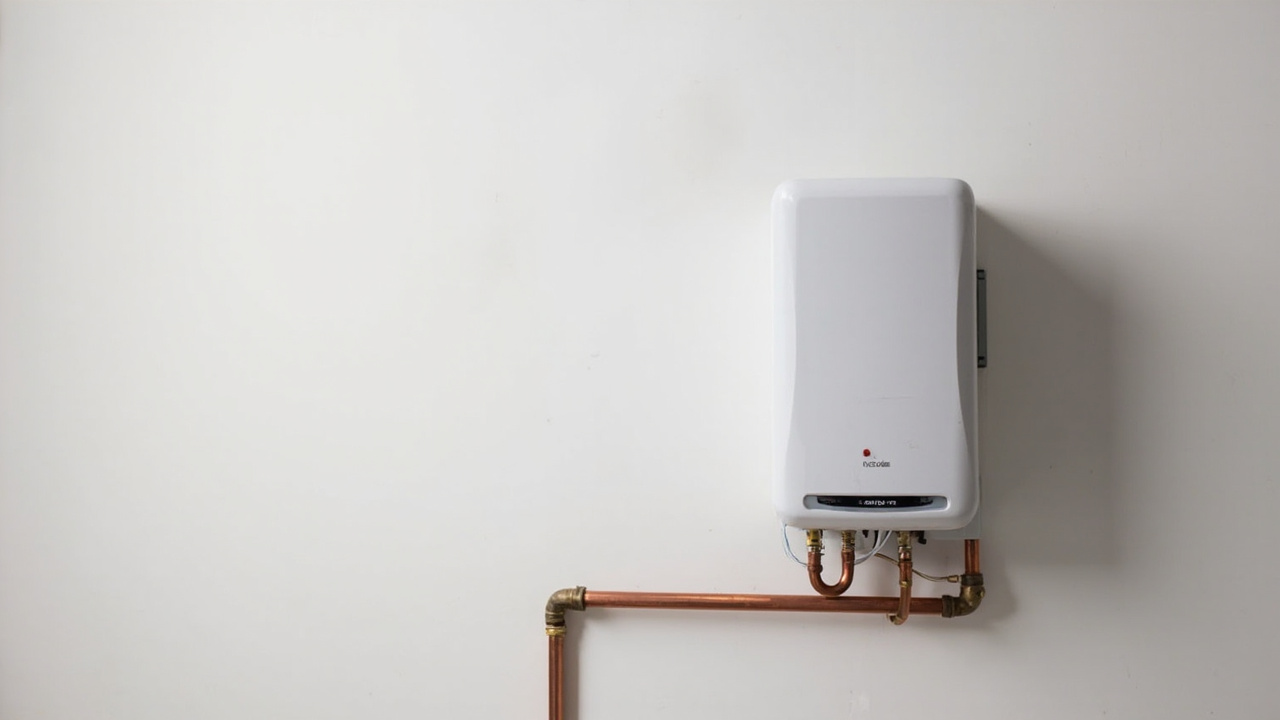
Why Your Northeast Minneapolis Home Needs a Tankless Water HeaterNortheast Minneapolis homeowners face unique challenges…
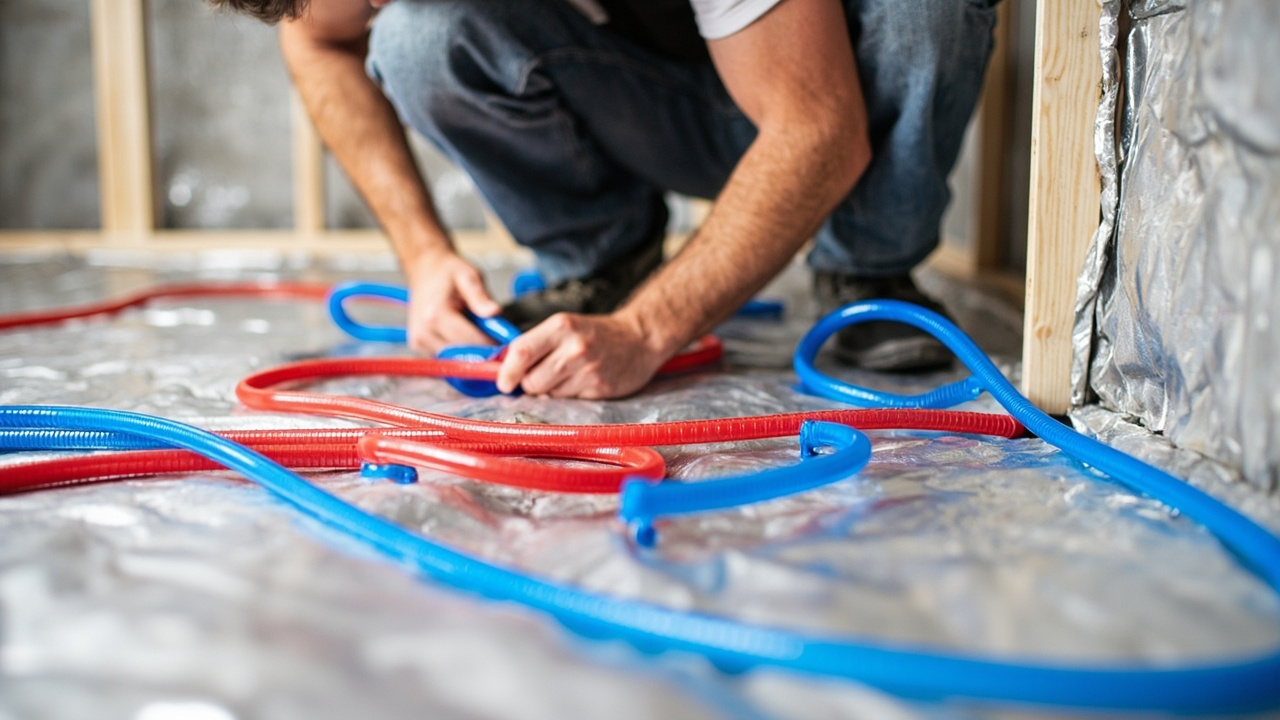
High Performance Heating for Mendota Heights RenovationsMendota Heights homeowners face some of the most demanding…
Do not let plumbing problems damage your property or disrupt your life. Call (651) 588-9979 right now for emergency service or to schedule an appointment. Our professional plumbers are ready to solve your plumbing problems with expert service you can trust.