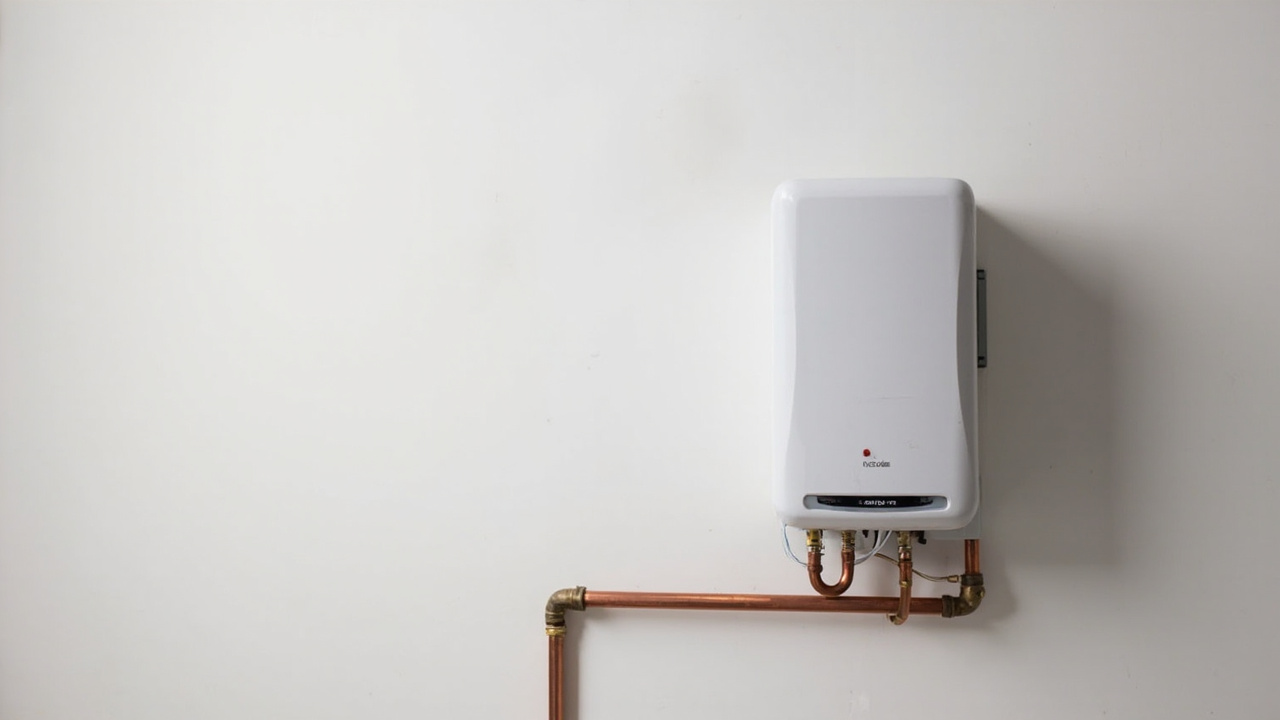







Minneapolis water averages 8 to 12 grains per gallon of hardness, which accelerates scale formation on commercial water heater heat exchangers and reduces thermal efficiency by 20 to 30 percent. The city's extreme temperature swings, from subzero winter cold to summer heat, create constant thermal expansion and contraction that stresses tank welds and degrades gaskets in commercial hot water systems. Facilities near the Mississippi River corridor also experience higher humidity levels that accelerate corrosion on external components. Industrial water heaters installed without proper water treatment and climate-appropriate specifications fail prematurely, often within five to seven years instead of the expected 10 to 15 year lifespan.
Minneapolis mechanical code enforces specific requirements for commercial water heater installations, including minimum clearances, seismic restraints, and combustion air supply standards. Local inspectors also scrutinize backflow prevention, thermal expansion control, and energy code compliance during permit inspections. Contractors unfamiliar with Minneapolis code requirements delay projects with failed inspections and costly rework. Pioneer Plumbing Minneapolis works regularly with city inspectors and understands the specific documentation, testing, and installation details they require. Our experience with Minneapolis's building stock, from historic Warehouse District conversions to modern downtown high-rises, means we anticipate site-specific challenges before they cause delays.