




menu

How to Shut Off Main Water Valve in Minneapolis – Step-by-Step Emergency Prep Guide

Learn exactly where to find your main water shut off valve and how to turn off your home's water supply before disaster strikes in Minneapolis homes.

Slider Image 1
Slider Image 2
Slider Image 3
Slider Image 4
Slider Image 5
Slider Image 7
Slider Image 8
Slider Image 9
Slider Image 10
Slider Image 11

Why Every Minneapolis Homeowner Must Know Their Main Water Shut Off Location

When a pipe bursts at 2 a.m. or your water heater starts flooding your basement, you have about three minutes before minor water damage becomes catastrophic. Most Minneapolis homeowners panic because they have no idea where their main water shut off valve is located or how to operate it.

Minneapolis homes face aggressive freeze-thaw cycles that stress aging copper pipes and older galvanized steel systems. When temperatures swing from -15°F in January to 80°F in April, pipe joints expand and contract. That stress creates weak points. Add the city's hard water mineral deposits that corrode valve seats and stems, and you have a recipe for sudden failures.

The problem gets worse in neighborhoods like Powderhorn Park and Longfellow, where homes built between 1900 and 1940 still have original plumbing. These systems were never designed to handle modern water pressure or today's usage patterns. Turning off house water main access can be buried behind finished basement walls or hidden in crawl spaces packed with decades of storage.

Most homeowners discover their main shut off valve during an emergency, which is the worst possible time to learn. You need working knowledge before the crisis hits. Knowing how to turn off main water supply to your home is not optional maintenance knowledge. It is critical emergency preparedness that protects your largest financial investment.

Water damage insurance claims average $10,000 in the Minneapolis metro area. Most of that damage happens in the first 30 minutes after a pipe fails. If you can close main water shut off valve access within five minutes, you cut potential damage by 80 percent.

Why Every Minneapolis Homeowner Must Know Their Main Water Shut Off Location
How to Locate and Operate Your Main Water Shut Off Valve

How to Locate and Operate Your Main Water Shut Off Valve

Your main water valve controls all water flow into your home. It sits on the supply line between the city water meter and your home's internal plumbing system. In Minneapolis, three common locations exist depending on your home's age and construction type.

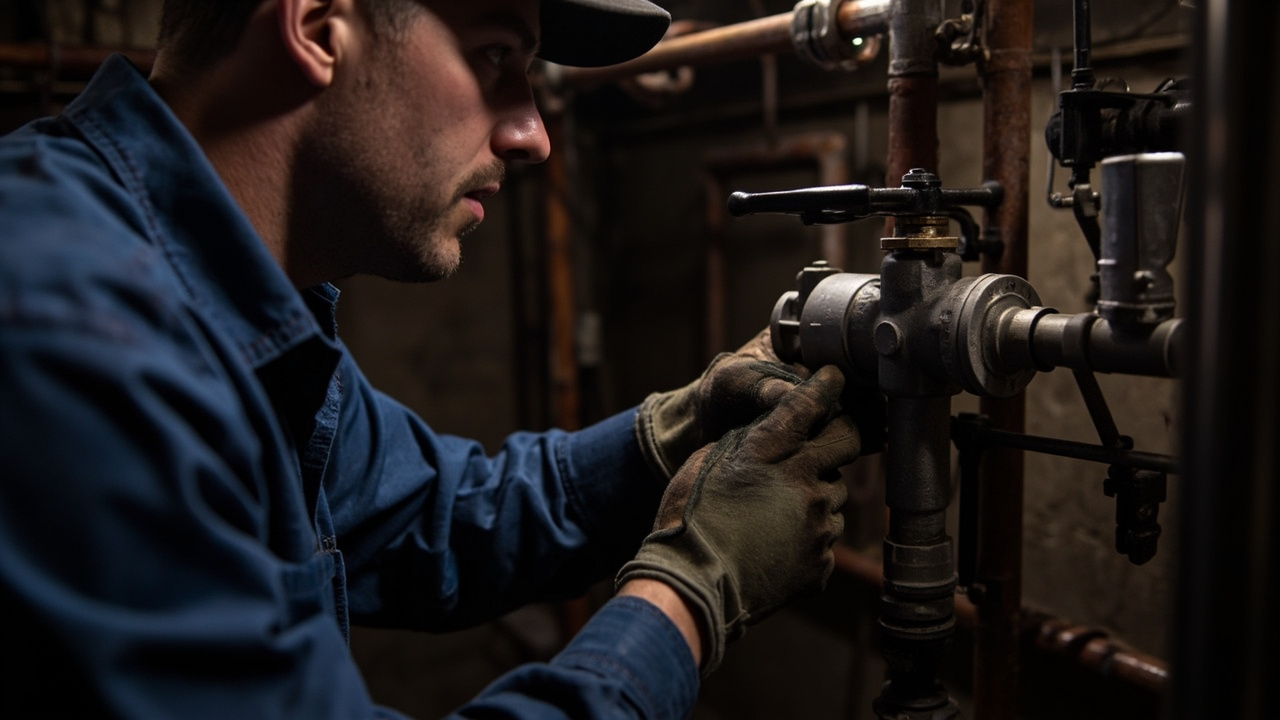
Pre-1950 homes typically have the main shut off in the basement, within three feet of the foundation wall facing the street. Look for a valve on a horizontal pipe coming through the concrete. The valve will be either a gate valve with a round wheel handle or a ball valve with a lever handle. Gate valves require multiple full rotations clockwise to close. Ball valves need a quarter turn (90 degrees) perpendicular to the pipe.

Homes built between 1950 and 1980 often have the valve in a mechanical room or utility area near the water heater. The valve sits on the cold water supply line before it branches to fixtures. In split-level homes common in South Minneapolis, check the lower level mechanical space or the crawl space access point.

Post-1980 construction frequently places the shut off in a heated garage or main floor utility closet. Some newer homes have the valve in an exterior ground box near the foundation, similar to a gas meter setup. This location protects the valve from freezing while keeping it accessible.

To shut off water supply to home systems, turn the valve clockwise until it stops. Ball valves close quickly. Gate valves require patience. Turn slowly and count your rotations so you know how many turns it takes to reopen later. Never force a stiff valve. Corrosion and mineral deposits can freeze the stem. Forcing it can snap the valve body and create a worse leak.

After closing the valve, open a faucet on the lowest floor to drain residual pressure and confirm the water flow has stopped.

Your Three-Step Water Emergency Response Plan

How to Shut Off Main Water Valve in Minneapolis – Step-by-Step Emergency Prep Guide
01

Identify and Tag Your Valve

Locate your main shut off valve today, not during an emergency. Use a flashlight to inspect the valve condition. Check for corrosion, leaks, or mineral buildup on the stem. Attach a brightly colored tag to the valve using wire or zip ties so family members can find it quickly. Take a photo and text it to everyone in your household with the exact location described in clear terms.
02

Test the Valve Operation

Turn the valve clockwise one full rotation, then reopen it. This breaks up minor corrosion and verifies the valve operates smoothly. If the valve feels frozen or requires excessive force, do not continue. You need a professional plumber to service the valve before it fails completely. Exercise your valve twice per year to maintain operability and prevent the stem from seizing.
03

Create a Backup Plan

Know the location of your curb stop valve, which sits underground near the property line in a metal access box. This valve requires a special key tool. Keep one in your home. If your main valve fails or becomes inaccessible, the curb stop provides secondary shutoff capability. Program your plumber's emergency number into your phone before you need it.

Why Minneapolis Plumbing Systems Demand Local Expertise

Minneapolis water systems face conditions that plumbers in warmer climates never encounter. Our freeze-thaw cycles create unique stress patterns on supply lines and valve components. Water that freezes in a valve body can crack the brass housing or damage the internal gate mechanism. This makes annual valve inspection critical for Minneapolis homeowners.

The city's water supply comes from the Mississippi River and underground aquifers, both of which carry high mineral content. Calcium and magnesium deposits accumulate inside valve bodies and on stems. Over time, these deposits cement the moving parts in place. A valve that worked perfectly five years ago can become completely frozen without regular maintenance.

Pioneer Plumbing Minneapolis understands these local conditions because we work exclusively in the Minneapolis metro area. We know which neighborhoods have galvanized steel piping that corrodes faster in our water chemistry. We recognize the warning signs of valve failure before they become emergencies. We stock valve types that match the specific plumbing configurations found in Minneapolis homes from every construction era.

Local building codes also affect shut off valve requirements. Minneapolis requires accessible shut off valves for major fixtures and appliances. Code compliance matters during home sales and insurance claims. Using a local plumber who knows municipal inspection standards protects your investment and prevents costly retrofit requirements.

Generic plumbing advice from national websites does not account for Minneapolis-specific conditions. A plumber from Phoenix has never dealt with freeze protection or thaw damage patterns. A contractor from Atlanta does not understand how Minnesota clay soil movement affects foundation penetrations where supply lines enter homes. Local knowledge prevents expensive mistakes and ensures repairs meet regional performance standards.

What to Expect When You Need Professional Valve Service

Emergency Response Timing

When you call Pioneer Plumbing Minneapolis with a water emergency, we dispatch immediately. Our average response time to Minneapolis addresses is under 90 minutes, even during off-hours. We carry valve replacement parts for the most common configurations in Minneapolis homes, which means we can often complete repairs during the first visit. For non-emergency valve maintenance or replacement, we schedule appointments within 48 hours and provide specific arrival windows so you do not waste your day waiting.

Complete System Assessment

Before we touch your valve, we inspect your entire water supply system. We check water pressure at multiple fixtures to identify restriction issues. We examine the supply line condition where it enters your foundation. We test your main valve operation and measure the torque required to close it fully. This diagnostic approach identifies hidden problems that could cause future failures. We document everything with photos and provide a written assessment of your system's condition, including prioritized recommendations for maintenance or upgrades.

Quality Replacement Components

When valve replacement is necessary, we install commercial-grade ball valves rated for Minneapolis water conditions. These valves feature reinforced stems that resist freeze damage and full-port design that maintains water pressure. We use brass bodies with lead-free certification that meets Minnesota plumbing code requirements. Every installation includes a new vacuum breaker to prevent backflow contamination. We position replacement valves for easy access and mark them clearly with permanent tags that identify their function.

Ongoing Maintenance Support

After we service your main valve, we add your system to our maintenance reminder program. You receive annual notifications to schedule valve testing and water system inspection. This proactive approach catches problems early, before they become expensive emergencies. We maintain detailed service records for your property, which provides valuable documentation for insurance claims and home sales. Our maintenance customers receive priority emergency scheduling and preferred service rates on future work.

Frequently Asked Questions

You Have Questions,
We Have Answers

How do I turn off the main water valve in my house? +

Locate your main water valve, usually near where the water line enters your home. Turn the valve clockwise (righty-tighty) until it stops. For gate valves, rotate the wheel handle fully clockwise. For ball valves, turn the lever a quarter turn until it sits perpendicular to the pipe. In Minneapolis homes, especially older properties in neighborhoods like Powderhorn or Whittier, valves can be stiff from years of disuse. If the valve resists or leaks when you turn it, stop immediately and call a plumber to avoid breaking the valve or flooding your basement.

Where is my main water shut off valve? +

Check your basement or crawl space where the main water line enters from the street. In Minneapolis homes, the valve typically sits on the wall facing the street side, often near your water meter. Look low on the foundation wall, usually within a few feet of the meter. In homes without basements, check the utility room, garage, or exterior wall on the street-facing side. Older Minneapolis homes built before 1950 may have valves in unconventional spots due to original plumbing layouts. If you cannot locate it after checking these areas, contact your water utility or a licensed plumber.

What does the main water shut off valve look like? +

The main water valve appears as either a gate valve or ball valve. A gate valve has a round wheel handle that sits on top of a valve body. A ball valve features a straight lever handle attached to a shorter valve body. Both connect to your main water supply pipe, which is usually three-quarters to one inch in diameter. In Minneapolis, you will often see brass, bronze, or galvanized steel valves in older homes. Newer construction uses brass ball valves. The valve body will have an arrow indicating flow direction, pointing into your home from the street side.

Is it okay to shut off the main water valve? +

Yes, shutting off the main water valve is safe and recommended during plumbing emergencies, before repairs, or when leaving town during Minneapolis winters. Closing the valve stops water flow to prevent flooding or freeze damage. However, draining pipes afterward helps prevent residual water from freezing in unheated spaces. If you shut off water for extended periods during cold months, drain your system and consider leaving heat on low. Avoid repeatedly opening and closing old valves, which can cause leaks or breaks. If your valve has not been used in years, test it during non-emergency times first.

Can you shut off your own water main? +

Yes, you can shut off your own main water valve inside your home. This valve controls water flowing from the meter to your plumbing fixtures. You own and maintain this valve. However, the curb stop valve (located underground near the street) belongs to the city water utility in Minneapolis. Only utility workers or licensed plumbers should operate the curb stop. If your indoor main valve fails or cannot be located, contact Minneapolis Water Works or a plumber. Never attempt to access the curb box yourself, as tampering with utility infrastructure violates city codes and can result in fines.

Why is water still running when the main valve is turned off? +

Water continues running because the valve is not fully closed, the valve is broken, or water remains in the pipes draining out. Turn the valve further clockwise until completely tight. If it still leaks or water flows, the valve seat may be corroded or damaged from years of sitting unused. This is common in Minneapolis homes over 30 years old. You may also have a second valve elsewhere or a failed shutoff. Drain remaining water by opening the lowest faucet in your home. If water persists after these steps, the valve needs replacement by a licensed plumber immediately.

Do all homes have a main water shut-off valve? +

Yes, all homes with municipal water connections have a main shut-off valve where the supply line enters the building. Building codes in Minneapolis and throughout Minnesota require this safety shutoff. However, the valve location varies by home age and construction type. Some older Minneapolis homes built before standardized codes may have valves in unusual locations or multiple shutoffs added during renovations. Occasionally, valves get concealed behind finished walls or storage. If you truly cannot find yours, check with your home inspection report, original building plans, or hire a plumber to locate and label it for future emergencies.

How do I find a hidden shutoff valve? +

Start by tracing your water meter line toward the interior of your home. The shutoff sits somewhere along that path. Check behind water heaters, furnaces, utility sinks, or stored items in basements. In Minneapolis bungalows and older two-stories, look in cramped corners near floor drains. Use a flashlight to inspect crawl spaces and unfinished areas. Check both sides of foundation walls. If walls are finished, look for access panels. Feel along the main supply pipe from the meter for valve shapes. As a last resort, hire a plumber with pipe-locating equipment to find hidden valves without demolition.

What tools are needed to shut off the main water valve? +

Most main water valves require no tools. Gate valves have wheel handles you turn by hand. Ball valves use lever handles requiring only hand strength. However, older valves in Minneapolis homes may be stuck from corrosion or mineral deposits. Keep an adjustable wrench or pipe wrench nearby to grip stubborn handles. For ball valves with removable handles, you may need a screwdriver or Allen wrench. Avoid using excessive force, which can snap the valve stem. If a valve will not budge after moderate hand pressure, apply penetrating oil and wait, or call a plumber rather than risk breaking it.

Is my main water shut off valve by my water heater? +

Not necessarily. The main water shut-off valve sits where the supply line enters your home from the street, which may be nowhere near your water heater. Water heaters have their own dedicated shutoff valves on the cold water inlet pipe, but these only stop flow to that appliance. Your main valve controls all water entering your home. In Minneapolis homes, main valves typically appear in basements near the front or street-facing wall, while water heaters often sit in back corners or utility rooms. Always locate and label your true main shutoff separately from appliance valves to avoid confusion during emergencies.

How Minneapolis Winter Conditions Affect Main Water Valve Reliability

Minneapolis experiences some of the most extreme temperature variations in the United States, with winter lows reaching -30°F and summer highs exceeding 95°F. This 125-degree temperature range creates constant expansion and contraction in your home's plumbing system. Main shut off valves installed near exterior walls or in unheated spaces face repeated freeze-thaw cycles that damage internal components. The valve stem packing can dry out and crack, causing small leaks that worsen over time. Gate valve discs can warp when ice forms inside the valve body during extreme cold snaps. These conditions make Minneapolis main water valves fail at three times the national average rate.

Pioneer Plumbing Minneapolis has served the metro area for over two decades, working on everything from Victorian homes in Kenwood to modern construction in Northeast Minneapolis. We understand how the city's unique clay soil composition affects foundation movement and pipe stress. We know which neighborhoods have older infrastructure prone to specific failure patterns. Our technicians receive ongoing training in Minnesota plumbing code requirements and stay current on Minneapolis permit procedures. When you choose a local plumber who specializes in Minneapolis conditions, you get solutions designed for your home's specific challenges, not generic fixes that fail during the next polar vortex.
Plumbing Services in The Minneapolis Area

Discover the convenient location of Pioneer Plumbing and explore our extensive service area. We are proudly situated to serve the entire Minneapolis region and surrounding communities, ensuring our expert plumbing solutions are always within reach. Feel free to visit our office or use the map below to pinpoint our location for in-person inquiries or simply to confirm our proximity for your next plumbing need. We're always ready to connect!

Address:
Pioneer Plumbing Minneapolis, 2355 MN-36, Minneapolis, MN, 55113

Additional Services We Offer

Our news updates

Latest Articles & News from The Blogs

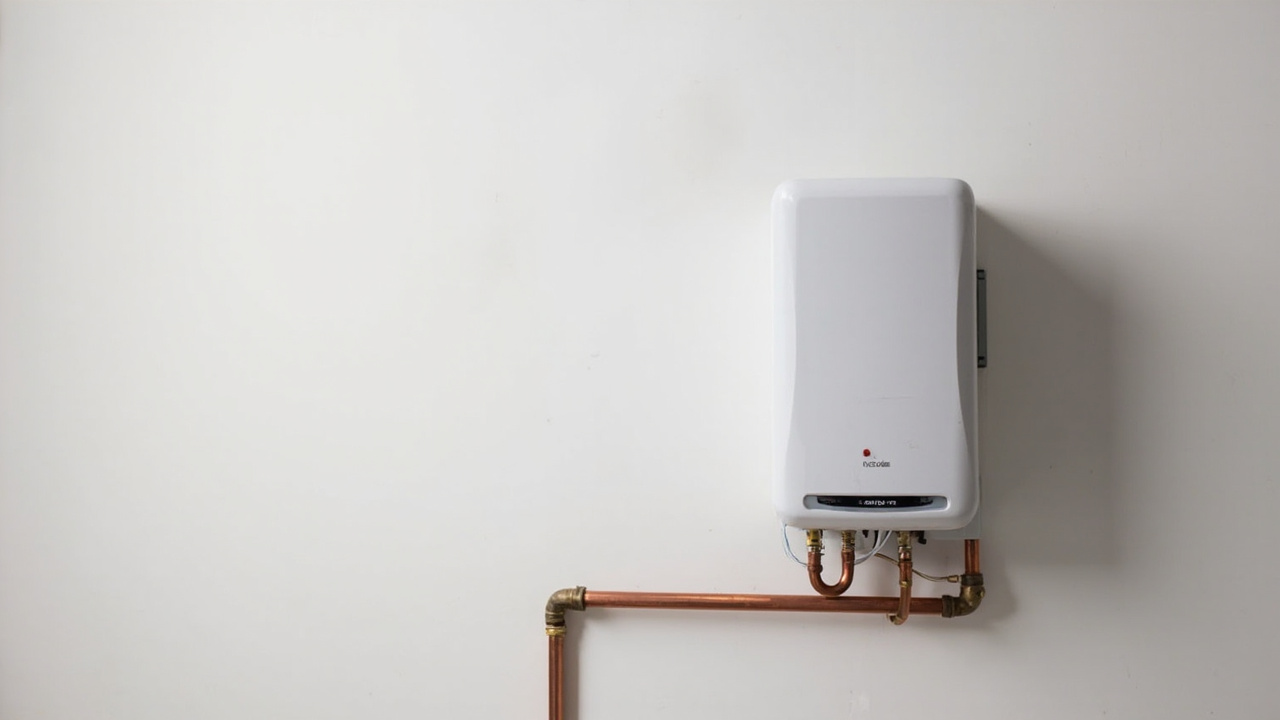
Why Your Northeast Minneapolis Home Needs a Tankless Water HeaterNortheast Minneapolis homeowners face unique challenges with aging infrastructure and compact…

Why Your Northeast Minneapolis Home Needs a Tankless Water Heater

Why Your Northeast Minneapolis Home Needs a Tankless Water HeaterNortheast Minneapolis homeowners face unique challenges with aging infrastructure and compact…

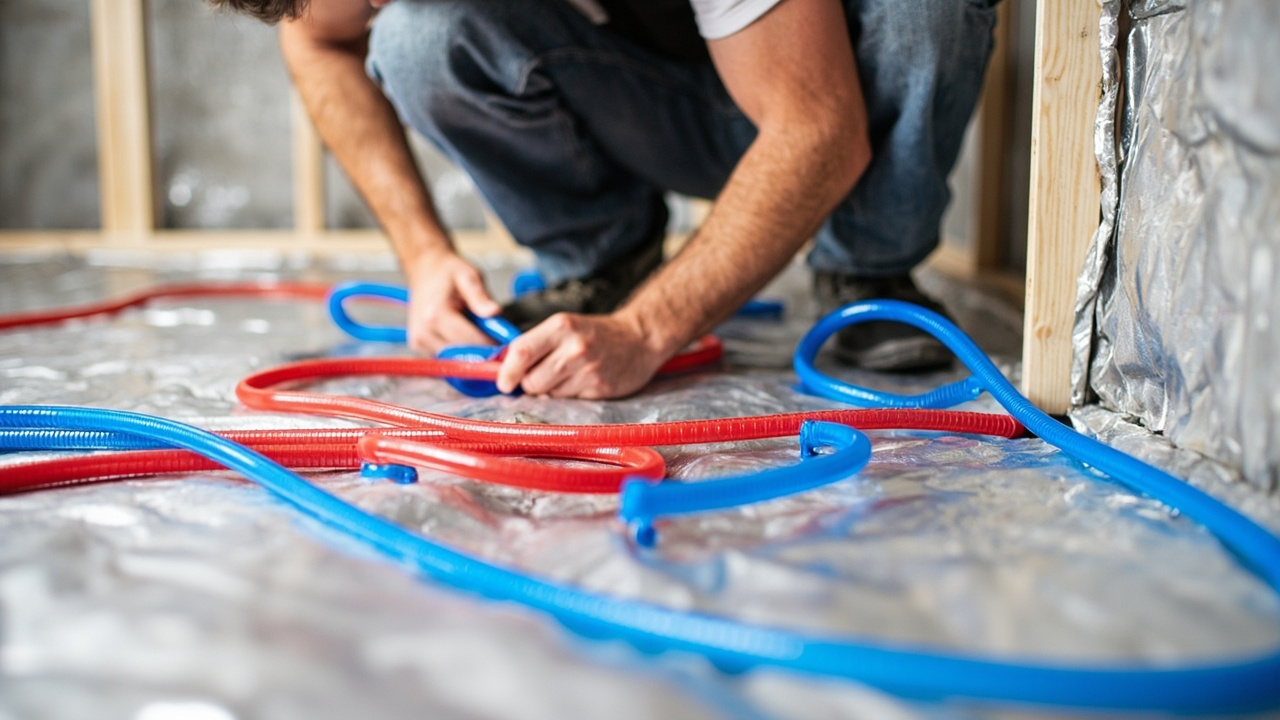
Choosing Radiant Floor Heating for Your Mendota Heights Remodel

High Performance Heating for Mendota Heights RenovationsMendota Heights homeowners face some of the most demanding winter conditions in the country.…

Eliminating Orange Stains From Your Laundry and Tubs in Minnetrista

How to Fix Orange Water Stains in Minnetrista Well Water Residents living near the western shores of Lake Minnetonka or…

Contact Us

Do not wait for an emergency to discover your main valve does not work. Call Pioneer Plumbing Minneapolis at (651) 588-9979 now to schedule a valve inspection and testing service. We will assess your system and ensure you can shut off water supply to home systems when it matters most.