




menu

Dripping Faucets & Leaks in Minneapolis | Expert Diagnosis Stops Water Waste Fast

Stop the constant drip before it drives up your water bill. Pioneer Plumbing Minneapolis identifies the real cause of your leaky faucet and fixes it right the first time.

Slider Image 1
Slider Image 2
Slider Image 3
Slider Image 4
Slider Image 5
Slider Image 7
Slider Image 8
Slider Image 9
Slider Image 10
Slider Image 11

Why Minneapolis Faucets Fail Faster Than You Think

That dripping tap you hear at 2 a.m. is not just annoying. It signals a problem that gets worse with every freeze-thaw cycle Minneapolis throws at your home.

Minneapolis water contains high mineral content, especially calcium and magnesium. These minerals build up inside faucet cartridges and valve seats, creating constant friction that wears down rubber washers and O-rings faster than in softer water areas. When temperatures drop below freezing for weeks at a time, any moisture trapped in faucet assemblies expands and contracts, cracking seals and loosening compression fittings.

Older homes in Longfellow, Powderhorn, and Northeast Minneapolis face an additional challenge. Many still use original brass or bronze fixtures from the 1920s and 1930s. These fixtures were built to last, but decades of mineral deposits and thermal stress have degraded internal components. A leaking spigot in these homes often means corroded valve stems or pitted seats that cannot hold a seal.

The water pressure in Minneapolis averages 60 to 80 PSI, higher than many suburban areas. High pressure accelerates wear on washers and cartridges, especially in kitchens where faucets get used 30 to 50 times per day. A faucet water leak that starts as an occasional drip becomes a steady stream within weeks.

You are not imagining it. Your leaky faucet is wasting water, money, and creating conditions for mold growth under cabinets. The question is not whether to fix it. The question is what is actually broken and how to fix it correctly.

Why Minneapolis Faucets Fail Faster Than You Think
How We Find the Real Cause of Your Dripping Faucet

How We Find the Real Cause of Your Dripping Faucet

Most plumbers replace washers and call it done. We diagnose the entire faucet assembly to find what is actually failing.

First, we shut off the water supply and disassemble the handle and bonnet. We inspect the cartridge or compression valve for mineral buildup, cracks, or wear. Cartridge faucets use ceramic discs or rubber seals that fail when debris gets trapped between moving parts. Compression faucets rely on a washer pressed against a valve seat. If the seat is pitted or corroded, replacing the washer does nothing.

We check the valve seat with a flashlight and inspection mirror. Pitting, scoring, or mineral deposits mean the seat needs resurfacing with a seat wrench or complete replacement. We measure the seat diameter and thread pitch to source the exact replacement. Generic seats do not seal correctly.

For single-handle faucets, we pull the cartridge and examine the O-rings and seals. Minneapolis water leaves calcium deposits that cut into rubber like sandpaper. We clean the cartridge housing with white vinegar to dissolve mineral scale, then install a new cartridge with fresh O-rings and plumber's grease.

We also test water pressure at the fixture. If pressure exceeds 80 PSI, we recommend a pressure-reducing valve to extend the life of all fixtures in your home. High pressure causes leaks throughout your plumbing system, not just faucets.

After reassembly, we test the faucet under full pressure and check for leaks at the base, spout, and handle. We cycle the handle 20 times to confirm smooth operation and a complete shutoff. You get a faucet that works like new, not a temporary patch.

What Happens During Your Faucet Repair

Dripping Faucets & Leaks in Minneapolis | Expert Diagnosis Stops Water Waste Fast
01

Initial Assessment Call

You describe the problem over the phone. Is it a constant drip, a leak at the base, or a handle that will not shut off completely? We ask about the faucet type, age, and location to prepare the right parts. We schedule a visit within 24 hours for most repairs and give you a clear arrival window.
02

On-Site Diagnosis

Our plumber arrives with a full set of cartridges, washers, valve seats, and O-rings for major faucet brands. We disassemble the faucet, identify worn or damaged components, and explain what needs replacement. You get an upfront price before we proceed. No surprises, no upselling parts you do not need.
03

Testing and Cleanup

We reassemble the faucet, turn the water back on, and test for leaks and smooth operation. We clean up any water or debris from the work area and dispose of old parts. You get a faucet that shuts off completely, handles that move smoothly, and peace of mind that the repair will last.

Why Minneapolis Homeowners Trust Pioneer Plumbing for Leak Repairs

Faucet repairs seem simple until you strip a valve seat thread or crack a ceramic cartridge trying to force it out. We have repaired faucets in Minneapolis homes for years and know the quirks of older fixtures and hard water damage.

We stock parts for Moen, Delta, Kohler, American Standard, and Peerless faucets. These brands dominate Minneapolis homes, and we carry cartridges and stems for models dating back 20 years. If your faucet is older or uncommon, we source the part and return to complete the repair. We do not force a generic part that will fail in six months.

We also understand Minneapolis plumbing codes and water quality. Minneapolis water is hard, with 8 to 12 grains per gallon in most neighborhoods. We recommend water softeners or point-of-use filters for customers who replace faucets frequently due to mineral buildup. Treating the water saves you money on future repairs.

Our plumbers arrive in marked vans with upfront pricing. You know the cost before we start. We do not charge trip fees for most service areas in Minneapolis, including Downtown, Uptown, Northeast, and South Minneapolis. We respect your time and your home.

We also repair commercial faucets in restaurants, office buildings, and schools. Commercial fixtures take more abuse and require heavy-duty cartridges and higher-grade seals. We carry commercial parts and can handle high-volume repairs without disrupting your business operations.

You want a plumber who shows up on time, fixes the problem correctly, and does not leave a mess. That is what we do.

What to Expect When You Call Pioneer Plumbing

Same-Day or Next-Day Service

We schedule most faucet repairs within 24 hours. Emergency leaks that threaten property damage get same-day response. We give you a two-hour arrival window and call 30 minutes before we arrive. You do not wait around all day wondering when we will show up. Most single-faucet repairs take 45 to 90 minutes from arrival to cleanup.

Thorough Diagnosis Before We Start

We do not assume the problem. We disassemble the faucet, inspect all components, and identify exactly what failed. You get a clear explanation of the problem and the fix. We show you the worn washer, cracked cartridge, or pitted valve seat so you understand what you are paying for. You approve the repair before we proceed.

A Faucet That Works Like New

After the repair, your faucet shuts off completely with no dripping. Handles turn smoothly without sticking or excessive force. We test the faucet under full pressure to confirm no leaks at the base, spout, or handle. You get a functional fixture that stops wasting water and stops the constant noise that drives you crazy at night.

Guidance on Future Maintenance

We explain how to extend the life of your faucet. Simple steps like cleaning aerators every few months and not over-tightening handles prevent future problems. If your water is unusually hard, we discuss filtration options. We do not push products you do not need, but we give you information to make smart decisions about your plumbing system.

Frequently Asked Questions

You Have Questions,
We Have Answers

How do I get my faucet to stop dripping? +

Turn off the water supply under the sink. Remove the faucet handle by unscrewing the cap and handle screw. Pull out the cartridge or stem assembly. Inspect the rubber washer or O-ring at the base. If worn or cracked, replace it with an exact match from a hardware store. Reassemble the faucet in reverse order. Minneapolis homes built before 1980 often have compression faucets that need washer replacement every few years. Newer cartridge-style faucets may require a full cartridge swap. If you lack the right tools or confidence, call a plumber.

Why are all my faucets dripping? +

Multiple dripping faucets point to a pressure issue or simultaneous wear. If you see this after a recent water main repair in your Minneapolis neighborhood, trapped air or pressure spikes likely damaged multiple washers or seals at once. High mineral content in Minneapolis municipal water accelerates wear on internal components. If all faucets drip after shutting off the main supply, you may have a faulty pressure regulator. Check each faucet for worn washers, but if the problem is systemic, hire a plumber to inspect your pressure regulator and supply lines.

What is the most common cause of dripping faucets? +

Worn washers or O-rings cause most dripping faucets. These rubber seals sit inside the valve seat and create a watertight barrier when you turn off the tap. Over time, friction and mineral buildup wear them down. Minneapolis water has moderate hardness, which accelerates seal degradation. Compression faucets (common in older Minneapolis homes) rely entirely on washers and fail predictably every two to four years. Cartridge and ceramic disc faucets wear differently but still depend on internal seals. Regular use, water pressure, and sediment all shorten seal life.

Is a dripping faucet considered a leak? +

Yes. A dripping faucet is a leak. The distinction matters for insurance claims and water bills. Even a slow drip wastes gallons daily and signals a failed seal or valve. Minneapolis homeowners often ignore minor drips until winter, when freezing indoor air and pressure fluctuations worsen the leak. Document the drip with photos and repair records if you suspect it caused water damage. Most homeowner policies exclude gradual leaks but may cover sudden failures. Fix drips immediately to avoid inflated bills and potential mold growth in cabinets or crawl spaces.

How do I stop a constant dripping tap? +

Identify the faucet type first. For compression faucets, replace the washer or seat. For cartridge faucets, swap the cartridge. For ceramic disc faucets, clean or replace the disc cylinder. Turn off the water supply under the sink, disassemble the handle, and inspect the internal components. Minneapolis water deposits calcium on valve seats, so clean visible buildup with vinegar. If the seat itself is pitted or scored, you need a seat wrench to remove and replace it. Reassemble and test. Persistent drips after repair indicate deeper valve damage requiring professional help.

What does spraying WD-40 in a faucet do? +

WD-40 is not a plumbing solution. Spraying it inside a faucet temporarily loosens mineral deposits or lubricates a stiff cartridge, but it does not fix the root cause. The drip will return within days. WD-40 can also contaminate your drinking water and damage rubber seals, making the leak worse. Minneapolis plumbers see this DIY shortcut often. Instead, disassemble the faucet and clean components with white vinegar or replace worn washers and cartridges. If you need lubrication, use plumber's grease designed for potable water systems, not aerosol solvents.

Why does a faucet still drip when the water is turned off? +

Water drips after shutoff because the valve seat or washer failed to seal completely. Residual pressure in the line forces water past the damaged seal. In Minneapolis homes with high water pressure (often 70 to 80 psi), this happens faster. A pitted valve seat, cracked washer, or loose packing nut all allow seepage. Sometimes thermal expansion in hot water lines creates back pressure that pushes water past a marginally functional seal. Disassemble the faucet and inspect the valve seat for grooves or corrosion. Replace the washer and reseat if needed.

What is the dripping faucet theory? +

The dripping faucet theory is a psychological concept, not a plumbing term. It describes how small, repetitive stressors (like the sound of a drip) accumulate and cause significant distress over time. In plumbing contexts, it is sometimes used as a metaphor for how minor leaks compound into major water waste or damage. A single drip per second wastes over 3,000 gallons annually. In Minneapolis, where water and sewer rates climb yearly, ignoring a drip costs real money. The theory underscores the importance of addressing small problems before they escalate.

Should I call a plumber for a dripping faucet? +

Yes, call a plumber if you lack tools, time, or confidence. A dripping faucet seems minor but often hides bigger issues like corroded valve seats, cross-threaded cartridges, or supply line leaks. Minneapolis homes with older galvanized plumbing sometimes have sediment buildup that prevents proper sealing even after washer replacement. A plumber diagnoses the root cause, has the right parts on the truck, and completes the job in 30 minutes. DIY attempts with wrong-sized washers or overtightened handles cause more damage. If the drip persists after one repair attempt, stop and call a professional.

How Minneapolis Hard Water Accelerates Faucet Wear and Leaks

Minneapolis receives its water from the Mississippi River and underground aquifers. Both sources contain high levels of dissolved calcium, magnesium, and iron. This mineral-rich water leaves scale deposits inside faucet cartridges, valve seats, and aerators. Over time, mineral buildup creates friction that wears down rubber seals and O-rings. Faucets in Minneapolis fail faster than in soft water cities. Regular maintenance and water softening extend fixture life, but most homes will need faucet repairs or replacements every 8 to 12 years instead of 15 to 20.

Minneapolis plumbing codes require backflow prevention and proper fixture installation to protect water quality. Pioneer Plumbing follows city codes and uses quality parts that meet or exceed manufacturer standards. We understand local water chemistry and the unique challenges it creates for plumbing fixtures. Our plumbers live and work in the Twin Cities, and we have repaired faucets in homes from Kenwood to Standish. When you call a local plumber, you get someone who knows your water and your home.
Plumbing Services in The Minneapolis Area

Discover the convenient location of Pioneer Plumbing and explore our extensive service area. We are proudly situated to serve the entire Minneapolis region and surrounding communities, ensuring our expert plumbing solutions are always within reach. Feel free to visit our office or use the map below to pinpoint our location for in-person inquiries or simply to confirm our proximity for your next plumbing need. We're always ready to connect!

Address:
Pioneer Plumbing Minneapolis, 2355 MN-36, Minneapolis, MN, 55113

Additional Services We Offer

Our news updates

Latest Articles & News from The Blogs

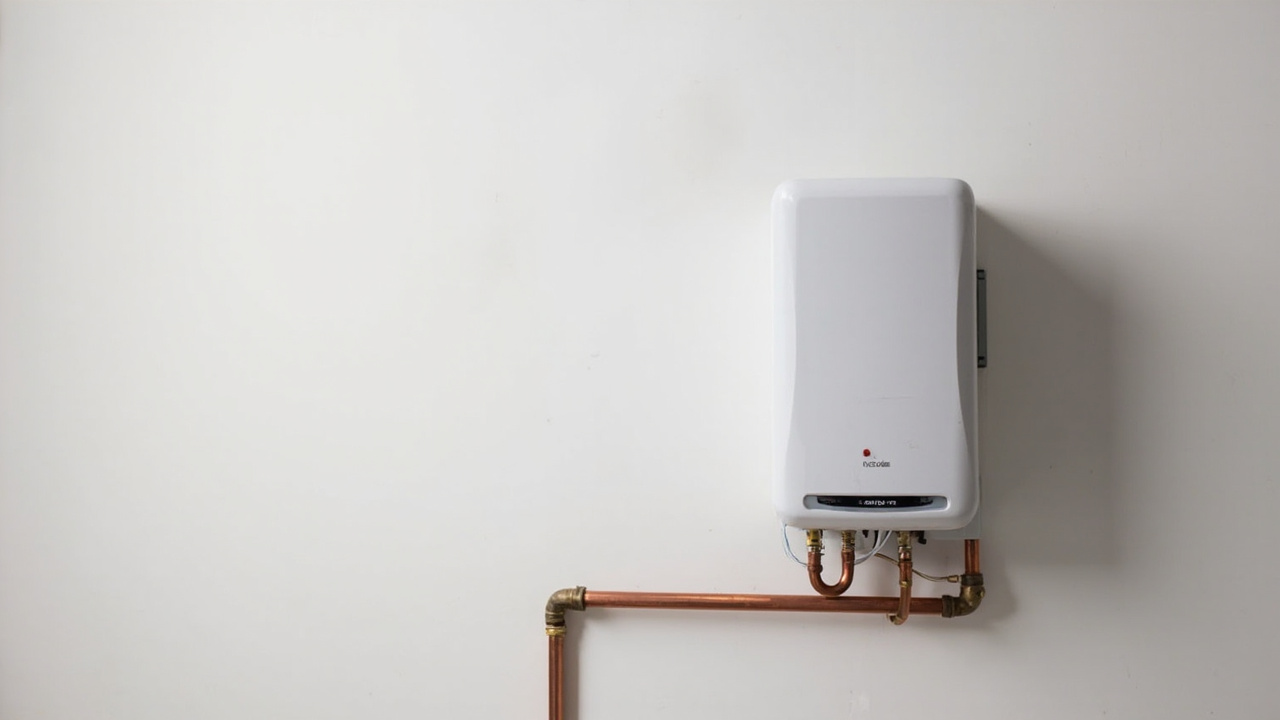
Why Your Northeast Minneapolis Home Needs a Tankless Water HeaterNortheast Minneapolis homeowners face unique challenges with aging infrastructure and compact…

Why Your Northeast Minneapolis Home Needs a Tankless Water Heater

Why Your Northeast Minneapolis Home Needs a Tankless Water HeaterNortheast Minneapolis homeowners face unique challenges with aging infrastructure and compact…

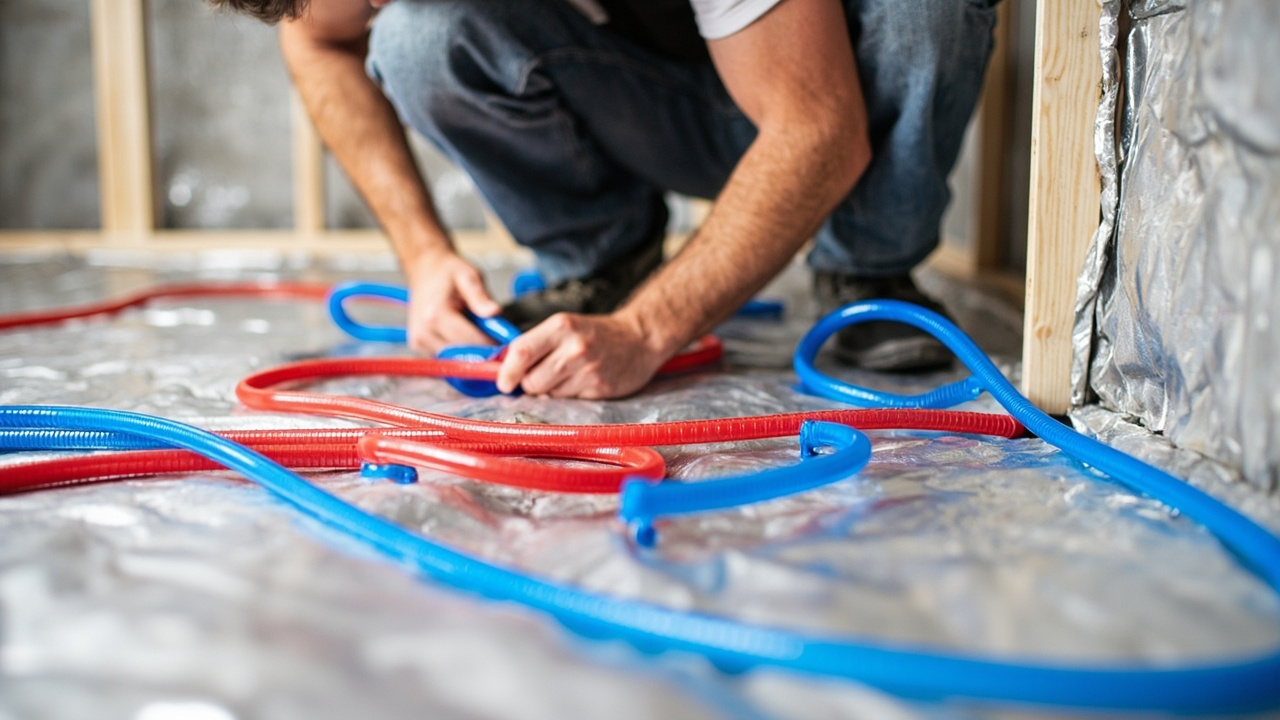
Choosing Radiant Floor Heating for Your Mendota Heights Remodel

High Performance Heating for Mendota Heights RenovationsMendota Heights homeowners face some of the most demanding winter conditions in the country.…

Eliminating Orange Stains From Your Laundry and Tubs in Minnetrista

How to Fix Orange Water Stains in Minnetrista Well Water Residents living near the western shores of Lake Minnetonka or…

Contact Us

Call Pioneer Plumbing Minneapolis at (651) 588-9979 now. We diagnose the problem, fix it right, and get your faucet working like new. Same-day service available. No more wasted water. No more sleepless nights listening to that constant drip.