




menu

Apartment Complex Plumbing in Minneapolis – Keep 100+ Units Running Without Downtime

Pioneer Plumbing Minneapolis delivers scalable apartment complex plumbing solutions engineered for multi-family buildings across the Twin Cities metro, minimizing tenant disruption and preventing cascading system failures that cost property managers thousands per day.

Slider Image 1
Slider Image 2
Slider Image 3
Slider Image 4
Slider Image 5
Slider Image 7
Slider Image 8
Slider Image 9
Slider Image 10
Slider Image 11

Why Multi-Family Buildings in Minneapolis Face Higher Plumbing Failure Rates

Apartment buildings in Minneapolis operate under conditions that accelerate plumbing system degradation. The freeze-thaw cycle between November and March stresses vertical waste stacks and supply risers serving multiple floors. When one unit's fixture fails, the problem often extends through shared drainage lines affecting tenants above and below.

Buildings constructed before 1990 in neighborhoods like Uptown and Northeast Minneapolis commonly use galvanized steel piping that corrodes faster in Minnesota's mineral-heavy municipal water supply. The city's water contains elevated calcium and magnesium levels, creating scale buildup in water heaters, pressure-reducing valves, and fixture cartridges. Property managers discover this when multiple units simultaneously report low pressure or discolored water.

Multi-unit residential plumbing demands different diagnostics than single-family homes. A clog in a second-floor unit can trigger backups into first-floor apartments. Shared vent stacks serving 20+ fixtures create negative pressure issues that single-dwelling protocols do not address. Commercial plumbing for apartments requires understanding how water hammer from quick-closing washing machine valves propagates through a building's entire supply network.

The Twin Cities' transition from commercial to residential zoning in areas like the North Loop converted warehouse spaces into loft apartments without upgrading aging cast iron drain systems. These conversions create liability when original plumbing infrastructure cannot handle residential fixture loads. Apartment complex plumbing maintenance prevents the cascading failures that empty buildings and destroy cash flow.

Why Multi-Family Buildings in Minneapolis Face Higher Plumbing Failure Rates
How We Engineer Multi-Family Plumbing Systems for Operational Continuity

How We Engineer Multi-Family Plumbing Systems for Operational Continuity

Our apartment building plumbing approach starts with pressure zone mapping. Buildings over four stories require pressure-reducing valve stations to prevent fixture damage on lower floors. We calculate the hydraulic demand for each zone, accounting for simultaneous fixture use during peak morning hours when tenants shower before work.

We install water hammer arrestors at mechanical room manifolds rather than individual fixtures. This approach protects the entire building's supply network from the shock waves created when 50+ washing machines and dishwashers close their solenoid valves. The arrestors absorb pressure spikes before they crack soldered joints in copper risers hidden behind drywall.

For drainage systems, we scope vertical waste stacks with push cameras to identify offset joints, root intrusion at building perimeter connections, and tuberculation inside cast iron pipes. Tuberculation creates interior nodules that reduce a four-inch drain to two inches of actual flow capacity. This causes backups that appear random but stem from cumulative restriction across multiple floors.

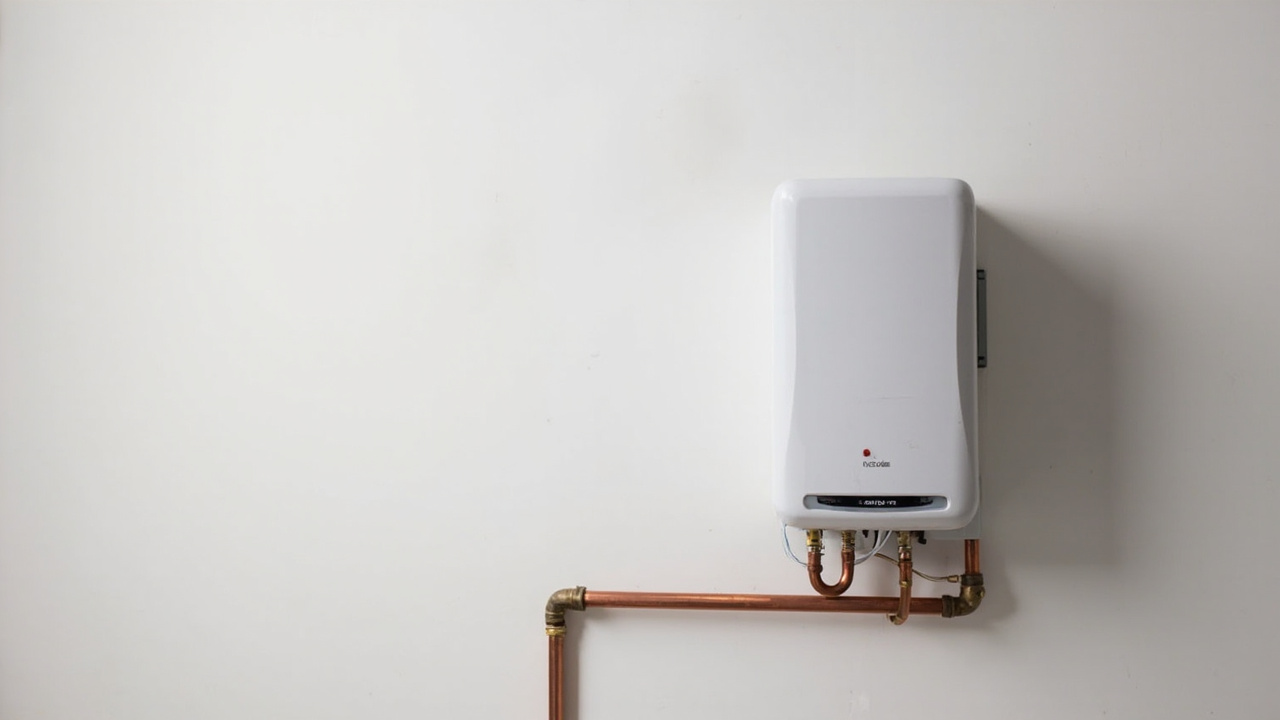
Water heater systems in multi-family buildings demand different configurations than residential setups. We design cascading tank arrays or specify commercial-grade tankless units with the BTU input to serve simultaneous demand from multiple units. Recirculation pumps maintain hot water at fixtures while preventing Legionella growth in dead legs where water sits stagnant.

Our multi-family plumbing services include backflow preventer testing required by Minneapolis municipal code for buildings with irrigation systems, fire suppression connections, or commercial tenant spaces. Annual testing prevents cross-contamination between potable water and non-potable sources. Failed backflow devices trigger immediate replacement to maintain code compliance and avoid city shutoff orders.

The Multi-Building Plumbing Assessment Process

Apartment Complex Plumbing in Minneapolis – Keep 100+ Units Running Without Downtime
01

System Load Analysis

We calculate your building's total fixture unit count and compare it against existing supply pipe diameter and water meter capacity. This reveals whether your infrastructure can handle current tenant loads or if you are operating near failure threshold. We map all shutoff valves, pressure-reducing stations, and access panels to create an emergency response plan that isolates problems without building-wide shutdowns.
02

Vertical Stack Inspection

Our technicians scope waste and vent stacks from roof terminals to basement building drains using high-resolution push cameras. We document offset joints where floor penetrations shift, identify bellied sections where waste collects, and measure remaining wall thickness in cast iron pipes approaching failure. This diagnostic prevents the surprise failures that flood multiple units and trigger insurance claims.
03

Preventive Maintenance Scheduling

We establish a quarterly maintenance cycle targeting high-risk components: pressure-reducing valves, mixing valves in central water heater systems, and drain cleanouts in basement collection points. Scheduled maintenance occurs during low-occupancy hours to minimize tenant disruption. You receive documented service records that satisfy lender requirements and support your property's operational history during sale transactions.

Why Property Managers Choose Local Minneapolis Multi-Family Plumbing Specialists

Minneapolis enforces specific plumbing codes through the Department of Community Planning and Economic Development that differ from surrounding suburbs. Buildings within the city limits follow amendments to the Minnesota State Plumbing Code requiring additional backflow prevention, specific vent termination heights to prevent snow blockage, and earthquake-resistant flexible gas connectors even though Minnesota experiences minimal seismic activity.

Pioneer Plumbing Minneapolis maintains relationships with local inspectors who expedite permit approvals for emergency repairs. When a main building drain fails and requires excavation under the building footprint, we navigate the city's right-of-way requirements and coordinate with utility locate services to mark Centerpoint Energy gas lines and Xcel Energy electrical feeds. These relationships prevent the delays that leave buildings without working plumbing for weeks.

We stock parts for the specific plumbing fixtures common in Twin Cities apartment buildings. Minneapolis properties built during the 1960s and 1970s construction boom used Chicago Faucet, Sloan flush valves, and American Standard fixtures that require proprietary repair parts. Our trucks carry the correct cartridges, diaphragms, and vacuum breakers to complete repairs in one visit rather than ordering parts that arrive in three days.

Our technicians understand how Minneapolis's combined sewer system affects apartment buildings in older neighborhoods. During heavy rain events, the city's storm and sanitary sewers merge, creating backpressure that forces sewage into building basement drains. We install backwater valves and overhead sewage ejector systems that prevent backups when the municipal system surcharges. This protection saves property owners from the catastrophic cleanup costs and tenant displacement that follow sanitary backups into ground-floor units.

What Property Managers Can Expect From Our Multi-Family Services

Emergency Response Capacity

We dispatch within 90 minutes for building-wide failures affecting multiple units. Our trucks carry pipe cutting and threading equipment to fabricate emergency repairs on-site rather than waiting for prefabricated assemblies. For after-hours emergencies, our on-call technicians have authority to make repair decisions without waiting for morning approvals. This prevents the compounding damage that occurs when water runs uncontrolled through multiple floors overnight. We coordinate with your maintenance staff to access mechanical rooms, shut off water to isolated sections, and restore service to unaffected units while repairs proceed.

Building Infrastructure Assessment

Our initial evaluation documents your building's plumbing configuration, identifies components approaching end-of-service life, and prioritizes replacement based on failure risk. We provide a capital planning report showing which systems need replacement in the next 12 months versus those with remaining service life. This assessment includes static pressure testing to verify your building maintains adequate pressure at top-floor fixtures during peak demand periods. We measure water quality at multiple sampling points to identify localized corrosion creating discolored water complaints. The assessment becomes a budgeting tool for reserve studies and property sale disclosures.

Code-Compliant Workmanship

Every installation meets Minneapolis plumbing code requirements and passes inspection without corrections. We pull permits for work requiring city approval and coordinate inspection scheduling to prevent project delays. Our technicians install copper supply piping with proper hanger spacing, maintain required slopes on drain piping, and size vent stacks according to fixture unit loads. This eliminates the callbacks that occur when non-compliant work fails prematurely. You receive as-built documentation showing pipe routing, shutoff valve locations, and access panel positions for future service needs.

Preventive Maintenance Programs

We offer quarterly and annual maintenance contracts covering water heater flushing, pressure-reducing valve testing, drain cleaning at high-risk locations, and backflow preventer certification. Scheduled maintenance prevents the emergency failures that disrupt tenant satisfaction and trigger after-hours service charges. Your maintenance contract includes priority scheduling when emergencies occur and discounted rates on parts replacement. We maintain service records documenting all work performed, creating the operational history that lenders and buyers review during refinancing or sale transactions. Contract clients receive advance notice when components approach replacement age.

Frequently Asked Questions

You Have Questions,
We Have Answers

How does plumbing work in an apartment building? +

Apartment buildings use a centralized plumbing system. A main water line enters the building, branches through risers (vertical pipes), and distributes water to individual units via horizontal branch lines. Wastewater exits through waste stacks connected to the municipal sewer. Each unit has shut-off valves for maintenance, while a master shut-off controls the entire building. In Minneapolis, freeze protection is critical—buildings must insulate exposed pipes and maintain adequate heating to prevent burst pipes during subzero winters. Commercial properties also require backflow preventers to meet city code and protect potable water from contamination.

Does apartment maintenance do plumbing? +

Apartment maintenance typically handles minor plumbing issues like clogs, dripping faucets, or running toilets. However, major repairs—burst pipes, sewer line backups, water heater failures, or code violations—require licensed commercial plumbers. Minneapolis property owners face liability if unqualified staff attempt complex repairs. Maintenance staff can troubleshoot and coordinate with professionals, but they rarely possess the licensing or insurance needed for structural plumbing work. For multi-unit properties, improper DIY repairs can cascade into building-wide disruptions, water damage, and code enforcement actions. Always verify your maintenance team's qualifications before delegating commercial plumbing tasks.

What is the most common plumbing issue? +

Leaking faucets and toilets top the list, but in Minneapolis apartment complexes, frozen pipes and sewer line backups are critical concerns. The freeze-thaw cycle stresses aging cast iron and galvanized pipes, causing pinhole leaks and ruptures. Tenant-caused clogs in main drains can shut down multiple units, creating liability exposure. Water heater failures spike during winter demand surges. Root intrusion into clay sewer laterals is common in older neighborhoods near Uptown and Northeast Minneapolis. Regular inspections catch these issues before they disrupt operations or trigger costly emergency callouts. Prevention reduces downtime and protects your investment.

How often should plumbing pipes be replaced in an apartment? +

Galvanized steel pipes last 20 to 50 years, copper lasts 50 years, and PEX lasts 40 years. In Minneapolis, corrosive soil and aggressive water chemistry can shorten pipe lifespan. Inspect your system every five to seven years. Replace pipes showing corrosion, pinhole leaks, or reduced water pressure before they fail during peak occupancy or winter freeze events. Older buildings in South Minneapolis often have original cast iron waste lines that require phased replacement. Proactive replacement minimizes tenant disruption, maintains property value, and avoids catastrophic water damage. Budget for pipe replacement as part of your capital improvement plan.

What is the 135 rule for plumbing? +

The 135 rule states that the sum of all angles in a drainage system's directional changes should not exceed 135 degrees between the fixture and the waste stack. This prevents clogs by maintaining proper flow velocity and minimizing sediment buildup. In commercial buildings, improper drainage angles cause recurring backups that disrupt multiple units. Minneapolis plumbing code enforces strict drainage slope requirements. Violating the 135 rule during remodels or tenant improvements can trigger inspection failures and expensive rework. Always work with licensed commercial plumbers who understand code compliance to avoid operational headaches and regulatory penalties.

What would make you fail an apartment inspection? +

Failing fixtures, visible leaks, inadequate water pressure, missing backflow preventers, improper venting, and cross-connections between potable and wastewater systems will fail inspections. In Minneapolis, inspectors scrutinize freeze protection measures, especially for exposed pipes in unheated spaces. Missing shut-off valves, unlicensed DIY repairs, and outdated galvanized pipes also trigger violations. Commercial properties must meet accessibility standards under ADA, including compliant fixture heights and clearances. Inspectors check for proper gas line installation if you have gas water heaters. Address deficiencies before scheduled inspections to avoid fines, delayed occupancy permits, and tenant complaints.

Do tenants have to pay for plumbing repairs? +

Minnesota law requires landlords to maintain plumbing in habitable condition. Tenants pay for repairs only if they caused the damage through negligence or misuse. Normal wear and tear—aging fixtures, pipe corrosion, sewer backups from tree roots—is the owner's responsibility. Document tenant-caused damage with photos and service reports. If a tenant flushes non-flushable items and clogs the main line, you can charge them. However, if aging pipes burst during normal use, that cost falls on you. Clear lease language defining tenant obligations protects both parties and reduces disputes over repair bills.

What are red flags in an apartment lease? +

Red flags include vague repair timelines, clauses requiring tenants to pay for routine maintenance, waived habitability rights, and excessive utility cost transfers. In Minneapolis, leases that shift major plumbing repair costs to tenants may violate state landlord-tenant law. Watch for indemnity clauses holding tenants liable for structural failures. Clauses prohibiting tenant-requested inspections or requiring tenants to handle code violations are unenforceable. Review repair notification procedures—Minneapolis law requires landlords to respond promptly to habitability issues like plumbing failures. Ambiguous language around water damage liability can expose both parties to financial risk. Consult legal counsel before signing.

Who pays for damage caused by tenants? +

Tenants pay for damage they directly cause through negligence or lease violations. If a tenant breaks a fixture, causes a flood by leaving taps running, or damages pipes during unauthorized alterations, they are liable. Landlords cover damage from normal use, aging infrastructure, or external factors like frozen pipes due to inadequate building heating. Minnesota law requires landlords to mitigate damage promptly. Document everything with photos, repair invoices, and incident reports. In Minneapolis, improper damage attribution can lead to legal disputes and withheld security deposits being returned with penalties. Clear lease terms and timely communication reduce conflicts.

How much does a plumbing check cost? +

Commercial plumbing inspections for apartment complexes range from several hundred to over a thousand dollars, depending on building size, system complexity, and scope. Basic drain camera inspections cost less than comprehensive multi-unit assessments covering supply lines, waste stacks, water heaters, and backflow devices. In Minneapolis, factor in costs for freeze damage assessments during spring thaw. Preventive inspections save money by catching issues before they escalate into emergency repairs or building-wide shutdowns. Request itemized quotes from licensed commercial plumbers. Regular inspections protect your investment, ensure code compliance, and minimize tenant disruption.

How Minneapolis Water Chemistry Accelerates Apartment Building Plumbing Failures

Minneapolis municipal water averages 140 mg/L calcium carbonate hardness, classifying it as moderately hard to hard depending on which treatment plant serves your neighborhood. The Fridley plant serving Northeast Minneapolis produces harder water than the Columbia Heights facility. This mineral content creates scale deposits inside tankless water heaters, narrows pipe diameter in hot water recirculation loops, and clogs pressure-reducing valve screens. Apartment buildings experience these failures faster than single-family homes because higher water volume accelerates mineral accumulation. Water softening systems protect central equipment but require sizing calculations based on total building fixture units rather than residential formulas.

Property managers across the Twin Cities metro rely on local commercial plumbing contractors who understand how Minnesota's plumbing code amendments affect multi-family buildings. Pioneer Plumbing Minneapolis works regularly with property management companies operating portfolios in Uptown, Dinkytown, and the North Loop where older buildings require specialized knowledge of cast iron drain systems and outdated supply piping materials. Our familiarity with the inspection process through the city's Construction Codes and Licensing division prevents the permit delays and failed inspections that extend project timelines. When you hire local specialists, you avoid the learning curve that costs out-of-area contractors time and your building money.
Plumbing Services in The Minneapolis Area

Discover the convenient location of Pioneer Plumbing and explore our extensive service area. We are proudly situated to serve the entire Minneapolis region and surrounding communities, ensuring our expert plumbing solutions are always within reach. Feel free to visit our office or use the map below to pinpoint our location for in-person inquiries or simply to confirm our proximity for your next plumbing need. We're always ready to connect!

Address:
Pioneer Plumbing Minneapolis, 2355 MN-36, Minneapolis, MN, 55113

Additional Services We Offer

Our news updates

Latest Articles & News from The Blogs

Why Your Northeast Minneapolis Home Needs a Tankless Water HeaterNortheast Minneapolis homeowners face unique challenges with aging infrastructure and compact…

Why Your Northeast Minneapolis Home Needs a Tankless Water Heater

Why Your Northeast Minneapolis Home Needs a Tankless Water HeaterNortheast Minneapolis homeowners face unique challenges with aging infrastructure and compact…

Choosing Radiant Floor Heating for Your Mendota Heights Remodel

High Performance Heating for Mendota Heights RenovationsMendota Heights homeowners face some of the most demanding winter conditions in the country.…

Eliminating Orange Stains From Your Laundry and Tubs in Minnetrista

How to Fix Orange Water Stains in Minnetrista Well Water Residents living near the western shores of Lake Minnetonka or…

Contact Us

Call Pioneer Plumbing Minneapolis at (651) 588-9979 for a building assessment. We provide same-day emergency response and scheduled maintenance programs that prevent the costly failures destroying your cash flow and tenant retention.