




menu

Sewer Line Repair & Replacement in Minneapolis – Complete Residential and Commercial Solutions

From trenchless repairs to full sewer lateral replacements, Pioneer Plumbing Minneapolis delivers proven sewer line repair and replacement services across all Minneapolis neighborhoods using advanced diagnostics and modern excavation methods.

Slider Image 1
Slider Image 2
Slider Image 3
Slider Image 4
Slider Image 5
Slider Image 7
Slider Image 8
Slider Image 9
Slider Image 10
Slider Image 11

Why Minneapolis Sewer Lines Fail Faster Than You Think

Minneapolis sits on unstable soil conditions that shift with every freeze-thaw cycle. When winter temperatures plunge below zero, then spike back up in March, the ground expands and contracts. This movement cracks clay sewer pipes, separates joints in older cast iron lines, and creates gaps where tree roots infiltrate.

Most homes in South Minneapolis, Uptown, and the Powderhorn neighborhoods were built between 1900 and 1950. Their original sewer laterals are now 70 to 120 years old. Clay and cast iron pipes from that era were never designed to handle modern detergent chemistry, garbage disposal loads, or the ground shifts caused by Minneapolis's extreme seasonal changes.

When a main sewer line repair becomes necessary, you will notice slow drains throughout the house, gurgling toilets, or sewage backing up into your basement. These are not minor inconveniences. A broken sewer pipe repair left unaddressed will flood your foundation, contaminate your yard, and potentially expose your family to E. coli and other pathogens.

Trenchless sewer line repair offers a less invasive solution for many Minneapolis properties, but it only works if your existing pipe still has structural integrity. If the line has collapsed or separated completely, sewer pipe replacement becomes the only safe option. Pioneer Plumbing Minneapolis uses video camera inspection to determine exactly what your sewer lateral needs before any excavation begins. We do not guess. We show you the problem, explain your options, and give you a clear path forward.

Why Minneapolis Sewer Lines Fail Faster Than You Think
How We Diagnose and Repair Your Sewer Line

How We Diagnose and Repair Your Sewer Line

We start every sewer line repair with a high-resolution video camera inspection. A fiber-optic camera feeds through your cleanout or toilet drain and travels the entire length of your sewer lateral. This shows us root intrusion, bellied sections where the pipe has sagged, offset joints, and any cracks or breaks. We record the footage so you can see exactly what we see.

If the damage is localized and the pipe material is still sound, we recommend trenchless sewer line repair using pipe bursting or cured-in-place pipe lining. Pipe bursting fractures the old line while simultaneously pulling a new HDPE pipe through the same path. CIPP lining installs a resin-coated sleeve inside the existing pipe, which hardens into a seamless, corrosion-resistant liner. Both methods eliminate the need to excavate your driveway, landscaping, or sidewalk.

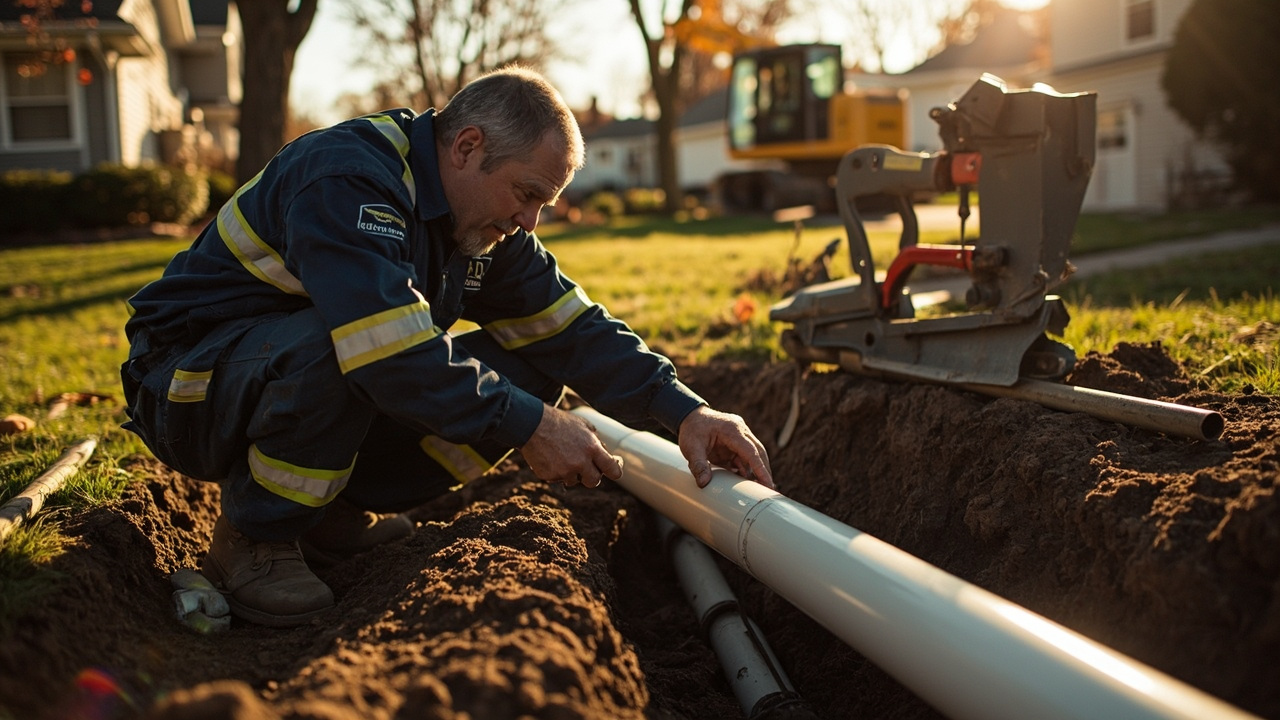
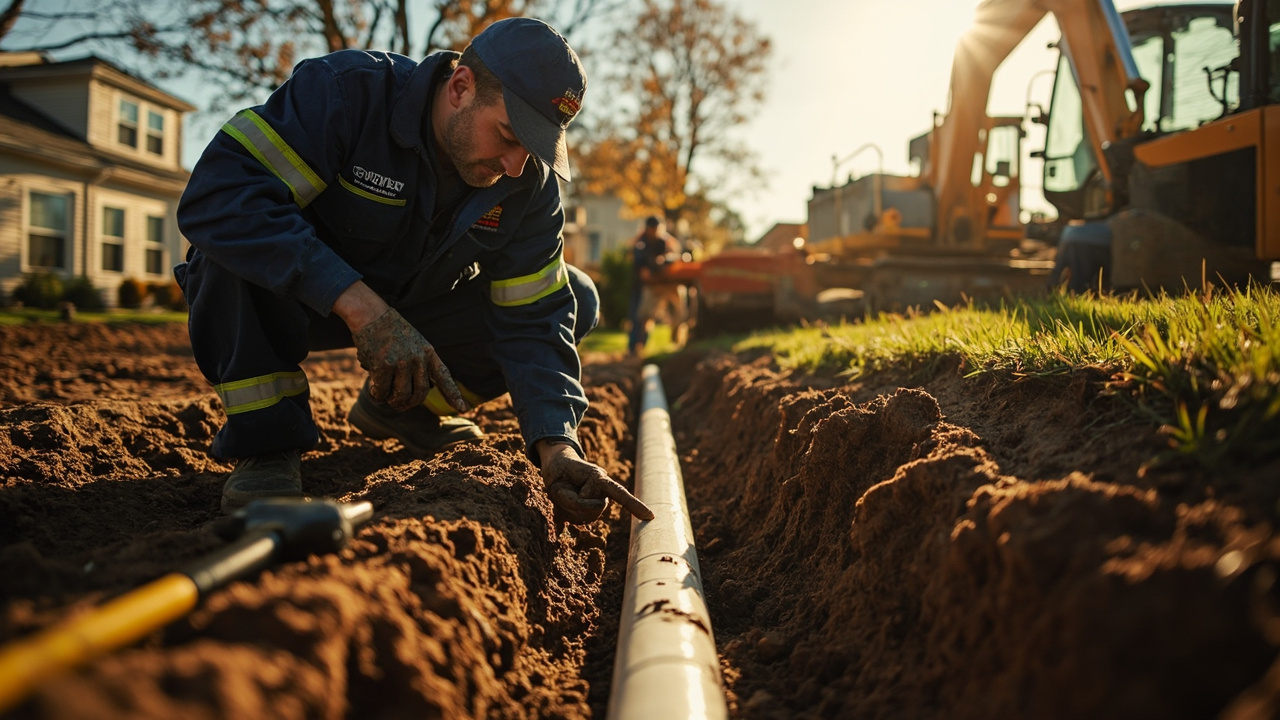
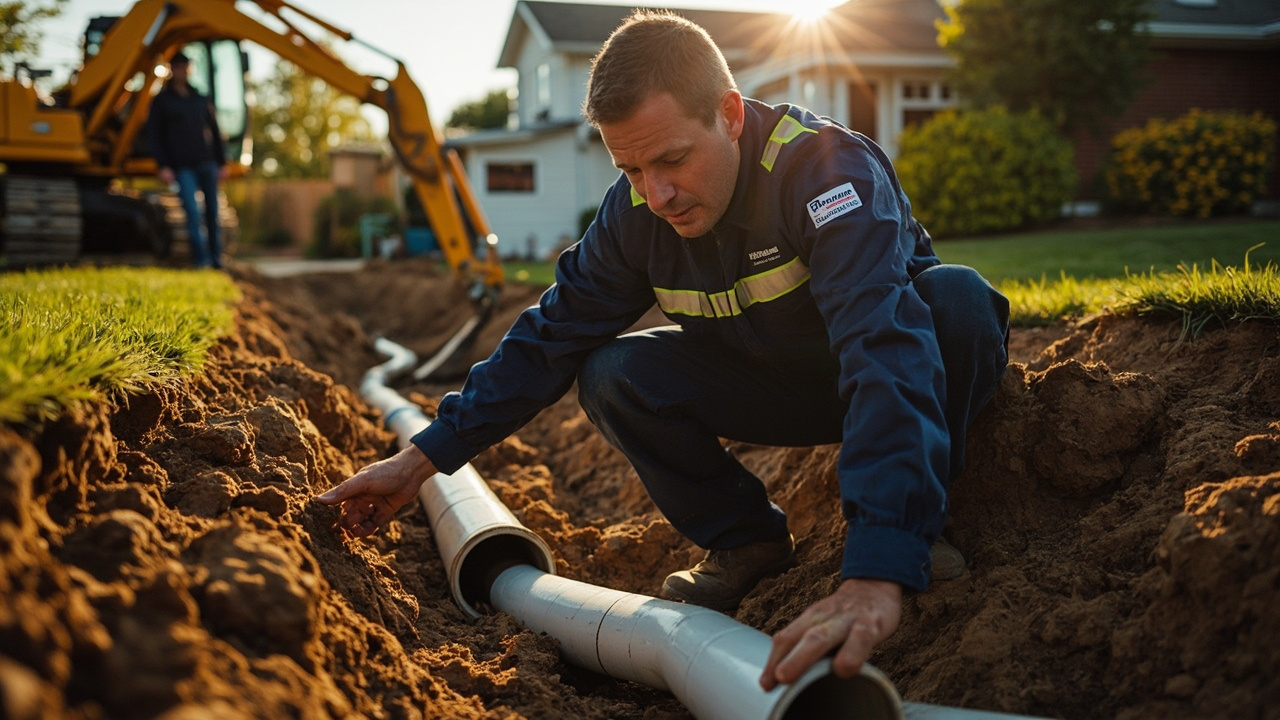
When the sewer lateral has collapsed, separated at multiple points, or consists of Orangeburg pipe, we proceed with full sewer pipe replacement. This involves excavating a trench from your home's foundation to the city main connection at the property line. We remove the failed pipe, install Schedule 40 PVC or HDPE, and backfill with compacted gravel and soil. For properties with mature trees or hardscaping, we plan the trench route to minimize disruption and protect existing structures.

Before any work begins, we verify the depth and location of your city connection using the Minneapolis Public Works sewer atlas and physical locating. Minneapolis requires all sewer lateral replacements to meet current code for slope, pipe diameter, and cleanout placement. We pull permits, coordinate inspections, and ensure your new line passes city review on the first attempt.

What Happens During Your Sewer Line Repair

Sewer Line Repair & Replacement in Minneapolis – Complete Residential and Commercial Solutions
01

Camera Inspection and Diagnosis

We insert a video camera through your cleanout or drain line and record the full interior condition of your sewer lateral. This reveals cracks, root intrusion, bellied sections, and offset joints. You watch the footage with us in real time. We identify the exact location and severity of the damage, then explain whether trenchless repair or full replacement is the correct solution for your specific situation.
02

Repair or Replace the Line

If trenchless repair is viable, we use pipe lining or pipe bursting to restore the line without excavation. If replacement is necessary, we excavate a trench, remove the old pipe, and install new Schedule 40 PVC or HDPE from your foundation to the city main. We coordinate with Minneapolis inspectors to ensure the work meets all current code requirements for slope, depth, and materials.
03

Final Testing and Restoration

We run a final camera inspection to confirm the repair or replacement is watertight and free of obstructions. For excavated repairs, we backfill the trench with compacted gravel and soil, restore your lawn or driveway, and leave the site clean. You receive a copy of the final inspection footage and all city permit documentation. Your sewer line is now code-compliant and built to last decades.

Why Minneapolis Property Owners Choose Pioneer Plumbing

Minneapolis enforces strict sewer lateral codes that many out-of-area contractors do not understand. The city requires specific cleanout placement, minimum pipe slopes of 2 percent, and proper backfill compaction to prevent future settling. If your contractor does not know these requirements, your repair will fail inspection and you will pay twice to fix it correctly.

Pioneer Plumbing Minneapolis has completed hundreds of sewer lateral replacements across Longfellow, Northeast, and North Loop neighborhoods. We know the soil conditions in each area. We know which streets still have clay city mains that require special connection fittings. We know how to navigate Minneapolis's permit process and schedule inspections without delays.

When you call us for a broken sewer pipe repair, we arrive with a fully stocked service truck. We carry video inspection equipment, pipe cutting tools, and excavation machinery. We do not subcontract the work to another crew. The technician who diagnoses your sewer line is the same technician who repairs it.

We also understand that sewer line failures happen at the worst possible times. When sewage backs up into your basement on a Saturday night, you need a plumber who answers the phone and arrives quickly. We dispatch crews seven days a week because sewer emergencies do not wait for business hours.

Many Minneapolis homes sit on small urban lots where access is tight. We have experience working in narrow side yards, digging around mature tree roots, and protecting existing fences and gardens. If your property presents access challenges, we plan the repair route carefully to minimize disruption and avoid unnecessary damage to your landscaping or hardscaping.

What to Expect When You Hire Us

Response Time and Availability

We dispatch a technician within two hours for sewer emergencies. For non-emergency repairs, we schedule camera inspections within 24 to 48 hours. Once we complete the diagnosis, we provide a detailed estimate and timeline. Most trenchless repairs take one day. Full sewer lateral replacements typically require two to three days depending on the length of the run and soil conditions. We coordinate permit approval with Minneapolis Public Works before any excavation begins, which usually adds one to two business days to the timeline.

How the Inspection Works

We access your sewer line through an existing cleanout or remove a toilet to feed the camera through the drain. The camera travels the full length of your lateral from the foundation to the city connection. We record the inspection and review the footage with you on-site. You see exactly where the damage is located, what caused it, and what repair method will solve it. We provide a written diagnosis and discuss your options before any work begins. There is no pressure to commit immediately.

The Quality of the Final Result

We use Schedule 40 PVC or HDPE for all sewer lateral replacements. These materials resist root intrusion, corrosion, and ground movement better than clay or cast iron. We slope the line correctly to ensure gravity flow and prevent future backups. Every joint is glued and pressure-tested. After the repair, we run a final camera inspection to verify the line is clear and watertight. You receive a copy of this footage for your records. Your new sewer line will meet or exceed current Minneapolis code.

Aftercare and Ongoing Maintenance

Trenchless repairs and new sewer lateral installations do not require ongoing maintenance beyond normal use. We recommend scheduling a camera inspection every five years if you have mature trees near the line. This catches root intrusion early before it becomes a major problem. If you experience slow drains or backups after the repair, we return to diagnose the issue. Most post-repair problems stem from improper waste disposal or foreign objects entering the drain. We provide guidance on what should and should not go down your drains to protect your new line.

Frequently Asked Questions

You Have Questions,
We Have Answers

Does homeowners insurance cover main sewer line replacement? +

Most standard homeowners insurance policies do not cover main sewer line replacement. Insurance treats sewer lines as a maintenance issue, not a sudden accident. If tree roots crack your pipe or it deteriorates over time, you pay out of pocket. However, if a covered peril causes the damage, like a vehicle collision or fire, insurance may cover it. Some insurers offer optional sewer backup endorsements, which cover interior damage from backups but rarely the line itself. In Minneapolis, where freeze-thaw cycles and mature tree roots stress aging clay pipes, consider adding this rider. Always review your policy and ask your agent directly.

Why is replacing a sewer line so expensive? +

Replacing a sewer line costs more than most repairs because of labor, excavation, and permitting. You pay for skilled tradespeople to dig through your yard, remove old pipe, and install new materials like PVC or cast iron. In Minneapolis, frost depth requires trenching deeper than warmer climates, adding labor hours. Contractors also navigate city permits, inspections, and potential utility conflicts. If your line runs under driveways, sidewalks, or mature trees, restoration costs climb. Trenchless methods reduce surface disruption but require specialized equipment. Material choice, distance from the street, and soil conditions all impact final pricing.

What is the cheapest way to replace a sewer line? +

The cheapest way to replace a sewer line is to minimize excavation and choose economical materials. Pipe bursting or slip lining, both trenchless methods, reduce digging and restoration costs compared to full trenching. PVC pipe costs less than cast iron or ductile iron. Replacing only the damaged section instead of the entire run saves money if the rest of the line remains sound. In Minneapolis, avoid winter replacements when frozen ground increases labor costs. Get multiple quotes, handle grading and landscaping yourself post-install, and confirm you need full replacement instead of spot repair or relining.

Can a homeowner replace a sewer line? +

A homeowner can replace a sewer line, but it is rarely advisable. Minneapolis requires permits, inspections, and compliance with local plumbing codes. You must trench to the correct depth, maintain proper slope for drainage, and connect to the city main without damaging municipal infrastructure. Mistakes cause backups, foundation damage, or code violations that cost more to fix than hiring a licensed plumber. You also need excavation equipment, pipe-cutting tools, and knowledge of utility locations. One misplaced shovel strike into a gas or water line creates a dangerous, expensive emergency. Leave sewer replacement to professionals.

How to get insurance to pay for sewer line replacement? +

To get insurance to pay for sewer line replacement, you must prove the damage resulted from a covered peril, not gradual deterioration. Document everything with photos, video, and a camera inspection from a licensed plumber. File your claim immediately after discovering sudden damage, like a backup from a storm or vehicle impact. Provide the insurer with repair estimates and inspection reports showing the cause. If you have a sewer backup endorsement, it may cover some costs. In Minneapolis, aging clay pipes often fail from tree roots or freeze-thaw stress, which standard policies exclude. Review your coverage limits and exclusions carefully.

What is the average lifespan of a sewer line? +

The average sewer line lifespan depends on material. Clay pipes last 50 to 60 years, cast iron lasts 75 to 100 years, and modern PVC lasts over 100 years. In Minneapolis, freeze-thaw cycles and shifting soil stress older pipes, shortening lifespans. Tree roots from mature oaks and maples infiltrate joints in clay and Orangeburg pipes. Homes built before 1980 often have clay or cast iron lines nearing end of life. If your home is 50 years old or older and you experience frequent backups or slow drains, expect replacement soon. Proper installation and minimal root intrusion extend longevity.

How often do you need to replace a sewer line? +

You do not replace a sewer line on a schedule. Replace it when it fails or shows irreversible damage. Most homeowners replace sewer lines once, if ever, during ownership. Warning signs include frequent backups, soggy yard patches, foul odors, or sinkholes near the line. In Minneapolis, homes built in the 1950s and 1960s with clay pipes may need replacement after 50 to 60 years. Camera inspections reveal cracks, root infiltration, or bellied sections. If spot repairs become frequent or the pipe material has reached its lifespan, full replacement makes financial sense. Proactive inspection every few years prevents surprises.

Does replacing a sewer line increase home value? +

Replacing a sewer line does not directly increase home value, but it removes a liability that scares buyers. A new sewer line signals the home is move-in ready and eliminates negotiation leverage for buyers during inspections. In Minneapolis, where older homes dominate neighborhoods like Powderhorn and Longfellow, a failing sewer line can kill a sale or trigger price reductions. Buyers fear replacement costs and permitting headaches. A replaced line reassures lenders and appraisers, smoothing financing. While you may not recoup full replacement costs at resale, you avoid losing thousands in negotiations or losing qualified buyers outright.

How to tell if a sewer line is bad? +

You can tell a sewer line is bad through visible symptoms and diagnostic tests. Frequent backups in multiple drains, gurgling toilets, slow drainage, foul sewer odors in the yard, soggy patches over the line, or foundation cracks signal trouble. In Minneapolis, where tree roots and freeze-thaw cycles damage clay pipes, sinkholes or lush grass strips over the sewer path indicate leaks. A camera inspection confirms the problem, showing cracks, root intrusion, bellied sections, or collapsed pipe. If you notice these signs, schedule an inspection immediately. Delaying worsens damage and increases replacement costs.

Who is responsible for a broken sewer pipe? +

Responsibility for a broken sewer pipe depends on where the break occurs. Homeowners own and maintain the lateral line from the house to the property line or city main connection point. The city owns the main sewer line in the street. In Minneapolis, if the break is on your property, you pay for repairs. If it is in the city main or at the connection point, the city may share responsibility. Check your property survey and local ordinances. Some older neighborhoods have shared laterals or easement complications. Always confirm responsibility with the city before starting repairs to avoid paying for municipal infrastructure.

Why Minneapolis's Freeze-Thaw Cycles Accelerate Sewer Line Damage

Minneapolis experiences some of the most extreme temperature swings in the country. Winter lows regularly drop below negative ten degrees, then spring temperatures surge into the fifties within weeks. This freeze-thaw cycle causes the soil to expand and contract, which places enormous stress on underground sewer pipes. Clay pipes crack at the joints. Cast iron corrodes faster when moisture freezes and thaws repeatedly. Even modern PVC can shift if the surrounding soil is not compacted correctly during installation. Homes built before 1970 are especially vulnerable because their sewer laterals were installed before current bedding and backfill standards existed.

Minneapolis requires all sewer lateral work to meet city code for materials, slope, and cleanout placement. Many national franchise plumbers do not understand these local requirements. They install lines that fail inspection or use materials not approved by Minneapolis Public Works. Pioneer Plumbing Minneapolis has worked with city inspectors for years. We know exactly what they expect to see during a sewer lateral inspection. We pull permits correctly, schedule inspections promptly, and ensure your repair passes on the first attempt. Choosing a local plumber who understands Minneapolis code saves you time, money, and frustration.
Plumbing Services in The Minneapolis Area

Discover the convenient location of Pioneer Plumbing and explore our extensive service area. We are proudly situated to serve the entire Minneapolis region and surrounding communities, ensuring our expert plumbing solutions are always within reach. Feel free to visit our office or use the map below to pinpoint our location for in-person inquiries or simply to confirm our proximity for your next plumbing need. We're always ready to connect!

Address:
Pioneer Plumbing Minneapolis, 2355 MN-36, Minneapolis, MN, 55113

Additional Services We Offer

Our news updates

Latest Articles & News from The Blogs

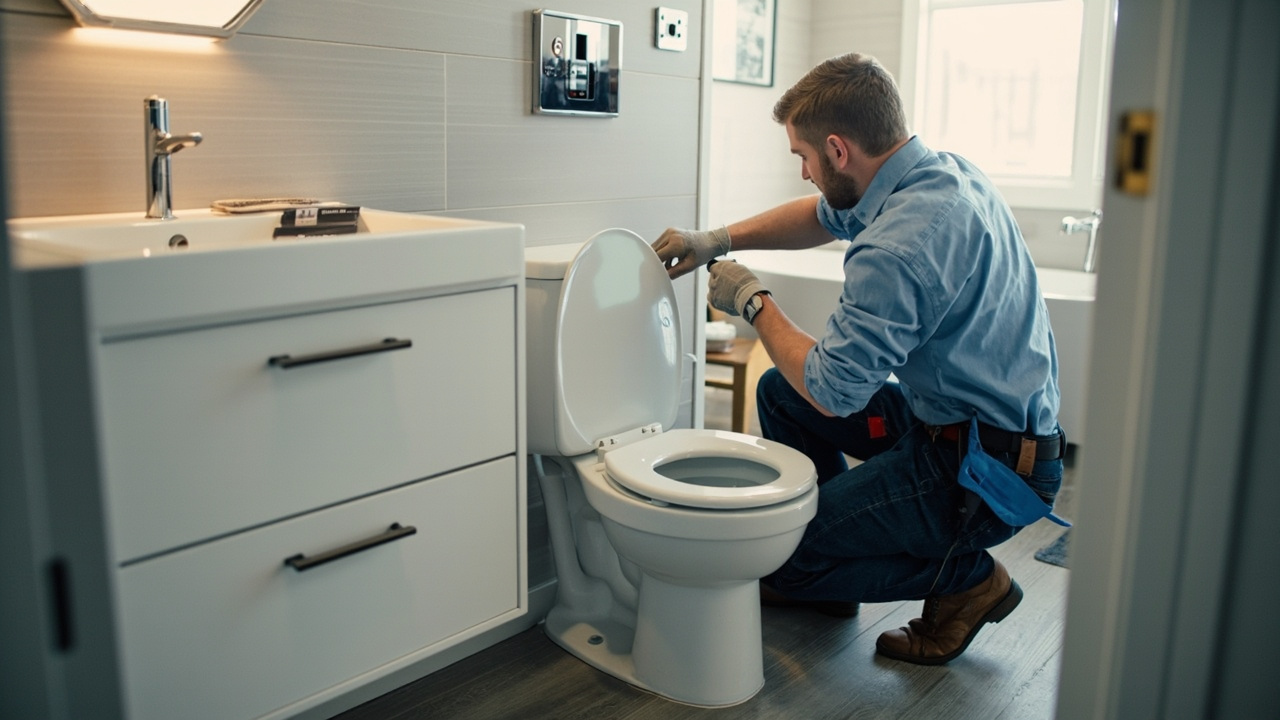
When your toilet starts acting up, it disrupts your whole household. Residents in Richfield often deal with specific plumbing challenges…

Reliable Toilet Repair and Installation Services in Richfield

When your toilet starts acting up, it disrupts your whole household. Residents in Richfield often deal with specific plumbing challenges…

Why Your Northeast Minneapolis Home Needs a Tankless Water Heater

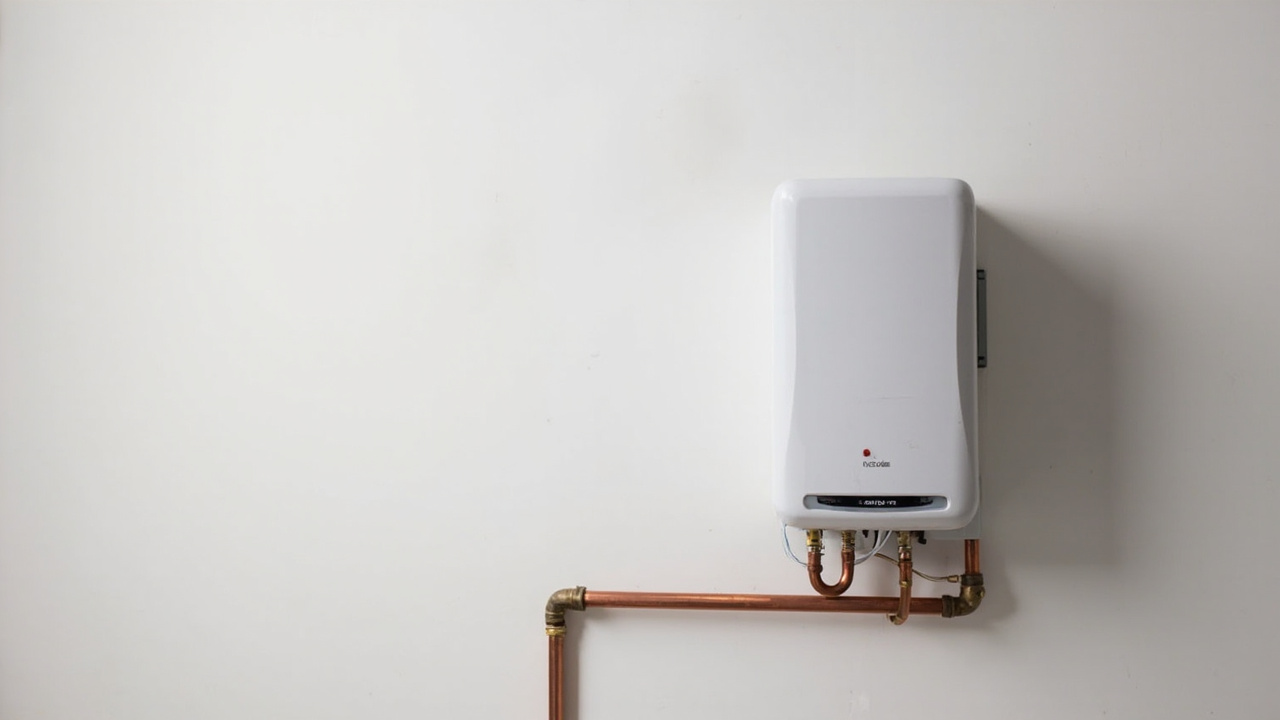
Why Your Northeast Minneapolis Home Needs a Tankless Water HeaterNortheast Minneapolis homeowners face unique challenges with aging infrastructure and compact…

Choosing Radiant Floor Heating for Your Mendota Heights Remodel

High Performance Heating for Mendota Heights RenovationsMendota Heights homeowners face some of the most demanding winter conditions in the country.…

Contact Us

If you have slow drains, sewage odors, or backups, your sewer line needs immediate attention. Call Pioneer Plumbing Minneapolis at (651) 588-9979 to schedule a camera inspection. We diagnose the problem, explain your options, and provide an honest estimate with no pressure.