






Minneapolis municipal water is treated with chloramine instead of chlorine. Chloramine is more stable, but it also accelerates the degradation of rubber seals and gaskets in older fixtures. This is why homes built before 2000 see more toilet flapper failures and angle stop leaks than homes in cities using chlorine treatment. The high mineral content in Minneapolis water also causes scale buildup inside pipes, which increases pressure and stress on joints. When you combine this with our freeze-thaw cycles, you get a higher rate of pinhole leaks in copper pipes and cracked PVC fittings than in milder climates. The ground freezes four to five feet deep in a typical Minneapolis winter. Any service line within that zone is subject to soil movement and frost heave. This is why service line leaks are so common in older neighborhoods like Powderhorn, Seward, and Phillips.
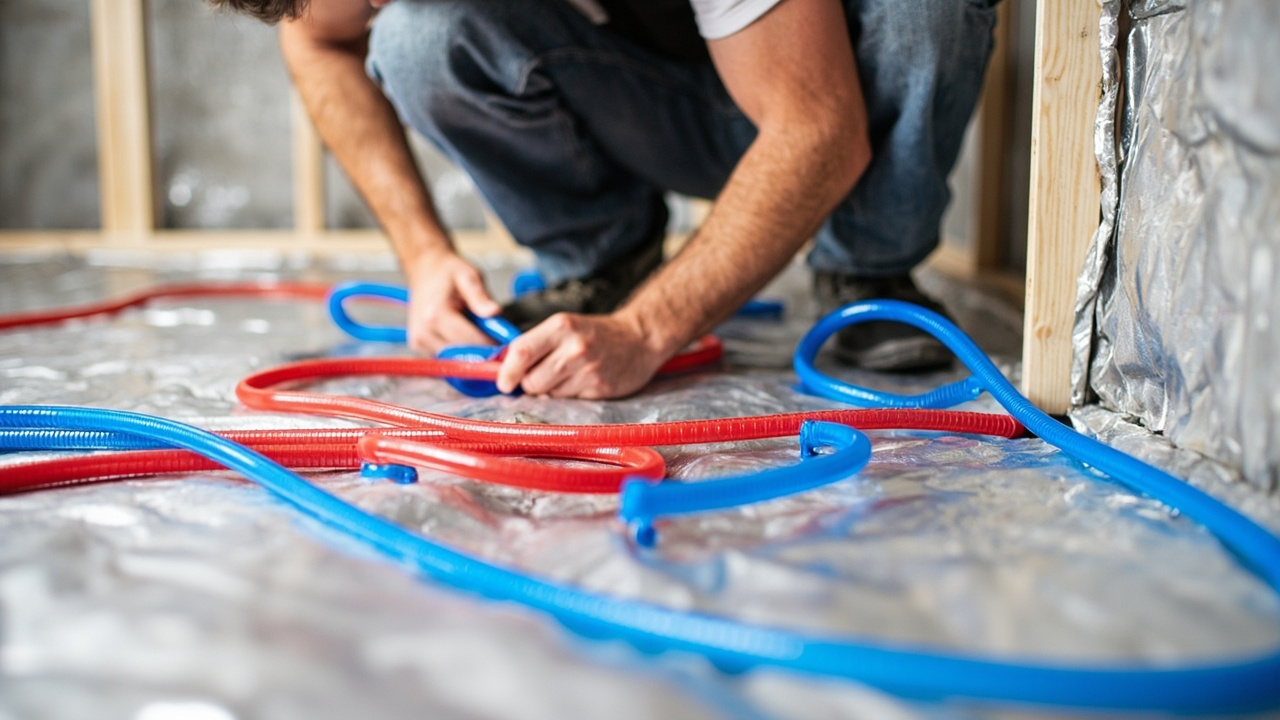
We have been diagnosing plumbing problems in Minneapolis for years. We understand the building codes enforced by the city's inspections department. We know the common layouts in homes from different eras, from the cast iron stacks in Craftsman bungalows to the PEX manifold systems in new construction near the North Loop. When you hire a local plumber who knows the area, you get faster diagnostics because we have seen your home's plumbing configuration hundreds of times. We also have relationships with local suppliers, which means we can source hard-to-find parts for older homes faster than a national chain. Local expertise means less guessing, less time wasted, and lower costs for you.