




menu

Mold in Bathroom Cabinets in Minneapolis – Expert Diagnosis and Permanent Plumbing Fixes

When mold in bathroom cabinets threatens your health and home value, our plumbing diagnostics identify hidden moisture sources fast, stopping mold growth inside vanity spaces before structural damage spreads.

Slider Image 1
Slider Image 2
Slider Image 3
Slider Image 4
Slider Image 5
Slider Image 7
Slider Image 8
Slider Image 9
Slider Image 10
Slider Image 11

Why Minneapolis Bathrooms Breed Mold Under Sinks and Inside Vanities

Minneapolis homes face a perfect storm for bathroom vanity mold. The freeze-thaw cycle batters supply lines. Sub-zero winters force you to crank the heat, which drops indoor humidity and causes wood to contract. Then spring hits, humidity spikes, and those same cabinets absorb moisture like a sponge. Add older homes in neighborhoods like Longfellow and Powderhorn with cast iron drain stacks and galvanized supply lines, and you have slow leaks nobody notices until the mildew in bathroom cabinets becomes visible.

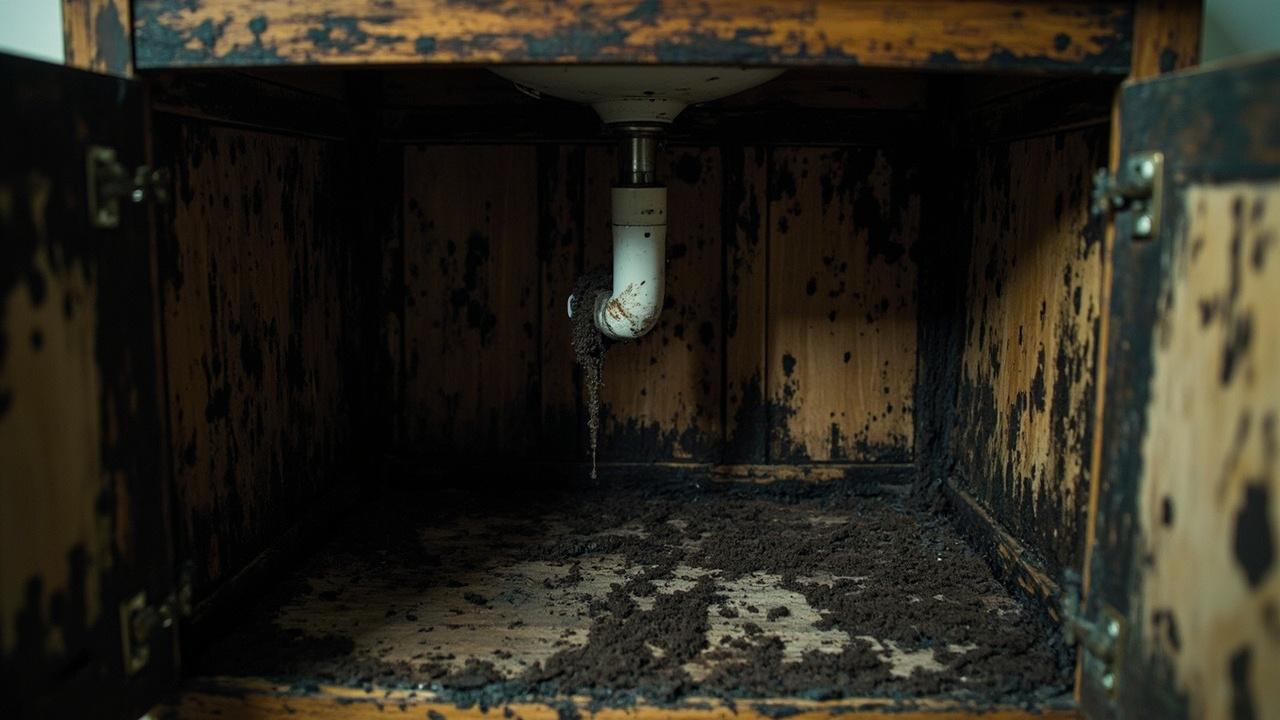
You open the cupboard under your sink and smell it before you see it. That earthy, damp odor. You spot black spots creeping up the particle board back panel or fuzzy white patches on the cabinet floor. Mold under bathroom sink areas grows fast because the space stays dark, humid, and undisturbed. A dripping P-trap, a sweating cold water line, or a failed wax ring on the toilet next door can all feed mold growth inside vanity structures.

Most people assume the fix is bleach and a scrub brush. You are treating the symptom, not the cause. If you do not stop the water intrusion, the bathroom cupboard mold returns in weeks. The real problem lives in your plumbing. A pinhole leak in a copper supply line. A loose compression fitting. A corroded shutoff valve that seeps moisture every time you turn the faucet. You need to trace the water source, repair the plumbing failure, and then address the mold. Anything less is temporary.

Minneapolis building codes require proper venting and vapor barriers, but older homes were not built to modern standards. If your bathroom lacks proper exhaust ventilation or the crawl space below has moisture issues, you are fighting an uphill battle. The mold will come back until you fix the root cause.

Why Minneapolis Bathrooms Breed Mold Under Sinks and Inside Vanities
How We Stop Mold at the Source with Plumbing Repairs

How We Stop Mold at the Source with Plumbing Repairs

We do not spray mold killer and call it done. We are plumbers, not mold remediation contractors. Our role is to eliminate the moisture source so mold cannot return. That means a methodical diagnostic process using moisture meters, pressure testing, and visual inspection of every plumbing component under and around your bathroom cabinets.

First, we check the drain assembly. A loose slip nut on the P-trap or a cracked tailpiece can drip water every time you run the sink. We inspect the compression fittings on your shutoff valves. These brass valves corrode over time, especially in Minneapolis where water chemistry can be aggressive. We also check the supply lines themselves. Braided stainless flex lines can fail at the crimped connection. Copper lines can develop pinhole leaks from galvanic corrosion if they contact dissimilar metals.

Next, we inspect the cabinet structure itself. If the vanity sits against an exterior wall, we check for condensation on cold water lines. In winter, a supply line running through an uninsulated wall cavity can sweat like a glass of iced tea in July. That condensation drips onto the cabinet floor and feeds mold growth inside vanity spaces. We insulate exposed pipes and seal gaps where cold air infiltrates.

We also test water pressure. High pressure stresses fittings and accelerates wear. If your home has pressure above 80 psi, we recommend a pressure-reducing valve to extend the life of your plumbing and reduce leak risk. Finally, we verify proper drain slope and venting. A slow-draining sink can allow water to pool in the tailpiece, creating a chronic moisture problem. We clear any blockages and confirm that your drain system functions as designed.

Once we repair the plumbing failure, you can address the mold with confidence. The moisture source is gone, so the mold will not return.

What Happens When You Call Us About Bathroom Cabinet Mold

Mold in Bathroom Cabinets in Minneapolis – Expert Diagnosis and Permanent Plumbing Fixes
01

Emergency Moisture Shutoff

We arrive and immediately locate the water source feeding the mold growth. Using moisture meters and infrared thermography, we trace hidden leaks behind walls or under flooring. If an active leak exists, we shut off the affected supply line and contain the damage. You get a clear explanation of what failed and why it happened in your specific Minneapolis home.
02

Plumbing Component Replacement

We replace failed shutoff valves, corroded supply lines, loose drain fittings, or damaged P-traps. If your drain system lacks proper venting or slope, we correct the configuration to meet Minnesota plumbing code. We use quality components rated for Minneapolis water conditions, and we pressure-test every connection before closing up the work. No shortcuts, no temporary fixes.
03

Verification and Prevention Plan

After repairs, we run water through the system and verify zero moisture intrusion. We document all work and provide a prevention plan specific to your home's plumbing configuration. This includes recommended maintenance intervals, signs of future problems to watch for, and upgrades that reduce long-term risk. You walk away knowing the plumbing is sound and mold cannot return from that source.

Why Minneapolis Homeowners Trust Pioneer Plumbing Minneapolis for Mold-Related Plumbing Failures

Mold in bathroom cabinets is not just a cosmetic problem. It is a health risk and a red flag for underlying plumbing failure. Homes in Minneapolis deal with unique challenges. Older neighborhoods like Whittier and Lyndale have plumbing systems installed decades ago with materials that do not hold up to modern demands. Galvanized steel corrodes from the inside out. Cast iron drain stacks crack from freeze-thaw stress. Solder joints on copper lines fail when hard water accelerates corrosion.

We know these systems because we work on them every day. We understand how Minneapolis water chemistry interacts with different pipe materials. We know which brands of shutoff valves last and which fail in three years. We know how to retrofit modern plumbing into older homes without tearing apart walls unnecessarily. That local knowledge matters when you are trying to stop a leak that has been feeding mold for months.

Pioneer Plumbing Minneapolis also coordinates with mold remediation specialists when needed. Once we fix the plumbing, you may need a certified mold removal contractor to clean the contaminated materials. We can refer trusted local companies and explain what they need to do after our plumbing work is complete. We stay in communication to ensure the remediation team has the dry conditions they need to succeed.

We also educate you on prevention. Simple changes like installing an exhaust fan on a timer, fixing dripping faucets promptly, and checking under your sink monthly can prevent future mold problems. We show you what to look for and when to call for help. The goal is not just to fix today's problem but to prevent tomorrow's disaster.

You are hiring local plumbers who understand the specific risks Minneapolis homes face. We have seen what happens when people ignore small leaks or assume mold is just a cleaning issue. The damage compounds, repair costs multiply, and health risks increase. Fixing the plumbing first is the only smart approach.

What to Expect When We Fix the Plumbing Behind Your Bathroom Mold Problem

Same-Day Service for Active Leaks

If you have an active leak feeding mold growth, we prioritize your call. Most bathroom cabinet leaks qualify for same-day service in the Minneapolis metro. We carry common replacement parts on our trucks, so we can often complete repairs in one visit. You do not wait days while water continues damaging your home. We shut off the leak, assess the damage, and execute the fix fast. For non-emergency diagnostics, we schedule within 48 hours and provide a clear timeline for completing repairs.

Comprehensive Leak Detection and Diagnosis

We do not guess. We use moisture meters to measure water content in wood and drywall. We inspect every plumbing connection under your vanity, including supply lines, shutoff valves, drain assemblies, and adjacent fixtures. If the leak source is not immediately obvious, we use pressure testing or dye testing to trace water movement. You get a written diagnostic report that explains what failed, why it failed, and what we recommend to fix it permanently. No upselling, no scare tactics, just facts.

Lasting Repairs with Quality Materials

We install components designed for Minnesota water and climate conditions. Brass shutoff valves with quarter-turn ceramic disc mechanisms. Braided stainless steel supply lines with forged connections. ABS or PVC drain assemblies with proper trap depth and vent integration. We follow Minnesota plumbing code for all installations and pull permits when required. The work is clean, precise, and built to last. You will not see us again for the same problem because we fix it right the first time.

Post-Repair Verification and Documentation

After completing repairs, we test the system under normal operating conditions. We run water, check for leaks, verify proper drainage, and confirm zero moisture at all connection points. We document the work with photos and provide a detailed invoice that explains what we replaced and why. If you need documentation for insurance claims or for coordinating with mold remediation contractors, we provide it. We also offer guidance on monitoring the area after repairs to confirm the mold does not return.

Frequently Asked Questions

You Have Questions,
We Have Answers

Why is there mold in my bathroom cabinet? +

Mold grows in your bathroom cabinet because of moisture and poor ventilation. When steam from hot showers accumulates in enclosed spaces, it creates the perfect environment for mold spores to colonize. Leaking pipes under sinks are a common culprit, especially in older Minneapolis homes where freeze-thaw cycles can stress plumbing joints. High indoor humidity during Minnesota's humid summers makes the problem worse. Check for water damage around cabinet bases, inspect under-sink plumbing for slow drips, and ensure your bathroom exhaust fan vents outside, not into the attic. Persistent mold signals an ongoing moisture problem that needs professional attention.

Will mold go away if it dries out? +

Mold does not go away when it dries out. Drying stops active growth temporarily, but the spores and mycotoxins remain dormant on surfaces, waiting for moisture to return. Minneapolis homes face constant humidity fluctuations between winter heating and summer moisture, so dried mold will reactivate during humid months. Dead mold is still allergenic and poses health risks. You must physically remove mold colonies and treat surfaces with antimicrobial solutions. Simply drying the area or running a fan does not eliminate the contamination. If you see visible mold, assume the problem is deeper than surface level and requires proper remediation.

Do moldy cabinets need to be replaced? +

Moldy cabinets need replacement only when the structural integrity is compromised. Surface mold on painted or sealed wood can often be cleaned and treated. However, if mold has penetrated porous materials like particle board or MDF, especially common in budget bathroom vanities, replacement is usually necessary. Check for warping, soft spots, or discoloration that extends beyond the surface. Minneapolis humidity can accelerate wood deterioration once mold takes hold. A professional can assess whether cleaning, sealing, and encapsulation will work, or if removal is safer. Do not guess with hidden mold inside cabinet walls or flooring beneath.

Do you have to throw away everything after mold? +

You do not have to throw away everything after finding mold, but you must assess each item carefully. Hard, non-porous items like glass, metal, and plastic can be cleaned with detergent and dried completely. Porous materials like towels, cardboard, and unsealed wood absorb mold deep into fibers and often cannot be salvaged. Medicines, cosmetics, and toothbrushes stored in moldy cabinets should be discarded due to contamination risk. Items with sentimental or high value may warrant professional cleaning. When in doubt, prioritize health over possessions. Mold spores embed in porous surfaces and release toxins you cannot see or smell.

What are the first signs of mold sickness? +

The first signs of mold sickness include respiratory symptoms like persistent coughing, wheezing, nasal congestion, and throat irritation. You may notice headaches, fatigue, and difficulty concentrating, especially after spending time in the bathroom. Skin rashes and itchy eyes are common. People with asthma or allergies experience worsened symptoms. Minnesota's long winters mean you spend more time indoors with closed windows, increasing exposure to indoor mold. If symptoms improve when you leave home and return when you come back, suspect mold. Children and elderly residents are particularly vulnerable. Document your symptoms and consult a physician if you suspect mold-related illness.

What kills mold in cabinets? +

A mixture of detergent and water kills surface mold on non-porous cabinet surfaces. Scrub thoroughly with a stiff brush, then dry completely. For deeper treatment, use a diluted bleach solution (one cup bleach per gallon of water) on hard surfaces, but never on porous materials where bleach cannot penetrate. Hydrogen peroxide or white vinegar work as gentler alternatives. Let the solution sit for 10 minutes before scrubbing. Ensure proper ventilation while cleaning. After treatment, address the moisture source, or mold will return. For extensive growth or hidden mold behind cabinets, professional remediation prevents incomplete treatment and cross-contamination.

What kills mold permanently? +

Nothing kills mold permanently if the moisture source remains. Effective mold treatment requires three steps: remove the contaminated material or clean it thoroughly, treat surfaces with antimicrobial solutions, and eliminate the water problem. Encapsulants can seal treated surfaces to prevent future growth, but only after moisture is controlled. In Minneapolis bathrooms, this means fixing leaks, improving ventilation, and managing indoor humidity below 50 percent year-round. Products claiming to kill mold forever are misleading. The key is moisture control. Without it, mold spores in the air will recolonize any damp surface within 24 to 48 hours.

Will a dehumidifier get rid of mold? +

A dehumidifier does not get rid of existing mold, but it prevents future growth by controlling moisture levels. You must physically remove mold first through cleaning or remediation. Once cleaned, a dehumidifier keeps bathroom humidity below 50 percent, the threshold where mold struggles to colonize. This is especially helpful in Minneapolis homes during humid summer months or in bathrooms without exhaust fans. Position the unit near the affected area and empty it regularly. Dehumidifiers work best as part of a complete moisture control strategy that includes proper ventilation, leak repairs, and allowing wet surfaces to dry quickly after showers.

Does wiping mold release spores? +

Wiping mold does release spores into the air, which is why you must take precautions before cleaning. Wear an N95 mask, gloves, and eye protection. Lightly mist the moldy surface with water before wiping to reduce airborne spore dispersal. Use disposable cloths or paper towels and seal them in plastic bags immediately. Do not use a regular vacuum, as it will spread spores throughout your home. Keep windows open and run exhaust fans to vent spores outside. For mold covering more than 10 square feet, professional remediation with containment barriers and negative air pressure prevents contaminating other rooms.

How do Japanese bathrooms not get mold? +

Japanese bathrooms resist mold through superior ventilation, quick-drying surfaces, and design that separates wet and dry zones. Most feature powerful exhaust fans that run continuously and completely enclosed shower areas that contain moisture. They use non-porous materials like tile and plastic panels instead of drywall. Daily squeegee habits and immediate post-shower drying are cultural norms. Minneapolis homeowners can adopt these strategies by upgrading exhaust fans, using water-resistant materials during renovations, installing heated floors to accelerate drying, and developing consistent ventilation habits. The key difference is intentional moisture management, not special products.

How Minneapolis Freeze-Thaw Cycles Cause Bathroom Cabinet Leaks and Mold Growth

Minneapolis endures some of the most extreme temperature swings in the country. Winter lows hit negative double digits, then spring arrives and temperatures jump 60 degrees in a week. This freeze-thaw cycle stresses every plumbing component in your home. Supply lines expand and contract. Solder joints weaken. Compression fittings loosen. A fitting that held pressure for years suddenly develops a slow drip when thermal cycling fatigues the metal. That drip lands on your cabinet floor, soaks into particle board, and feeds mold growth inside vanity spaces. Combine this with older homes in neighborhoods like Northeast Minneapolis or St. Anthony Park that have original plumbing from the 1950s or earlier, and you understand why bathroom cabinet leaks are common here. The infrastructure simply was not built for the thermal stress it endures every year.

Choosing a local plumber who understands these conditions matters. National franchise plumbers and out-of-state contractors do not see the patterns we see. They do not know which pipe materials fail first in Minneapolis homes or how to retrofit modern components into century-old buildings without violating code. Pioneer Plumbing Minneapolis has diagnosed and repaired hundreds of mold-related plumbing failures across the metro. We know the common failure points in your neighborhood's housing stock, and we know how to fix them permanently using materials and methods suited to Minnesota's climate. When you hire local, you get plumbers who understand the specific challenges your home faces and have the experience to solve them right.
Plumbing Services in The Minneapolis Area

Discover the convenient location of Pioneer Plumbing and explore our extensive service area. We are proudly situated to serve the entire Minneapolis region and surrounding communities, ensuring our expert plumbing solutions are always within reach. Feel free to visit our office or use the map below to pinpoint our location for in-person inquiries or simply to confirm our proximity for your next plumbing need. We're always ready to connect!

Address:
Pioneer Plumbing Minneapolis, 2355 MN-36, Minneapolis, MN, 55113

Additional Services We Offer

Our news updates

Latest Articles & News from The Blogs

When your toilet starts acting up, it disrupts your whole household. Residents in Richfield often deal with specific plumbing challenges…

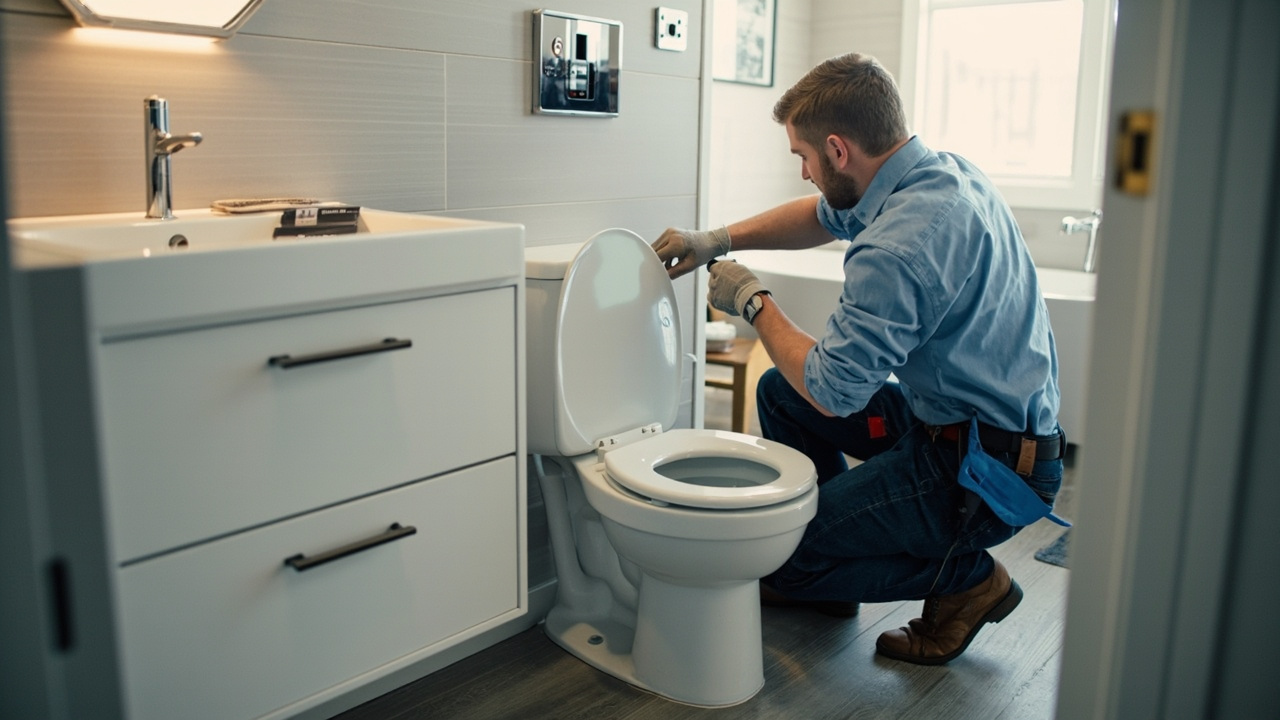
Reliable Toilet Repair and Installation Services in Richfield

When your toilet starts acting up, it disrupts your whole household. Residents in Richfield often deal with specific plumbing challenges…

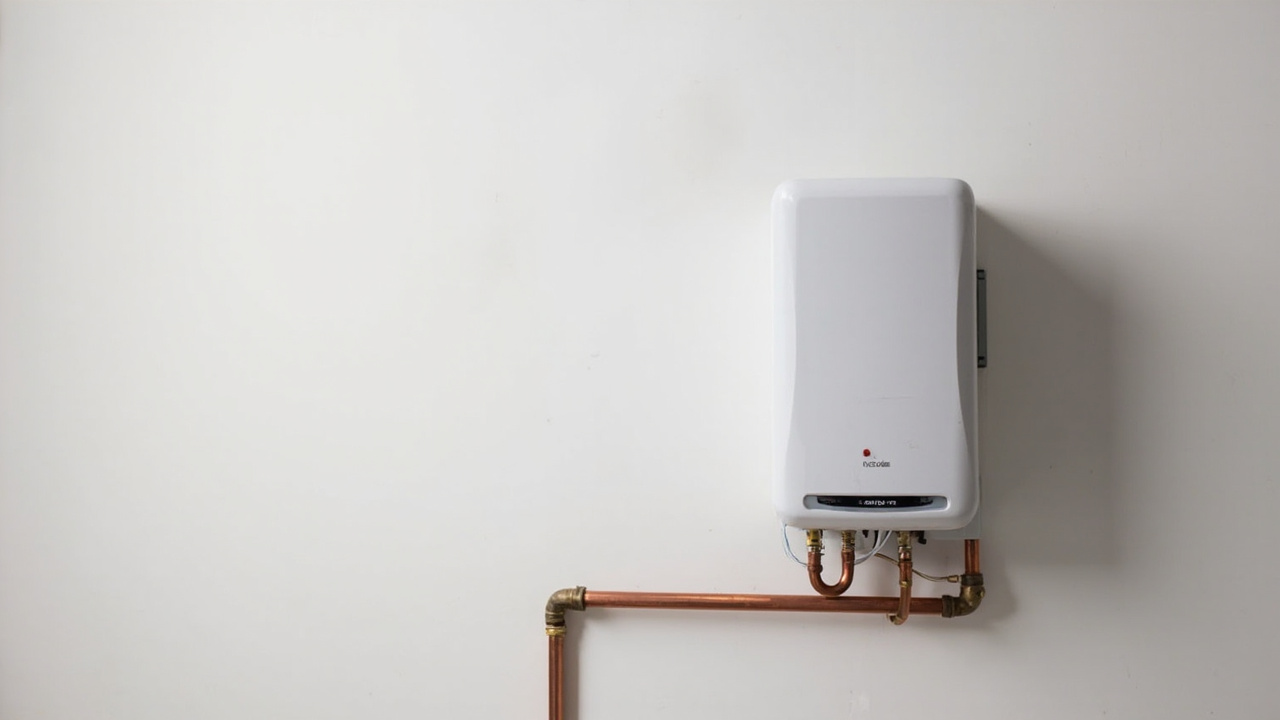
Why Your Northeast Minneapolis Home Needs a Tankless Water Heater

Why Your Northeast Minneapolis Home Needs a Tankless Water HeaterNortheast Minneapolis homeowners face unique challenges with aging infrastructure and compact…

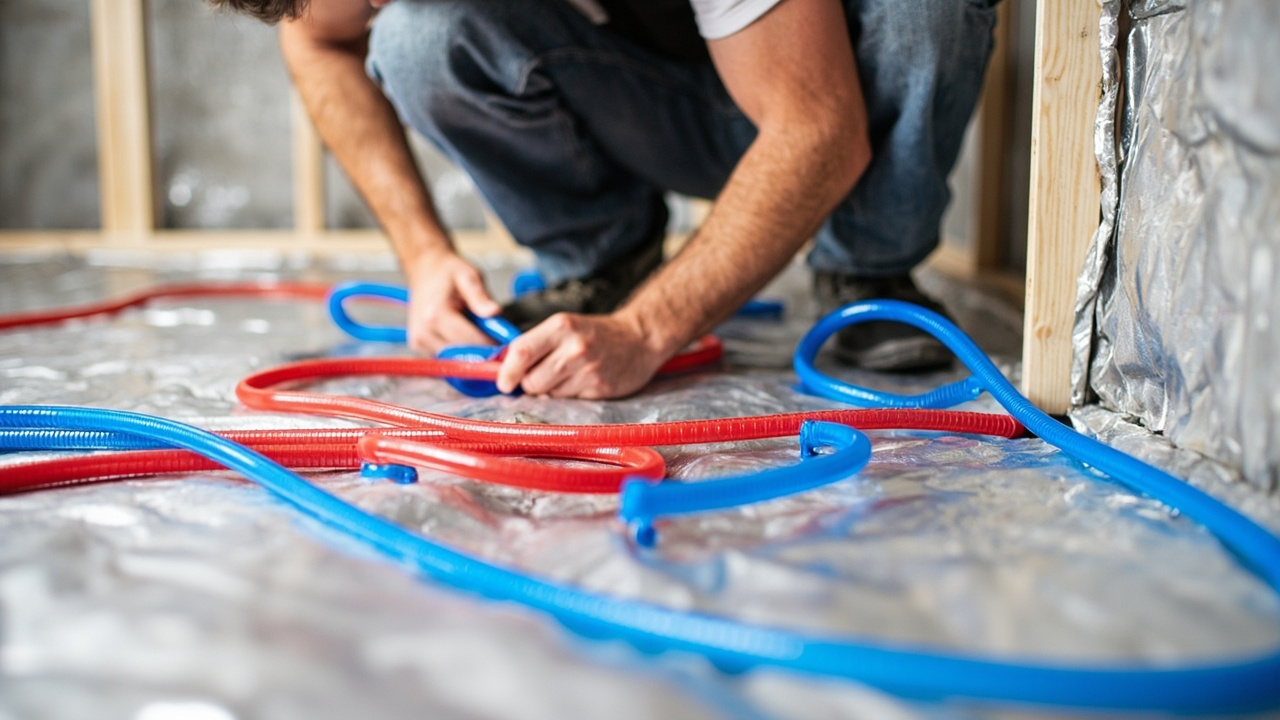
Choosing Radiant Floor Heating for Your Mendota Heights Remodel

High Performance Heating for Mendota Heights RenovationsMendota Heights homeowners face some of the most demanding winter conditions in the country.…

Contact Us

Mold in bathroom cabinets will not fix itself. The longer you wait, the worse the damage becomes. Call Pioneer Plumbing Minneapolis now at (651) 588-9979 to schedule a diagnostic inspection and stop the moisture source permanently.