



menu

Safe Drain Cleaning Products in Minneapolis – Expert Guidance on Eco-Friendly Solutions That Protect Your Pipes and Water Supply

Get professional recommendations on non-toxic drain openers, enzymatic cleaners, and septic safe clog removers that clear blockages without damaging your plumbing system or contaminating Minneapolis's groundwater.

Slider Image 1
Slider Image 2
Slider Image 3
Slider Image 4
Slider Image 5
Slider Image 7
Slider Image 8
Slider Image 9
Slider Image 10
Slider Image 11

Why Minneapolis Homeowners Need Safe Drain Cleaning Alternatives

You stand in the hardware store aisle, staring at bottles promising instant drain clearing. The warning labels mention chemical burns, eye protection, and ventilation requirements. Your drain is slow, and you want a fix now, but you also have kids, pets, and a septic system that empties into Minnesota's groundwater table.

Minneapolis sits on top of the Mississippi River watershed, and what goes down your drain eventually reaches our shared water supply. Chemical drain cleaners containing sodium hydroxide and sulfuric acid do more than just clear clogs. They corrode galvanized pipes, destroy the beneficial bacteria in septic systems, and introduce toxic compounds into soil and groundwater. In homes built before 1970, which make up a significant portion of Minneapolis housing stock, these harsh chemicals accelerate pipe degradation that already faces stress from freeze-thaw cycles.

The bigger problem is that chemical cleaners often provide temporary relief while worsening the underlying issue. They burn through organic matter but leave soap scum, mineral buildup, and grease deposits untouched. The clog returns within weeks, and you pour more chemicals down the drain, creating a cycle of damage.

Eco-friendly drain cleaners and enzymatic drain cleaners work differently. They use biological processes to break down organic matter without generating the heat that damages pipes or the toxic residue that kills septic bacteria. Natural drain unblockers target the actual cause of most household clogs, hair and grease, without the collateral damage. For Minneapolis homeowners on municipal sewer or private septic systems, choosing non-toxic drain openers protects both your plumbing infrastructure and the environment you live in.

Why Minneapolis Homeowners Need Safe Drain Cleaning Alternatives
How Safe Drain Cleaning Products Actually Work

How Safe Drain Cleaning Products Actually Work

The plumbing industry has moved away from recommending caustic chemicals because we see the long-term damage they cause. Pioneer Plumbing Minneapolis educates customers on alternatives that clear drains without destroying pipes or ecosystems.

Enzymatic drain cleaners contain bacteria cultures and specific enzymes that digest organic waste. Protease enzymes break down protein-based clogs like hair and food waste. Lipase enzymes target fats and grease. Amylase enzymes handle starches. These biological agents work slowly but thoroughly, breaking down clogs at the molecular level without heat or corrosion. They are completely septic safe because they introduce beneficial bacteria rather than killing existing cultures.

Non-toxic drain openers using mechanical methods provide faster results. Products containing compressed air or carbon dioxide create pressure bursts that dislodge clogs without chemical contact. Enzyme-boosted formulas combine biological action with surfactants derived from plant sources that help break surface tension and flush debris.

Natural drain unblockers often use oxidizing agents like sodium percarbonate, which releases oxygen when mixed with water. This oxygen action breaks up organic material through a gentler chemical reaction than traditional lye-based cleaners. The byproduct is soda ash and water, not toxic residue.

For preventive maintenance, monthly enzyme treatments keep drains flowing by continuously digesting biofilm, the slimy layer of bacteria and organic matter that accumulates inside pipes. This proactive approach addresses clogs before they form, eliminating the need for emergency clearing.

We recommend specific products based on your plumbing configuration, the nature of the clog, and whether you have a septic system. Not all eco-friendly drain cleaners work equally well in all situations, and understanding the chemistry helps you choose the right solution.

Choosing the Right Safe Drain Cleaner for Your Situation

Safe Drain Cleaning Products in Minneapolis – Expert Guidance on Eco-Friendly Solutions That Protect Your Pipes and Water Supply
01

Identify the Clog Type

Kitchen drains clogged with grease need lipase-heavy enzymatic cleaners. Bathroom drains choked with hair respond better to protease enzymes or mechanical methods. Floor drains with soap scum buildup require surfactant-based natural unblockers. Knowing what you are clearing determines which product works. Look at where the clog occurs and what typically goes down that drain to match the right enzymatic formula or non-toxic opener to the problem.
02

Check Septic Compatibility

If you have a septic system, verify the product label specifically states septic safe. Many natural drain unblockers kill beneficial bacteria just like chemical cleaners. Look for enzymatic drain cleaners that add bacterial cultures rather than destroy them. Products with oxidizing agents are usually safe, but avoid anything containing quaternary ammonium compounds or chlorine bleach. Minneapolis has thousands of homes on private septic systems, especially in outer neighborhoods, and protecting that biological treatment process is critical.
03

Apply and Monitor Results

Eco-friendly drain cleaners work slower than chemical alternatives. Enzymatic products need 6 to 8 hours of contact time to break down organic clogs. Apply them before bed, let them work overnight, then flush with hot water in the morning. For preventive maintenance, monthly treatments keep drains clear. If natural methods do not resolve the clog within 24 hours, you likely have a mechanical blockage requiring professional clearing. Persistent clogs indicate deeper issues that safe products cannot address alone.

Why Pioneer Plumbing Minneapolis Recommends Safe Drain Solutions

We have cleared thousands of drains in Minneapolis, and we see the pattern. Homeowners use chemical cleaners repeatedly, the pipes deteriorate, and we get called to replace corroded drain lines. The short-term fix creates expensive long-term problems.

Our technicians work in homes throughout Minneapolis, from the historic Victorians in Lowry Hill to the mid-century ramblers in Bloomington. We see how chemical drain cleaners eat through aging cast iron, corrode galvanized fittings, and soften PVC joints. In older homes with original plumbing, one bottle of sulfuric acid-based cleaner can shorten pipe lifespan by years. The heat generated during the chemical reaction, often exceeding 200 degrees, warps plastic pipes and damages soldered joints in copper lines.

Minneapolis water contains moderate mineral content, which means your pipes already deal with calcium and magnesium buildup. Chemical cleaners do nothing to address this scale, they just burn through organic matter and leave mineral deposits intact. Enzymatic drain cleaners and natural drain unblockers target the actual clog composition without damaging pipe walls or fixtures.

We recommend non-toxic drain openers because they align with professional drain clearing methods. When we clear a drain mechanically with a cable auger or hydro-jetter, we remove the clog and preserve the pipe. Safe drain cleaning products do the same thing chemically, breaking down organic matter without collateral damage.

For customers with septic systems, using septic safe clog removers protects the investment in their treatment system. A healthy septic tank requires balanced bacterial cultures to digest waste. Chemical cleaners destroy these bacteria, leading to system failure and expensive tank pumping or replacement.

We stock and recommend specific brands of eco-friendly drain cleaners because we have tested them in real Minneapolis plumbing scenarios. We know which products work and which are marketing gimmicks.

What You Need to Know About Safe Drain Cleaning

Realistic Timeframes for Results

Chemical drain cleaners promise instant results, but safe alternatives require patience. Enzymatic drain cleaners need 6 to 12 hours to break down organic clogs. Natural drain unblockers using oxidizing agents work faster, typically clearing slow drains within 2 to 4 hours. For preventive maintenance, monthly enzyme treatments keep drains flowing without emergency intervention. If you need immediate clearing, mechanical methods like plunging or drain snaking provide faster results than any chemical product. Understanding the realistic timeline helps you choose the right approach. Emergency clogs need professional mechanical clearing, while slow drains and preventive care work well with eco-friendly products.

When Professional Clearing Is Necessary

Safe drain cleaning products only work on organic clogs, hair, grease, soap scum, and food waste. They cannot clear mechanical blockages like tree roots, collapsed pipes, or foreign objects lodged in drain lines. If natural drain unblockers do not improve flow within 24 hours, you have a problem requiring professional diagnosis. Standing water that does not drain at all, gurgling sounds from multiple fixtures, or sewage backup indicate main line blockages that products cannot fix. We use video camera inspection to identify the exact blockage location and type, then clear it with the appropriate equipment. Knowing when to call a professional prevents damage from repeated chemical use and wasted money on ineffective products.

Effectiveness on Different Pipe Materials

Non-toxic drain openers work safely on all pipe materials, including PVC, ABS, copper, cast iron, and galvanized steel. Chemical cleaners generate heat that can warp PVC, corrode metal, and damage rubber gaskets. Enzymatic drain cleaners operate at ambient temperature and use biological processes that leave pipes untouched. This makes them ideal for older Minneapolis homes with mixed plumbing materials where previous owners added PVC drain sections to original cast iron lines. Natural drain unblockers protect pipe integrity while clearing clogs, extending the service life of your entire drain system. For homes with newer PEX water supply lines, safe products prevent accidental damage if someone pours cleaner down the wrong drain.

Preventive Maintenance Schedules

Monthly enzyme treatments prevent clog formation before you notice slow drainage. Pour a measured dose of enzymatic drain cleaner down each drain at night, let it work for 8 hours, then flush with hot water in the morning. This routine digests biofilm buildup and keeps drains flowing freely. For kitchen drains that handle grease, weekly hot water flushes combined with monthly enzyme treatments provide optimal protection. Bathroom drains with heavy hair accumulation benefit from quarterly mechanical clearing in addition to enzyme maintenance. Septic safe clog removers used preventively extend the time between tank pumping by maintaining healthy bacterial cultures. Pioneer Plumbing Minneapolis can establish a customized maintenance schedule based on your household size, plumbing age, and usage patterns.

Frequently Asked Questions

You Have Questions,
We Have Answers

What is the safest drain cleaner for your pipes? +

Enzyme-based drain cleaners are the safest option for your pipes. These products use bacteria and enzymes to break down organic matter without corroding metal pipes or damaging PVC. Look for Bio-Clean or Earth Enzymes at local Minneapolis hardware stores. Hot water flushes also work well for maintenance. Avoid chemical drain cleaners with sodium hydroxide or sulfuric acid. They generate heat that can warp pipes and damage older plumbing common in Minneapolis homes built before 1970. For stubborn clogs, a drain snake or professional hydro-jetting protects your pipes better than harsh chemicals.

What do plumbers recommend to keep drains clean? +

Plumbers recommend monthly hot water flushes to prevent buildup. Pour a full kettle of boiling water down each drain once per month. For kitchen sinks, use a mesh strainer to catch food particles and grease before they enter pipes. In Minneapolis, hard water leaves mineral deposits, so occasional enzyme treatments help maintain flow. Never pour grease down drains. It solidifies in cold Minnesota temperatures and creates blockages. Install hair catchers in bathroom drains. For garbage disposals, run cold water during use and grind citrus peels monthly to control odors and keep blades clean.

Is Green Gobbler safer than Drano? +

Green Gobbler is safer than Drano for most applications. It uses enzyme and bacteria formulas that break down clogs without generating the extreme heat that Drano produces. Drano contains sodium hydroxide and bleach, which can damage older pipes, crack PVC joints, and create toxic fumes. Green Gobbler works slower but protects your plumbing system. For Minneapolis homes with aging cast iron or galvanized pipes, Green Gobbler prevents corrosion that chemical cleaners accelerate. Neither product fixes serious blockages. If you have recurring clogs or slow drains, call a plumber to identify the root cause.

What is the best natural drain cleaner? +

The best natural drain cleaner combines hot water with enzyme treatments. Boil water and pour it slowly down the drain to melt grease and soap buildup. Follow with an enzyme-based product like Bio-Clean or Earthworm Family-Safe Drain Cleaner. These use beneficial bacteria to digest organic matter over 6-8 hours. For maintenance, pour half a cup of baking soda followed by boiling water monthly. Skip the vinegar, it neutralizes the cleaning action. Minneapolis water hardness requires more frequent enzyme treatments than other regions. Natural methods work for prevention, not emergency clogs.

Why do plumbers say not to use drain cleaner? +

Plumbers warn against drain cleaners because they mask the real problem and damage pipes. Chemical cleaners like Drano generate temperatures exceeding 200 degrees, which can melt PVC joints and corrode metal pipes. The chemicals sit in your plumbing and continue eating away at pipe walls long after the clog clears. In Minneapolis homes with older cast iron stacks or galvanized lines, this accelerates corrosion and leads to expensive pipe replacements. Repeated use weakens pipe integrity. Most clogs result from improper use or venting issues that chemicals cannot fix. Professional diagnosis prevents bigger problems.

What do plumbers recommend instead of Drano? +

Plumbers recommend mechanical removal over chemical products like Drano. A drain snake or auger physically breaks up clogs without damaging pipes. For kitchen sinks, remove the P-trap and clean it manually. Hydro-jetting uses high-pressure water to clear buildup and works exceptionally well for Minneapolis homes with mineral deposits from hard water. For maintenance, use enzyme-based cleaners monthly. They digest organic matter safely without corrosive chemicals. If you have recurring clogs, the issue is likely a venting problem, root intrusion, or pipe bellying. A camera inspection identifies the real cause and saves money long-term.

Why should you never use baking soda and vinegar to unclog a drain? +

Baking soda and vinegar creates a fizzy reaction that looks impressive but does not clean drains effectively. The chemical reaction produces carbon dioxide gas and water, which neutralizes both ingredients into salt water. This mixture has no cleaning power. The fizzing action cannot break down grease, hair, or soap scum causing most clogs. You waste both products by combining them. Instead, use baking soda alone followed by boiling water for mild deodorizing, or choose enzyme cleaners for actual buildup removal. This common internet remedy persists despite being ineffective for Minneapolis plumbing maintenance.

Why pour salt down the drain every night? +

Pouring salt down drains every night is an outdated practice with limited benefit. Salt can help control odors temporarily by absorbing moisture where bacteria grow. It may also provide mild abrasive action against soft buildup when followed by hot water. However, salt does not dissolve grease or clear clogs. In Minneapolis, where homes have hard water, salt adds to mineral buildup rather than preventing it. Monthly hot water flushes or enzyme treatments work better for prevention. Salt also corrodes metal pipes over time. Skip this nightly ritual and focus on proper drain maintenance habits instead.

Does Dawn dish soap unclog drains? +

Dawn dish soap can help with minor grease clogs when combined with boiling water. Squirt a quarter cup of Dawn into the drain, then pour a full kettle of boiling water slowly. The soap breaks down grease molecules so hot water can flush them through pipes. This works for fresh grease buildup, not solidified clogs or hair blockages. In Minneapolis winters, grease solidifies quickly in cold pipes, making this method less effective than in warmer climates. Use this trick for prevention after cooking greasy meals. For established clogs, you need mechanical removal or professional help, not dish soap.

What are two things you should never flush down a toilet? +

Never flush wipes or feminine hygiene products down toilets. Flushable wipes do not break down despite marketing claims. They tangle with other debris and create massive clogs in sewer lines. Minneapolis homeowners face expensive repairs when wipes block the main sewer line or damage lift stations. Feminine hygiene products absorb water and expand, creating blockages that require professional removal. Both items belong in trash cans, not toilets. Also avoid flushing dental floss, cotton swabs, cat litter, and medication. Only human waste and toilet paper should enter your plumbing system. Everything else risks clogs and environmental contamination.

How Minneapolis Water Quality Affects Drain Cleaner Effectiveness

Minneapolis water comes from the Mississippi River and underground aquifers, treated to meet federal standards but still containing moderate levels of calcium, magnesium, and iron. This mineral content creates scale deposits inside drain pipes over time, narrowing the effective diameter and creating rough surfaces where organic material catches and accumulates. Chemical drain cleaners burn through organic clogs but leave mineral scale untouched, providing temporary relief while the underlying restriction remains. Enzymatic drain cleaners and natural drain unblockers work with Minneapolis water chemistry rather than against it, breaking down organic material without affecting mineral deposits. For comprehensive drain maintenance, combining eco-friendly drain cleaners with periodic mechanical descaling removes both organic and mineral buildup, restoring full flow capacity.

Minneapolis enforces strict environmental regulations protecting the Mississippi River watershed and groundwater table. What goes down residential drains enters the municipal sewer system or private septic tanks, eventually reaching soil and water. Using septic safe clog removers and non-toxic drain openers aligns with city environmental initiatives and protects shared water resources. Pioneer Plumbing Minneapolis works throughout the metro area, and we understand local code requirements and environmental concerns. Our recommendations for eco-friendly drain cleaners reflect both technical effectiveness and environmental responsibility. Choosing safe drain cleaning products protects your plumbing investment and demonstrates good stewardship of Minneapolis's water resources, a value the community takes seriously.
Plumbing Services in The Minneapolis Area

Discover the convenient location of Pioneer Plumbing and explore our extensive service area. We are proudly situated to serve the entire Minneapolis region and surrounding communities, ensuring our expert plumbing solutions are always within reach. Feel free to visit our office or use the map below to pinpoint our location for in-person inquiries or simply to confirm our proximity for your next plumbing need. We're always ready to connect!

Address:
Pioneer Plumbing Minneapolis, 2355 MN-36, Minneapolis, MN, 55113

Additional Services We Offer

Our news updates

Latest Articles & News from The Blogs

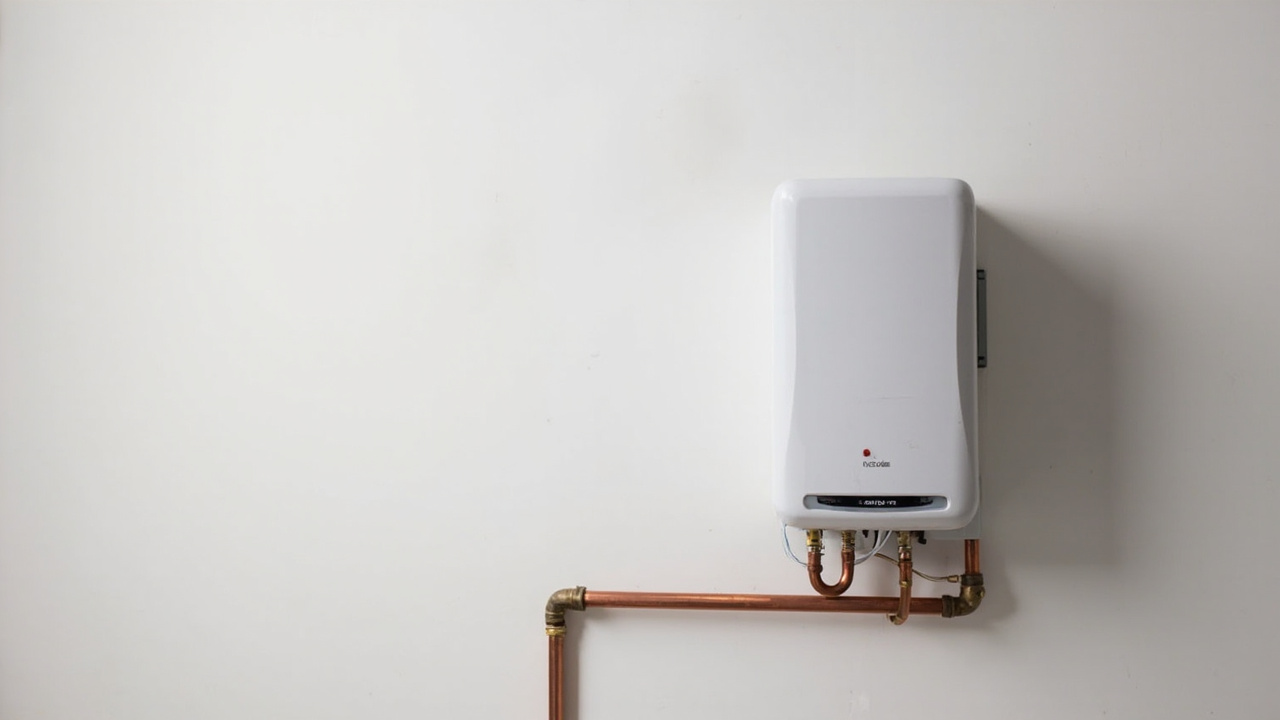
Why Your Northeast Minneapolis Home Needs a Tankless Water HeaterNortheast Minneapolis homeowners face unique challenges with aging infrastructure and compact…

Why Your Northeast Minneapolis Home Needs a Tankless Water Heater

Why Your Northeast Minneapolis Home Needs a Tankless Water HeaterNortheast Minneapolis homeowners face unique challenges with aging infrastructure and compact…

Choosing Radiant Floor Heating for Your Mendota Heights Remodel

High Performance Heating for Mendota Heights RenovationsMendota Heights homeowners face some of the most demanding winter conditions in the country.…

Eliminating Orange Stains From Your Laundry and Tubs in Minnetrista

How to Fix Orange Water Stains in Minnetrista Well Water Residents living near the western shores of Lake Minnetonka or…

Contact Us

Stop gambling with harsh chemicals that damage your pipes and threaten your water supply. Call Pioneer Plumbing Minneapolis at (651) 588-9979 for professional recommendations on eco-friendly drain cleaners that work for your specific plumbing situation. We provide honest guidance on when products work and when you need professional clearing.