





Minneapolis plumbing takes a beating. Winter temperatures drop below zero for weeks, freezing water in pipes and cracking fixtures. Spring thaw floods basements across Powderhorn and Longfellow when ground movement shifts century-old sewer lines. Summer humidity corrodes copper joints faster than in drier climates.
The city sits on a mix of clay and sandy loam that expands and contracts with moisture, shifting foundation walls and stressing pipe connections. Many Minneapolis neighborhoods like Whittier and Seward have homes built between 1900 and 1950 with original cast iron drain lines now approaching failure. These pipes rust from the inside, collapse without warning, and back sewage into basements.
Hard water from Minneapolis wells deposits minerals in water heaters and narrows pipe diameters. A water heater lasting 15 years in soft water areas fails in 8 years here. Limestone and calcium build up in fixtures, reducing water pressure and forcing replacement of faucets and showerheads.
Minneapolis building codes require specific venting for plumbing systems, backflow prevention on irrigation lines, and proper slope on all drain pipes. Homes near the Mississippi River in neighborhoods like Marcy-Holmes need additional sump pump capacity to handle high water tables. These local conditions demand plumbers who understand Minneapolis specifically, not just general plumbing theory.
Pioneer Plumbing Minneapolis built our reputation responding to frozen pipe emergencies at 2 AM in Linden Hills and clearing main line backups during spring floods in St. Anthony. We know which Minneapolis neighborhoods have cast iron that's failing now, where sewer lines run shallow and freeze, and which streets have clay soil that crushes pipes during ground movement.
Our trucks carry parts that fit plumbing systems common to Minneapolis homes. We stock brass fittings for 1920s copper, couplings for cast iron to PVC transitions, and frost-proof hose bibs that survive Minnesota winters. When we arrive, we have what we need. No running to supply houses while water damages your home.
We trained our technicians on Minneapolis plumbing specifically. They understand how freeze-thaw cycles crack slab foundations and break water lines. They recognize when cast iron needs replacement versus repair. They know Minneapolis inspection requirements and pull permits when code requires it.
Speed matters in plumbing emergencies. A burst pipe releases 400 gallons per hour. Every minute water runs, damage spreads to floors, walls, and furnishings. We dispatch within 30 minutes and arrive with diagnostic tools that locate problems fast. We stop the water, assess the damage, and present options. You decide what gets fixed and when.
We serve Minneapolis full time. Our technicians live in Bryn Mawr, work in Nokomis, and respond to calls across the city daily. We know the streets, we understand the housing stock, and we stand behind our work with real warranties. When you call Pioneer Plumbing Minneapolis, you get plumbers who know this city.

When pipes burst or sewers back up, minutes matter. We dispatch immediately with fully stocked trucks ready for Minneapolis emergencies. Our technicians arrive fast, stop the damage, and start repairs while other companies are still answering phones. Available 24/7 including holidays.

Our plumbers understand challenges specific to Minneapolis homes: freeze-thaw pipe damage, cast iron failure timelines, hard water effects, and clay soil movement. We know local codes, inspection requirements, and which fixes work in Minnesota climate. Generic training fails here. Local knowledge succeeds.
We carry parts that fit Minneapolis plumbing systems on every truck. Brass fittings for old copper, cast iron couplings, frost-proof fixtures, and water heater elements. When we diagnose the problem, we fix it immediately. No delays waiting for parts while damage spreads in your home.
We live and work in Minneapolis. Our warranties mean something because we're here tomorrow to honor them. When we replace a water heater in Kenwood or repipe a home in Lowry Hill, we guarantee the work. You can find us, call us, and hold us accountable.
Pioneer Plumbing Minneapolis handles everything from emergency water heater replacements to planned whole-home repiping projects. Minneapolis plumbing contractors must understand both crisis response and systematic upgrades. A burst pipe needs immediate repair. Failing cast iron drain lines need strategic replacement before they collapse.
We divide our plumbing services into three categories based on urgency and scope. Emergency repairs stop active damage and restore function immediately. Routine maintenance and fixture upgrades improve performance and prevent future failures. System replacements address aging infrastructure before catastrophic failure destroys property.
Each service category requires different skills, tools, and approaches. Emergency work demands speed and stocked trucks. Maintenance work requires diagnostic skill and honest assessment. Replacement projects need planning, permits, and installation expertise. Professional plumbers master all three categories. We respond to water heater failures in Prospect Park at midnight, install new fixtures in Fulton remodels, and replace entire drain systems in Lynnhurst homes built in 1925.
Minneapolis homes need plumbing contractors who handle immediate crises and long-term solutions. Water damage doesn't wait for business hours. Aging pipes don't improve with time. We provide both emergency response and planned upgrades so Minneapolis residents get the plumbing repair services they need when they need them.
Burst pipes, failed water heaters, sewer backups, and frozen lines demand immediate response. We dispatch emergency plumbing teams within 30 minutes across Minneapolis. Our trucks carry diagnostic cameras, pipe thawing equipment, water extraction pumps, and parts for common emergency repairs. We stop water damage, clear blockages, restore heat to frozen pipes, and make repairs that last. Emergency plumbing services available every day including Christmas and New Year's when pipes freeze and systems fail.
We install water heaters, garbage disposals, sinks, faucets, toilets, and water softeners in Minneapolis homes. Proper installation prevents leaks, ensures warranty coverage, and extends equipment life. We handle gas and electric water heater installations with required permits and pressure testing. Fixture installations include supply line connections, drain configurations, and leak testing. Local plumbers who install equipment correctly save you money on future repairs and water damage prevention.
Homes built before 1960 often need complete drain line replacement as cast iron deteriorates. We replace failing drain systems, upgrade galvanized supply lines to copper or PEX, and install new vent stacks that meet current Minneapolis codes. System replacement projects include inspection coordination, permit acquisition, wall and floor access, pipe installation, and restoration. Plumbing contractors who handle large projects protect your investment by replacing aging systems before failure causes basement floods and foundation damage.
Minneapolis plumbing systems fail in predictable patterns. Understanding these common problems helps homeowners recognize issues early and prevent catastrophic damage. Our plumbing repair services address failures caused by age, climate, and water quality specific to the Minneapolis area.
Cast iron drain lines installed between 1900 and 1960 deteriorate from the inside. Rust narrows pipe diameter, rough surfaces catch debris, and weakened pipes collapse under soil pressure. Homes in Seward, Longfellow, and Phillips built during this era face imminent drain failure. We camera inspect drain lines to show homeowners the interior condition before pipes fail completely.
Freeze-thaw cycles crack pipes, break fixtures, and damage water heaters. Water expands when frozen, generating thousands of pounds of pressure inside copper and PEX lines. Pipes in exterior walls, unheated crawl spaces, and attics freeze during cold snaps. We insulate vulnerable pipes and install heat tape on lines prone to freezing.
Hard water deposits minerals in water heaters, reducing efficiency and shortening lifespan. Minneapolis water contains calcium and magnesium that precipitate out when heated. These deposits accumulate in tank bottoms, insulate heating elements, and corrode tanks from the inside. Professional plumbers flush water heaters annually to extend their working life.
Sewer line problems increase during spring thaw when ground movement shifts pipes. Clay soil expands when wet, contracts when dry, and cycles annually with seasons. This movement cracks rigid pipes, separates joints, and creates openings for tree roots. We line damaged sewer pipes with epoxy coatings that seal cracks without excavation.
Drain lines installed before 1960 rust from the inside, narrowing pipes and creating rough surfaces that catch debris. Eventually pipes collapse, backing sewage into basements. We camera inspect drains to assess condition and replace failing sections before catastrophic failure. Homes in older Minneapolis neighborhoods need drain inspection every 5 years.
Sub-zero temperatures freeze water in pipes located in exterior walls, crawl spaces, and unheated areas. Frozen water expands, cracking copper and PEX lines. When pipes thaw, water floods through cracks into walls and ceilings. We thaw frozen pipes with heat guns and steam, preventing bursts. Proper insulation and heat tape protect vulnerable lines.
Hard water shortens water heater life in Minneapolis. Mineral deposits accumulate in tanks, insulate heating elements, and corrode steel. Water heaters rated for 12 years often fail in 7 years here. We flush tanks annually to remove sediment and extend life. When heaters fail, we replace them same day with properly sized units.
Tree roots grow into sewer lines through cracks and joints, seeking water and nutrients. Roots expand inside pipes, catching debris and creating blockages. We clear roots with augering equipment and line pipes with epoxy coating that seals cracks and prevents future intrusion. Camera inspection identifies root entry points before complete blockage occurs.
Professional plumbing service starts with clear communication and ends with working systems you can trust. When you call Pioneer Plumbing Minneapolis, you talk to someone who understands plumbing emergencies and schedules technicians based on urgency. Burst pipes get immediate dispatch. Dripping faucets get scheduled during business hours.
Our technicians arrive in marked trucks with contact information visible. We wear uniforms, carry identification, and introduce ourselves before entering your home. We put on shoe covers, spread drop cloths to protect floors, and respect your property. Professional plumbers treat your home like their own.
We diagnose problems accurately before starting repairs. Our technicians use cameras to inspect drain lines, pressure gauges to test systems, and leak detection equipment to locate hidden water. We explain what we find in plain language, show you photos of problem areas, and present repair options with transparent pricing. You decide what gets fixed and when.
After repairs, we test systems to confirm proper function. Water pressure gets measured, drains get flow-tested, and fixtures get checked for leaks. We clean up completely, removing old parts and installation debris. Before we leave, we explain what we did, answer your questions, and provide warranty information. You get documentation of all work performed.
We follow up after major repairs to confirm everything works correctly. If problems develop, we return immediately to make it right. Our warranty covers both parts and labor because we stand behind our work.
We listen to your description of the problem, ask questions to understand symptoms, and inspect systems thoroughly. Our technicians use diagnostic equipment to locate issues accurately rather than guessing. We explain findings in clear language, show you photos or video of problem areas, and present repair options with upfront pricing. No work begins until you approve the plan and cost.
Our plumbers install parts correctly, following manufacturer specifications and Minneapolis codes. We test water pressure, check drain flow, verify proper venting, and inspect for leaks before considering the job complete. Professional plumbers don't rush installations. We take time to do it right because faulty work costs you more money when systems fail prematurely or cause water damage.
We warranty our plumbing repairs because we're confident in our work. If problems develop, we return immediately to make corrections at no additional cost. Our warranties cover both parts and labor on installations and repairs. We follow up after major projects to confirm systems work correctly. When you hire Pioneer Plumbing Minneapolis, you get service that lasts.
Professional plumbing service follows a clear process that protects your home and solves problems permanently. We break our work into three phases so you know what to expect from initial contact through project completion.
When you call (651) 588-9979, we assess urgency and dispatch accordingly. Burst pipes and sewer backups get immediate response. Planned fixture installations and routine maintenance get scheduled at your convenience. We confirm appointment windows, provide technician names, and call when we're 30 minutes away. Emergency calls receive response within 30 minutes across Minneapolis.
Our technician inspects your plumbing system, uses diagnostic equipment to identify problems accurately, and explains findings in clear terms. We present repair options with upfront pricing that includes parts, labor, and cleanup. No hidden fees or surprise charges. You approve the work and cost before we start. If you decline repairs, you pay only the diagnostic fee.
We complete repairs using quality parts and proper techniques. After installation, we test systems to confirm proper function, clean the work area completely, and document all work performed. You receive warranty information and maintenance recommendations. We follow up after major projects to confirm satisfaction. If problems develop, we return immediately to make corrections under warranty.
Minneapolis plumbing installations must comply with the Minnesota State Plumbing Code, which adopts the Uniform Plumbing Code with state-specific amendments. The city requires permits for water heater replacements, fixture relocations, pipe material changes, and any work that alters drain, waste, or vent systems. Permits ensure inspections verify code compliance and protect property values.
Proper drain, waste, and vent systems require specific pipe slopes, trap configurations, and vent terminations. Horizontal drain pipes must slope at least 1/4 inch per foot to prevent standing water and debris accumulation. Each fixture requires a properly sized trap that prevents sewer gas entry while allowing drainage. Vent pipes must extend through the roof and terminate at specified heights to prevent blockage from snow and ice.
Water supply systems must maintain minimum pressure of 40 PSI at fixtures while not exceeding 80 PSI at any point. Pressure reducing valves protect fixtures and prevent premature failure when city water pressure exceeds 80 PSI. Backflow prevention devices are required on irrigation systems, commercial buildings, and any connection that could contaminate potable water.
Minnesota requires frost-proof hose bibs on all exterior water connections. Standard hose bibs freeze and burst during winter. Frost-proof bibs locate the valve seat inside the heated building envelope, preventing freeze damage. Proper installation includes pitching the pipe downward toward the outlet so water drains completely when closed.
Water heater installations require temperature and pressure relief valves piped to floor drains or exterior terminations. Relief valves prevent explosions if thermostats fail and water temperatures exceed safe limits. Discharge pipes must be rigid metal or CPVC, sized to match the valve outlet, and terminate without threads that could allow caps or plugs to create dangerous pressure buildup.
Professional plumbing contractors pull permits, schedule inspections, and document code compliance because proper installation protects your home and maintains property value. Unlicensed work voids insurance coverage if leaks cause damage and creates expensive correction requirements when homes are sold.
Minneapolis adopts the Uniform Plumbing Code with Minnesota amendments. All water heater replacements, fixture relocations, and drain system modifications require permits and inspections. Proper venting, trap configuration, and pipe slope are mandatory. Professional plumbers ensure code compliance, pull permits, and schedule required inspections to protect your property value and insurance coverage.
Plumbing costs depend on pipe material, access difficulty, permit requirements, and system age. Repiping homes with plaster walls costs more than accessing open framing. Cast iron replacement requires demolition and restoration. Emergency service during nights and weekends includes premium rates because technicians work outside normal hours. Proper repairs cost more than shortcuts but prevent repeat failures.
Water heater replacements take 3-4 hours including permit and pressure testing. Fixture installations require 2-3 hours for proper connection and leak testing. Complete drain line replacements take multiple days depending on access and restoration requirements. Emergency repairs happen immediately, but permanent solutions may require follow-up appointments for parts or inspections. We provide accurate timelines upfront.
Minnesota requires plumbers to hold state licenses verified through examinations and experience documentation. Master plumber licenses authorize permit applications and supervise installations. Licensed plumbers carry liability insurance and workers compensation coverage that protects homeowners from injury claims and damage liability. Always verify licenses and insurance before hiring plumbing contractors for your home.
Professional plumbers from Pioneer Plumbing Minneapolis explain common plumbing problems facing Minneapolis homeowners, including frozen pipes, failing water heaters, cast iron drain deterioration, and sewer line root intrusion. Learn warning signs that predict plumbing failures, preventive maintenance techniques for Minnesota climate, and when to call emergency plumbing contractors. Covers plumbing repair services, system diagnostics, and code compliance requirements specific to Minneapolis residential properties.
Pioneer Plumbing Minneapolis provides emergency and scheduled plumbing services throughout the Minneapolis metro area. We respond to calls from downtown high-rises, historic homes in Kenwood and Lowry Hill, post-war bungalows in Nokomis and Howe, and newer construction in northeast neighborhoods near the University of Minnesota.
Each Minneapolis neighborhood presents unique plumbing challenges. Homes in Uptown and Lyn-Lake built between 1900 and 1930 often have original cast iron drain lines approaching failure. These dense neighborhoods have mature trees whose roots infiltrate aging sewer lines. We provide camera inspection and trenchless pipe lining that repairs drains without destroying landscaping in established yards.
North Minneapolis neighborhoods like Willard-Hay and Harrison feature homes built in the 1920s with galvanized steel supply lines that corrode from the inside. Low water pressure and rust-colored water indicate failing galvanized pipes. We repipe these homes with copper or PEX that resists corrosion and provides decades of reliable service.
South Minneapolis areas including Powderhorn, Longfellow, and Seward have clay soil that expands dramatically with moisture. Ground movement during spring thaw stresses pipe connections and cracks rigid drain lines. We install flexible couplings and proper expansion joints that accommodate soil movement without breaking pipes.
Northeast Minneapolis neighborhoods like St. Anthony and Marcy-Holmes sit near the Mississippi River floodplain. High water tables require robust sump pump systems and backup power to prevent basement flooding during heavy rain. We install primary and battery backup sump pumps that protect homes when power fails during storms.
Southwest Minneapolis communities including Linden Hills, Fulton, and Lynnhurst feature larger homes built in the 1940s and 1950s. These neighborhoods experience water heater failures, fixture upgrades during kitchen and bathroom remodels, and systematic repiping as copper supply lines age past 70 years. We handle both emergency repairs and planned renovation plumbing in these established residential areas.
Our service area extends throughout Hennepin County, including suburbs like St. Louis Park, Edina, Richfield, and Hopkins. We understand Minneapolis plumbing systems because we work here every day, training our technicians on problems specific to Minnesota climate and local housing stock.
Licensed plumbers in Minnesota typically charge between $85 and $150 per hour, depending on experience, complexity, and time of day. Minneapolis plumbers often charge premium rates for emergency calls during winter freeze events or after-hours service. Apprentices cost less, master plumbers more. Expect higher rates for specialized work like backflow testing or sewer scope inspections. Most reputable Minneapolis companies provide upfront pricing before starting work. Weekend and holiday rates run 25 to 50 percent higher. Always ask if the quote includes materials, permits, and disposal fees to avoid surprises.
Local Minneapolis plumbers charge $90 to $140 per hour for standard residential work. Rates vary based on license level, job complexity, and travel distance within the metro. South Minneapolis and Uptown service calls may differ slightly from North Loop pricing due to parking and access challenges. Many local companies offer flat-rate pricing instead of hourly billing, which benefits you on longer jobs. Emergency service during Minnesota winters often includes premium charges due to frozen pipe risks and urgent response needs. Get multiple quotes from Minneapolis-licensed plumbers to compare rates fairly.
Expect to pay $85 to $150 per hour for a licensed plumber in Minneapolis. Factors affecting cost include job difficulty, required permits, time of day, and whether specialized equipment is needed. Simple repairs like faucet replacements take less time than repiping or main line work. Master plumbers with decades of experience charge more than journeymen but often finish faster and right the first time. Emergency calls, especially during freeze-thaw cycles common to Minneapolis winters, command premium rates. Always confirm whether the hourly rate includes trip charges, materials, and cleanup.
Licensed plumbers in Minnesota typically charge between $85 and $150 per hour, depending on experience, complexity, and time of day. Minneapolis plumbers often charge premium rates for emergency calls during winter freeze events or after-hours service. Apprentices cost less, master plumbers more. Expect higher rates for specialized work like backflow testing or sewer scope inspections. Most reputable Minneapolis companies provide upfront pricing before starting work. Weekend and holiday rates run 25 to 50 percent higher. Always ask if the quote includes materials, permits, and disposal fees to avoid surprises.
Local Minneapolis plumbers charge $90 to $140 per hour for standard residential work. Rates vary based on license level, job complexity, and travel distance within the metro. South Minneapolis and Uptown service calls may differ slightly from North Loop pricing due to parking and access challenges. Many local companies offer flat-rate pricing instead of hourly billing, which benefits you on longer jobs. Emergency service during Minnesota winters often includes premium charges due to frozen pipe risks and urgent response needs. Get multiple quotes from Minneapolis-licensed plumbers to compare rates fairly.
Expect to pay $85 to $150 per hour for a licensed plumber in Minneapolis. Factors affecting cost include job difficulty, required permits, time of day, and whether specialized equipment is needed. Simple repairs like faucet replacements take less time than repiping or main line work. Master plumbers with decades of experience charge more than journeymen but often finish faster and right the first time. Emergency calls, especially during freeze-thaw cycles common to Minneapolis winters, command premium rates. Always confirm whether the hourly rate includes trip charges, materials, and cleanup.
Plumbing a 2000 square foot house in Minneapolis costs $8,000 to $15,000 for new construction, depending on fixture quality, bathroom count, and basement finishing. Repiping an existing 2000 square foot home runs $4,000 to $12,000, influenced by access difficulty and whether you choose PEX or copper. Minneapolis homes built before 1960 often need additional work for code compliance. Costs increase if you add a second-floor laundry, bar sink, or exterior hose bibs. Permit fees in Minneapolis add $200 to $500. Always budget 10 to 15 percent extra for unexpected issues.
Hidden plumbing costs include permit fees, wall and floor repair after accessing pipes, mold remediation if leaks went unnoticed, and code upgrades required by Minneapolis inspectors. Many older Minneapolis homes have galvanized pipes that fail during renovation, forcing unexpected repiping. Sewer line replacements often require city sidewalk or boulevard restoration fees. Fixture rough-in adjustments add cost if your new vanity does not match old plumbing locations. Disposal fees for old fixtures and contaminated soil removal also surprise homeowners. Always request a detailed written estimate that addresses access, restoration, and compliance costs upfront.
You can renovate a bathroom for $10,000 in Minneapolis, but expect budget-grade materials and limited scope. This budget covers a tub-to-shower conversion, new vanity, toilet replacement, and basic tile work if you keep the existing layout. Moving plumbing lines, adding radiant floor heating, or upgrading to premium fixtures quickly exceeds $10,000. Minneapolis permit fees and inspection requirements eat into your budget. Older homes often reveal hidden issues like rotted subfloors or outdated venting that require additional funds. Plan for 10 to 20 percent contingency to handle surprises without stopping work mid-project.
Negotiate plumber rates by getting three written quotes from licensed Minneapolis contractors and asking each to match or explain price differences. Request flat-rate pricing instead of hourly to cap costs on complex jobs. Ask about discounts for scheduling during slower winter months or combining multiple repairs in one visit. Many Minneapolis plumbers offer senior or military discounts. You can reduce labor costs by clearing work areas, removing old fixtures yourself, and being flexible on scheduling. Avoid negotiating after work starts. Respect fair pricing for licensed, insured professionals who guarantee their work and pull proper permits.
Plumbers charge premium rates because of expensive licensing requirements, ongoing education, liability insurance, specialized tools, and vehicle maintenance costs. Minneapolis plumbers invest in pipe cameras, hydro-jetters, and leak detection equipment that cost thousands. They absorb risks like flooding damage and code violations if work fails. Apprenticeship programs take years to complete. Emergency availability during Minnesota winters requires standby staff and heated equipment. Overhead includes permits, disposal fees, and workers compensation insurance. You pay for expertise that prevents costly mistakes, ensures code compliance, and protects your home value. Cheap plumbing often leads to expensive repairs later.
Many Minneapolis plumbers charge $75 to $150 for diagnostic visits but waive the fee if you proceed with repairs. This covers travel time, inspection, and written estimates. Emergency calls or after-hours quotes may cost more. Reputable companies provide free estimates for larger projects like water heater replacements or repiping but charge to diagnose existing problems. This prevents tire-kickers from wasting time on free advice. The fee ensures you get a licensed professional who identifies all issues accurately. If a plumber offers completely free quotes for diagnostic work, question whether they carry proper insurance and licensing in Minneapolis.
Good plumbers arrive on time, provide written estimates before starting work, and pull proper Minneapolis permits. They carry liability insurance, hold current Minnesota licenses, and explain repair options clearly without pressuring you. Quality plumbers use professional tools, clean up thoroughly, and guarantee their work in writing. They answer questions patiently and identify potential future issues during inspections. Check for established Minneapolis addresses, not just phone numbers. Good plumbers respect your home, wear shoe covers, and communicate delays promptly. They provide detailed invoices and follow up after completion to ensure satisfaction and address any concerns.
Plumbing a 2000 square foot house in Minneapolis costs $8,000 to $15,000 for new construction, depending on fixture quality, bathroom count, and basement finishing. Repiping an existing 2000 square foot home runs $4,000 to $12,000, influenced by access difficulty and whether you choose PEX or copper. Minneapolis homes built before 1960 often need additional work for code compliance. Costs increase if you add a second-floor laundry, bar sink, or exterior hose bibs. Permit fees in Minneapolis add $200 to $500. Always budget 10 to 15 percent extra for unexpected issues.
Hidden plumbing costs include permit fees, wall and floor repair after accessing pipes, mold remediation if leaks went unnoticed, and code upgrades required by Minneapolis inspectors. Many older Minneapolis homes have galvanized pipes that fail during renovation, forcing unexpected repiping. Sewer line replacements often require city sidewalk or boulevard restoration fees. Fixture rough-in adjustments add cost if your new vanity does not match old plumbing locations. Disposal fees for old fixtures and contaminated soil removal also surprise homeowners. Always request a detailed written estimate that addresses access, restoration, and compliance costs upfront.
You can renovate a bathroom for $10,000 in Minneapolis, but expect budget-grade materials and limited scope. This budget covers a tub-to-shower conversion, new vanity, toilet replacement, and basic tile work if you keep the existing layout. Moving plumbing lines, adding radiant floor heating, or upgrading to premium fixtures quickly exceeds $10,000. Minneapolis permit fees and inspection requirements eat into your budget. Older homes often reveal hidden issues like rotted subfloors or outdated venting that require additional funds. Plan for 10 to 20 percent contingency to handle surprises without stopping work mid-project.
Negotiate plumber rates by getting three written quotes from licensed Minneapolis contractors and asking each to match or explain price differences. Request flat-rate pricing instead of hourly to cap costs on complex jobs. Ask about discounts for scheduling during slower winter months or combining multiple repairs in one visit. Many Minneapolis plumbers offer senior or military discounts. You can reduce labor costs by clearing work areas, removing old fixtures yourself, and being flexible on scheduling. Avoid negotiating after work starts. Respect fair pricing for licensed, insured professionals who guarantee their work and pull proper permits.
Plumbers charge premium rates because of expensive licensing requirements, ongoing education, liability insurance, specialized tools, and vehicle maintenance costs. Minneapolis plumbers invest in pipe cameras, hydro-jetters, and leak detection equipment that cost thousands. They absorb risks like flooding damage and code violations if work fails. Apprenticeship programs take years to complete. Emergency availability during Minnesota winters requires standby staff and heated equipment. Overhead includes permits, disposal fees, and workers compensation insurance. You pay for expertise that prevents costly mistakes, ensures code compliance, and protects your home value. Cheap plumbing often leads to expensive repairs later.
Many Minneapolis plumbers charge $75 to $150 for diagnostic visits but waive the fee if you proceed with repairs. This covers travel time, inspection, and written estimates. Emergency calls or after-hours quotes may cost more. Reputable companies provide free estimates for larger projects like water heater replacements or repiping but charge to diagnose existing problems. This prevents tire-kickers from wasting time on free advice. The fee ensures you get a licensed professional who identifies all issues accurately. If a plumber offers completely free quotes for diagnostic work, question whether they carry proper insurance and licensing in Minneapolis.
Good plumbers arrive on time, provide written estimates before starting work, and pull proper Minneapolis permits. They carry liability insurance, hold current Minnesota licenses, and explain repair options clearly without pressuring you. Quality plumbers use professional tools, clean up thoroughly, and guarantee their work in writing. They answer questions patiently and identify potential future issues during inspections. Check for established Minneapolis addresses, not just phone numbers. Good plumbers respect your home, wear shoe covers, and communicate delays promptly. They provide detailed invoices and follow up after completion to ensure satisfaction and address any concerns.
Discover the convenient location of Pioneer Plumbing and explore our extensive service area. We are proudly situated to serve the entire Minneapolis region and surrounding communities, ensuring our expert plumbing solutions are always within reach. Feel free to visit our office or use the map below to pinpoint our location for in-person inquiries or simply to confirm our proximity for your next plumbing need. We're always ready to connect!
Address:
Minneapolis, MN, 55404
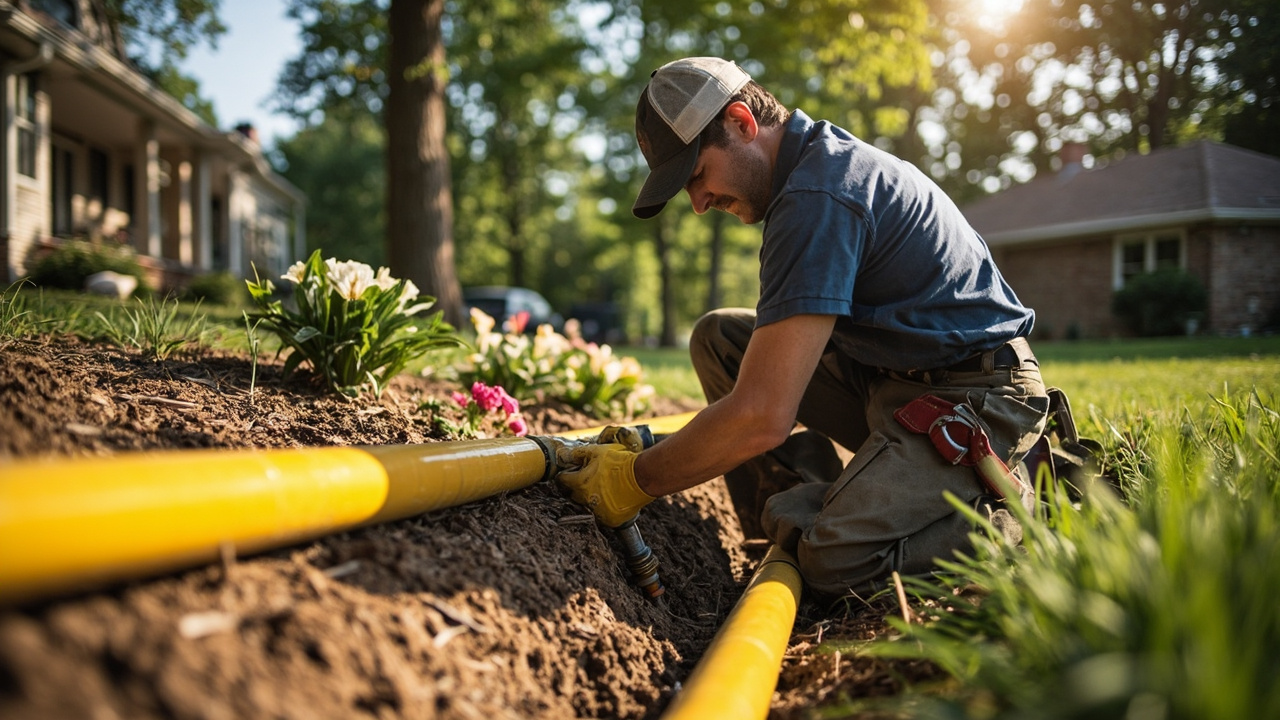
Minnetonka homeowners are leading the trend in luxury outdoor living this year. As the 2026 summer season approaches, residents from the Oak Knoll neighborhood to the shores of Lake Minnetonka are expanding their cooking spaces.…
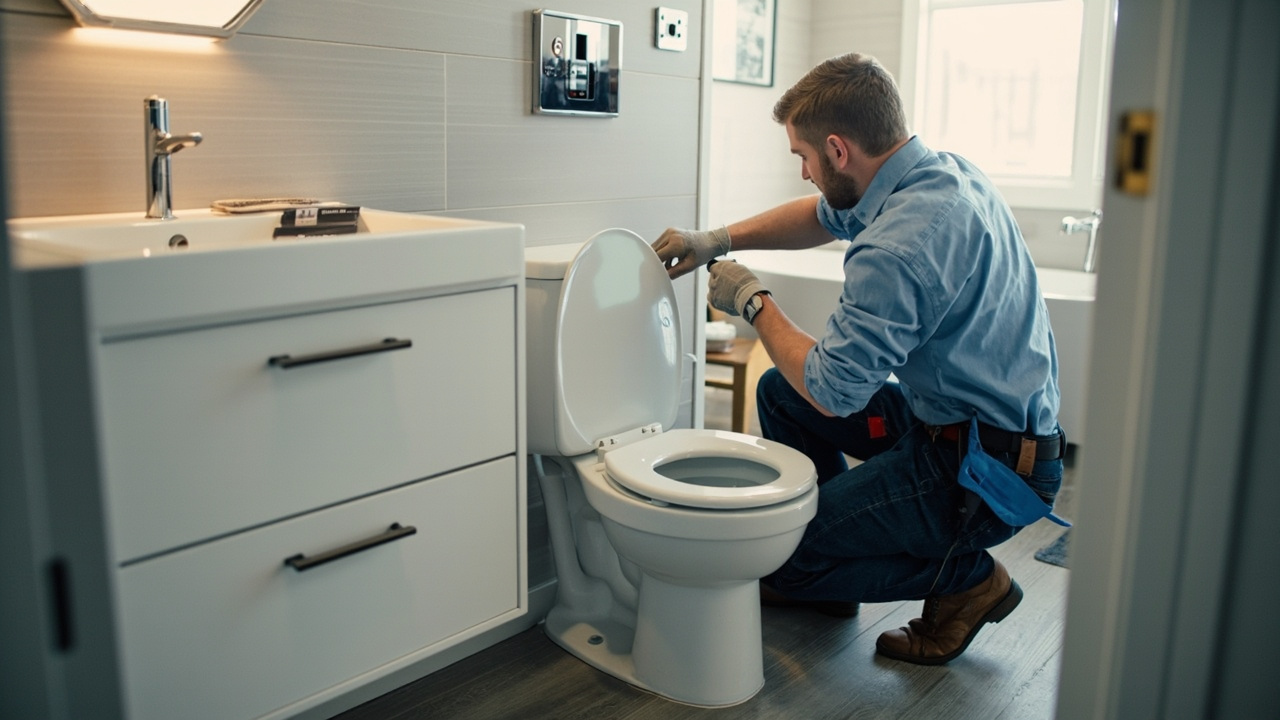
When your toilet starts acting up, it disrupts your whole household. Residents in Richfield often…
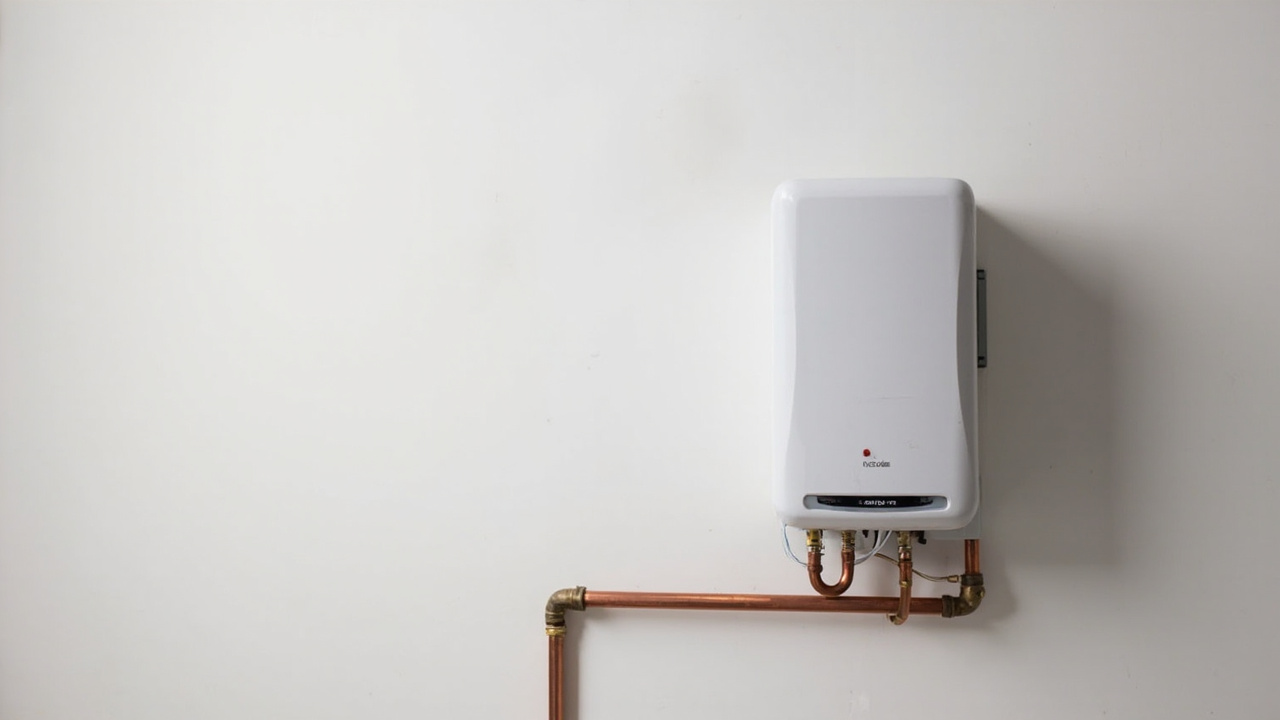
Why Your Northeast Minneapolis Home Needs a Tankless Water HeaterNortheast Minneapolis homeowners face unique challenges…
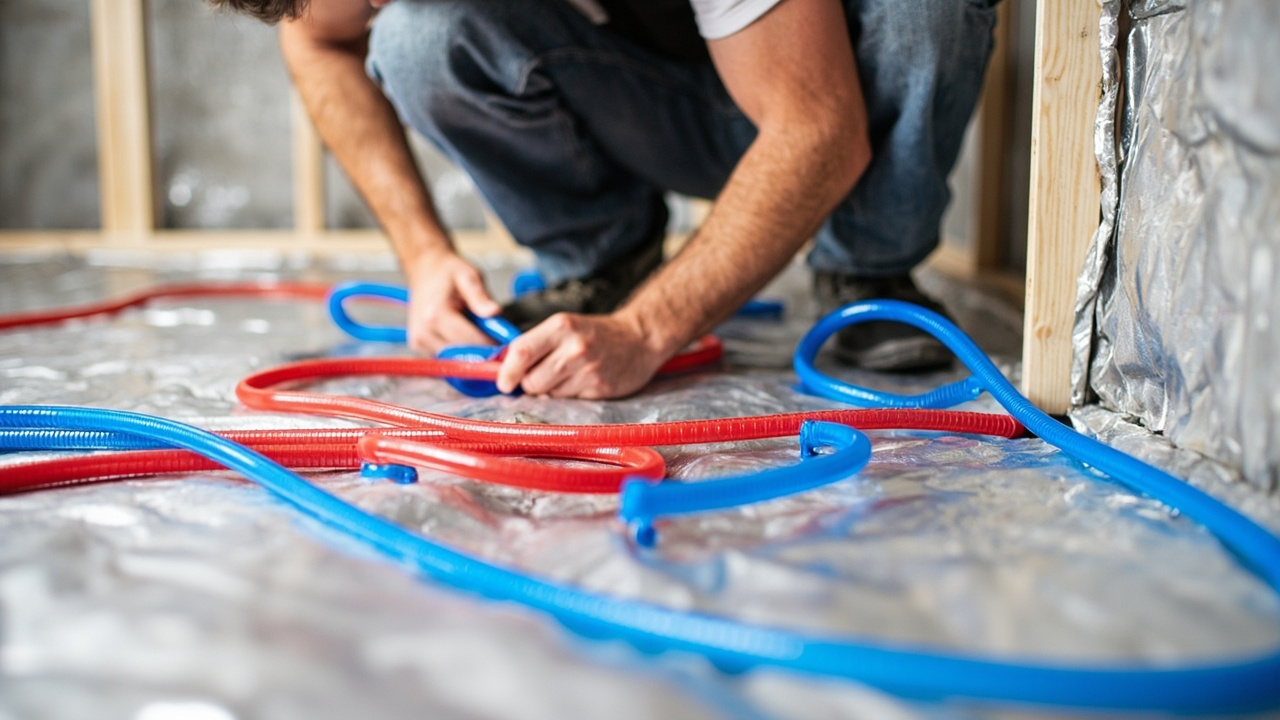
High Performance Heating for Mendota Heights RenovationsMendota Heights homeowners face some of the most demanding…
Don't let plumbing problems damage your Minneapolis home. Call Pioneer Plumbing Minneapolis at (651) 588-9979 for immediate emergency response or scheduled service appointments. Our trucks are ready, our plumbers are experienced, and we guarantee our work. Available 24/7 for emergencies.