




menu

Water Conservation Tips in Minneapolis – Cut Your Water Bill While Protecting Local Watersheds

Learn practical water efficiency strategies designed for Minneapolis homes, from winter pipe protection to summer lawn management, that reduce water consumption and lower monthly utility costs year-round.

Slider Image 1
Slider Image 2
Slider Image 3
Slider Image 4
Slider Image 5
Slider Image 7
Slider Image 8
Slider Image 9
Slider Image 10
Slider Image 11

Why Minneapolis Residents Need Location-Specific Water Saving Techniques

Minneapolis sits at the confluence of the Mississippi and Minnesota rivers, making water resource management critical for the entire metro watershed. The city pulls drinking water from the Mississippi River, treating over 50 million gallons daily. When residents reduce water consumption, they directly decrease the energy required for treatment and distribution across the city's infrastructure.

Minneapolis homes face unique challenges that impact water efficiency strategies. The freeze-thaw cycles from October through April cause expansion and contraction in supply lines, often creating pinhole leaks that waste gallons daily without obvious signs. Many homes in neighborhoods like Powderhorn and Longfellow feature outdated fixtures from the 1940s and 1950s, when water conservation was not a design priority. These older faucets and toilets use three to five times more water than modern low-flow alternatives.

The clay-rich soil common throughout Hennepin County retains moisture poorly during summer droughts, leading homeowners to overwater lawns and gardens. This excess irrigation stresses the municipal system during peak demand periods and drives up costs. Summer water use in Minneapolis typically doubles compared to winter months, primarily from outdoor watering.

Understanding ways to save water at home requires recognizing these local factors. A leaking toilet in a Loring Park condo wastes the same volume as one in Phoenix, but the impact on Minneapolis's watershed and your utility bill compounds differently. The city's tiered rate structure means high-volume users pay progressively more per gallon, making water saving techniques directly translatable to budget relief.

Pioneer Plumbing Minneapolis works with homeowners throughout the metro to identify location-specific inefficiencies that generic advice misses.

Why Minneapolis Residents Need Location-Specific Water Saving Techniques
How Professional Water Audits Identify Hidden Consumption Issues

How Professional Water Audits Identify Hidden Consumption Issues

Reducing water consumption starts with accurate measurement. Most homeowners underestimate their actual usage by 30 to 40 percent because they focus only on visible activities like showers and dishwashing. The majority of residential water waste occurs in three hidden areas: toilet flappers, supply line connections, and pressure regulator failures.

A comprehensive water audit begins with baseline measurement. We record your water meter reading, then systematically isolate each fixture and appliance. This process reveals whether your home operates within the EPA WaterSense benchmark of 50 gallons per person daily or exceeds it significantly. Minneapolis homes built before 1992 typically consume 70 to 90 gallons per person without upgrades.

Pressure testing comes next. Minneapolis water pressure ranges from 50 to 80 psi depending on your elevation and distance from pumping stations. Pressure above 60 psi accelerates wear on washers, gaskets, and valve seats, creating micro-leaks that compound over time. Installing a pressure-reducing valve protects your entire system while cutting consumption by 15 to 20 percent immediately.

We check flapper valves using dye tablets. A failing flapper allows 200 gallons daily to flow from tank to bowl silently. In Minneapolis's hard water, mineral deposits prevent proper seating within 18 to 24 months. Replacing flappers on a preventive schedule eliminates this major source of waste.

Aerator inspection follows. Faucet aerators restrict flow to 1.5 or 2.2 gallons per minute, but calcium buildup reduces their effectiveness. Cleaning or replacing aerators restores intended flow rates without sacrificing pressure feel.

The audit concludes with irrigation system analysis for homes with sprinkler zones. We verify coverage patterns, check for misting caused by excessive pressure, and adjust run times based on soil type and sun exposure specific to your Minneapolis lot.

Implementing Water Efficiency Upgrades in Your Minneapolis Home

Water Conservation Tips in Minneapolis – Cut Your Water Bill While Protecting Local Watersheds
01

Initial Usage Assessment

We start by analyzing your water bills from the past 12 months to establish consumption patterns and identify seasonal spikes. This data reveals whether your usage aligns with typical Minneapolis averages or indicates underlying issues like slab leaks or irrigation problems. We compare your winter baseline, when outdoor use stops, against summer peaks to quantify outdoor versus indoor consumption accurately.
02

Fixture and Appliance Evaluation

Each toilet, faucet, showerhead, and appliance gets tested for flow rate and leak presence. We measure actual gallons per flush and gallons per minute against manufacturer specifications. Toilets manufactured before 1994 use 3.5 to 7 gallons per flush compared to modern 1.28 gallon models, making replacement the single most effective water efficiency strategy for older Minneapolis homes.
03

Customized Implementation Plan

Based on audit findings, we prioritize upgrades by return on investment and create a phased approach that fits your budget. High-impact changes like toilet replacement and pressure regulation come first, followed by aerator upgrades and irrigation adjustments. We provide projected savings calculations specific to Minneapolis water rates, showing payback periods for each improvement so you make informed decisions about water conservation investments.

Why Minneapolis Homeowners Trust Local Plumbing Expertise for Conservation

Water saving techniques work differently in Minneapolis compared to other climates. National conservation guides recommend strategies that ignore our freeze-thaw realities, hard water mineral content, and specific municipal regulations. You need guidance tailored to Hennepin County conditions.

Pioneer Plumbing Minneapolis understands the construction methods common in neighborhoods from Northeast to Tangletown. We know which homes have galvanized supply lines prone to restriction, which areas have higher mineral content affecting fixture longevity, and how seasonal ground shifting impacts below-grade plumbing. This knowledge informs which conservation methods deliver actual results versus wasting money on ineffective upgrades.

Minneapolis updated its plumbing code in 2020 to align with water efficiency mandates. Any fixture replacement must now meet WaterSense criteria. We stay current on these requirements, ensuring your upgrades qualify for potential rebates through the city's conservation programs while meeting inspection standards if you sell your home.

The city offers rebates up to 100 dollars for high-efficiency toilet installations and 50 dollars for qualifying washing machines. These programs change annually based on budget allocation. We track available incentives and help you navigate application processes, maximizing your return on conservation investments.

Hard water in Minneapolis, typically 10 to 15 grains per gallon, creates scale buildup that reduces fixture efficiency over time. We factor this into our recommendations, suggesting maintenance schedules that preserve water-saving performance. A low-flow showerhead choked with calcium deposits uses more water than a standard head flowing freely.

Our familiarity with local supply houses means access to fixtures proven to perform in Minneapolis water conditions. Some low-flow toilets fail in hard water areas due to inadequate flush valve design. We install models with track records of reliable operation in our specific environment, preventing the frustration of conservation upgrades that underperform.

What to Expect from Professional Water Conservation Services

Comprehensive Audit Timing

A complete water efficiency evaluation takes 90 to 120 minutes depending on home size and fixture count. We schedule appointments that work around your availability, including evening and weekend options. The audit requires access to all bathrooms, the kitchen, laundry area, outdoor hose bibs, and irrigation controls if present. You receive a detailed report within 24 hours showing current consumption, identified issues, and prioritized recommendations with projected savings for each measure.

Detailed Consumption Analysis

We break down your water use by category: toilets, showers, faucets, laundry, outdoor irrigation, and loss to leaks. This analysis uses industry-standard calculation methods combined with actual measurements taken during the audit. You see exactly where each gallon goes and which areas offer the greatest opportunity for reduction. We explain the difference between behavioral changes that cost nothing and equipment upgrades that require investment, giving you options at multiple budget levels for improving efficiency.

Measurable Results Documentation

After implementing recommended changes, we track your consumption through subsequent billing cycles to verify projected savings materialized. Most Minneapolis homeowners see 20 to 35 percent reduction in water use following comprehensive upgrades. We document before and after meter readings and calculate actual savings in both gallons and dollars. This verification ensures your investment delivered promised returns and identifies any remaining opportunities for further improvement as technology advances or additional rebates become available.

Ongoing Efficiency Maintenance

Water efficiency requires periodic maintenance to sustain performance. We offer annual checkups that re-verify toilet flappers, test pressure regulation, clean aerators, and adjust irrigation timing based on current landscaping. These preventive visits catch small issues before they become water-wasting problems. Minneapolis's hard water accelerates wear on conservation fixtures, making scheduled maintenance more valuable than in soft water areas. Regular service preserves your initial investment and prevents efficiency degradation that erodes savings over time.

Frequently Asked Questions

You Have Questions,
We Have Answers

What are the 10 ways to conserve water? +

Fix leaks immediately. A dripping faucet wastes gallons daily. Install low-flow showerheads and faucet aerators. Run dishwashers and washing machines only with full loads. Turn off the tap while brushing teeth or washing dishes. Water your lawn early morning to reduce evaporation, especially during Minneapolis summers. Upgrade to WaterSense-labeled toilets. Collect rainwater for outdoor plants. Shorten your showers by two minutes. Insulate hot water pipes to reduce wait time for warm water. These steps lower your water bill and protect the Mississippi River watershed that serves our city.

What are 7 ways to conserve water? +

Install low-flow fixtures in bathrooms and kitchens. Fix leaking toilets and faucets right away. Run appliances like dishwashers only when full. Turn off taps while brushing teeth or scrubbing dishes. Water lawns in early morning to minimize evaporation loss. Use mulch around plants to retain soil moisture during dry Minneapolis summers. Shorten showers by one to two minutes. These changes reduce your monthly water costs and help preserve local groundwater supplies that feed our city wells. Simple adjustments make a measurable difference over time.

What are the 5 R's of water conservation? +

The 5 R's are Reduce, Reuse, Recycle, Replenish, and Rethink. Reduce consumption by fixing leaks and shortening showers. Reuse greywater from sinks for outdoor plants. Recycle rainwater with barrels for garden irrigation, helpful during Minneapolis dry spells. Replenish groundwater by choosing permeable surfaces that allow rain to soak into soil rather than run off into storm drains. Rethink habits like running taps while washing dishes or hosing down driveways. These principles help protect the Mississippi River and local aquifers that supply our drinking water.

What are 5 methods of water conservation? +

Install high-efficiency toilets and low-flow showerheads. Repair leaks in pipes, faucets, and toilet flappers immediately. Upgrade to Energy Star appliances that use less water per cycle. Collect rainwater in barrels for watering lawns and gardens, which helps during Minneapolis summer dry periods. Practice smart irrigation by watering early morning and using drip systems instead of sprinklers. These methods cut water waste, lower utility bills, and reduce strain on the city's water treatment facilities. Every gallon saved reduces demand on the Mississippi River supply.

What are 20 ways to save water? +

Fix dripping faucets and running toilets. Install low-flow showerheads and faucet aerators. Turn off water while brushing teeth or soaping dishes. Run dishwashers and washing machines with full loads only. Water lawns early morning to prevent evaporation. Use mulch around plants to retain moisture. Collect rainwater for gardens. Shorten showers by two minutes. Choose native Minneapolis plants that need less watering. Sweep driveways instead of hosing them. Insulate hot water pipes. Thaw frozen food in the fridge, not under running water. Check for hidden leaks monthly. Install dual-flush toilets. Use greywater for outdoor watering. Avoid decorative water features. Adjust sprinkler heads to water plants, not pavement. Wash cars with buckets, not hoses. Compost kitchen scraps to improve soil water retention. Install pressure-reducing valves to prevent pipe stress.

What are 50 ways to save water? +

Comprehensive water conservation involves dozens of actions across indoor and outdoor use. Install low-flow fixtures, repair all leaks, run appliances efficiently, water landscapes smartly during early morning hours, use rain barrels, choose native plants for Minneapolis climate, mulch garden beds, sweep rather than hose surfaces, and upgrade to WaterSense-certified products. Indoor strategies include shorter showers, full dishwasher loads, turning off taps during tasks, and insulating pipes. Outdoor tactics focus on drip irrigation, permeable hardscaping, rain gardens, and avoiding overwatering during our humid summers. These combined efforts protect the Mississippi River watershed, reduce treatment costs, and lower monthly bills while preserving resources.

How to save water 30 ways? +

Start indoors by fixing leaks, installing low-flow fixtures, running full appliance loads, and shortening showers. Turn off taps during brushing and dishwashing. Insulate hot water pipes to reduce wait time. Outdoors, water lawns early morning, use rain barrels, choose drought-tolerant plants suited to Minneapolis conditions, apply mulch to retain soil moisture, and adjust sprinklers to avoid watering pavement. Sweep driveways instead of hosing them. Wash cars with buckets. Install dual-flush toilets. Check for hidden leaks regularly. Use greywater for plants. These strategies reduce your water footprint, lower bills, and support our local water supply.

What are 8 ways to conserve water? +

Fix leaks in faucets, toilets, and pipes without delay. Install WaterSense-labeled fixtures and appliances. Run dishwashers and washing machines only when full. Turn off the tap while brushing teeth or washing hands. Water lawns in early morning to reduce evaporation, critical during Minneapolis summer heat. Collect rainwater in barrels for garden use. Shorten showers by one to two minutes. Choose native plants that thrive in our climate without heavy watering. These actions cut monthly water bills, reduce strain on city infrastructure, and protect the Mississippi River supply.

How to save water 🌊 💦? +

Save water by fixing leaks immediately and installing low-flow showerheads and faucets. Turn off taps while brushing teeth or scrubbing dishes. Run washing machines and dishwashers with full loads only. Water your lawn early morning to minimize evaporation, especially during dry Minneapolis summers. Collect rainwater for outdoor plants. Shorten showers by two minutes. Use mulch in garden beds to retain soil moisture. Sweep driveways instead of hosing them down. Upgrade to WaterSense toilets. These steps reduce your water bill and protect local groundwater and the Mississippi River watershed.

How will we conserve water? +

We conserve water through immediate leak repairs, installing efficient fixtures, and changing daily habits like shorter showers and turning off taps during tasks. Outdoor conservation includes early morning watering, rain barrel collection, and choosing native Minneapolis plants that need less irrigation. Upgrading to WaterSense-certified toilets and appliances reduces waste. Running dishwashers and washing machines only when full cuts usage. Mulching garden beds retains moisture. These combined efforts lower utility costs, reduce demand on city water treatment facilities, and protect the Mississippi River and local aquifers that supply our drinking water for future generations.

How Minneapolis Water Rates and Watershed Protection Drive Conservation Urgency

Minneapolis uses a three-tier rate structure that charges progressively more as consumption increases. The first tier covers essential use at the lowest rate, while excessive consumption in tier three costs nearly double per gallon. A family using 15,000 gallons monthly pays substantially less per gallon than one using 25,000 gallons, even though the difference is only 10,000 gallons. This pricing model makes water efficiency strategies directly impactful on your budget. Additionally, the city invests heavily in Mississippi River water treatment and distribution infrastructure. Reducing demand decreases the energy required for pumping and treatment, lowering the environmental footprint of municipal operations while keeping future rate increases manageable.

Pioneer Plumbing Minneapolis has served the metro area for years, building relationships with homeowners who value practical advice over sales pressure. We understand the specific challenges of maintaining plumbing systems through harsh winters and humid summers. Our technicians live in the neighborhoods we serve, from Seward to Linden Hills, and recommend only the solutions we would install in our own homes. This local accountability matters when choosing a plumbing partner for conservation upgrades. We stay informed about city rebate programs, code changes, and water quality reports that affect your decisions about fixture replacements and efficiency improvements.
Plumbing Services in The Minneapolis Area

Discover the convenient location of Pioneer Plumbing and explore our extensive service area. We are proudly situated to serve the entire Minneapolis region and surrounding communities, ensuring our expert plumbing solutions are always within reach. Feel free to visit our office or use the map below to pinpoint our location for in-person inquiries or simply to confirm our proximity for your next plumbing need. We're always ready to connect!

Address:
Pioneer Plumbing Minneapolis, 2355 MN-36, Minneapolis, MN, 55113

Additional Services We Offer

Our news updates

Latest Articles & News from The Blogs

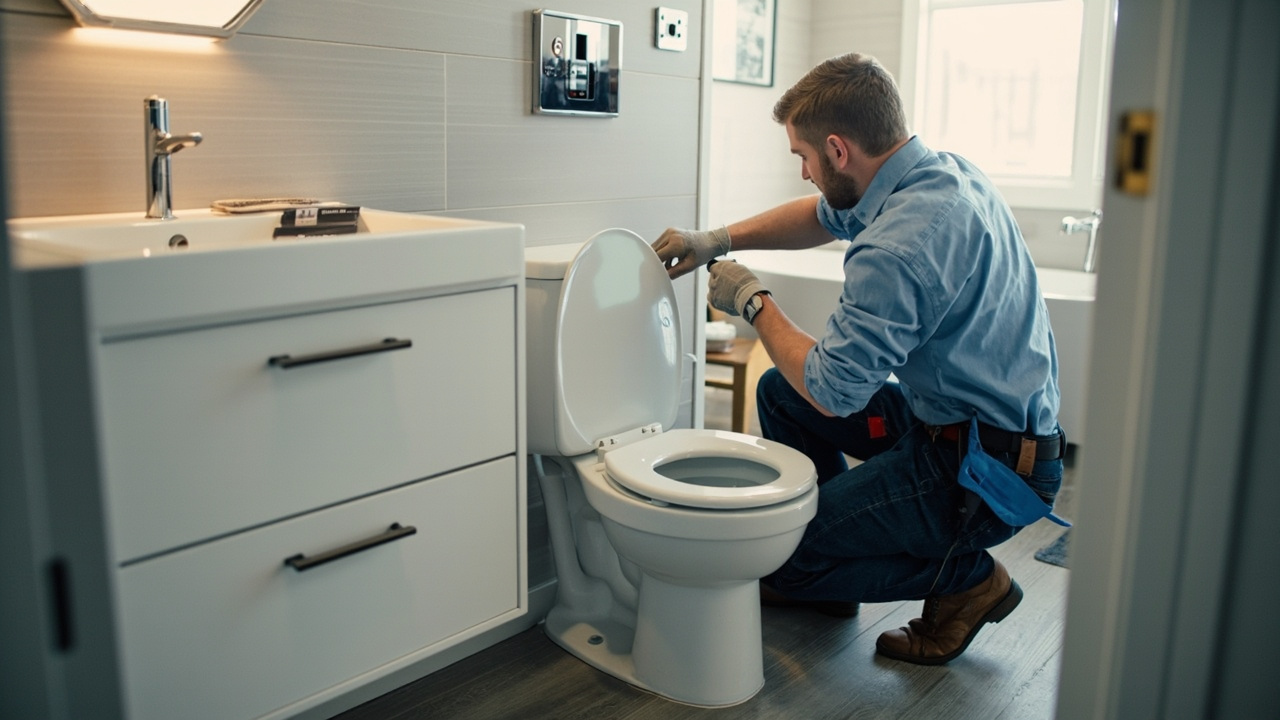
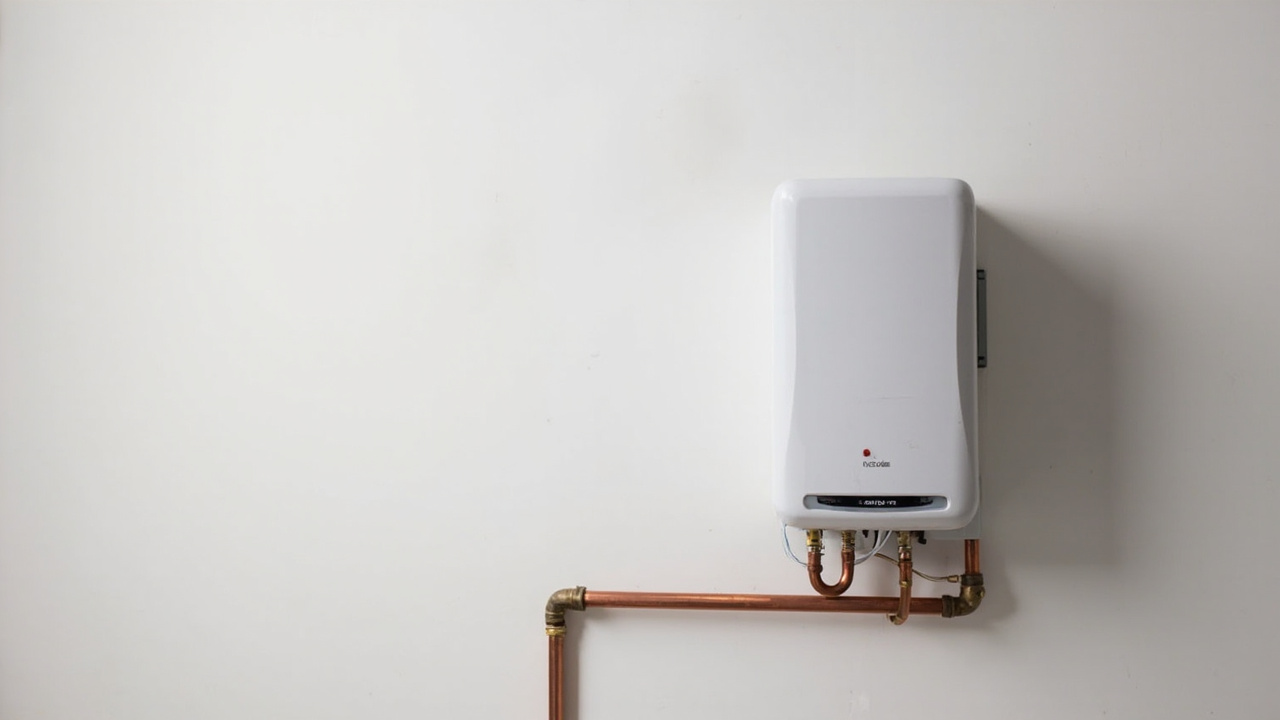
Why Your Northeast Minneapolis Home Needs a Tankless Water HeaterNortheast Minneapolis homeowners face unique challenges with aging infrastructure and compact…

Why Your Northeast Minneapolis Home Needs a Tankless Water Heater

Why Your Northeast Minneapolis Home Needs a Tankless Water HeaterNortheast Minneapolis homeowners face unique challenges with aging infrastructure and compact…

Choosing Radiant Floor Heating for Your Mendota Heights Remodel

High Performance Heating for Mendota Heights RenovationsMendota Heights homeowners face some of the most demanding winter conditions in the country.…

Eliminating Orange Stains From Your Laundry and Tubs in Minnetrista

How to Fix Orange Water Stains in Minnetrista Well Water Residents living near the western shores of Lake Minnetonka or…

Contact Us

Call Pioneer Plumbing Minneapolis today at (651) 588-9979 to schedule your comprehensive water efficiency evaluation. We identify exactly where your home wastes water and provide clear solutions that fit your budget while delivering measurable savings every month.