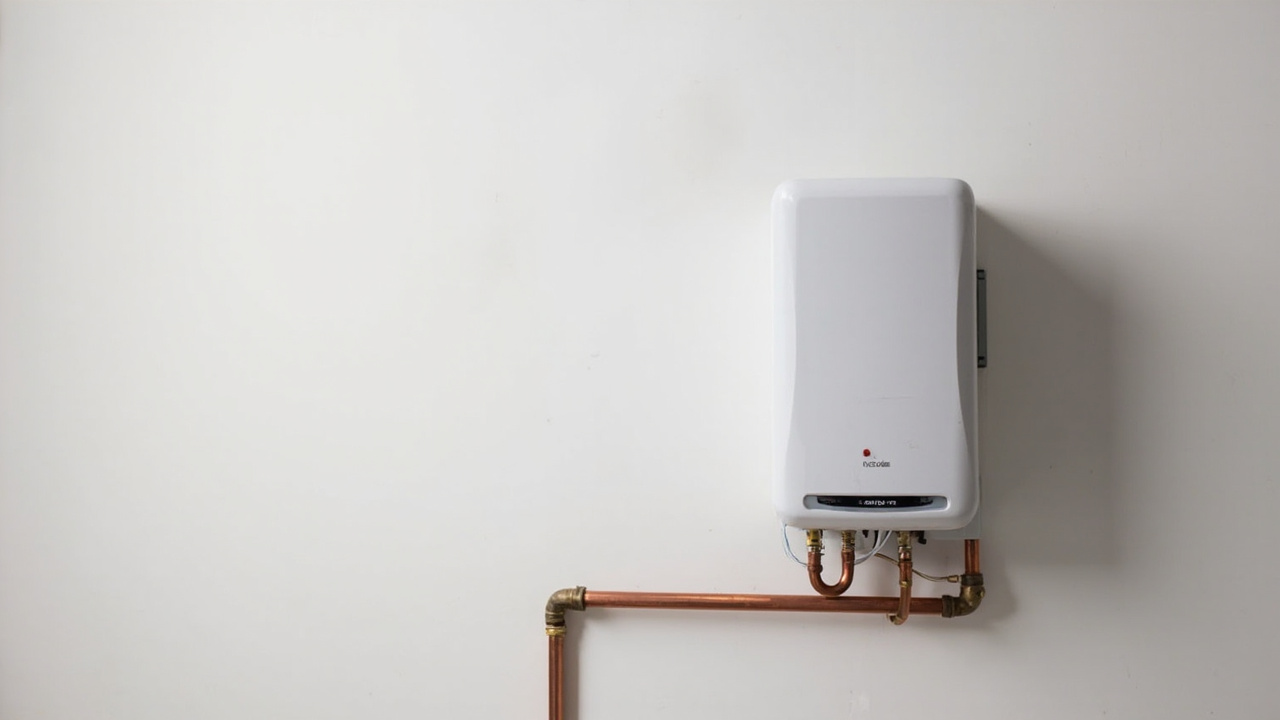







Minneapolis receives its drinking water primarily from the Mississippi River, treated at Fridley and Columbia Heights facilities. While this water meets safety standards, it contains dissolved minerals that accumulate inside water heater tanks over time. Calcium and magnesium concentrations create hardness levels between 120 and 180 parts per million in most Minneapolis neighborhoods. These minerals precipitate out when water heats, forming sediment layers at the tank bottom. This sediment reduces heating efficiency and creates hot spots that weaken the tank lining. Homes in Northeast and Southeast Minneapolis, which receive water from different treatment plants, sometimes experience different mineral profiles that affect sediment formation rates. Regular flushing helps, but most homeowners skip this maintenance until they diagnose lack of hot water. By then, sediment layers several inches thick have already compromised heating performance.
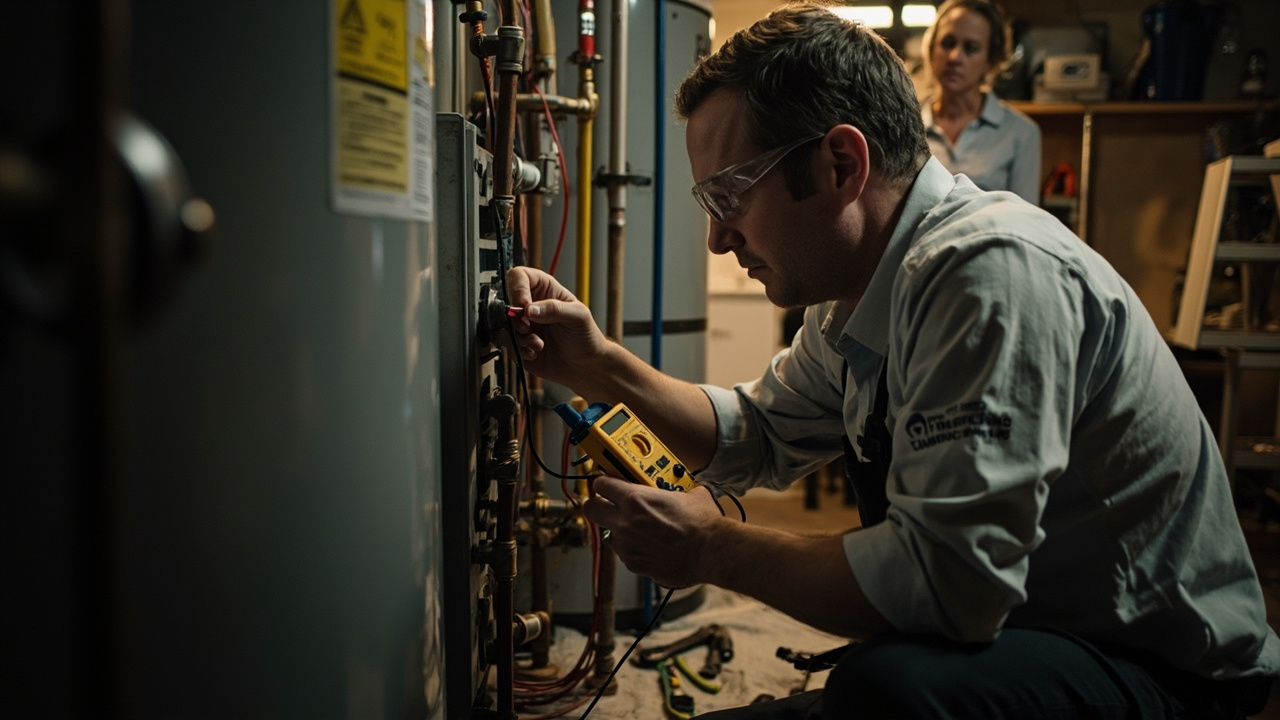
Minnesota Plumbing Code sets specific requirements for water heater installation, including drain pan requirements, temperature and pressure relief valve discharge pipes, and combustion air provisions for gas units. Pioneer Plumbing Minneapolis technicians stay current on these requirements and identify code violations during diagnostic inspections. Many older Minneapolis homes have water heaters installed before current codes took effect. These installations might lack expansion tanks required for closed water systems, proper venting for atmospheric draft units, or adequate clearances from combustible materials. Our diagnostic reports document these issues so you understand the full scope of work needed to bring your system up to current standards. This local expertise matters when you troubleshoot water heater problems, because addressing only the immediate failure while ignoring code violations creates ongoing risks.