





menu

Signs You Need Sewer Repair in Minneapolis – Expert Diagnosis Stops Damage Fast

Pioneer Plumbing Minneapolis identifies warning signs of main sewer line issues quickly, from slow drains to sewage backups, protecting your home from costly water damage and health hazards with precise diagnostic tools and proven repair methods.

Slider Image 1
Slider Image 2
Slider Image 3
Slider Image 4
Slider Image 5
Slider Image 7
Slider Image 8
Slider Image 9
Slider Image 10
Slider Image 11

How Minneapolis Homes Show Symptoms of Sewer Line Failure

Your sewer line sits buried beneath your yard, invisible until something goes wrong. In Minneapolis, the freeze-thaw cycle puts incredible stress on underground pipes. Water infiltrates small cracks during fall, then expands when temperatures drop below zero in winter. That expansion splits pipes wide open. By spring thaw, you're dealing with a full sewer line failure.

The symptoms of a broken sewer line start subtle. You notice one toilet draining slower than usual. Then the bathtub takes longer to empty. These indicators of sewer line damage escalate quickly. Multiple drains backing up at once means your main line is compromised. When you flush the toilet and the shower drain gurgles, that's air being forced backward through the system because the main line is blocked or collapsed.

The clay soil common throughout the Minneapolis metro area shifts as moisture levels change. Tree roots from mature elms and maples aggressively seek water sources, infiltrating even the smallest pipe cracks. Once roots establish inside your sewer line, they create a net that catches everything you flush. How to tell if your sewer pipe is broken? Watch for patches of unusually green grass above your sewer line path, soggy spots in the yard when it hasn't rained, or a persistent sewage smell near your foundation.

Sewer line failure symptoms include sewage backing up into your basement floor drain or lowest bathroom. That's not just inconvenient. Raw sewage carries bacteria, viruses, and parasites that threaten your family's health. When you spot warning signs of main sewer line issues, the clock starts ticking on potential foundation damage and contaminated soil.

How Minneapolis Homes Show Symptoms of Sewer Line Failure
How We Diagnose Sewer Line Damage Without Guessing

How We Diagnose Sewer Line Damage Without Guessing

Most plumbers show up, snake your drain, and hope for the best. We run a high-definition camera inspection through your entire sewer line before recommending any repair. The camera feed shows us the exact location, type, and severity of damage. We can see bellied sections where pipe has settled, creating a low spot that collects debris. We identify offset joints where sections have separated. We pinpoint root intrusion points and quantify how much of the pipe diameter is compromised.

This diagnostic precision matters because the repair method depends on what's actually wrong. A small root intrusion responds to hydro-jetting, which uses pressurized water to scour the pipe interior clean. A collapsed section requires excavation or trenchless pipe bursting. Widespread corrosion in old Orangeburg or clay pipe means full line replacement makes more financial sense than patching multiple failure points.

We map the camera footage to your property layout so you know exactly where the problem sits relative to your driveway, landscaping, or deck. That information drives smarter decisions about access points and repair methods. If the damaged section sits under your concrete patio, trenchless repair avoids demolition costs.

The hydrostatic test follows camera inspection when we need to verify pipe integrity. We plug both ends of the line, fill it with water, and measure pressure loss. Any drop confirms a leak. This test catches hairline cracks the camera might miss and validates repair quality after we finish the work.

We pull permits when required by Minneapolis building codes and coordinate inspections. The city requires permits for sewer line work in the public right-of-way or when connecting to the municipal system. We handle that process so you don't navigate bureaucracy while dealing with a sewage emergency.

What Happens During Your Sewer Line Assessment

Signs You Need Sewer Repair in Minneapolis – Expert Diagnosis Stops Damage Fast
01

Initial Symptom Evaluation

We start by documenting every symptom you've noticed. Which drains are slow? When did backups start? Have you noticed odors or wet spots in the yard? This history helps us predict where damage is most likely. We test multiple fixtures to identify whether the problem affects one branch line or the main sewer. Different drainage patterns point to different failure locations in your system.
02

Camera Line Inspection

We insert a waterproof camera through your cleanout access point and record the entire sewer line run to the municipal connection or septic tank. You watch the monitor with us. We identify cracks, root masses, bellied sections, and any foreign objects blocking flow. The camera head measures distance, so we know exactly how many feet from your foundation the damage exists. That footage becomes your diagnostic record.
03

Repair Recommendation and Quote

Based on camera findings, we explain your options. Spot repair, pipe lining, or full replacement each make sense in different scenarios. We outline the work scope, access requirements, timeline, and cost for each approach. You get a written quote with no pressure. The diagnosis stands on its own whether you hire us for repair or seek other bids. You make an informed decision with complete information.

Why Minneapolis Homeowners Trust Our Sewer Line Expertise

Minneapolis homes built before 1970 often have clay tile or Orangeburg sewer lines. Clay tile sections separate at joints as soil shifts. Orangeburg, a wood pulp pipe product, deteriorates completely after 50 years. We've diagnosed and replaced hundreds of these aging systems across Powderhorn, Longfellow, and Northeast neighborhoods. That experience means we recognize failure patterns specific to your home's era and construction type.

We understand Minneapolis code requirements for sewer work. The city requires specific backflow prevention in certain situations. Replacement lines must meet minimum slope requirements, and the connection point to the city main requires inspection and approval. We coordinate that process seamlessly because we run these projects constantly.

Our truck stock includes parts that fit older Minneapolis plumbing configurations. When we're replacing a section of your sewer line, we carry adapters and fittings that connect modern PVC or ABS pipe to your existing clay or cast iron. That means we complete repairs in one trip rather than ordering specialty parts and scheduling return visits.

Tree root intrusion follows predictable patterns in Minneapolis yards. Silver maples, cottonwoods, and elms all send aggressive root systems toward sewer lines. We know which tree species create the worst problems and how deep their roots typically penetrate. That knowledge guides our camera inspection focus and helps us predict future trouble spots you should monitor.

The frozen ground from November through March complicates excavation work. When you need sewer repair during winter, we bring equipment that handles frost depth and frozen soil. We also evaluate whether trenchless methods let us avoid digging entirely. Our year-round operation means you get help when the problem happens, not when weather cooperates.

What to Expect When You Call for Sewer Diagnosis

Same-Day Camera Inspection Availability

We run camera inspections the same day you call in most cases. The diagnostic visit takes one to two hours depending on your sewer line length and access points. We arrive with camera equipment, locating devices, and hydro-jetting tools if needed. You get video documentation and a written assessment before we leave. Emergency backup situations get priority scheduling. We understand that sewage in your basement or yard can't wait three days for an appointment slot.

Transparent Diagnosis Process

You watch the camera inspection on our monitor in real time. We explain what you're seeing as we navigate your sewer line. When we identify damage, we pause and review that section multiple times so you understand the problem clearly. The recorded footage stays in our system for your records. We mark the exact location of any damage on your property so you know where excavation would occur if needed. No hidden findings or surprise discoveries after we start work.

Repair Options and Cost Clarity

We present multiple repair approaches when options exist. Spot repair costs less than full line replacement, but only makes sense if the rest of your pipe is sound. Trenchless lining preserves landscaping but requires specific pipe conditions to work properly. We explain the pros and cons of each method for your specific situation. The written quote itemizes materials, labor, permit fees, and restoration work. You'll know the total project cost before deciding to proceed.

Post-Repair Verification and Maintenance

After completing any sewer repair, we run a final camera inspection to verify the fix. You see the repaired section and confirm water flows properly. We pressure test when appropriate to validate leak repairs. For root intrusion problems, we recommend inspection intervals based on tree proximity and species. Most Minneapolis properties with mature trees benefit from camera checks every three to five years to catch root regrowth before it blocks flow completely. We keep inspection records and send reminders when your next check is due.

Frequently Asked Questions

You Have Questions,
We Have Answers

What are four signs that your sewer line is broken? +

Four clear signs point to a broken sewer line. First, multiple drains back up at once, not just one sink or toilet. Second, you notice sewage odors inside your home or near your foundation. Third, patches of your yard stay soggy or extra green even without rain, caused by leaking wastewater fertilizing the grass. Fourth, you hear gurgling sounds from drains or toilets when water runs elsewhere in your house. Minneapolis homes with clay tile sewer lines installed before the 1980s face higher breakage risk from freeze-thaw cycles and root intrusion. If you see two or more signs, get a camera inspection fast.

How do you know if you have sewer problems? +

You know you have sewer problems when water behaves strangely throughout your home. Toilets bubble when you run the washing machine. Showers drain slowly even after you clear visible clogs. You smell sewer gas near floor drains or in your basement. Water backs up in your bathtub when you flush the toilet. Minneapolis properties near mature trees face frequent root intrusion into older clay or cast iron sewer lines. You might see foundation cracks from soil settlement caused by leaking pipes. Indoor pests like drain flies or cockroaches suddenly appear. These signs mean your main sewer line needs professional attention, not just drain cleaning.

Why Minneapolis Freeze-Thaw Cycles Accelerate Sewer Line Deterioration

Minneapolis experiences some of the most extreme temperature swings in the country. Winter lows hit negative 20 degrees, while summer highs reach the 90s. That 110-degree annual temperature range puts enormous stress on underground infrastructure. Water seeps into microscopic cracks in your sewer pipe during fall. When temperatures plunge in December and January, that water freezes and expands with tremendous force. The expansion widens existing cracks or creates new fractures. By spring thaw, what started as a hairline crack becomes a separated joint or collapsed section. This cycle repeats every year, progressively destroying aging clay tile and Orangeburg pipe common in older Minneapolis homes. The symptoms of a broken sewer line often appear suddenly in spring as ground thaws and the full extent of winter damage becomes apparent.

Pioneer Plumbing Minneapolis has diagnosed sewer problems across every neighborhood from Kenwood to Hale. We understand how the city's mature tree canopy impacts underground utilities. We know that homes near Lake Harriet and Lake Calhoun often have higher water tables that accelerate pipe corrosion. Our technicians recognize the warning signs of main sewer line issues specific to Minneapolis construction eras. When you work with a local specialist rather than a national chain, you get expertise shaped by thousands of local projects. We know which repair methods hold up to Minnesota winters and which fail within a few years. That local knowledge protects your investment and prevents repeat failures.
Plumbing Services in The Minneapolis Area

Discover the convenient location of Pioneer Plumbing and explore our extensive service area. We are proudly situated to serve the entire Minneapolis region and surrounding communities, ensuring our expert plumbing solutions are always within reach. Feel free to visit our office or use the map below to pinpoint our location for in-person inquiries or simply to confirm our proximity for your next plumbing need. We're always ready to connect!

Address:
Pioneer Plumbing Minneapolis, 2355 MN-36, Minneapolis, MN, 55113

Additional Services We Offer

Our news updates

Latest Articles & News from The Blogs

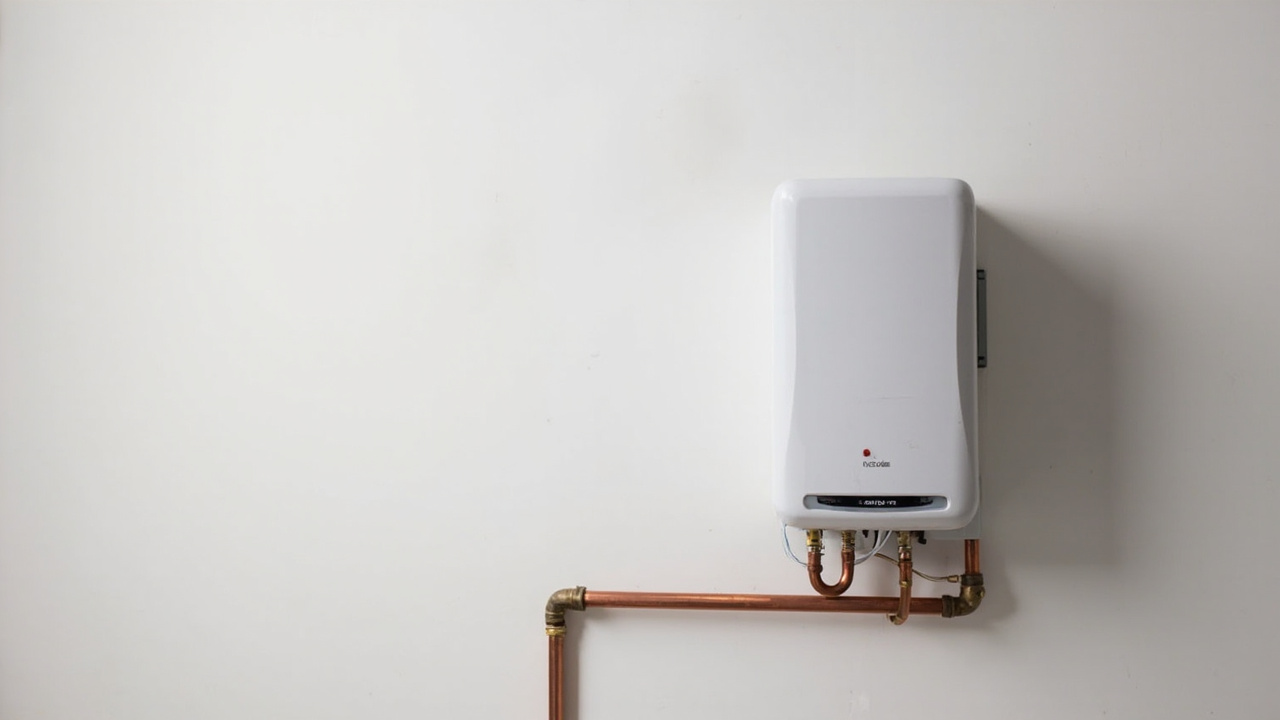
Why Your Northeast Minneapolis Home Needs a Tankless Water HeaterNortheast Minneapolis homeowners face unique challenges with aging infrastructure and compact…

Why Your Northeast Minneapolis Home Needs a Tankless Water Heater

Why Your Northeast Minneapolis Home Needs a Tankless Water HeaterNortheast Minneapolis homeowners face unique challenges with aging infrastructure and compact…

Choosing Radiant Floor Heating for Your Mendota Heights Remodel

High Performance Heating for Mendota Heights RenovationsMendota Heights homeowners face some of the most demanding winter conditions in the country.…

Eliminating Orange Stains From Your Laundry and Tubs in Minnetrista

How to Fix Orange Water Stains in Minnetrista Well Water Residents living near the western shores of Lake Minnetonka or…

Contact Us

Don't wait for a sewage backup to force your hand. Call Pioneer Plumbing Minneapolis at (651) 588-9979 for a camera inspection that shows you exactly what's happening in your sewer line. We diagnose the problem accurately so you can fix it right the first time.