




menu

Tank vs. Tankless Water Heaters in Minneapolis – Expert Comparison for Cold-Climate Homes

Understand the true performance differences between traditional storage and instantaneous water heaters in Minnesota's freeze-thaw cycles, high hot water demand, and energy cost landscape before you invest.

Slider Image 1
Slider Image 2
Slider Image 3
Slider Image 4
Slider Image 5
Slider Image 7
Slider Image 8
Slider Image 9
Slider Image 10
Slider Image 11

Why Minneapolis Homeowners Need the Right Water Heater Decision

Minneapolis homes face unique hot water challenges that make the tank vs tankless water heater comparison more complex than national advice suggests. Your water heater works harder here than in warmer climates. Winter ground temperatures hover near freezing from November through March, which means incoming water can be 40 degrees or colder. That forces any water heating system to work significantly harder to reach usable temperatures.

The choice between conventional vs tankless water heaters is not just about upfront cost. It is about reliability when you need multiple hot showers on a subzero January morning, about recovery time when your family is home all weekend, and about whether your electrical service can handle instantaneous heating loads. Homes in Lowry Hill, Linden Hills, and Northeast Minneapolis were built across different eras with varying electrical panel capacities, and that matters when you are evaluating standard vs tankless water heaters.

Traditional storage tank units maintain a reserve of hot water, which provides consistent delivery even during peak demand periods. On-demand systems heat water only as you use it, eliminating standby heat loss but requiring robust gas lines or electrical service upgrades. Minneapolis municipal water has moderate hardness, averaging 8 to 10 grains per gallon, which affects both system types differently over time. The storage vs instantaneous water heaters debate is not theoretical here. It is about matching technology to your home's infrastructure, your family's usage patterns, and Minnesota's climate reality.

You need to understand how each system performs in real Minneapolis conditions before you commit thousands of dollars to the wrong solution.

Why Minneapolis Homeowners Need the Right Water Heater Decision
How Each Water Heater Type Actually Performs in Twin Cities Homes

How Each Water Heater Type Actually Performs in Twin Cities Homes

Tank water heaters store 40 to 80 gallons of heated water in an insulated vessel. A gas burner or electric heating element maintains the set temperature continuously. When you open a hot water tap, heated water flows out and cold water enters the bottom of the tank, triggering the heating cycle. This design delivers consistent volume and temperature as long as the reserve holds. Recovery rate, measured in gallons per hour, determines how quickly the tank reheats after heavy use. Gas models typically recover 40 to 60 gallons per hour, while electric units recover 15 to 25 gallons per hour.

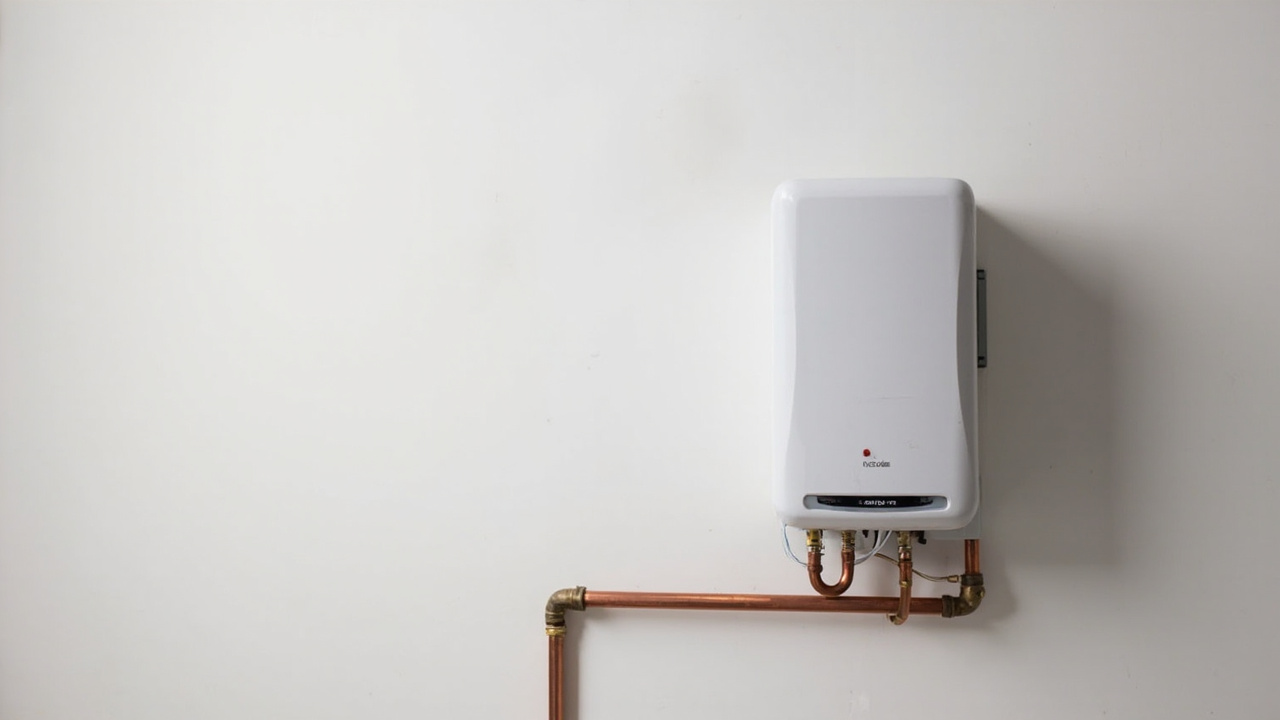
Tankless systems use high-powered gas burners or electric heating elements that activate only when water flows through the unit. Flow rate and temperature rise determine performance. A unit rated at 8 gallons per minute can deliver that volume only if the incoming water needs minimal heating. When Minneapolis tap water enters at 40 degrees and you need 120-degree output, the temperature rise is 80 degrees, and that same unit may only deliver 3 to 4 gallons per minute. This gap between rated capacity and real-world output surprises many homeowners.

Gas tankless models require larger gas lines than tank units, often needing 3/4-inch supply instead of 1/2-inch. They also need direct vent systems to exhaust combustion gases safely, which adds installation complexity in homes with limited exterior wall access. Electric tankless units can demand 100 to 150 amps, which exceeds the capacity of many older Minneapolis homes with 100 or 150-amp main panels. Upgrading electrical service adds substantial cost.

Pioneer Plumbing Minneapolis evaluates your existing infrastructure, calculates actual hot water demand based on fixture count and usage patterns, and determines which technology matches your home's capacity before recommending a solution.

How We Help You Choose the Right System for Your Home

Tank vs. Tankless Water Heaters in Minneapolis – Expert Comparison for Cold-Climate Homes
01

Infrastructure Assessment

We measure your gas line diameter, electrical panel capacity, and available venting pathways. For tankless consideration, we calculate whether your existing natural gas pressure can support high-demand burners or if your electrical service can handle 120 to 150-amp heating elements. We inspect your water supply lines to confirm they can deliver the flow rates tankless systems require. This step identifies hidden costs before you commit to a system that needs expensive upgrades to function properly in your home.
02

Demand Calculation

We count simultaneous hot water fixtures and calculate your peak gallons-per-minute demand. A family running two showers, a dishwasher, and a washing machine simultaneously needs 8 to 10 gallons per minute at temperature. We factor in Minneapolis's cold inlet water temperatures to determine the actual temperature rise required, not the manufacturer's ideal test conditions. This reveals whether a tankless unit can truly meet your needs or if you will experience flow rate disappointment during high-demand periods like weekday mornings.
03

Cost and Longevity Analysis

We compare total installed cost, projected energy savings, and realistic service life for both options in your specific situation. Tankless units last 15 to 20 years but require annual descaling maintenance in Minneapolis's mineral-rich water. Tank units last 10 to 13 years with minimal maintenance. We calculate payback period based on your actual energy rates and usage, not national averages. This gives you a clear picture of which investment makes financial sense over the system's lifetime, not just today.

Why Local Expertise Matters for Water Heater Decisions

National water heater guides do not account for Minneapolis's 40-degree seasonal inlet water swings or the electrical limitations common in pre-1980s homes throughout Powderhorn, Kingfield, and Standish. Pioneer Plumbing Minneapolis works in these neighborhoods daily. We know which homes have the gas infrastructure to support high-output tankless burners and which need panel upgrades before electric tankless installation is feasible.

Minnesota Plumbing Code requires specific venting for condensing tankless models, thermal expansion tanks for closed-loop systems, and earthquake strapping in certain installations. We apply these requirements correctly the first time. Incorrect venting on gas tankless units creates carbon monoxide risks. Undersized gas lines cause burner cycling and premature heat exchanger failure. Inadequate electrical supply trips breakers repeatedly, leaving you without hot water.

We understand that homes near Chain of Lakes have different water pressure characteristics than properties in Northeast Minneapolis served by different mains. Water pressure affects tankless performance significantly. If your home has low incoming pressure, a tankless system may not activate reliably, leading to frustrating cold water bursts. We test static and dynamic pressure before recommending instantaneous systems.

Our familiarity with Centerpoint Energy gas service areas and Xcel Energy electrical infrastructure helps us predict permitting timelines and inspection requirements accurately. We coordinate gas meter upgrades when needed for high-demand tankless installations. We pull permits correctly and schedule inspections efficiently, so your project stays on schedule.

You are not buying a commodity. You are making a decision that affects daily comfort, energy costs, and home value. That decision deserves analysis based on your home's actual conditions, not generic online calculators.

What to Expect When Evaluating Your Water Heating Options

On-Site Evaluation Timing

We schedule in-home assessments within 48 hours of your call. The evaluation takes 45 to 60 minutes. We inspect your current water heater location, measure gas line diameter with a caliper, verify electrical panel capacity with the main breaker rating and available spaces, and test water pressure at multiple fixtures. We photograph your mechanical room or utility area to document venting pathways and clearance requirements. You receive a written comparison of both options specific to your home within 24 hours, including infrastructure modifications required for each system type.

Performance Modeling Process

We ask detailed questions about your household size, morning routines, and simultaneous fixture use patterns. We calculate your true hot water demand in gallons per minute, then model how each system type performs under that load with Minneapolis's seasonal water temperatures. We show you the flow rate reduction that occurs with tankless systems when inlet water is 40 degrees versus 60 degrees. We explain recovery time for tank systems during back-to-back showers. This modeling is based on manufacturer performance data adjusted for real conditions, not optimistic marketing specifications. You understand exactly what performance to expect before installation.

Installation Quality Standards

Gas line installations use black iron pipe with properly rated shutoff valves and sediment traps. Electrical work meets National Electrical Code requirements for 240-volt circuits with appropriately sized wire and breaker protection. We install thermal expansion tanks on closed systems to prevent pressure relief valve weeping. Condensate drains on condensing tankless models route to code-compliant termination points, not floor drains that can freeze. Tank installations include proper seismic strapping and combustion air provisions. Every installation passes city inspection on the first attempt. You receive documentation of permit closure and inspection approval.

Maintenance and Longevity Planning

Tank water heaters need annual anode rod inspection and periodic tank flushing to remove sediment. We show you how to drain your tank or schedule service. Tankless systems require annual descaling with food-grade citric acid or vinegar solutions to prevent mineral buildup in the heat exchanger. We provide maintenance schedules specific to Minneapolis water hardness levels. Neglecting descaling reduces efficiency by 30 percent within three years and voids most manufacturer warranties. We offer annual service plans that include descaling, combustion analysis on gas models, and flow sensor cleaning. Proper maintenance extends system life and preserves efficiency.

Frequently Asked Questions

You Have Questions,
We Have Answers

Is it better to have a tank or tankless water heater? +

It depends on your household needs and budget. Tank water heaters cost less upfront and work reliably in Minneapolis homes with moderate hot water use. Tankless models provide endless hot water and save space, which helps in older Minneapolis homes with cramped basements. They also cut energy costs by 20-30% over time. If you have high simultaneous demand or multiple bathrooms, tankless requires careful sizing. For families with consistent routines, tank heaters remain practical. Minneapolis winters demand reliable performance, so choose based on usage patterns and initial investment comfort.

What is the downside of a tankless water heater? +

Tankless water heaters carry higher upfront costs, often double or triple a tank model. Installation in Minneapolis homes may require electrical upgrades or gas line modifications, adding expense. They struggle with simultaneous high demand unless you install multiple units or a larger commercial-grade model. Mineral buildup from hard water, common in Minneapolis, requires annual descaling maintenance. In extremely cold Minneapolis winters, incoming groundwater temperatures drop, which reduces flow rates and hot water output. Repairs also cost more because parts and specialized labor run higher than traditional tank models.

Why do plumbers not recommend tankless water heaters? +

Some plumbers hesitate because tankless units require specialized training, precise installation, and careful sizing calculations. Mistakes lead to callbacks and unhappy customers. In Minneapolis, older homes often need costly electrical panel upgrades or larger gas lines, which complicates jobs. Hard water causes scale buildup, leading to premature failure if homeowners skip annual maintenance. Plumbers familiar with tank systems may prefer what they know. However, experienced plumbers who understand tankless technology and Minneapolis water conditions recommend them confidently when the home and usage patterns fit the application.

Are tank water heaters being phased out? +

No. Tank water heaters remain the most common residential choice and face no phaseout. New efficiency standards push manufacturers to improve insulation and burner technology, but tanks remain available and code-compliant. Minneapolis building codes do not mandate tankless installations. Some homeowners and builders choose tankless for energy savings and space efficiency, but tanks dominate new construction and replacement markets. Gas and electric tank models continue evolving to meet Department of Energy standards. You can install either system legally in Minneapolis. Choose based on your needs, not regulatory pressure.

Can I take a long shower with a tankless water heater? +

Yes. Tankless water heaters provide continuous hot water as long as you stay within the unit's flow rate capacity. A properly sized tankless model handles long showers without temperature drops. In Minneapolis, incoming cold groundwater temperatures affect performance. Winter water enters colder, which reduces the gallons per minute a unit can heat. Size your tankless heater to handle your home's peak demand, including long showers. If multiple fixtures run simultaneously during your shower, you may notice temperature fluctuations unless the unit has adequate capacity for combined flow.

What water heater do plumbers recommend? +

Plumbers recommend water heaters based on your specific situation. For budget-conscious Minneapolis homeowners with moderate demand, a quality tank model like Rheem or Bradford White provides reliable performance. For energy savings and space efficiency, Rinnai and Navien tankless units perform well in Minneapolis conditions. Plumbers prioritize proper sizing, quality installation, and matching equipment to your home's infrastructure. Hard water in Minneapolis makes water quality treatment important for tankless longevity. Experienced plumbers assess your household size, usage patterns, existing utilities, and budget before recommending a solution that fits your needs.

What is the most common problem with tankless water heaters? +

Mineral scale buildup causes the most frequent tankless problems, particularly in Minneapolis where hard water is common. Scale accumulates on heat exchangers, reducing efficiency and flow rates. Without annual descaling, units fail prematurely. Ignition failures also occur when sensors get dirty or gas pressure fluctuates. Cold weather affects performance as incoming groundwater temperatures drop, forcing the unit to work harder. Improper sizing leads to temperature fluctuations when multiple fixtures run simultaneously. Venting issues in older Minneapolis homes cause error codes and shutdowns. Regular maintenance prevents most problems.

Can I replace my 40 gallon water heater with a tankless water heater? +

Yes. A tankless water heater can replace a 40-gallon tank, but the installation requires careful planning. In Minneapolis homes, you may need gas line upgrades, electrical work, or new venting. A qualified plumber evaluates your existing infrastructure first. Tankless units need adequate combustion air and proper clearances. Your household size and simultaneous usage determine the tankless unit size needed to match your 40-gallon tank's capacity. Factor in installation costs beyond equipment price. Older Minneapolis homes often require additional work to accommodate tankless requirements. The swap works, but expect higher upfront investment.

Can you run out of hot water with a tankless water heater? +

Technically no, but you can exceed its capacity. Tankless heaters provide hot water continuously as long as demand stays within the unit's rated flow capacity. If you run multiple showers, dishwasher, and washing machine simultaneously, you may experience reduced temperature or flow. In Minneapolis winters, cold incoming water reduces capacity because the unit works harder to reach set temperature. Proper sizing prevents this issue. Calculate your peak demand in gallons per minute, then size the tankless unit accordingly. Undersized units feel like running out of hot water, even though they keep producing.

Is there an IRS tax credit for a tankless water heater? +

Possibly. The federal Energy Efficiency Home Improvement Credit may cover qualifying tankless water heaters through 2032. Equipment must meet efficiency standards and carry an Energy Star certification. The credit covers 30% of costs up to annual limits. Minneapolis homeowners should verify current IRS guidelines, as requirements change yearly. State and local utility rebates may also apply. Xcel Energy and CenterPoint Energy sometimes offer rebates for high-efficiency water heaters. Consult a tax professional to confirm eligibility. Keep all receipts and manufacturer certifications. Savings vary based on your specific tax situation and equipment choice.

How Minneapolis Water Chemistry Affects Tank and Tankless Longevity

Minneapolis municipal water averages 8 to 10 grains per gallon hardness, which is moderate but sufficient to create scale buildup over time. Tank water heaters accumulate sediment at the bottom, which insulates the heating element or burner from the water and reduces efficiency. Flushing annually removes this sediment and extends tank life. Tankless systems face more aggressive scaling because water flows through narrow passages in the heat exchanger at high temperatures. Scale buildup restricts flow and causes overheating errors. Homes with private wells in outer suburbs may have significantly higher hardness, accelerating scaling in both system types. Water softeners extend equipment life but require careful sizing to handle regeneration cycle demands without depleting hot water availability during backwash.

Pioneer Plumbing Minneapolis has installed and serviced both tank and tankless systems across every Minneapolis neighborhood for years. We track performance data and maintenance needs specific to local water conditions. We know which tankless brands handle Minneapolis water chemistry best and which tank models have the most durable anode rods for our water profile. This institutional knowledge comes from hundreds of installations and service calls, not manufacturer training alone. When you work with a plumber who understands local conditions, you avoid the costly mistakes that come from applying generic national advice to Minneapolis homes.
Plumbing Services in The Minneapolis Area

Discover the convenient location of Pioneer Plumbing and explore our extensive service area. We are proudly situated to serve the entire Minneapolis region and surrounding communities, ensuring our expert plumbing solutions are always within reach. Feel free to visit our office or use the map below to pinpoint our location for in-person inquiries or simply to confirm our proximity for your next plumbing need. We're always ready to connect!

Address:
Pioneer Plumbing Minneapolis, 2355 MN-36, Minneapolis, MN, 55113

Additional Services We Offer

Our news updates

Latest Articles & News from The Blogs

Why Your Northeast Minneapolis Home Needs a Tankless Water HeaterNortheast Minneapolis homeowners face unique challenges with aging infrastructure and compact…

Why Your Northeast Minneapolis Home Needs a Tankless Water Heater

Why Your Northeast Minneapolis Home Needs a Tankless Water HeaterNortheast Minneapolis homeowners face unique challenges with aging infrastructure and compact…

Choosing Radiant Floor Heating for Your Mendota Heights Remodel

High Performance Heating for Mendota Heights RenovationsMendota Heights homeowners face some of the most demanding winter conditions in the country.…

Eliminating Orange Stains From Your Laundry and Tubs in Minnetrista

How to Fix Orange Water Stains in Minnetrista Well Water Residents living near the western shores of Lake Minnetonka or…

Contact Us

Stop guessing about which water heater type fits your home's infrastructure and your family's needs. Call Pioneer Plumbing Minneapolis at (651) 588-9979 today to schedule an in-home evaluation. We deliver clear answers based on your specific situation, not sales pressure.