



menu

Commercial Repiping Services in Minneapolis | Minimize Downtime, Maximize Business Continuity

Pioneer Plumbing Minneapolis delivers industrial-grade commercial pipe replacement with phased installations that keep your operations running while we upgrade your building's critical water distribution infrastructure.

Slider Image 1
Slider Image 2
Slider Image 3
Slider Image 4
Slider Image 5
Slider Image 7
Slider Image 8
Slider Image 9
Slider Image 10
Slider Image 11

Why Minneapolis Commercial Buildings Face Accelerated Pipe Degradation

Minneapolis's extreme freeze-thaw cycles create unique stress on commercial plumbing systems. When temperatures plunge below zero for weeks, then spike back to spring melt conditions, the expansion and contraction cycles fatigue galvanized steel and copper joints far faster than in milder climates. Add the corrosive effects of road salt infiltration into groundwater and the high mineral content in municipal water supplies, and you see why commercial buildings built before 2000 face systemic pipe failures.

Multi-tenant office buildings in downtown Minneapolis and industrial facilities near the Mississippi River corridor deal with another issue: pressure fluctuations. As older distribution mains fail and the city upgrades infrastructure, the inconsistent pressure causes micro-fractures in aging commercial pipe systems. What starts as occasional brown water complaints from tenants escalates to burst risers flooding multiple floors.

The financial impact compounds quickly. A single pipe failure in a commercial building means emergency water shutoffs, tenant displacement, property damage claims, and potential code violations during inspections. Commercial building repiping stops this cascade before it starts. Industrial repiping services address not just the visible failures but the systemic corrosion happening behind your walls right now.

Minneapolis building codes require backflow prevention and specific materials for commercial plumbing systems. When you factor in the liability exposure from business interruption and the tight labor market for emergency repairs during winter, proactive commercial plumbing repipe projects make financial sense. You control the timeline instead of letting a catastrophic failure control you.

Why Minneapolis Commercial Buildings Face Accelerated Pipe Degradation
How We Execute Large-Scale Commercial Pipe Replacement Without Shutting Down Your Business

How We Execute Large-Scale Commercial Pipe Replacement Without Shutting Down Your Business

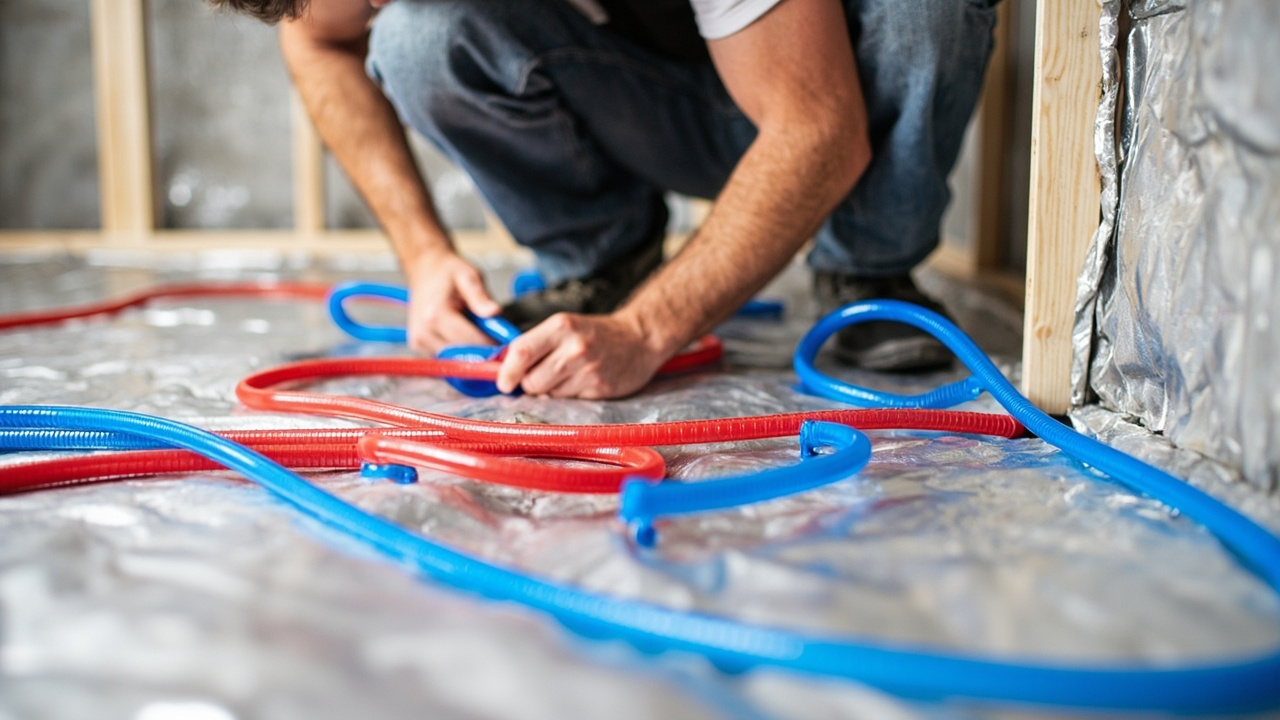
Business pipe replacement in occupied commercial buildings requires surgical precision, not sledgehammer demolition. We phase installations by zone, maintaining water service to unaffected areas while we work. For a typical multi-story office building, we isolate vertical risers one section at a time, install temporary bypass lines when necessary, and complete tie-ins during off-hours to minimize tenant impact.

Our approach starts with pressure testing and video inspection of existing systems to map failure points. We use non-invasive camera technology to evaluate pipe interiors without destructive exploratory work. This data drives our scope decisions. If you have a mix of galvanized steel mains and copper branch lines showing different degradation rates, we design a hybrid repipe strategy that addresses critical failures first while planning future phases around your capital budget cycles.

For industrial repiping services in manufacturing facilities or food processing plants, we coordinate around production schedules. A brewery cannot afford random water shutoffs during fermentation cycles. A medical office building cannot lose domestic hot water during patient care hours. We build the work plan around your operational constraints, not our convenience.

Material selection matters in Minneapolis's climate. We specify PEX or CPVC for flexibility in freeze conditions, schedule 40 PVC for non-potable systems, and copper Type L for high-pressure applications. Each choice reflects the specific thermal expansion rates, pressure ratings, and code compliance requirements for your building classification.

The installation process includes hydrostatic testing at 150 percent of working pressure, bacteriological sampling after startup, and thermal imaging to verify proper insulation in mechanical spaces. You receive as-built drawings showing exact pipe routing, shut-off valve locations, and access panel placements for future maintenance.

Our Commercial Repiping Process From Assessment to Final Inspection

Commercial Repiping Services in Minneapolis | Minimize Downtime, Maximize Business Continuity
01

Building Systems Audit

We conduct comprehensive diagnostics including flow rate measurements, pressure testing at multiple zones, water quality analysis, and video inspection of accessible lines. This phase identifies which sections require immediate replacement versus scheduled future work. You receive a detailed scope document with failure probability ratings for each system component, allowing informed decisions about phasing and budget allocation across fiscal years.
02

Phased Installation Execution

We install new distribution mains, branch lines, and fixture connections in coordinated phases that maintain service continuity. Each phase includes temporary water service provisions, dust containment barriers, and after-hours tie-in work to minimize business disruption. For occupied buildings, we coordinate access schedules with property management and provide advance notice to tenants. Critical systems like fire suppression lines receive priority sequencing to maintain code compliance throughout construction.
03

System Commissioning and Documentation

Final commissioning includes pressure testing, flow balancing, backflow preventer certification, and water quality verification. We conduct thermal efficiency testing on hot water recirculation systems and verify proper insulation in all mechanical spaces. You receive complete as-built drawings, valve schedules, maintenance protocols, and a comprehensive O&M manual. We coordinate final inspections with Minneapolis Building Safety and arrange all required permits and code compliance documentation.

Why Minneapolis Commercial Property Owners Choose Pioneer Plumbing for Building Repiping

Commercial building repiping requires expertise beyond residential service work. You need a contractor who understands commercial building codes, occupancy classifications, fire suppression integration, and the coordination required when working in occupied spaces. Pioneer Plumbing Minneapolis has executed repiping projects in downtown office towers, industrial facilities along the I-94 corridor, and multi-family complexes throughout the metro area.

We understand Minneapolis's specific code requirements for backflow prevention, seismic bracing in mechanical rooms, and the insulation standards necessary for pipes running through unheated spaces. Our crews carry the certifications required for commercial work, including confined space training for work in utility tunnels and OSHA compliance for multi-story projects.

The difference shows in project planning. We do not just replace pipes. We analyze your building's operational needs and design systems that improve performance. If you have pressure issues on upper floors, we rightsize distribution mains to deliver adequate flow. If you face recurring freeze events in exterior walls, we reroute vulnerable lines to conditioned spaces. Each project includes value engineering that reduces long-term operating costs.

Our relationships with local inspectors and familiarity with Minneapolis permit processes mean faster approvals and fewer delays. We know which submittal documents Building Safety requires, how to coordinate utility shutoffs with the city, and the inspection sequencing needed for commercial occupancy.

For property managers juggling multiple buildings, we provide consistent quality across your portfolio. The same project manager oversees all phases. You get one point of contact, predictable communication, and accountability from estimate through final walkthrough. When unexpected conditions arise during demolition, we present options with cost implications before proceeding, keeping you in control of budget decisions.

What to Expect From Your Commercial Repiping Project

Project Timeline and Phasing

Commercial repiping timelines depend on building size, occupancy type, and whether you choose complete replacement or phased installation. A 20,000 square foot office building with standard occupancy typically requires four to six weeks for complete repiping when working around business hours. Industrial facilities with 24/7 operations may extend to three months using aggressive phasing that maintains continuous production. We provide detailed CPM schedules showing which zones go offline on specific dates, allowing you to plan tenant notifications and operational adjustments. Each phase includes contingency buffers for unforeseen conditions like concealed structural conflicts or unexpected pipe routing discovered during demolition.

Pre-Construction Assessment Process

Initial assessment includes comprehensive building walkthroughs, review of existing as-built drawings if available, and diagnostic testing of current systems. We conduct pressure tests, flow measurements, and water quality sampling to establish baseline conditions. Video inspection of accessible pipe sections reveals internal corrosion and scale buildup. This data drives scope decisions and material specifications. You receive a detailed proposal breaking down costs by phase, material options with performance comparisons, and alternative approaches with ROI analysis. The assessment identifies code upgrade requirements, necessary permit applications, and coordination needs with other building systems like HVAC or electrical that share chase spaces with plumbing runs.

Completed System Performance

Your completed commercial plumbing repipe delivers consistent water pressure across all floors, eliminates discoloration and sediment complaints, and meets current code requirements for backflow prevention and cross-connection control. New systems provide better flow capacity for future tenant improvements and eliminate the risk exposure from aging infrastructure failures. Proper insulation reduces heat loss in hot water distribution, lowering operating costs. Modern materials resist the corrosion and scale buildup that plagued your original galvanized or early copper systems. You gain predicable maintenance costs and eliminate the emergency repair expenses that disrupt operations and damage your property value.

Post-Installation Support and Documentation

We provide comprehensive as-built drawings showing exact pipe routing, valve locations, cleanout access points, and shut-off sequences for emergency situations. You receive operation and maintenance manuals covering system specifications, recommended service intervals, and troubleshooting protocols. Our team coordinates final inspections with Minneapolis Building Safety and provides all code compliance documentation for your property records. We offer maintenance agreements for periodic system inspections, pressure testing, and backflow preventer certification to keep you compliant with annual testing requirements. For multi-building portfolios, we maintain centralized service records and provide priority response for your facilities.

Frequently Asked Questions

You Have Questions,
We Have Answers

How much to repipe a 4000 sq ft house? +

Repiping a 4000 sq ft commercial or large residential building depends on accessibility, existing pipe material, fixture count, and labor requirements. Multi-story buildings or properties with concrete slab foundations increase costs due to access challenges. Minneapolis buildings often require winterization measures during construction, adding to project complexity. Copper piping costs more than PEX, but code compliance and building use determine material choice. A comprehensive plumbing audit identifies scope, hidden corrosion, and code violations. Request a site-specific estimate that accounts for business downtime, permit fees, and Minnesota plumbing code requirements to budget appropriately.

What does commercial plumbing mean? +

Commercial plumbing handles water supply, waste removal, and gas systems for businesses, industrial facilities, retail spaces, and multi-tenant buildings. These systems operate under higher demand, stricter code requirements, and greater liability exposure than residential setups. Commercial projects require backflow prevention devices, grease traps, commercial-grade fixtures, and compliance with ADA and Minnesota state plumbing codes. The work involves coordinating with property managers, minimizing tenant disruption, and ensuring systems support business operations. In Minneapolis, freeze protection and proper insulation are critical for water lines in unheated spaces during harsh winters. Commercial plumbers handle complex installations that residential contractors cannot.

How much does it cost to repipe PEX pipes? +

PEX repiping costs vary based on building size, pipe diameter, fixture count, and installation complexity. Commercial projects require permits, code compliance inspections, and coordination with business operations to minimize downtime. Minneapolis projects may need additional freeze protection in exterior walls or unheated zones. PEX installation runs faster than copper, reducing labor costs, but commercial applications often require hybrid systems with copper or CPVC in specific zones. Material costs fluctuate with market conditions. The total investment depends on your building layout, existing infrastructure condition, and whether work occurs during business hours or requires after-hours scheduling to avoid operational disruption.

What does repiping include? +

Repiping replaces deteriorated water supply lines throughout your building. The scope includes removing old pipes, installing new distribution lines, reconnecting fixtures, pressure testing, and restoring walls or ceilings. Commercial projects require permit acquisition, code compliance inspections, backflow preventer installation, and coordination with tenants or operations managers. In Minneapolis, projects must account for proper insulation and freeze protection per Minnesota code. Repiping addresses leaks, low pressure, water quality issues, and code violations. The work involves shutting down water service temporarily, so scheduling around business operations is critical. A complete repipe extends your plumbing infrastructure lifespan and reduces liability from water damage.

What is the most expensive plumbing job? +

Large-scale commercial repiping, main sewer line replacement under buildings, or underground water service upgrades rank among the most expensive plumbing projects. These jobs require excavation, concrete cutting, shoring, permit coordination, and extended labor. In Minneapolis, frost depth requirements mean digging deeper than warmer climates, increasing excavation costs. Replacing cast iron stacks in multi-story buildings or retrofitting older properties to meet current code also carries high costs due to access challenges and structural considerations. Emergency repairs after catastrophic failures add premium labor rates. The expense reflects scope, materials, site conditions, and business downtime during construction.

How much does it cost to plumb a 2000 square foot house? +

Plumbing a 2000 sq ft commercial space depends on use type, fixture count, code requirements, and existing infrastructure. A retail space needs fewer fixtures than a restaurant requiring grease traps, multiple sinks, and commercial-grade water heaters. New construction costs differ from tenant improvement projects in existing buildings. Minneapolis projects must meet Minnesota plumbing code, include proper venting, backflow prevention, and freeze protection measures. Material choice between copper, PEX, or CPVC affects budget. The estimate should include permit fees, inspection costs, and coordination with other trades. Request detailed quotes comparing material options and phasing to control costs while maintaining code compliance.

Can a plumber make $100,000 a year? +

Experienced commercial plumbers in Minneapolis metro markets earn six figures through a combination of base wages, overtime, and specialized certifications. Master plumbers with backflow certification, medical gas licensing, or hydronic heating expertise command premium rates. Commercial service plumbers working on emergency calls, large projects, or prevailing wage contracts reach this threshold. Union scale wages in the Twin Cities area support high earning potential. However, income varies based on employer, specialization, years of experience, and willingness to work nights or weekends. Business owners who manage commercial plumbing companies often exceed this figure, though that reflects business profit rather than wages.

Can you use PEX in commercial plumbing? +

PEX use in commercial plumbing depends on local code adoption and building occupancy classification. Minnesota plumbing code permits PEX for certain commercial applications, but high-rise buildings, hospitals, or specific occupancy types may require copper or CPVC. Commercial installations often use PEX for branch lines while maintaining copper for risers or exposed piping. Minneapolis commercial projects require engineering approval and inspections confirming proper installation methods. PEX offers cost savings and faster installation, but fire ratings, expansion concerns in unheated spaces, and insurance requirements influence material selection. Your commercial plumber should specify materials based on building code, use type, and long-term performance requirements.

What's the highest level of plumber? +

Master plumber represents the highest licensure level in Minnesota. Master plumbers pass rigorous examinations covering code, system design, and advanced troubleshooting. They pull permits, supervise journeymen, design plumbing systems, and assume legal responsibility for code compliance. Beyond licensure, specializations like medical gas certification, backflow testing credentials, or hydronic heating expertise demonstrate advanced skill. In commercial settings, project managers or plumbing engineers with master licenses handle complex multi-system coordination. Minneapolis commercial projects require master plumber oversight to ensure work meets Minnesota state code and passes inspections. This credential signifies both technical knowledge and accountability for safe, compliant installations.

Why don't insurance companies like PEX plumbing? +

Some insurers express concern about PEX due to past issues with defective fittings, improper installation, and freeze damage claims. Early PEX systems experienced failures from UV exposure and manufacturing defects. Insurance companies track loss data, and regions with harsh winters like Minneapolis saw claims from burst PEX lines in unheated spaces. However, modern PEX installed correctly per manufacturer specifications and Minnesota code performs reliably. Concerns diminish when licensed plumbers use quality materials, proper support spacing, and adequate insulation. Commercial insurance underwriters review installation methods and may require documentation. Discussing material choices with your insurance agent before repiping prevents coverage disputes.

How Minneapolis Freeze-Thaw Cycles and Corrosive Water Chemistry Accelerate Commercial Pipe Failure

Minneapolis municipal water comes primarily from the Mississippi River and underground aquifers with naturally high mineral content. The dissolved solids create scale buildup inside pipes, reducing flow capacity and creating galvanic corrosion at joints. When you combine this with the mechanical stress from extreme temperature swings, commercial buildings face a hostile environment for metal piping systems. Galvanized steel pipes installed before 1980 show accelerated failure rates in Minneapolis compared to similar buildings in temperate climates. The freeze risk extends beyond exposed exterior lines. Pipes in exterior walls, unheated mechanical spaces, and poorly insulated chases all face potential freeze damage during January cold snaps when temperatures stay below zero for extended periods.

Minneapolis enforces strict commercial plumbing codes through the Building Safety division, requiring specific backflow prevention devices, pressure-reducing valves on systems exceeding 80 PSI, and seismic bracing in mechanical rooms. Commercial buildings also face mandatory cross-connection control programs and annual backflow testing. Working with a local contractor who understands these requirements prevents costly re-work and failed inspections. Pioneer Plumbing Minneapolis maintains current relationships with city inspectors and stays current on code amendments affecting commercial properties. Our familiarity with local permit processes and inspection protocols means your project moves forward without administrative delays that extend timelines and increase costs.
Plumbing Services in The Minneapolis Area

Discover the convenient location of Pioneer Plumbing and explore our extensive service area. We are proudly situated to serve the entire Minneapolis region and surrounding communities, ensuring our expert plumbing solutions are always within reach. Feel free to visit our office or use the map below to pinpoint our location for in-person inquiries or simply to confirm our proximity for your next plumbing need. We're always ready to connect!

Address:
Pioneer Plumbing Minneapolis, 2355 MN-36, Minneapolis, MN, 55113

Additional Services We Offer

Our news updates

Latest Articles & News from The Blogs

Why Your Northeast Minneapolis Home Needs a Tankless Water HeaterNortheast Minneapolis homeowners face unique challenges with aging infrastructure and compact…

Why Your Northeast Minneapolis Home Needs a Tankless Water Heater

Why Your Northeast Minneapolis Home Needs a Tankless Water HeaterNortheast Minneapolis homeowners face unique challenges with aging infrastructure and compact…

Choosing Radiant Floor Heating for Your Mendota Heights Remodel

High Performance Heating for Mendota Heights RenovationsMendota Heights homeowners face some of the most demanding winter conditions in the country.…

Eliminating Orange Stains From Your Laundry and Tubs in Minnetrista

How to Fix Orange Water Stains in Minnetrista Well Water Residents living near the western shores of Lake Minnetonka or…

Contact Us

Stop managing emergency pipe failures and start controlling your infrastructure future. Call Pioneer Plumbing Minneapolis at (651) 588-9979 for a comprehensive building assessment and detailed repiping proposal. We provide transparent pricing, phased installation options, and minimal disruption to your operations.