
Residents in South Minneapolis neighborhoods like Fulton and Lynnhurst know the beauty of a mature tree canopy. These massive oaks and maples define the local landscape and provide shade during the humid Minnesota summers. Unfortunately, these same trees cause significant trouble for your underground infrastructure. If you live near Lake Harriet or Minnehaha Creek, your home likely uses original clay sewer pipes. These pipes are magnets for thirsty root systems seeking moisture and nutrients. Understanding how to manage these roots preserves your plumbing and your property value in 2026.
Why South Minneapolis Trees Target Your Sewer Pipes
Your sewer line carries warm water and nutrients directly under your lawn. In the older neighborhoods of South Minneapolis, the majority of homes still rely on vitrified clay pipe. Clay pipes were installed in sections usually two to three feet long. These sections are joined together with seals that degrade over several decades. As the soil shifts during the standard Minnesota freeze and thaw cycles, these joints develop tiny gaps. Tree roots sense the vapor escaping from these gaps and grow toward the source. This process is relentless. A single hair-like root can enter a pipe joint and expand until it fills the entire diameter of the line.
The dense soil in areas like Kingfield and Tangletown often holds moisture, but during dry spells, trees become aggressive. They will find any available water source. Once a root enters the pipe, it creates a web that catches grease, wet wipes, and toilet paper. This leads to slow drains and eventually a total backup into your basement. Many homeowners in the area deal with these issues because of the proximity of large silver maples and elms to the main sewer lateral. If you have noticed gurgling sounds in your floor drain, you are likely dealing with early stage root intrusion.
Identifying the Signs of Root Intrusion in Older Homes
You do not want to wait for a sewage backup before taking action. Early detection saves thousands of dollars in emergency restoration costs. One of the most common signs is a recurring gurgling sound when you flush the toilet or run the washing machine. This happens because the air in the pipe cannot move freely past the root mass. You might also notice that your drains work slowly even after you use a plunger. This indicates the blockage is further down the line, likely outside the footprint of your house.
Another sign is a patch of grass that stays greener or grows faster than the rest of the yard. This often happens directly over the sewer lateral where a leak provides constant fertilization to the turf. If you live in an older home, you should consider professional drain cleaning services for older homes in Uptown Minneapolis to assess the condition of your pipes before a major failure occurs. Regular inspections catch small roots before they have the chance to break the clay structure of the pipe.
Modern Diagnostic Technology for Minneapolis Homeowners
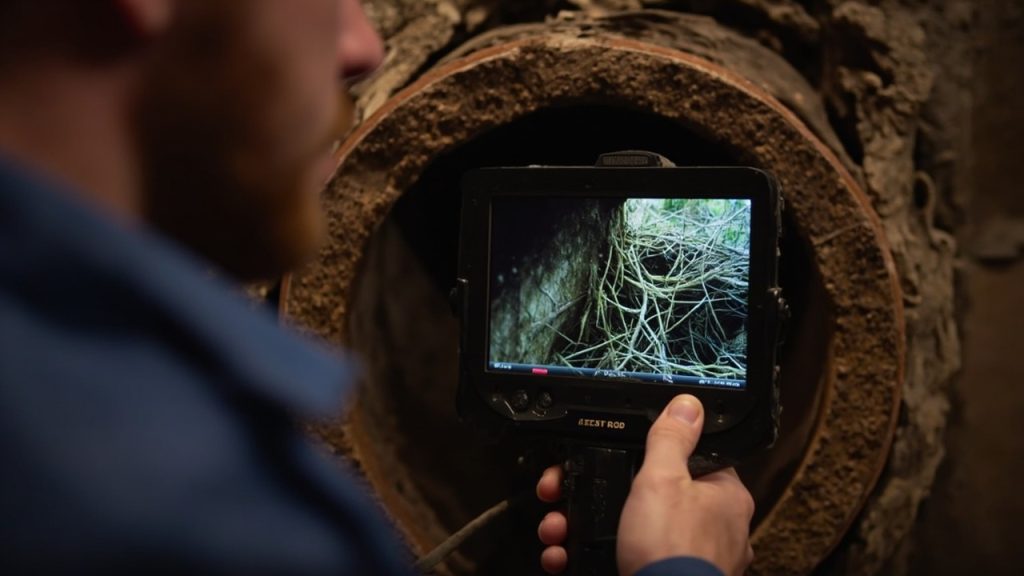
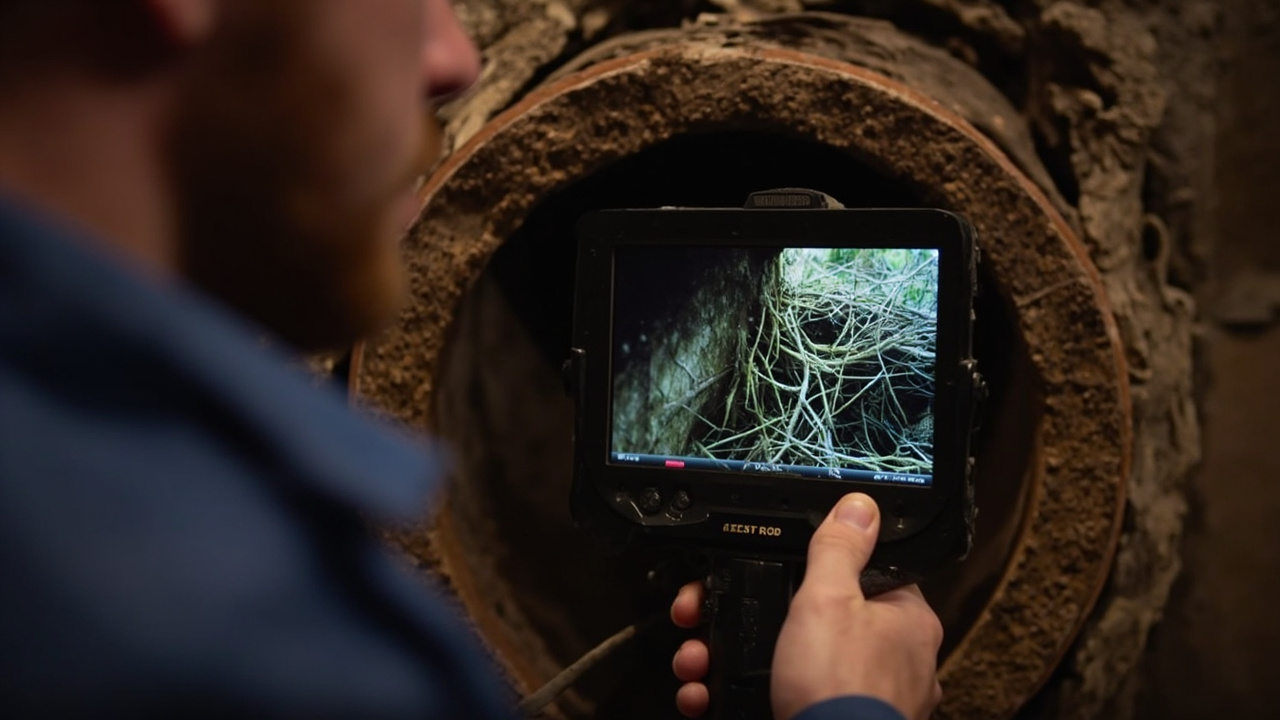
In 2026, we no longer guess about what is happening underground. High definition sewer cameras allow us to see exactly where the roots entered and how much damage they caused. We insert a flexible fiber optic cable into your sewer cleanout and navigate it all the way to the city main. This provides a clear view of every joint and crack. We can identify if the pipe is still structurally sound or if the roots have caused a total collapse. This visual evidence is critical for planning a long term solution rather than a temporary fix.
Sewer camera inspections are also a requirement for many property transactions. The Minneapolis Public Works department maintains strict standards for sewer laterals. When you buy or sell a home in South Minneapolis, a Truth in Sale of Housing (TISH) inspection might flag sewer issues. Having a clear video record of your line helps you stay ahead of these requirements and ensures you are not surprised by a massive repair bill during a home sale.
Comparing Methods for Root Removal and Pipe Cleaning
There are several ways to clear roots from a sewer line. The best method depends on the severity of the intrusion and the age of your pipes. Mechanical snaking uses a steel cable with a rotating blade to cut through the root mass. While effective for immediate relief, it often leaves small root ends behind. These remaining pieces grow back quickly, sometimes within a few months. This is why many homeowners feel like they are stuck in a cycle of calling a plumber every year.
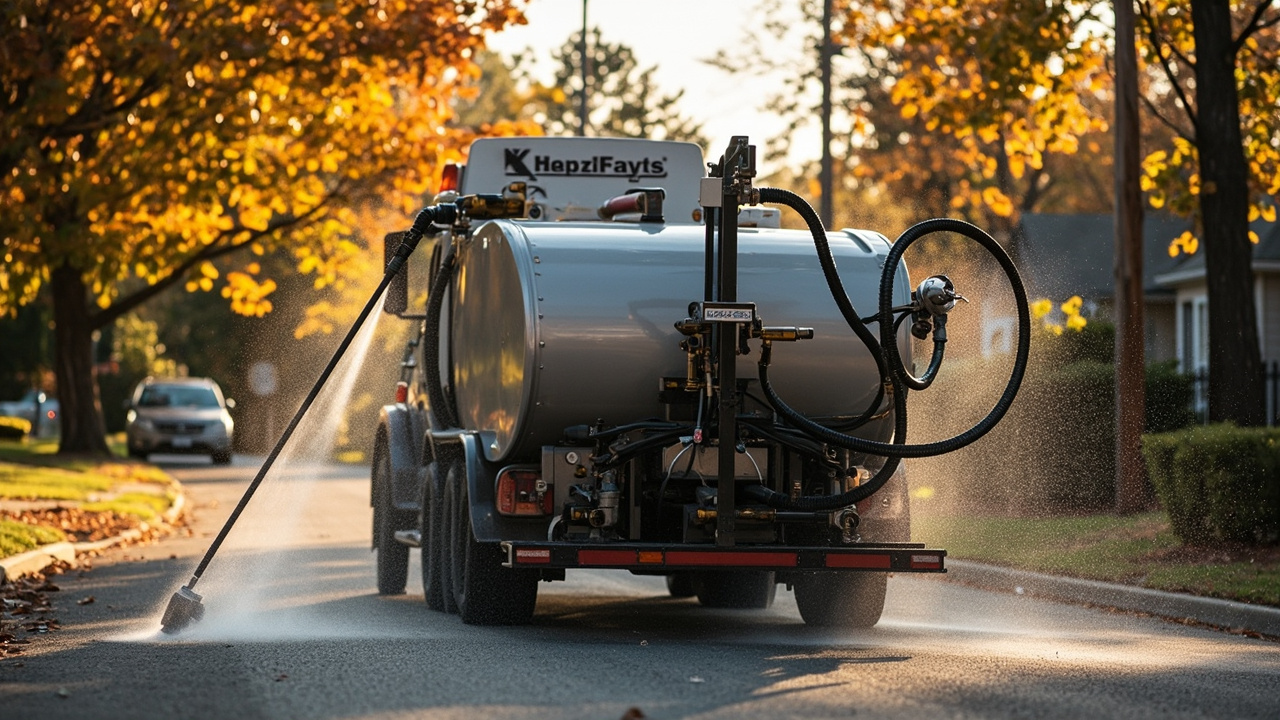
Hydro jetting is a more comprehensive solution for modern Minneapolis homes. This process uses high pressure water at approximately 4000 PSI to scour the inside of the pipe. It does not just cut the roots. It blasts away the grease and scale buildup that the roots cling to. This leaves the pipe walls nearly as clean as the day they were installed. It is particularly effective for clay pipes common in the Twin Cities. Below is a comparison of the most common removal methods available in 2026.
Comparison of Sewer Root Removal Methods
| Removal Method | Primary Benefit | Effectiveness on Roots | Typical Duration of Relief |
|---|---|---|---|
| Mechanical Snaking | Low initial cost | Moderate (cuts center only) | 6 to 12 months |
| Hydro Jetting | Cleans entire pipe wall | High (removes all debris) | 2 to 5 years |
| Chemical Foaming | Inhibits new growth | Prevention only | 12 to 24 months |
| CIPP Lining | Permanent solution | Eliminates all entry points | 50 plus years |
Permanent Solutions for Root Infestation
If you are tired of dealing with recurring backups, you should look into trenchless pipe repair. Cured in place pipe (CIPP) lining is the standard for permanent root prevention in 2026. This process involves inserting a flexible liner coated with epoxy resin into your existing clay pipe. We then inflate the liner and allow it to harden. This creates a new, seamless pipe inside your old one. Because there are no joints in a lined pipe, there is no way for roots to enter. This technology is a favorite for homeowners in Linden Hills for sewer line repair and inspection services because it does not require digging up mature landscaping or expensive driveways.
Pipe bursting is another trenchless option. We pull a new HDPE (high density polyethylene) pipe through the old clay line. The old pipe breaks away as the new one is pulled into place. This is often necessary if the original pipe has already collapsed or if the diameter needs to be increased. Both methods save your yard and provide a permanent barrier against the aggressive root systems found in the local area. These solutions are compliant with NASSCO standards for underground infrastructure repair.
Material Durability and Root Resistance in 2026
When selecting a repair method, you must consider the material. Older clay and cast iron pipes simply cannot compete with modern polymers when it comes to root resistance. Clay is brittle and porous. Cast iron eventually corrodes and develops rough spots where roots can grab hold. Modern PVC and HDPE pipes used in 2026 offer smooth surfaces and fused joints that roots cannot penetrate. The table below outlines how different materials perform in the South Minneapolis soil environment.
Sewer Pipe Material Performance in Minneapolis Soil
| Pipe Material | Root Resistance Level | Joint Type | Typical Life Expectancy |
|---|---|---|---|
| Vitrified Clay | Very Low | Bell and Spigot (unsealed) | 50 to 60 years |
| Cast Iron | Moderate | Gasket or Lead Oakum | 70 to 80 years |
| PVC (Schedule 40) | High | Solvent Welded | 100 years |
| CIPP Epoxy Liner | Maximum | Seamless (one piece) | 50 plus years |
Managing Emergency Situations and City Codes
When a total blockage occurs at three in the morning, you need immediate help. Sewage backups present a health hazard and can cause significant damage to finished basements. If you are in the city center, you can find emergency plumbers ready to help in the North Loop right now to clear the line and mitigate water damage. You should also know that the homeowner is typically responsible for the sewer lateral all the way from the house to the connection at the city main, even the portion under the street or sidewalk.
Minneapolis city codes require specific permits for any work that involves the public right of way. If you choose a trenchless solution, the permit process is often faster because there is less disruption to city property. We handle the paperwork and ensure the repair meets all current local standards. This includes ensuring proper slope for drainage and using approved materials that withstand the weight of the soil and any vehicle traffic above the line.
Seasonal Maintenance and Prevention Strategies
Prevention is the best way to avoid a plumbing disaster. You can take several steps to protect your sewer line throughout the year. First, be mindful of what you plant near your sewer lateral. If you need to add trees to your property, choose species with slow growing, non-invasive root systems. Avoid planting willows, poplars, or large maples directly over the path of the pipe. You can find the location of your line by looking at your basement cleanout and tracing a straight line to the street main.
Second, schedule a preventative cleaning every few years if you know you have clay pipes. This removes small roots before they become a problem. During the winter, you must also be aware of how the cold affects your system. While sewer lines are buried deep enough to avoid most freezing, secondary lines can still struggle. If you run into issues during a deep freeze, read about urgent methods to get your frozen pipes fixed fast in Minneapolis to protect your overall plumbing system. Cold weather makes clay more brittle, increasing the chance of cracks if root pressure is already present.
[IMAGE_PLACE_HOLDER_3]
Steps to Take After a Root Related Backup
If you experience a backup, follow these steps to minimize damage and get your system back online.
- Stop using all water in the house immediately. Do not flush toilets or run the dishwasher.
- Locate your main sewer cleanout. This is usually a four inch pipe with a cap located in your basement floor or near the front foundation wall.
- Call a professional for a camera inspection. Do not just rely on a drain snake without seeing the cause of the problem.
- Remove any standing water and sanitize the area. Sewage contains bacteria and pathogens that require thorough cleaning.
- Evaluate the long term health of the pipe. If the roots are significant, consider a liner to prevent a recurrence next season.
South Minneapolis is a beautiful place to live, and the mature trees are a large part of that appeal. You do not have to choose between your trees and your sewer line. With modern 2026 technology, you can enjoy your landscaping while maintaining a functional, root free plumbing system. Taking a proactive approach to sewer maintenance ensures your home remains safe and your basement stays dry through every season.
If you suspect roots are invading your sewer line, contact a local specialist for a camera inspection today. Seeing the interior of your pipes is the only way to make an informed decision about your home infrastructure.