
Urgent Methods to Get Your Frozen Pipes Fixed Fast in Minneapolis
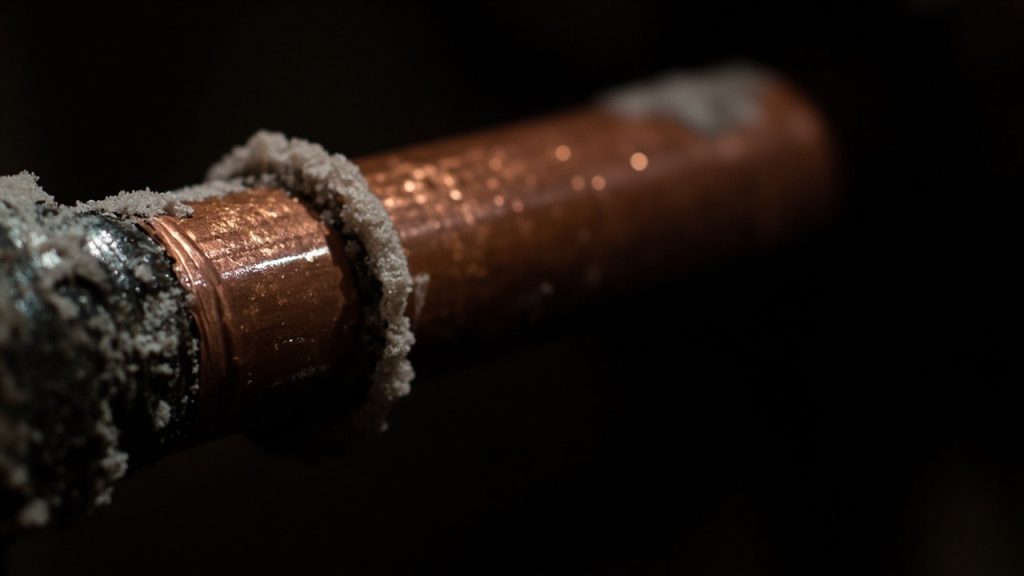
Frozen pipes are a reality for every homeowner in the Twin Cities when the polar vortex hits. You need to act within minutes to prevent a massive flood in your basement or crawl space. If you turn on your faucet and only a trickle comes out, your plumbing is already in a critical state. The expansion of ice inside your copper or PEX lines puts thousands of pounds of pressure on the pipe walls. This pressure does not just cause a leak. It causes a structural failure that can dump hundreds of gallons of water into your home in an hour.
You must take immediate steps to protect your property while waiting for a professional plumber to arrive with high-powered thawing equipment. The first action is to find your main water shut-off valve. If you do not know where it is, you can follow our guide on how to shut off main water valve locations in standard Minneapolis homes. Most older homes in neighborhoods like Northeast or South Minneapolis have these valves in the basement near the front of the house. Newer builds in the North Loop might have them in a dedicated utility closet. Closing this valve stops the flow of water so that when the ice melts, a burst section won’t flood your living room.
Immediate Actions to Take Before the Plumber Arrives
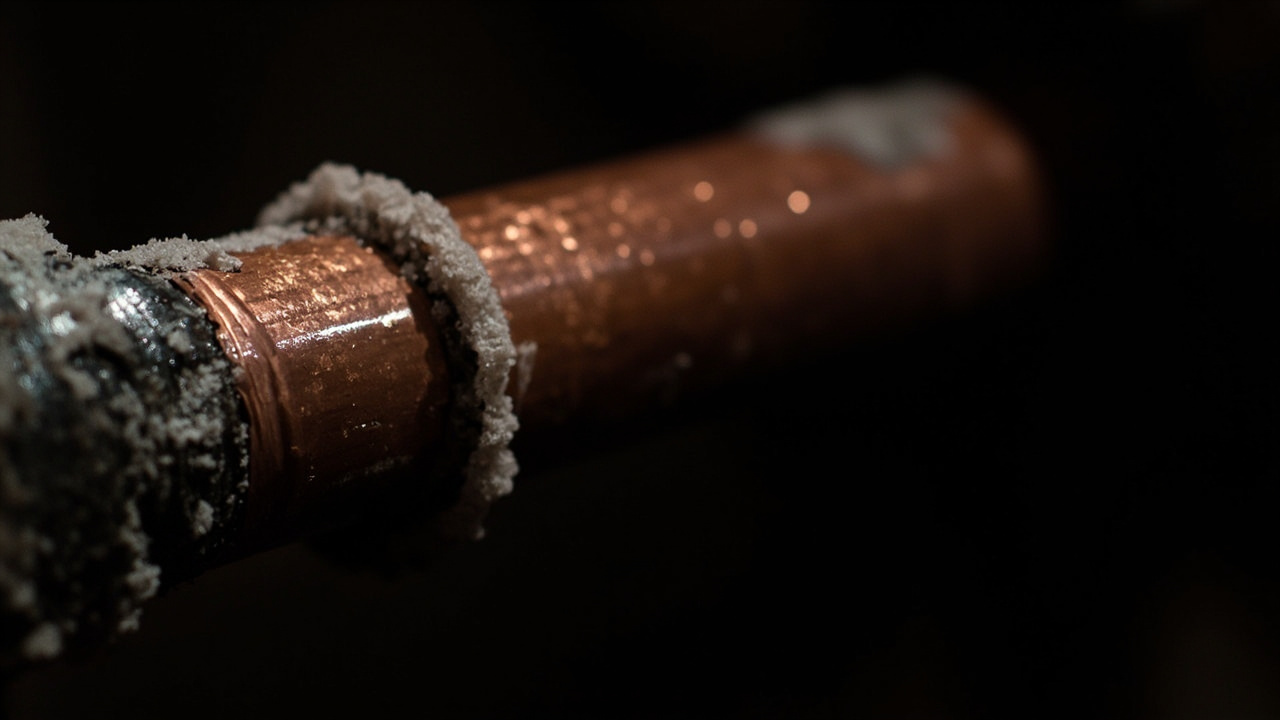
Open the faucets that are connected to the frozen lines. This includes both the hot and cold handles. As the ice begins to melt, the water needs a place to go. Opening the tap relieves the pressure buildup between the ice blockage and the faucet. This simple step can sometimes prevent a pipe from splitting wide open. If you have a hair dryer, you can try to apply gentle heat to the exposed section of the pipe. Never use an open flame or a propane torch. These tools are fire hazards and can damage your plumbing materials. The goal is to raise the temperature of the pipe surface just enough to start the melting process.
Check for visible signs of damage along the pipe. Look for frost on the outside of the metal or plastic. If you see a bulge in the pipe, it has already been compromised. In these cases, you will definitely need a burst pipe repair specialist to cut out the damaged section and install new material. Minneapolis plumbing codes require specific types of joints and fittings for these repairs to ensure they withstand future freeze-thaw cycles. You can review the current Minnesota plumbing code requirements for residential properties to understand the standards for these emergency fixes.
Signs Your Minneapolis Plumbing is Frozen
You can often tell a pipe is frozen before it completely stops the water flow. If you hear banging sounds when you turn on the water, you might have ice crystals moving through the lines. This is a sign of noisy pipes caused by restricted flow. Other signs include foul odors coming from the drains or frost visible on the pipes under your kitchen sink. If your water pressure suddenly drops during a cold snap, assume a freeze is starting. Residents in older Uptown homes often experience this in kitchen bump-outs or pipes located on exterior walls.
| Condition | Severity Level | Immediate Action Required |
|---|---|---|
| No water flow at all | Critical | Shut off main water valve and call for emergency thawing |
| Trickling water flow | High | Open all faucets and apply heat with a hair dryer |
| Visible frost on pipes | Medium | Increase room temperature and open cabinet doors |
| Bulging or split pipe | Extreme | Shut off water and prepare for pipe replacement |
Professional Pipe Thawing Equipment and Techniques
When the freeze is deep inside a wall or under a slab, household tools will not work. Professional plumbers in Minneapolis use specialized pipe thawing machines that pass a safe, low-voltage electrical current through the metal pipes. This generates heat throughout the entire length of the pipe simultaneously. This method is much faster than waiting for a space heater to warm up a wall cavity. For PEX or plastic piping, we use internal pipe heaters or thermal imaging to locate the exact point of the blockage. This allows us to target the heat without tearing out large sections of your drywall.
If your pipes are located in a difficult area like a crawl space or an uninsulated attic, we might use high-output industrial heat lamps or forced-air heaters. These tools are part of our 24/7 emergency plumbing services designed to handle the toughest Minnesota winters. We focus on getting the water moving again so your family can return to a normal routine. After the pipe is thawed, we perform a pressure test to ensure there are no small pinhole leaks that could lead to mold growth behind your walls later.
Material Vulnerability in Sub-Zero Temperatures
Different piping materials react differently to the cold. Copper is very common in Minneapolis but it is also very rigid. When water turns to ice, it expands by about nine percent. Copper does not stretch much, so it often splits along the seam. PEX is more flexible and can sometimes expand without breaking, but the fittings are still vulnerable. The following table compares how these materials hold up during a freeze event.
| Pipe Material | Freeze Resistance | Common Failure Point | Repair Method |
|---|---|---|---|
| Copper | Low | Side wall splits | Soldered coupling or replacement |
| PEX (Polyethylene) | High | Brass fittings and joints | Crimp ring replacement |
| Galvanized Steel | Low | Threaded connections | Transition to PEX or Copper |
| CPVC | Very Low | Brittle cracking | Full section replacement |
Repairing Burst Pipes and Preventing Recurrence
If you have the misfortune of a burst pipe, the repair needs to be permanent. We often suggest PEX vs copper piping guide options depending on the location of the break. PEX is often the better choice for exterior walls because of its slight flexibility. Once the repair is finished, we look at why the pipe froze in the first place. Often, it is a lack of insulation or a small air leak in the rim joist of your basement. We provide a plumbing inspection checklist to help you identify other high-risk areas in your home before the next cold front arrives.
Preventing frozen pipes is much cheaper than fixing them. You should insulate any pipes that run through unheated spaces. You can also install heat tape, which is an electric cable that wraps around the pipe and turns on when the temperature drops. For homes with history of freezing, we recommend keeping a constant drip of water during nights when the temperature falls below zero. Moving water is much harder to freeze than standing water. You can find more detailed advice in our guide on how to prevent frozen pipes specifically for the Minnesota climate.
Minneapolis Neighborhood Solutions for Winter Plumbing
The age of your home often dictates the type of plumbing issues you will face. In Northeast Minneapolis, many homes have original galvanized lines that are prone to sediment buildup. This sediment buildup in pipes makes them even more likely to freeze because the water flow is already restricted. In Southwest Minneapolis, larger estates might have long runs of pipe in crawl spaces that are difficult to access. Each area requires a different approach to thawing and repair.
- Identify the most vulnerable pipes near exterior walls or windows.
- Open cabinet doors under sinks to let warm room air circulate around the plumbing.
- Check your sump pump discharge line to ensure it is not frozen shut and causing a sump pump services emergency.
- Seal gaps in your foundation where cold air might be blowing directly onto a water line.
- Keep your thermostat set to at least 55 degrees even if you are away from home.
Why Minneapolis Winters Are Hard on Residential Pipes
The frost line in Minnesota can reach depths of five feet or more. This means even your main water line buried underground is under constant thermal stress. If your main line freezes, it is a significant job that requires a main water line break repair team. This usually happens when there is very little snow cover to insulate the ground. The cold penetrates deep and can freeze the water before it even enters your home. This is why we see a spike in emergency calls during late January and February.
We also see issues with high-efficiency furnaces that vent through the side of the house. If the condensate line for these units freezes, it can cause the furnace to shut down. This leads to a rapid drop in indoor temperature, which then causes your interior pipes to freeze. It is a chain reaction that can happen in just a few hours. Keeping your home warm is your first line of defense. If you experience a heating failure, you need to drain your plumbing system immediately to prevent a total loss. You can learn about the costs associated with these emergencies in our plumbing repair cost guide 2026 edition.
Common Areas for Pipes to Freeze in Twin Cities Homes
Kitchen sinks located under windows are the most common service calls we receive. The space behind the cabinet is often poorly insulated and sits against the cold exterior sheathing. Another common spot is the pipe leading to an outdoor hose bib. If you did not disconnect your garden hose in the fall, water stays trapped in the faucet and freezes back into the house. This often results in a burst pipe that you don’t notice until the first time you try to use the hose in the spring. We recommend checking these areas every time the temperature drops below zero.
For those living in multi-unit buildings, apartment complex plumbing presents its own set of challenges. A freeze in one unit can affect the water pressure for the entire floor. If you are a property manager, having a plan for rapid response is essential to avoid massive insurance claims from water damage. We work with many buildings in the North Loop to provide preventative maintenance and emergency repairs during the winter months. You can find more information about these specialized needs on the EPA WaterSense website, which offers data on water conservation and system integrity.
Getting your pipes fixed fast requires a combination of quick thinking and professional help. Do not wait for the ice to melt on its own, as this is when most of the damage occurs. By the time you see water leaking, the structural damage is already done. Reach out to a qualified Minneapolis plumber as soon as you notice the first sign of a freeze. We have the tools and the experience to get your water flowing and keep your home dry through the rest of the 2026 winter season. If you are currently dealing with a plumbing emergency or want to schedule a preventative inspection, visit our contact page to get started right away.