
Understanding the violent thumping in your St. Paul plumbing
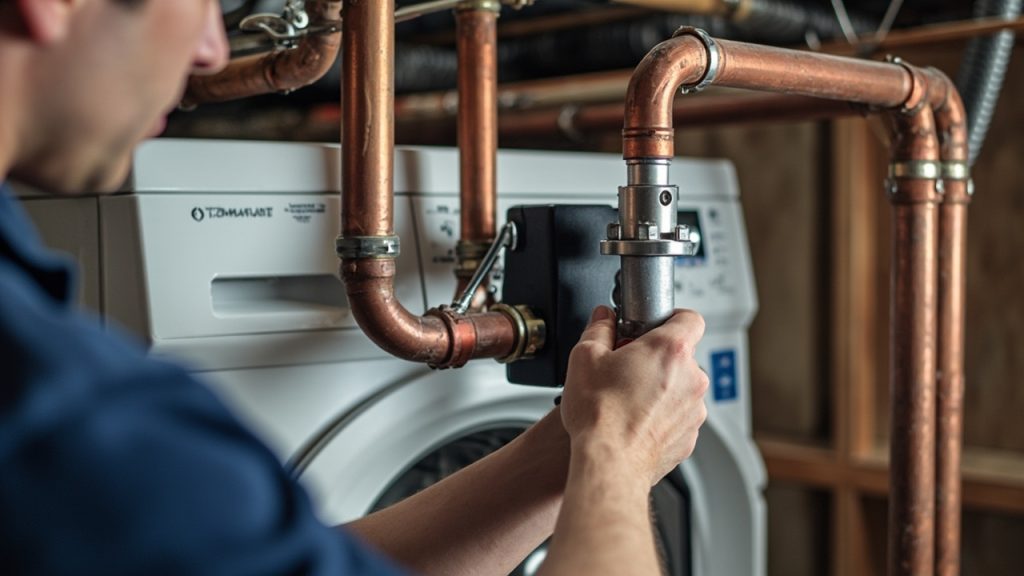
The sudden bang echoing through your basement when the washing machine stops or a faucet turns off is a common grievance in St. Anthony Park. This noise often sounds like someone hit your pipes with a heavy hammer. It creates a physical vibration that you can feel through the floors of your home near Langford Park. This phenomenon is known as hydraulic shock or water hammer. In 2026, many homeowners in the 55108 zip code area are finding that modern appliances interact poorly with older piping systems. The sound is not a minor annoyance. It is the sound of your plumbing system absorbing thousands of pounds of kinetic energy that has nowhere else to go.
Water has mass and momentum when it flows through your pipes. When you abruptly stop that flow, the water crashes into the valve and sends a shockwave back through the line. This wave travels at incredible speeds through the copper or galvanized steel pipes common in this neighborhood. If your pipes are not secured tightly or if your system lacks the proper cushioning devices, the pipes will shift and strike the wooden framing of your house. Over time, this repeated stress weakens joints and leads to expensive leaks that can damage historic plaster walls and hardwood floors.
Residents living near the Luther Seminary area often report these issues more frequently due to the specific age of the local infrastructure. Many homes here still feature original plumbing layouts that were never intended to handle the high speed solenoid valves found in 2026 dishwashers and high efficiency laundry units. These modern valves snap shut in a fraction of a second. This creates a much more intense shockwave than a human hand slowly turning a traditional ceramic disk faucet. If you hear a series of rapid thumps, your pipes are physically bouncing against your floor joists.
Why St. Anthony Park homes are prone to hydraulic shock
The geography and infrastructure of St. Anthony Park contribute significantly to plumbing noise. Our neighborhood features significant elevation changes near the University of Minnesota campus and the State Fairgrounds. These hills require the municipal water utility to maintain higher pressure in certain areas to ensure everyone has adequate flow. While high pressure feels great in the shower, it creates the perfect conditions for water hammer. Current measurements in some parts of 55108 show static water pressure exceeding 80 PSI, which is the maximum recommended limit for residential safety.
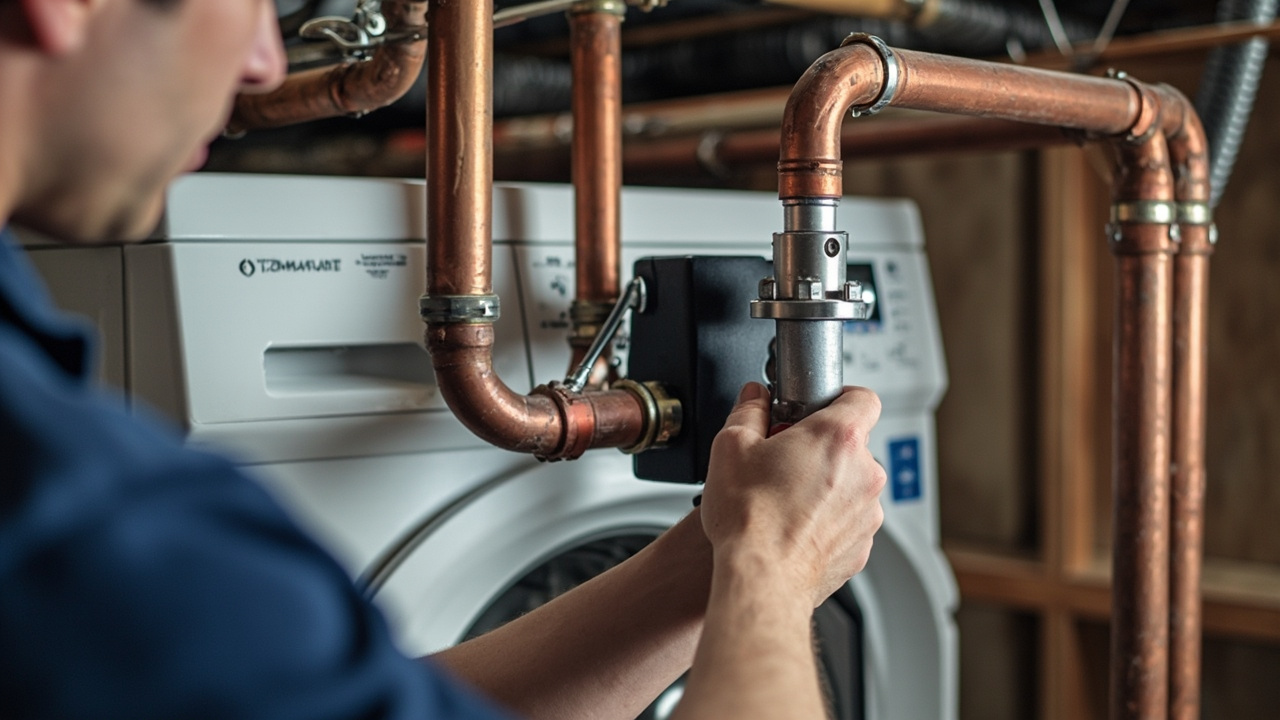
Older homes in this district often used air chambers as a primary defense against noise. An air chamber is a short vertical pipe capped at the top, usually located behind the walls near sinks. These were meant to trap a pocket of air that would act as a shock absorber. However, air eventually dissolves into the water, and these chambers fill with liquid. Once they are waterlogged, they lose all ability to cushion the shock. Modern plumbing standards require mechanical water hammer arresters, which use a piston and a permanent gas charge to ensure the cushion remains forever.
Another factor is the natural aging of pipe supports. The metal straps and wire hangers used in the mid-century have often rusted or pulled loose from the joists. In many Craftsman homes along Como Avenue, the pipes have enough play to move several inches when a shockwave hits. This physical movement is what creates the loud thumping sound. Securing these pipes is a critical step in any professional drain cleaning and pipe maintenance service for older homes. Without proper bracing, even a small amount of pressure will cause a racket.
Table 1 Comparing Mechanical Arresters and Air Chambers
| Feature | Old Style Air Chambers | Modern Mechanical Arresters |
| Mechanism | Open pipe with air pocket | Sealed piston with gas charge |
| Maintenance | Requires periodic draining | Maintenance free |
| Longevity | Fails when waterlogged | Typically lasts 15 plus years |
| Code Compliance | No longer meets most codes | Required by 2026 standards |
The danger of ignoring high water pressure in your pipes
High water pressure is a silent killer for home appliances. If your pipes are thumping, it is a sign that your pressure reducing valve or PRV might be failing. Most homes in St. Paul have a PRV located where the main water line enters the house. This device takes the high pressure from the city main and drops it to a safe level for your home. When these valves wear out, the pressure inside your house can spike. This causes the thumping to become much louder and puts immense strain on your faucets, toilets, and water heaters.
We often see the results of failed PRVs when we perform water heater replacement and repair in nearby areas. Excess pressure forces the T and P valve on your water heater to leak, or it can even cause the internal tank to rupture. In 2026, the cost of replacing high end appliances is significant. Spending a small amount on a pressure gauge and a new PRV is a smart investment to protect your property. A properly functioning PRV should keep your home between 45 and 60 PSI.
If you suspect your pressure is too high, you can test it with a simple threaded gauge attached to your outdoor hose bib. If the needle reads over 75 PSI during the night when water usage is low, you need a new valve. This is especially true for residents in the higher elevations of Ramsey County where the city pumps have to work harder. Keeping your pressure in check will immediately reduce the intensity of any water hammer issues you are experiencing.

Step by step guide to fixing the thumping sound
Fixing a water hammer requires a systematic approach. We start by identifying the exact location of the noise. Often, the sound travels through the pipes, making it difficult to find the source. We use electronic acoustic sensors to pinpoint where the vibration is strongest. Once we find the source, we follow a set of professional repair protocols.
- Install mechanical water hammer arresters directly at the source of the noise, such as laundry valves or dishwasher supply lines.
- Check and replace the main pressure reducing valve if the incoming house pressure exceeds 70 PSI.
- Inspect the entire length of accessible piping in the basement or crawlspace to find loose or missing pipe hangers.
- Replace old plastic or rusted metal straps with padded copper or plastic clamps that allow for thermal expansion without noise.
- Verify that the thermal expansion tank on your water heater is properly pressurized to handle the expansion of heated water.
Sometimes the noise is related to external factors. If you notice the thumping when you are not using water, it could be a sign of a problem with the city main or a neighbor’s plumbing system. In these cases, we work with the St. Paul Water Services department to ensure the municipal side of the meter is functioning correctly. Most of the time, however, the fix is found within the walls of the 55108 home itself.
Table 2 Recommended Pipe Support Spacing for Noise Reduction
| Pipe Material | Horizontal Spacing | Vertical Spacing |
| Copper Tubing | Every 6 feet | Every 8 feet | Every 32 inches | Every 4 feet |
| Steel Pipe | Every 10 feet | Every 12 feet |
How to secure loose pipes and prevent vibration
Many St. Anthony Park basements have exposed pipes running along the ceiling. If these pipes have any room to wiggle, they will bang against the joists every time a valve closes. We use specialized cushioned clamps to secure these lines. Unlike old fashioned nails or wire, these clamps have a rubber lining that absorbs vibration. This prevents the metal to wood contact that creates the thumping sound. It is important to leave a small amount of room for the pipe to move through the clamp horizontally to account for expansion and contraction as water temperature changes.
In cases where the banging is happening inside a finished wall, we have different techniques. We can sometimes use expanding foam insulation to stabilize the pipe without tearing out large sections of drywall. By drilling a small hole and injecting a specific density of foam, we create a rigid support system that holds the pipe firmly against the stud. This is a common solution for bathroom remodels or older Victorian homes where preserving the original woodwork is a priority. This method is much less invasive than a full pipe replacement.
If your issues involve the main drain lines rather than the supply lines, you might be hearing a different type of thumping. Large vertical stacks can sometimes shift if they are not supported at the base. This is a problem we frequently address when providing sewer line repair and inspection in Linden Hills and other historic areas. A heavy cast iron stack that drops several inches can cause a massive thud that shakes the entire house. Ensuring these heavy pipes are rested on concrete or steel supports is vital for safety.
Professional pressure management for Twin Cities residents
Managing the pressure in your home is about more than just noise. It is about the longevity of your entire infrastructure. When the water pressure is too high, every joint in your system is under constant stress. This can lead to pinhole leaks in copper pipes or the sudden failure of flexible braided hoses under your sinks. During the winter months, high pressure can even exacerbate the risk of a blowout if you deal with frozen pipes in Minneapolis. The increased pressure pushes against the ice plug and can cause the pipe to split much faster than it would at lower pressures.
We recommend that St. Anthony Park residents have their pressure checked at least once every two years. The 2026 standards for plumbing safety are more rigorous than they were even a few years ago. If your home is still using original equipment from the mid-century, you are likely operating outside of the safe zone. Modern PRVs are much more reliable and can be adjusted precisely to match the needs of your specific household. Whether you have a small bungalow or a large multi family home near the Fairgrounds, proper pressure regulation is the first line of defense against plumbing noise.
For those experiencing plumbing emergencies in the middle of the night, we offer support through our emergency plumbing services in the North Loop and surrounding Minneapolis areas. A water hammer that leads to a burst pipe requires immediate attention to prevent thousands of dollars in water damage. Do not wait until a thump becomes a flood. Addressing the vibration now will save you a massive headache during the next sub zero cold snap.
Plumbing systems in 55108 are unique. They require a technician who understands the transition between historic lead or galvanized mains and modern copper or PEX interior lines. We have spent over 15 years working on these specific systems. We know which houses are likely to have high pressure issues and which ones suffer from waterlogged air chambers. We carry a full stock of water hammer arresters and pressure reducing valves on our trucks to ensure we can fix your thumping pipes in a single visit.
If you are tired of the house shaking every time the laundry runs, it is time to take action. The solution is usually simpler than you think. By installing the right cushioning devices and securing your lines, you can enjoy a silent home once again. Our team is ready to inspect your system and provide a clear plan to stop the noise for good. We serve the entire St. Anthony Park neighborhood and the surrounding Twin Cities metro area with expert plumbing solutions tailored to our local climate and housing stock. Contact us today to schedule your pressure test and pipe inspection.