
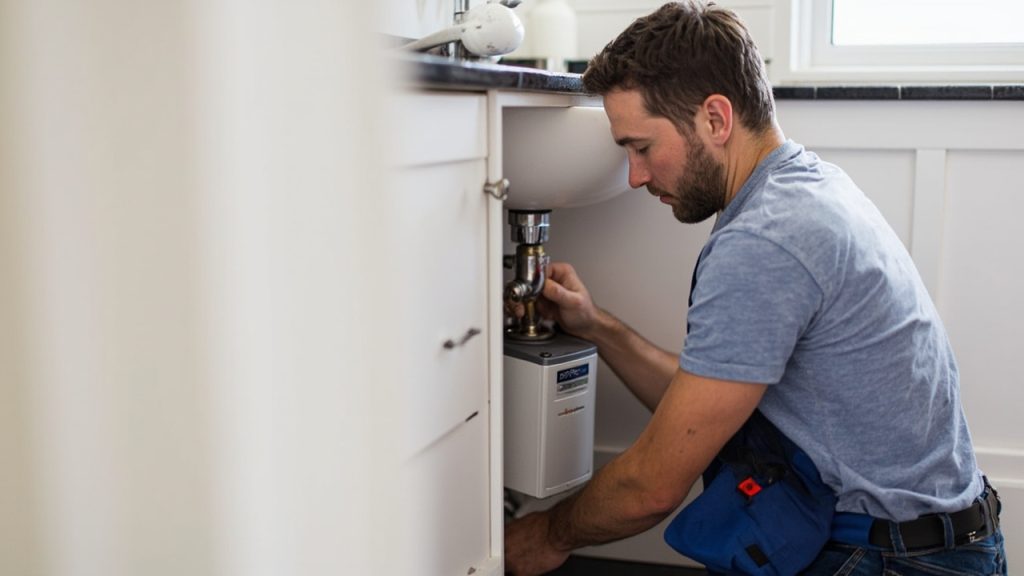
Choosing the best hot water solution for your New Brighton guest suite
Adding a guest suite to your New Brighton home is a major project that requires careful planning of every utility. When you renovate a basement or convert a garage near Silver Lake Road, hot water delivery becomes a primary concern. You want your guests to have immediate access to a warm shower without waiting for the main household tank to push water across the entire property. In the current 2026 housing market, the two most popular options for these detached or semi-detached spaces are point of use water heaters and whole home tankless systems. Each has distinct advantages depending on your specific plumbing layout and electrical capacity.
New Brighton homeowners often face a unique challenge with groundwater temperatures. During a typical Minneapolis winter in 2026, the water entering your home from the municipal supply can drop as low as 40 degrees. This cold start means your heating equipment must work significantly harder than units located in southern climates. This temperature rise, often called the Delta T, determines how many gallons of hot water per minute your equipment can actually produce. If you install a unit that is too small, your guests will experience a lukewarm shower that never reaches a comfortable 120 degrees.
Understanding point of use water heater technology
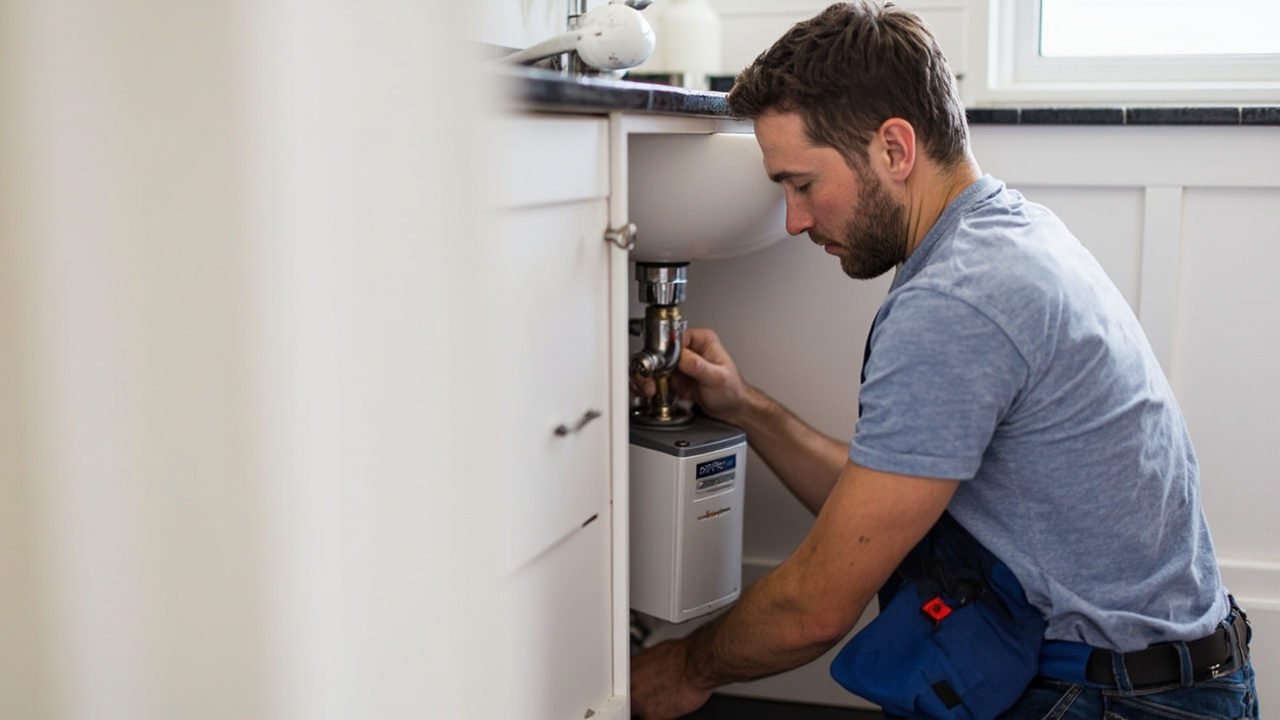
A point of use water heater is a compact device designed to serve one or two specific fixtures. These are typically electric and are installed under a sink or in a nearby closet within the guest suite itself. Because the heater is only inches or feet away from the faucet, the lag time for hot water is nearly zero. This provides a luxury feel for guests who do not have to waste gallons of water waiting for the temperature to rise. These units are popular for accessory dwelling units or basement suites where tying into the existing central plumbing stack is physically difficult or prohibitively expensive.
In 2026, most point of use models are highly efficient but come with limited flow rates. A small unit under a bathroom vanity might only produce half a gallon per minute. This is sufficient for washing hands but would fail to power a shower head. For a full guest bathroom in New Brighton, you would need a larger point of use model that requires a dedicated 240 volt circuit. If your current electrical panel is already full, this might require a sub-panel or a full service upgrade. You should consult with emergency plumbers ready to help in the North Loop right now if you run into unexpected electrical or piping issues during an installation.
The whole home tankless alternative
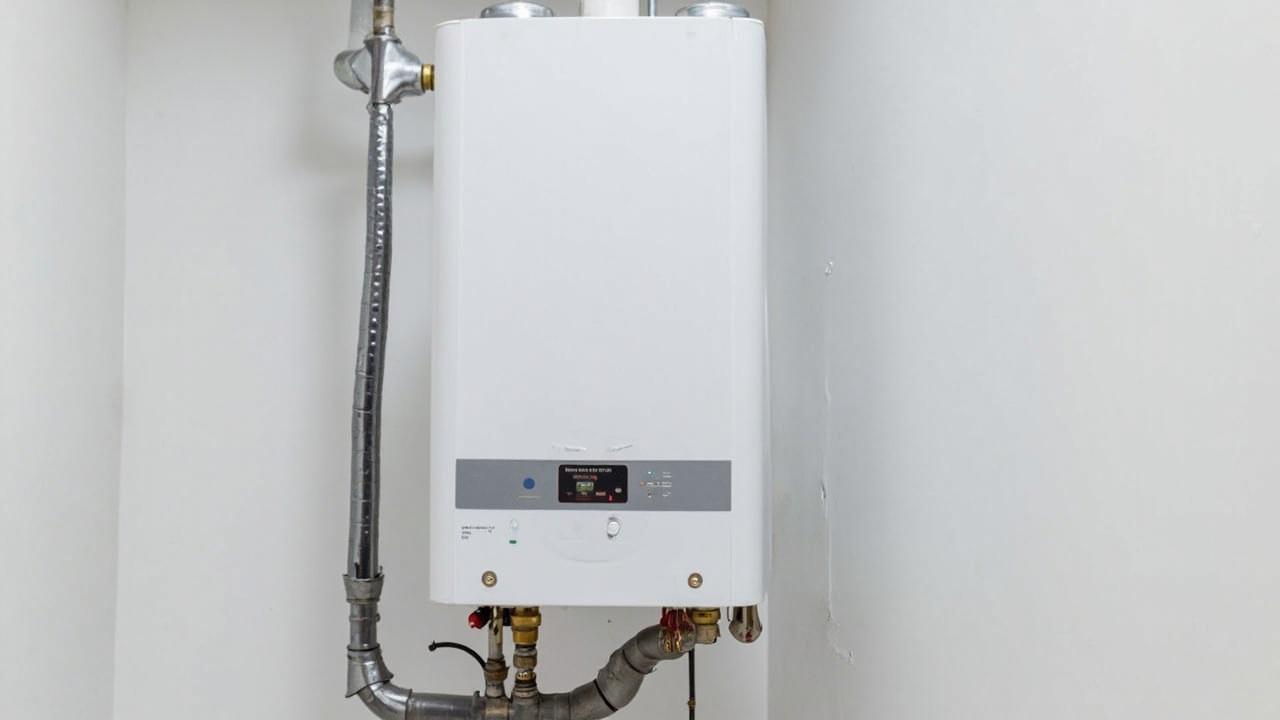
If you are planning to upgrade the hot water for your entire residence while simultaneously adding the guest suite, a whole home tankless water heater is often the superior choice. These units are typically gas-fired and provide an endless supply of hot water by heating it on demand as it flows through a heat exchanger. Unlike point of use units, a large tankless system can handle multiple showers and appliances running at the same time. This is especially useful if your guests are staying long term or if you have a large family using the main house bathrooms simultaneously.
Installation of a gas tankless unit in New Brighton requires proper venting through an exterior wall. Because these units are condensing in 2026, they use PVC venting which is easier to install than old fashioned metal flues. However, the gas line requirements are substantial. A standard tankless unit needs a larger gas pipe than a traditional tank to ensure it can fire at full capacity during a cold Minneapolis morning. If you are also considering other upgrades, you might look into professional water heater replacement and repair in Edina to see how neighboring communities are handling these high efficiency transitions.
Comparing point of use and tankless specifications
| Feature | Point of Use Electric | Whole Home Gas Tankless |
|---|---|---|
| Primary Power Source | Electricity (120V or 240V) | Natural Gas or Propane |
| Typical Flow Rate | 0.5 to 2.5 GPM | 5.0 to 11.0 GPM |
| Installation Location | Under sink or closet | Utility room or exterior wall |
| Venting Required | None | Direct vent PVC |
| Space Used | Less than 2 cubic feet | Approx 4 to 6 square feet of wall space |
The choice between these two often comes down to the number of fixtures in your guest suite. If the suite only has a half bath, a point of use unit is almost always the most cost effective solution. If the suite includes a kitchen area and a full master bathroom, the electrical requirements for multiple point of use units might exceed the cost of a single tankless installation. You must also consider the Minnesota Department of Health guidelines for water safety and backflow prevention when modifying your home plumbing system.
The impact of Minneapolis groundwater on performance
The thermal dynamics of water heating in the Twin Cities are non-negotiable. When the incoming water is 42 degrees and your goal is 120 degrees, you need a 78 degree temperature rise. This is a much higher hurdle than the 40 or 50 degree rise required in warmer states. In 2026, manufacturers provide specific charts for northern climates. A unit that claims to provide 5 gallons per minute in Florida might only provide 2.5 gallons per minute in New Brighton during January.
This performance drop is why many homeowners prefer gas-fired tankless units for guest suites with showers. Gas provides a much higher BTU output than standard residential electric circuits. If you choose electric point of use for a shower, you must ensure the unit is rated for at least 27 kilowatts to handle the winter temperature drop. This requires a 120 amp or 150 amp dedicated circuit, which is more than many older New Brighton homes have available in their total service panel. During extreme cold snaps, you should also be aware of urgent methods to get your frozen pipes fixed fast in Minneapolis to protect your new investment.
Installation and labor considerations in New Brighton
Labor rates for plumbing in the Minneapolis metro area in 2026 reflect the high level of training required by the Minnesota Plumbing Code. Installing a point of use heater is generally a faster process, often taking four to six hours including electrical work. A whole home tankless conversion is more involved, typically requiring a full day of labor for two technicians. This includes the removal of the old tank, running new gas lines, and installing the intake and exhaust venting systems.
You should also factor in the longevity of the equipment. Modern tankless units installed in 2026 are expected to last 20 years or more with proper maintenance. Point of use units have a slightly shorter lifespan of 10 to 15 years because their heating elements are often in direct contact with the water. Because New Brighton water has a specific mineral content, scale buildup can be an issue. Installing a water softener or an inline scale inhibitor will protect your equipment from premature failure. This is especially important for professional drain cleaning services for older homes in Uptown Minneapolis and the surrounding suburbs where mineral deposits can also clog old pipes.
Operating costs and energy rebates
In 2026, energy efficiency is a major driver for home upgrades. Local utilities like Xcel Energy and CenterPoint Energy offer significant rebates for high efficiency water heating equipment. Gas tankless units with a high Uniform Energy Factor (UEF) often qualify for the largest rebates. These incentives can offset the higher initial cost of the unit and the complex installation. Point of use electric units are efficient because they have no standby heat loss, but because they use electricity, their monthly operating cost may be higher depending on current 2026 kilowatt-hour rates.
- Check for current 2026 federal tax credits for high efficiency heat pump or tankless upgrades
- Verify local New Brighton municipal rebates for water conservation
- Inquire about manufacturer rebates from brands like Rheem, Rinnai, or Navien
- Assess the long term savings of eliminating the pilot light and standby heating
Sizing your guest suite water heater
| Guest Suite Fixtures | Recommended Heater Type | Minimum Required Output |
|---|---|---|
| Half Bath (Sink only) | Point of Use Electric | 1.5 GPM (7kW) |
| Full Bath (Shower and Sink) | Large POU or Tankless | 2.5 GPM (27kW or 150k BTU) |
| Kitchenette and Full Bath | Whole Home Tankless | 5.0 GPM (199k BTU) |
| Multiple Guest Rooms | High Capacity Tankless | 7.5+ GPM (Dual units or cascading) |
If you are building an addition near the Long Lake area, you might encounter older sewer systems that require inspection before adding new high-flow fixtures. It is a good idea to schedule sewer line repair and inspection services in Linden Hills or your specific neighborhood to ensure your main line can handle the increased discharge from a new guest suite. This preventative step ensures that your beautiful new bathroom does not face drainage issues during its first month of use.
Maintenance requirements for point of use systems
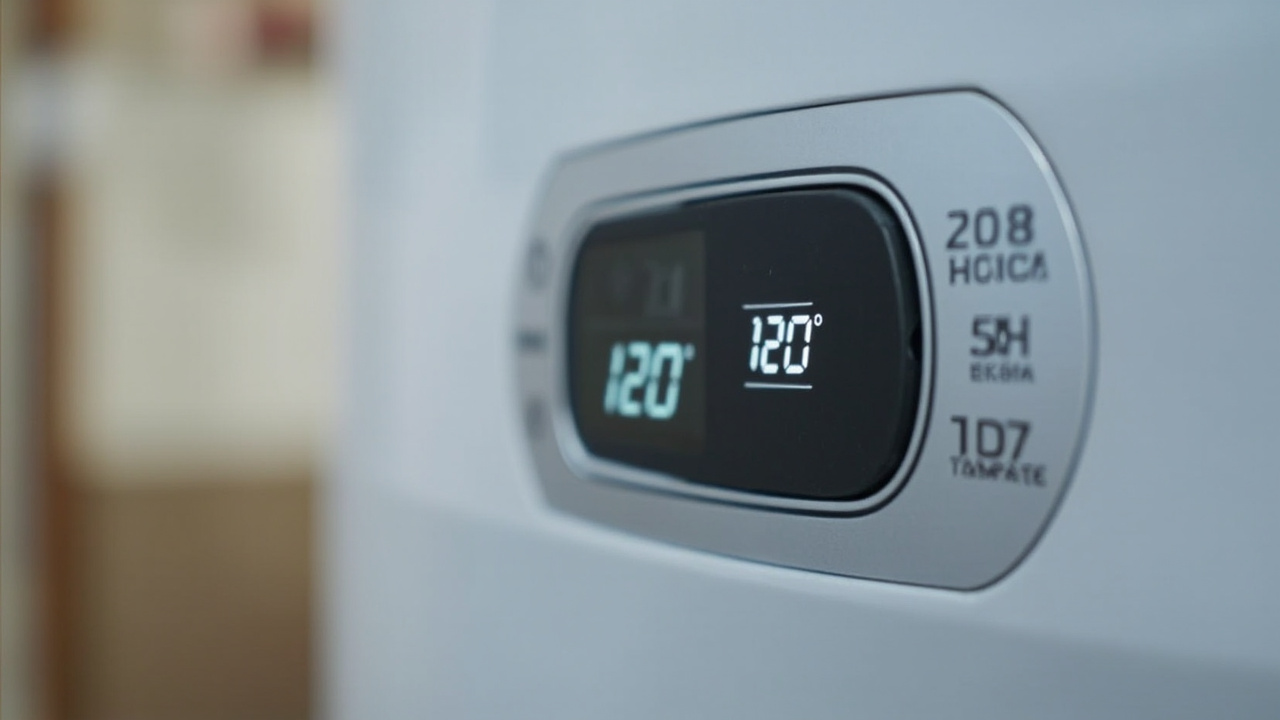
Maintenance for water heaters in 2026 is simpler but no less important than in the past. For point of use systems, the primary task is checking the heating elements for scale buildup. In New Brighton, the water hardness can vary, and calcium deposits will eventually insulate the element, making it work harder and use more energy. Most modern units have a diagnostic display that will alert you when a flush is needed. This involves running a vinegar or citrus solution through the heat exchanger for about an hour to dissolve any mineral accumulation.
Whole home tankless units also require an annual flush. Additionally, you must check the intake screen for debris and ensure the venting remains unobstructed. Birds and small animals in the Twin Cities often try to nest in warm PVC vents during the fall. Installing a mesh screen on your exterior vent terminals is a simple way to prevent a system shutdown in the middle of a guest visit. If you neglect this maintenance, the unit may fail to ignite, leaving your guests with a cold shower and leaving you with an emergency repair bill.
Final considerations for your New Brighton project
The decision between a point of use heater and a tankless system rests on your budget, your existing electrical capacity, and how often you expect the suite to be used. A point of use system is an excellent surgical strike for a single bathroom that sees occasional use. It minimizes the complexity of the plumbing project and provides instant satisfaction. However, if the guest suite is the first step in a larger home renovation, investing in a whole home tankless system provides a more robust and scalable solution for your entire property.
Before you commit to a purchase, have a licensed plumber perform a flow rate test and an electrical assessment. This ensures that the equipment you choose will perform as expected when the Minneapolis groundwater turns icy in the winter. For more information on local standards, you can visit the Minnesota Department of Labor and Industry which oversees the state plumbing code. Taking the time to size your system correctly in 2026 will ensure your guest suite remains a comfortable and welcoming space for years to come. Reach out to a local expert to discuss your floor plan and get a specific recommendation for your New Brighton home.