
Minneapolis ADU plumbing requirements for Hiawatha homeowners
Building a detached accessory dwelling unit in the Hiawatha neighborhood requires more than just a foundation and a roof. You must navigate the complex world of the Minnesota State Plumbing Code and specific Minneapolis city ordinances. The Hiawatha area sits near the beautiful Minnehaha Falls and has a mix of soil types that can impact how we run your underground lines. As a plumber with over fifteen years of experience in this specific zip code, I know that planning the plumbing for your new backyard ADU in the Hiawatha neighborhood is the most technical part of your project. If you get the underground work wrong, you might face expensive repairs or code violations that stop your build in its tracks.
Current 2026 building trends show that more homeowners near the 46th Street Light Rail station are adding these units for rental income or multi-generational living. Before you dig, you need to understand how your new cottage will connect to the city infrastructure. You generally have two choices for your sewer connection. You can run a new line all the way to the city main in the alley, or you can tie into the existing sewer line of your primary home. Most Hiawatha lots have enough slope toward the alley to make these connections straightforward, but old clay pipes in this neighborhood often require a full sewer line repair and inspection before we can add the load of a second dwelling.

Understanding the Metropolitan Council and SAC fees
One of the first hurdles you will face is the Sewer Availability Charge. This is commonly known as a SAC fee. The Metropolitan Council manages the regional wastewater system and they charge this fee for every new connection or increase in capacity. Even though your ADU is in your backyard, the council views it as a new residential unit that puts demand on the system. These fees are set annually and can represent a significant portion of your initial budget. You must pay these fees before the city will issue your plumbing permit. The current 2026 rates depend on the number of fixtures you install in the unit. A simple studio ADU might only trigger one SAC unit, while a larger two-bedroom unit with multiple bathrooms could cost more.
The billing process happens through the Metropolitan Council office. We help our clients by providing an accurate fixture count early in the design phase. This ensures you are not surprised by a large bill halfway through construction. If you are converting a garage, we also have to look at whether the existing slab can be salvaged or if we need to saw-cut the concrete to lay the new waste lines. The table below shows the typical SAC unit allocations for common ADU configurations in Minneapolis this year.
| Unit Type | SAC Units Assigned | Common Fixture Count |
|---|---|---|
| Efficiency or Studio ADU | 1.0 Units | 1 Bath, 1 Kitchen Sink |
| One Bedroom ADU | 1.0 Units | 1 Bath, 1 Kitchen, Laundry |
| Two Bedroom ADU | 1.25 to 1.5 Units | 2 Baths, 1 Kitchen, Laundry |
Trenching and the Minnesota frost line
In Minneapolis, we deal with some of the deepest frost lines in the country. To prevent your water lines from freezing during a typical February cold snap, we must bury them at least seven feet deep. Some inspectors in the Hiawatha area prefer to see eight feet depending on how close we are to the alley where the soil might be compacted by heavy garbage trucks. This depth is non-negotiable. If your water line is too shallow, you will deal with the same issues many residents face during extreme winters. If you ever run into trouble with your existing home lines, you can find help with urgent methods to get your frozen pipes fixed fast in Minneapolis, but for a new build, we aim for total prevention.
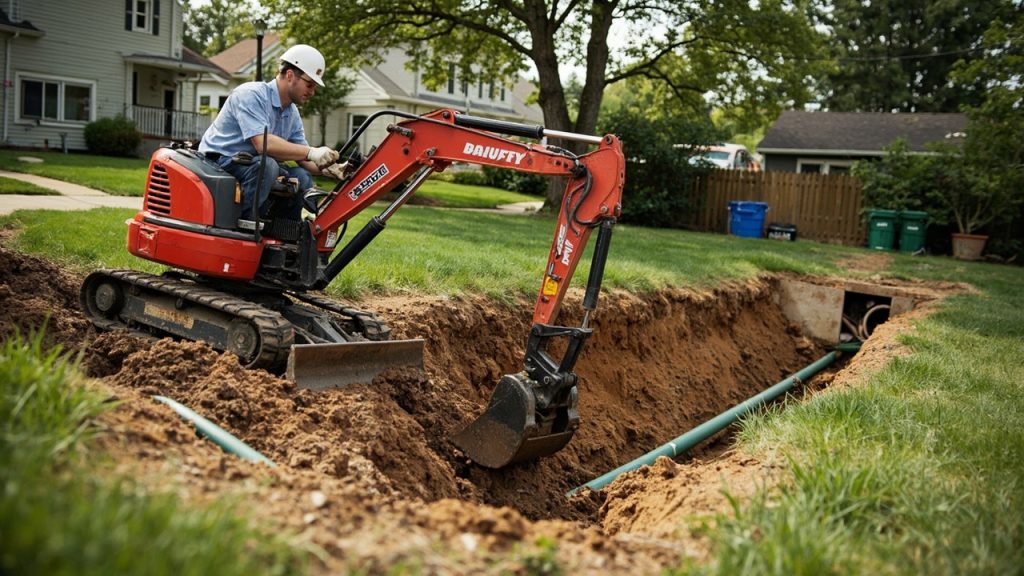
The trenching process usually involves a mini-excavator that can fit between your house and the property line. We have to be careful of existing utilities like gas lines and electrical conduits that serve your main house. We also have to consider the root systems of any mature oak or maple trees that are common in Hiawatha. Cutting a major root can kill a tree that has been there for fifty years. We often use directional boring for the water line to minimize the impact on your landscaping. This technology allows us to pull a new PEX-a water line under your yard without digging a continuous trench.
Interior plumbing specs and material selection
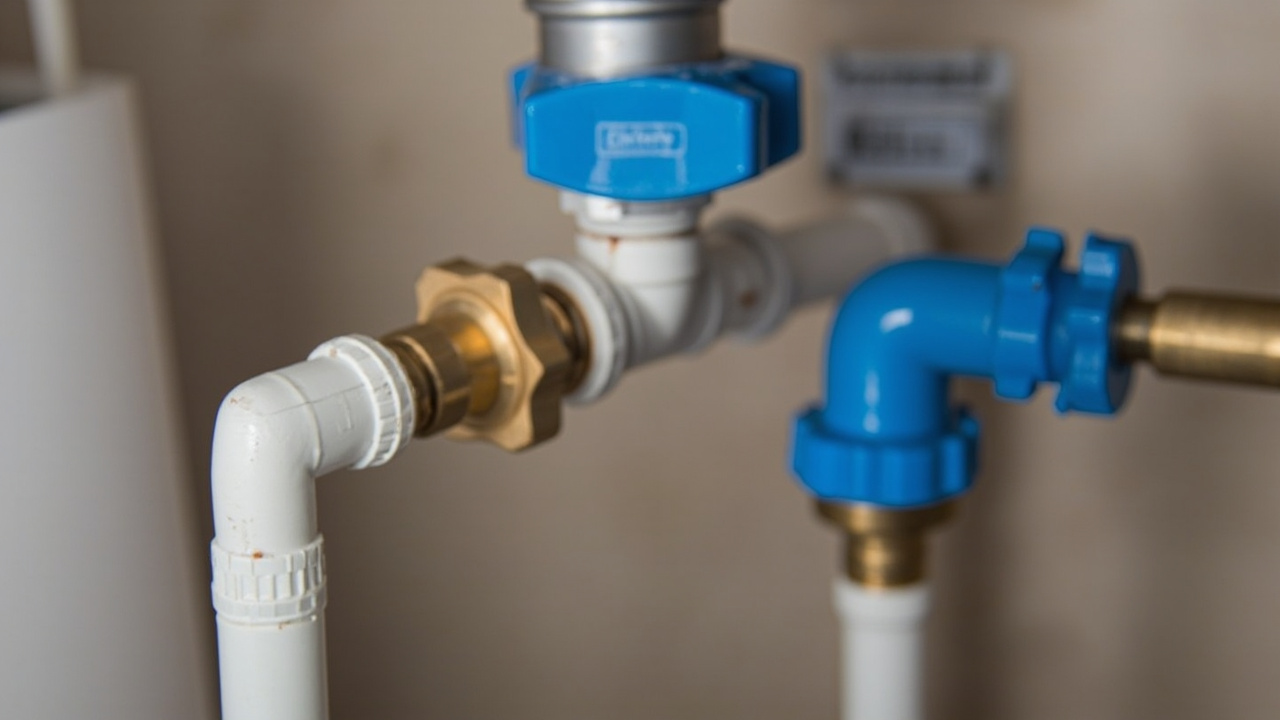
Once the pipes enter the ADU, we focus on the interior distribution. For 2026 builds, we almost exclusively use PEX-a piping for water lines because of its freeze resistance and flexibility. It handles the expansion and contraction of our climate better than copper or CPVC. For the waste and vent system, PVC is the standard. However, in smaller ADU footprints, we have to be very smart about how we vent the fixtures. We often use wet venting to save space and reduce the number of pipes going through your roof. This keeps the aesthetic of your new cottage clean and reduces potential leak points.
The Hiawatha neighborhood has many older homes with cast iron stacks. If we are tying your ADU into the main house stack, we must verify the integrity of that pipe. If your main house has old, clogged lines, it can cause backups in your brand-new ADU. We recommend professional drain cleaning services for older homes in Uptown Minneapolis and Hiawatha to clear out decades of buildup before the new unit goes live. This ensures the entire system functions as one cohesive unit without the risk of sewage backing up into the lower-level shower of your new cottage.
| Material Type | Best Use Case | Estimated Lifespan |
|---|---|---|
| PEX-a Expansion | Potable Water Lines | 50 to 75 Years |
| Schedule 40 PVC | Drain, Waste, and Vent | 100 Years |
| L-Grade Copper | Exposed Mechanical Room Lines | 50 Years |
| HDPE Pipe | Underground Water Service | 50 Years |
Water heating and energy efficiency in 2026
Most Hiawatha ADUs are built with high-efficiency standards in mind. Because space is at a premium, we often install tankless gas water heaters or heat pump water heaters. A tankless unit can be mounted on a wall inside a small closet, providing endless hot water without taking up a footprint on the floor. If your ADU is all-electric, a hybrid heat pump water heater is the current gold standard. These units are incredibly efficient, though they do require a bit more space for airflow and a way to handle condensate drainage. For more information on your options, you can look into professional water heater replacement and repair in Edina and the surrounding Minneapolis area.
If you choose a tankless system, we must ensure the gas line is sized correctly. A tankless heater requires a much higher BTU input than a standard tank, which might mean we need to upgrade the gas pipe coming from the meter. This is a common oversight that can lead to the heater shutting down when your furnace or stove kicks on at the same time. We coordinate with the gas company to ensure your meter can handle the increased load of two dwellings on one property.
The Minneapolis permitting and inspection process
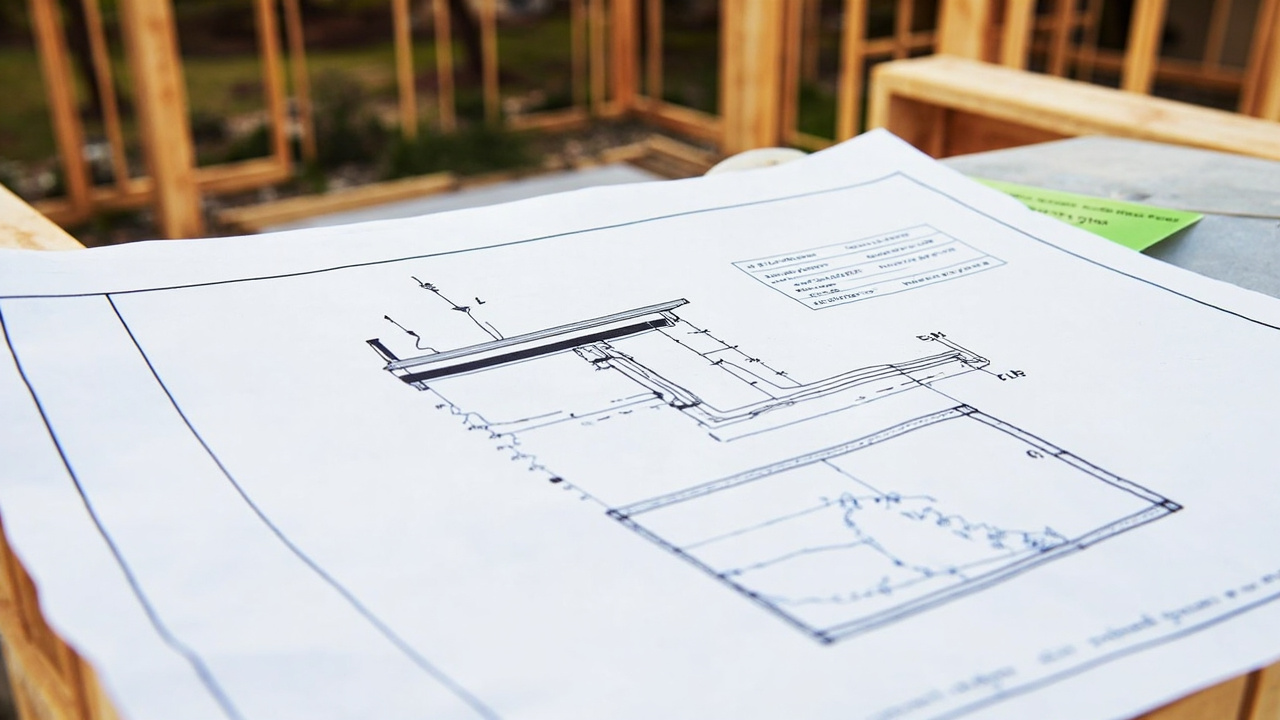
Working with the City of Minneapolis requires a specific sequence of inspections. You cannot cover your pipes with dirt or drywall until a city inspector has verified the work. The process starts with a plumbing permit application that includes a detailed riser diagram. This diagram shows exactly how every pipe flows and vents. As a licensed master plumber, I handle these filings with the Minnesota Department of Labor and Industry and the local building department to keep your project moving forward.
The inspection schedule usually follows this order.
- Underground Inspection. This happens after we lay the pipes in the trenches but before we backfill with soil. The inspector checks the slope of the sewer line and the depth of the water service.
- Rough-in Inspection. This occurs after the ADU is framed and all interior pipes are installed but before the insulation and drywall go up. We must perform a pressure test on the lines, usually with air or water, to prove there are no leaks.
- Final Inspection. Once the cabinets are in and the fixtures are set, the inspector returns to check the final function of the toilets, sinks, and water heater. They also verify that backflow preventers are installed correctly to protect the city water supply.
Addressing the unique challenges of Hiawatha lots
The Hiawatha neighborhood is known for its proximity to the parkway and the creek. This means the water table can be higher here than in other parts of the city. If we find water while digging your trenches, we may need to use specialized bedding material like pea gravel to stabilize the pipes. This prevents the lines from shifting over time, which could lead to cracks or bellies in the sewer line. A belly is a sunken section of pipe that collects debris and eventually causes a major clog.
Furthermore, many lots in this area have detached garages that are being converted. These structures were often built without any existing plumbing. Bringing water and sewer to a converted garage usually means cutting through the existing concrete floor. We use wet-sawing techniques to minimize dust inside the building. We then excavate the soil inside the garage to connect to the new underground lines we brought in from the yard. It is a labor-intensive process, but it allows for a much cleaner finish than trying to run pipes through the walls in a way that risks freezing during our harsh 2026 winters.
If you have an emergency during the construction process, such as a hit water line or a sewer backup, you need to call a team that knows the area. We have emergency plumbers ready to help in the North Loop right now and across the Hiawatha corridor. Speed is vital when a construction accident threatens to flood your backyard or your neighbor’s property.
Finishing your ADU plumbing project successfully
Planning the plumbing for your new backyard ADU in the Hiawatha neighborhood is a significant investment that adds massive value to your property. By following the current 2026 codes and using high-quality materials like PEX-a and Schedule 40 PVC, you ensure your new unit is comfortable and safe for decades. Always verify that your contractor is a licensed master plumber with the state of Minnesota. This protects you from liability and ensures that your home insurance will cover any future issues. If you are ready to start the design phase or need a quote for your SAC fees and trenching, reaching out to a local expert is the best first step. We understand the specific soil, the city inspectors, and the unique architectural needs of the Hiawatha community. Let us help you turn your backyard into a functional and profitable space with a plumbing system that stands up to the Minneapolis climate.