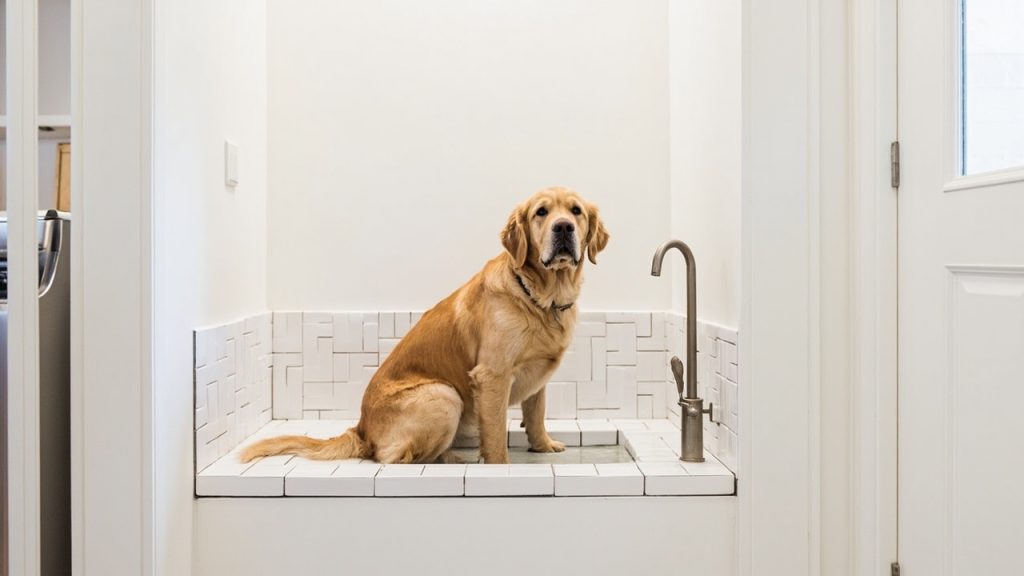
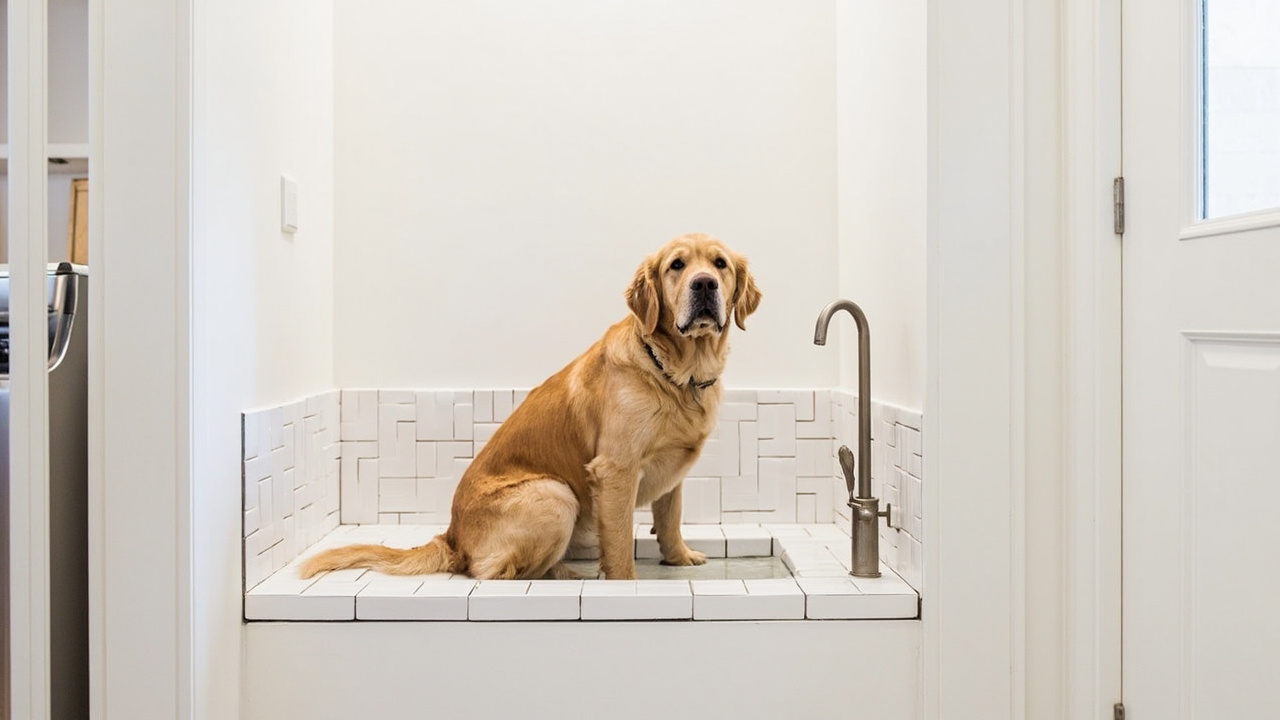
Falcon Heights homeowners understand the struggle of maintaining a clean home during a wet Minnesota spring or a snowy winter. Whether you are walking your dog near the University of Minnesota St. Paul Campus or through the neighborhoods surrounding the State Fairgrounds, mud and road salt are constant companions. A custom dog wash station in your mudroom serves as a critical defense against the elements. Planning the plumbing for these fixtures requires more than just a simple water line extension. It involves understanding the current Minnesota Plumbing Code requirements and the specific drainage needs of a high-volume pet station.
Installing a pet spa is a significant home improvement project in 2026. It adds functional value and protects your flooring investment. However, if the plumbing is not sized correctly, you risk frequent backups and water damage. In the Falcon Heights area, many homes feature older layouts where the mudroom is located far from the main plumbing stack. This distance creates specific challenges for drain slope and venting that every homeowner must consider before starting construction.
Selecting the Best Location for Your Falcon Heights Dog Wash
The first step in planning involves identifying where your water and waste lines currently run. Most mudrooms in the Twin Cities are located near the back entry or the garage. If your mudroom sits above a finished basement, the plumbing installation becomes more complex. We often look for locations that share a wall with an existing laundry room or bathroom. This proximity allows us to tap into established hot and cold water lines and existing vent stacks.
Temperature control is a major factor for local residents. If you place your dog wash against an exterior wall, you must account for the extreme cold that occurs during our winters. Improperly insulated pipes in a mudroom can lead to disaster. If you encounter issues with frozen lines in the future, you may need to look into urgent methods to get your frozen pipes fixed fast in Minneapolis. To prevent this, we recommend running water lines through interior walls whenever possible or using high-grade closed-cell spray foam insulation to protect the pipes from the Minnesota frost.
Technical Drainage Requirements and Pipe Sizing
Drainage is the most common point of failure in DIY dog wash stations. Standard bathroom sinks use a 1.5-inch drain pipe. This size is insufficient for a pet station. Dog hair, even with a strainer, eventually finds its way into the system. According to the 2026 Minnesota Plumbing Code, which builds on the foundations of Minnesota Department of Labor and Industry regulations, a 2-inch drain line is the standard for high-performance pet stations. The larger diameter provides better flow and reduces the risk of hair accumulating in the pipe.
The slope of the drain line must also be precise. In Falcon Heights, where soil shifting can affect older foundations, ensuring a consistent quarter-inch per foot slope is essential. If the slope is too aggressive, the water will outrun the solids, leading to clogs. If the slope is too shallow, the water will pool and stagnate. Proper venting is the second half of the drainage equation. Every trap needs air to function. Without a dedicated vent line connected to your home’s main stack, the drain will gurgle and slow down, eventually causing sewer gases to enter your mudroom.
Drainage Component Specifications
| Component | Standard Size | Recommended Material |
|---|---|---|
| Drain Pipe | 2 inch Diameter | Schedule 40 PVC |
| P-Trap | 2 inch | Deep Seal PVC Trap |
| Vent Line | 1.5 to 2 inch | PVC or ABS |
| Hair Interceptor | Fits 2 inch Drain | Stainless Steel or Brass |
Implementing Temperature Control and Scald Prevention
Protecting your pet’s skin is a priority. Dogs have sensitive skin that can burn easily if the water temperature fluctuates. This is especially true in homes where someone might start a load of laundry or flush a toilet while the dog is being bathed. To solve this, we install thermostatic mixing valves. These valves maintain a constant temperature by automatically adjusting the flow of hot and cold water. This technology is similar to what we use for professional water heater replacement and repair in Edina to ensure residential safety.
When selecting a faucet for your dog wash, look for a pull-out sprayer with a high GPM (gallons per minute) rating but with an integrated flow restrictor that meets 2026 water conservation standards. A long, flexible hose is necessary for reaching under the belly and around the paws of larger breeds. Many Falcon Heights residents prefer a commercial-grade pre-rinse sprayer, which provides the durability needed for frequent use without the risk of leaking handles.
The Importance of Professional Hair Interceptors
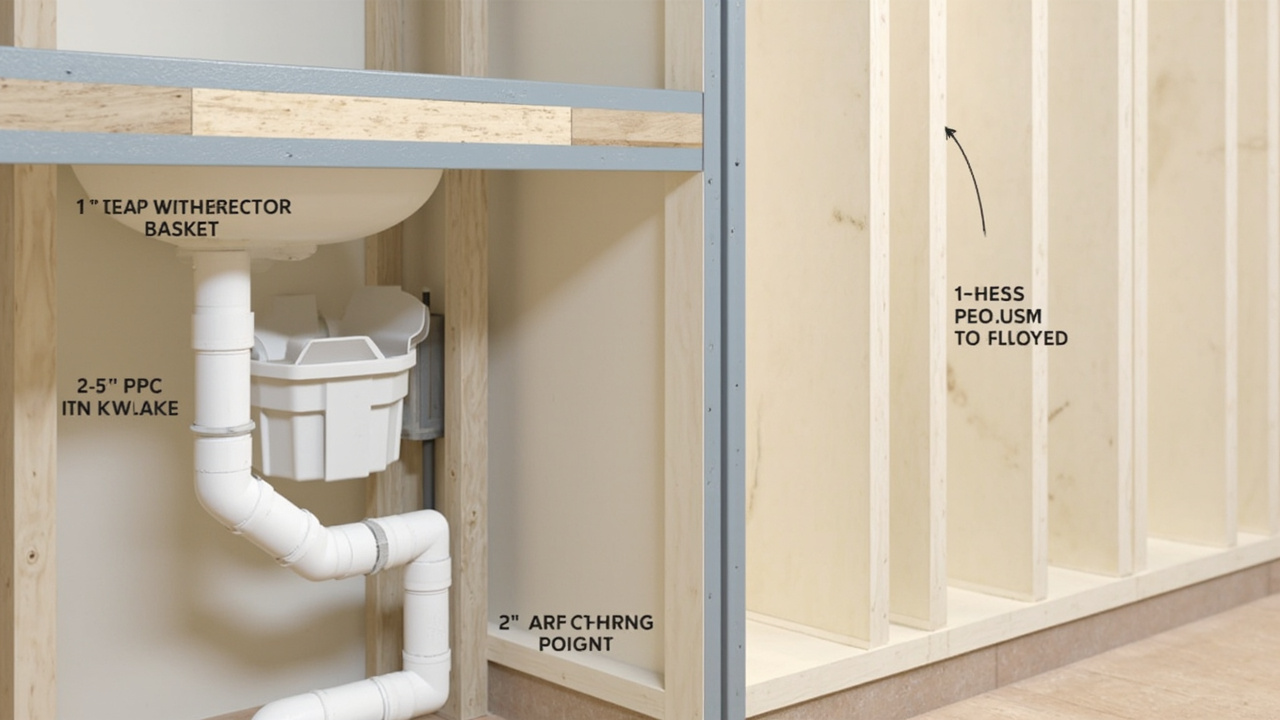
A standard mesh strainer is not enough for a dog wash station. Over time, fine fur bypasses these screens and creates a thick mat inside your pipes. This can lead to the type of deep blockages that require professional drain cleaning services for older homes in Uptown Minneapolis. We recommend installing an in-line hair interceptor. These devices feature a removable basket that captures hair before it reaches the P-trap.
The interceptor should be easily accessible. Do not hide it behind a tiled wall or under a permanent cabinet. We often design custom access panels that blend into the mudroom cabinetry. Regular maintenance of the interceptor ensures that your mudroom remains odor-free and that your drain lines stay clear. If you ignore this component, you may find yourself dealing with backups that affect your entire sewer line, a problem often seen in specialized sewer line repair and inspection services in Linden Hills.
Waterproofing and Structural Considerations
Plumbing is only part of the project. The area surrounding the dog wash must be completely waterproof. This involves more than just tile and grout. You need a professional-grade waterproofing membrane behind the walls and under the base of the station. In 2026, many contractors use liquid-applied membranes that create a seamless barrier. This is vital in Falcon Heights where humidity levels fluctuate wildly between seasons. Moisture trapped behind a mudroom wall can lead to mold growth and wood rot within a single season.
Consider the height of the station as well. A raised station is easier on your back, but it requires a more complex framing and plumbing rough-in. A floor-level station is easier for large, senior dogs but requires a recessed drain system in the floor. If you choose a floor-level station and your mudroom is on a concrete slab, we must saw-cut the concrete to install the new 2-inch drain line and P-trap. This is a labor-intensive process that requires precision to avoid damaging existing radiant heat lines or structural reinforcements.
Comparison of Dog Wash Styles
| Feature | Raised Basin | Floor Level Walk-In |
|---|---|---|
| Plumbing Access | Easier Access via Cabinet | Requires Sub-floor Work |
| Pet Accessibility | Requires Ramp or Lifting | Best for Large/Old Dogs |
| Splash Protection | High Side Walls | Requires Large Tiled Area |
| Drainage Speed | Excellent Gravity Flow | Dependent on Floor Slope |
Local Permitting and Code Compliance in Falcon Heights
Any time you add a new plumbing fixture to your home, you must obtain a permit from the local building department. Falcon Heights has specific requirements for backflow prevention. This ensures that the water used to wash your dog cannot siphon back into your home’s clean water supply. We install vacuum breakers on all dog wash sprayers to meet these safety standards. Failure to pull a permit can result in fines and issues when you try to sell your home in the future.
Working with a licensed plumber ensures that your project meets the standards of the International Association of Plumbing and Mechanical Officials. We handle the inspections and ensure that the pressure testing for both water and waste lines is performed correctly. This documentation provides peace of mind that your new mudroom feature is safe and reliable. If a leak does occur during the construction phase, having a professional on-site prevents the situation from becoming an emergency like those handled by emergency plumbers ready to help in the North Loop right now.
Step by Step Plumbing Installation Process
The installation of a dog wash station typically follows a specific sequence to ensure no steps are missed. While every Falcon Heights home is unique, the general workflow remains consistent for a high-quality result.
- Demolition and wall opening to expose existing studs and utility lines.
- Rough-in of the 2-inch drain line with proper slope toward the main stack.
- Installation of the vent pipe through the roof or connection to an existing vent.
- Running the hot and cold water supply lines using PEX or copper piping.
- Mounting the thermostatic mixing valve and setting the maximum temperature limit.
- Securing the hair interceptor and P-trap in an accessible location.
- Pressure testing the entire system to check for leaks before the walls are closed.
- Installing the waterproofing membrane and tile surround.
- Setting the final trim, including the faucet, sprayer, and drain cover.
The entire process usually takes three to five days of active plumbing and tiling work. The most time-consuming part is often the curing time for the waterproofing and grout. In 2026, we have access to fast-setting mortars that can speed up this process, but we never rush the integrity of the water barrier.
Long Term Maintenance for Your Pet Spa
Once your dog wash is operational, maintenance is simple but necessary. Clean the hair interceptor after every three or four washes. Even if you have a short-haired dog, skin dander and small particles can accumulate. Every six months, check the caulking around the basin and the floor. The heavy use of water in a concentrated area can cause grout to wear down faster than in a traditional bathroom. If you notice any cracks, seal them immediately to prevent water from seeping into the subfloor.
If you notice the water pressure dropping at your dog wash station, it could be a sign of sediment buildup in the mixing valve or the sprayer head. Falcon Heights water has a moderate mineral content, and over time, calcium deposits can restrict flow. You can usually clear these by soaking the sprayer head in a vinegar solution, but the mixing valve may require professional adjustment. Keeping these components in top shape ensures that your dog wash remains a luxury feature for years to come.
Planning a dog wash station is an investment in your home and your lifestyle. By focusing on correct drain sizing, temperature safety, and local code compliance, you create a space that is as durable as it is convenient. If you are ready to start your mudroom transformation in Falcon Heights, reach out to a licensed plumbing professional who understands the specific needs of Twin Cities homes.