

Professional Slab Leak Detection in Minneapolis MN
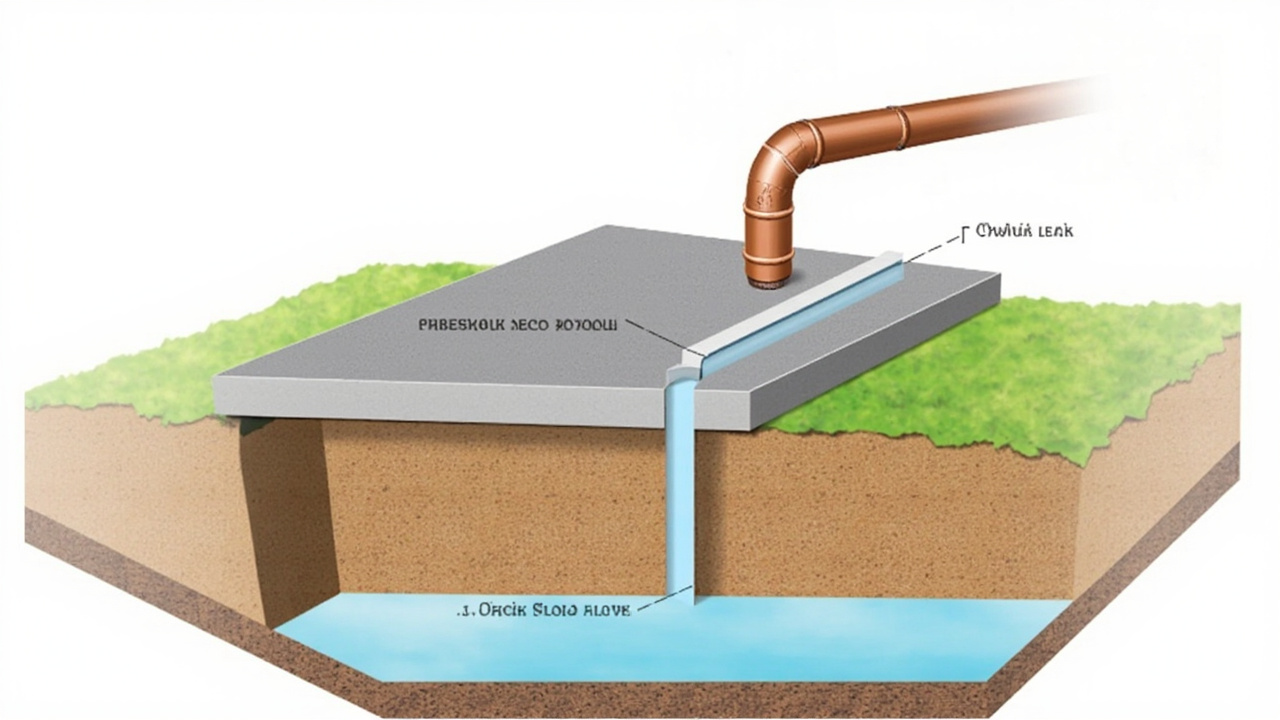
A hidden leak under your concrete foundation can cause massive damage before you even see a puddle. In the Bryn Mawr neighborhood of Minneapolis many homes sit on the rolling hillsides near Theodore Wirth Park. The shifting soil in this part of Hennepin County puts immense pressure on copper pipes under your slab. If you live in this area you must know how to identify these issues early. Slab leaks occur when the water lines running beneath your home foundation break or corrode. This leads to water escaping into the ground or pushing up through the concrete. Finding these leaks requires specific tools and local knowledge of Minneapolis soil conditions.
Many residents notice a sudden change in their monthly water costs. If your utility bill increases but your usage remains the same you likely have a leak. Because the leak happens under the floor you will not see the water right away. You might hear the sound of running water even when every faucet is off. This sound often comes from the floors or walls in lower levels. If the leak is on a hot water line you may feel warm spots on your floor. This is common in homes with thin carpeting or luxury vinyl tile. If you notice these signs you should call for help immediately. You can reach out to our emergency plumbers ready to help in the North Loop right now for rapid response in the greater metro area.

Signs of a Slab Leak in Your Minneapolis Home
Identifying a leak under a concrete slab is different from finding a leaky sink. You need to look for structural and environmental clues. In Bryn Mawr the high clay content in the soil makes these leaks particularly dangerous. When water saturates the clay it expands and pushes against the concrete. This can cause the slab to heave or crack. You should walk through your home and look for these specific indicators.
- Unexplained damp spots on your basement floor or carpets
- The smell of mold or mildew coming from the baseboards
- Cracks appearing in your drywall or ceiling without any other cause
- A water heater that never stops running because of a constant draw
- Visible water pooling around the exterior perimeter of your foundation
- Low water pressure when using multiple fixtures at once
If you experience low pressure throughout the house the leak might be in the main supply line. This requires professional tools to locate without destroying your yard. If you have concerns about your overall water system you may also want to check other appliances. We offer professional water heater replacement and repair in Edina and surrounding neighborhoods to ensure your entire system stays functional. A leaking hot water line under the slab puts a heavy load on your heater and can lead to early failure.
Our Non Invasive Detection Technology
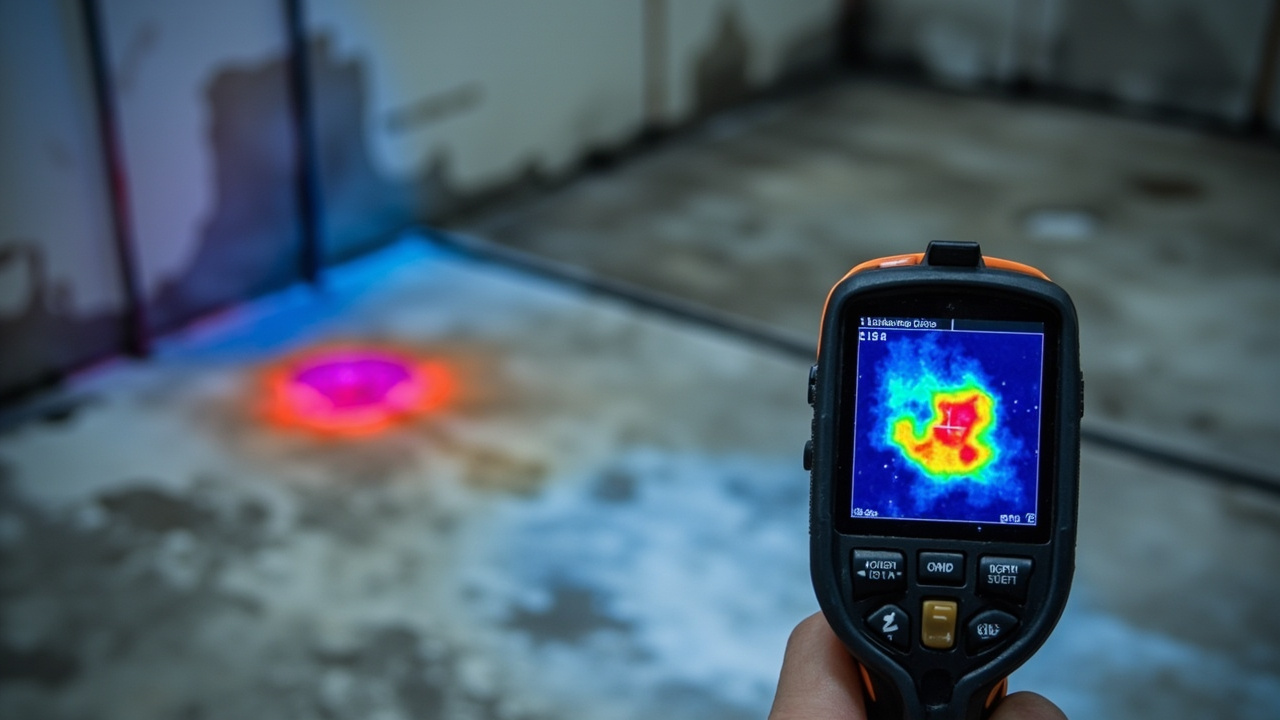
In 2026 we use advanced sensors to find leaks without breaking your concrete. We do not guess where the leak is. We use acoustic leak detection to listen for the specific frequency of pressurized water escaping a pipe. Our technicians use high frequency microphones to scan your floors. We can pinpoint the exact location of the break within a few inches. This prevents unnecessary demolition of your beautiful Bryn Mawr flooring. We also use thermal imaging cameras to see heat signatures under the slab. This is very effective for hot water line leaks. The camera shows a bright bloom of heat where the water is pooling under the concrete.
Another method involves tracer gases. We drain the water from your lines and pump in a safe mixture of nitrogen and hydrogen. We then use a sensitive gas sniffer to find where the gas escapes through the slab. This method works well for very small pinhole leaks that do not make enough noise for acoustic sensors. The Environmental Protection Agency provides data showing that even small leaks can waste thousands of gallons of water per year. Finding these early saves you money and protects the Minneapolis water supply.
Comparison of Detection Methods for 2026
| Detection Method | Accuracy Level | Intrusiveness | Best Application |
|---|---|---|---|
| Acoustic Sensors | Very High | None | Pressurized copper pipes |
| Thermal Imaging | High | None | Hot water line breaks |
| Tracer Gas | Extreme | Minimal | Small pinhole leaks |
| Hydrostatic Test | Moderate | None | Confirming a leak exists |
Why Slab Leaks Occur in the Twin Cities
The geography of Minneapolis creates unique challenges for underground plumbing. The Mississippi River basin has soil that varies from heavy clay to sandy silt. In Bryn Mawr the elevation changes lead to natural water runoff that can erode the soil beneath your slab. When the soil washes away the pipe loses its support. The weight of the concrete then presses down on the pipe. This leads to a structural break. Also the freeze thaw cycles in Minnesota cause the ground to shift significantly every year. While the pipes under your slab are below the frost line the movement of the surrounding soil still impacts the foundation.
Electrolysis is another common cause of leaks in older Minneapolis homes. This happens when the soil chemistry reacts with the copper piping. Over time the metal thins out until a hole forms. Many homes built in the mid century era used soft copper that is now reaching the end of its life. In 2026 we see a lot of these pipes failing at the same time. If you have older pipes you should be on high alert for any signs of moisture. Residents facing these issues often deal with other plumbing problems during the winter. You can learn about urgent methods to get your frozen pipes fixed fast in Minneapolis if you experience issues with your exposed lines during a cold snap.
Slab Leak Repair Options
Once we find the leak we have several ways to fix it. We choose the method based on the age of your pipes and the location of the break. A spot repair involves cutting a small hole in the slab to reach the pipe. This is the most direct method if the rest of the pipe is in good condition. We remove the damaged section and install a new piece of high quality pipe. If the pipe is old and brittle a spot repair might only be a temporary fix because another leak will likely happen nearby soon.
Pipe rerouting is often a better long term choice. Instead of cutting into your floor we abandon the line under the slab. We run a new line through your walls or attic. This completely removes the risk of a future slab leak on that line. We use PEX piping for reroutes because it is flexible and resists corrosion better than copper. This is very common in Bryn Mawr homes with finished basements where the owner does not want to ruin the flooring. For those with older homes in nearby areas we also provide professional drain cleaning services for older homes in Uptown Minneapolis to help maintain the entire plumbing network.
Slab Leak Repair Method Comparison
| Repair Type | Expected Duration | Structural Impact | Material Used |
|---|---|---|---|
| Spot Repair | 1 Day | Moderate | Copper or PEX |
| Pipe Reroute | 2 to 3 Days | Low | PEX Piping |
| Epoxy Coating | 1 to 2 Days | None | Liquid Resin |
Local Service Areas and Emergency Response
We provide slab leak detection across the entire Minneapolis metro area. Our teams spend a lot of time in Bryn Mawr because of the specific geological conditions there. We also serve neighborhoods like Linden Hills and the North Loop. If you think you have a foundation leak you must act fast. Waiting even a week can lead to significant foundation settling. This can cost tens of thousands of dollars to fix. We use the latest 2026 equipment to ensure we get the job done right the first time.
Our technicians are familiar with the building codes set by the Minnesota Department of Labor and Industry. This ensures every repair meets the current safety standards for 2026. We also help homeowners understand the details of their insurance claims. Many policies cover the cost of finding the leak and the access to the pipe but they may not cover the actual pipe repair itself. We provide detailed documentation and photos to help you with your claim process. If you have issues further down your line you might need our sewer line repair and inspection services in Linden Hills to check for external root intrusion or pipe collapses.
How to Protect Your Bryn Mawr Foundation
Prevention is the best way to avoid a slab leak. You should ensure that your gutters and downspouts carry water at least ten feet away from your foundation. This prevents the soil around your slab from becoming oversaturated. You should also monitor your water pressure. High water pressure is a leading cause of pipe failure in the Twin Cities. We recommend installing a pressure reducing valve if your home sits at over 80 pounds per square inch. This protects your underground pipes and your indoor fixtures from premature wear.
You should also schedule a plumbing inspection once every few years. We use cameras and pressure tests to check the health of your system. In 2026 these proactive measures are the standard for maintaining luxury homes in Minneapolis. If you catch a thinning pipe before it bursts you can plan a reroute on your own schedule. This is much better than dealing with an emergency on a holiday or in the middle of a blizzard. Our team is ready to help you keep your home dry and your foundation strong. If you hear water running or see a new crack in your floor give us a call today for a professional inspection.