
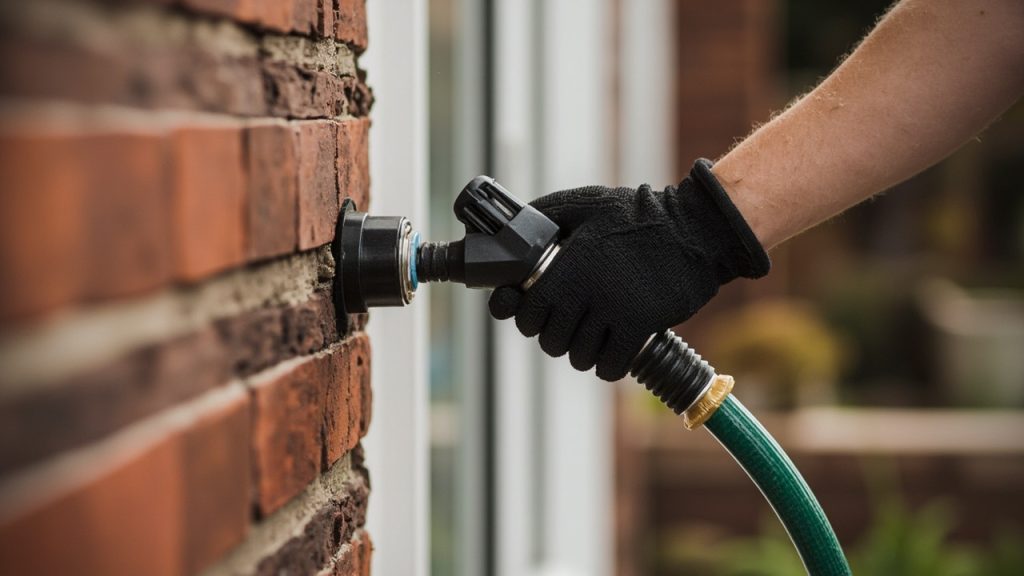
Why winterization matters for Hopkins homes during the 2026 season
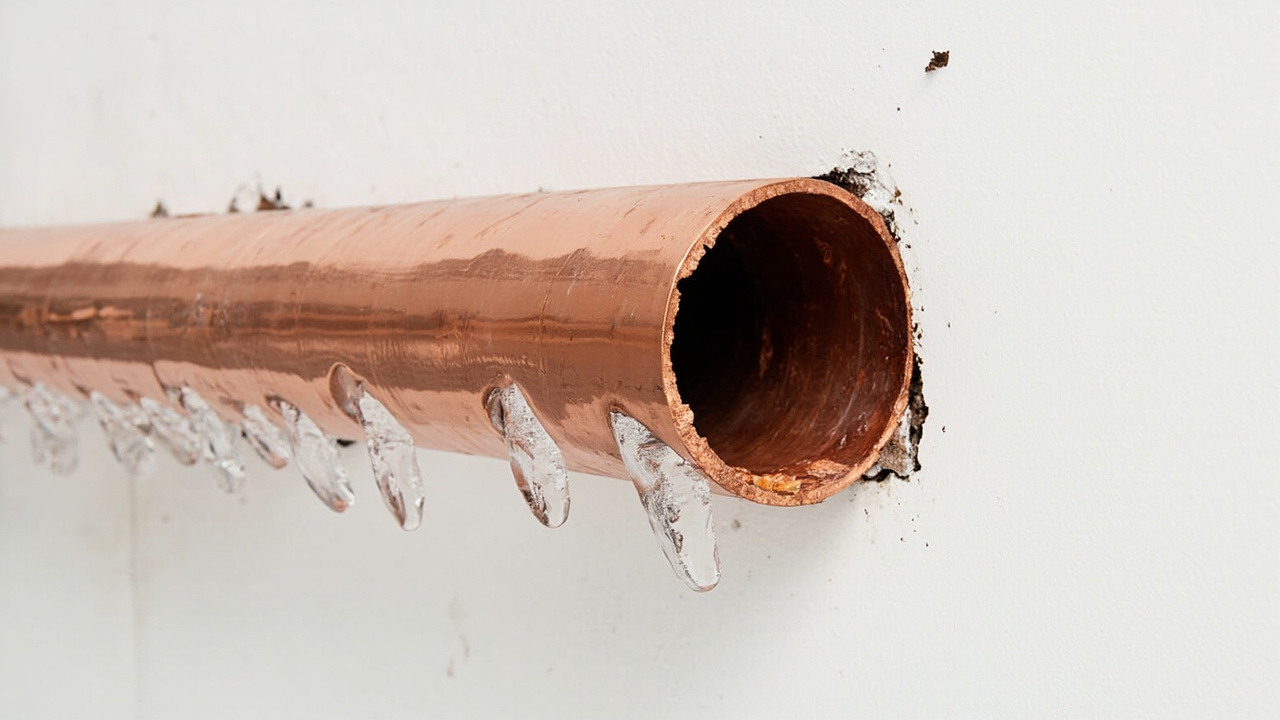
Minnesota winters do not show mercy to residential plumbing. When the temperature drops near Shady Oak Lake or the neighborhoods surrounding Mainstreet Hopkins, the water inside your outdoor pipes faces a physical transformation. Water expands as it freezes. In a closed copper or PEX pipe system, that expansion creates pressure that the pipe wall cannot contain. This leads to a rupture. Many homeowners do not realize a pipe has burst until they turn the water back on during a warm spring day. By then, the water is already flooding the basement or the interior wall cavity. Taking an hour to properly drain your system in October saves you thousands of dollars in emergency repairs and water damage remediation.
Local weather patterns in Hennepin County suggest that the first hard freeze typically arrives between mid October and early November. If you wait until the ground is already frozen, you might be too late. The plumbing systems in many Hopkins homes, especially the older bungalows and mid-century builds, often have valves that are decades old. These valves can be stubborn or fail to seal completely. Checking your equipment now gives you time to address a failing shut-off valve before an emergency occurs. If you find yourself in a situation where ice has already formed, you should look for urgent methods to get your frozen pipes fixed fast in Minneapolis and the surrounding areas to prevent a total pipe failure.

The difference between standard hose bibbs and frost-free sillcocks
Understanding which type of faucet you have is the first step in protecting your home. A standard hose bibb is just a simple valve with the shut-off mechanism located right at the exterior wall. These are very common in older Hopkins properties. Because the water sits right against the outside of the house, these are the most likely to freeze and burst if not drained perfectly. The water is only separated from the sub-zero air by a thin piece of metal. You must turn the water off inside the house for these to be safe.
A frost-free sillcock is a different piece of engineering. These have a long stem that places the actual shut-off valve about 10 to 12 inches inside the heated portion of your home. Even though the handle is outside, the water stops deep inside where it stays warm. However, many people think these are invincible. They are not. If you leave a garden hose attached to a frost-free sillcock, the water cannot drain out of the stem. The trapped water freezes, expands, and splits the long brass tube inside your wall. You will not know it is broken until you use the faucet the following summer and water starts pouring out from behind your siding.
The Minnesota Department of Labor and Industry provides specific plumbing codes that mandate how these fixtures must be installed to ensure safety and prevent backflow. In 2026, we see many homes that still have non-compliant faucets. Upgrading to a modern frost-proof model with a built-in vacuum breaker is a smart move for any Hopkins property owner.
A step by step guide to draining your outdoor faucets
Follow these steps to ensure your pipes stay dry and safe throughout the 2026 winter season. You will need a bucket and a small wrench or pliers if your bleeder valve is tight.
- Locate the indoor shut-off valve for each outdoor faucet. These are usually in the basement, often near the ceiling or tucked inside a floor joist space. If you have a finished basement, look for an access panel near the wall where the faucet is located.
- Turn the indoor valve clockwise until it is fully closed. If the valve is a ball valve with a lever handle, turn the lever until it is perpendicular to the pipe.
- Go outside and remove all garden hoses, splitters, or timers. This is the most important part. Even if you have a frost-free faucet, leaving a hose attached will cause it to freeze and burst.
- Open the outdoor faucet handle all the way. Let all the remaining water drain out into the yard. Leave this valve open throughout the winter.
- Go back inside to the shut-off valve. You will see a small metal cap on the side of the valve body called a bleeder cap. Place your bucket underneath it and unscrew the cap.
- Let the small amount of trapped water drain into the bucket. This breaks the vacuum and allows any water stuck in the pipe to flow out. Once the water stops dripping, screw the cap back on finger tight.
While you are working in your basement or utility room, it is a good time to inspect other major systems. If you notice leaks near your heating equipment, it might be time for professional water heater replacement and repair in Edina or your local Hopkins neighborhood to ensure you have reliable hot water during the cold months.

Comparing outdoor faucet types and freeze resistance
This table compares the common outdoor water fixtures found in the Minneapolis metro area and how they perform in extreme cold.
| Faucet Type | Mechanism Location | Freeze Risk Level | Primary Protection Method |
|---|---|---|---|
| Standard Hose Bibb | Exterior wall surface | High | Manual internal shut-off and drain |
| Frost-Free Sillcock | 12 inches inside the home | Low to Medium | Disconnect hoses to allow drainage |
| Yard Hydrant | Below the frost line (6-8 feet) | Very Low | Self-draining valve at the base |
| Anti-Siphon Spigot | Exterior wall with air gap | High | Manual internal shut-off |
The 2026 winterization timeline for Hopkins residents
Timing is everything when it comes to plumbing maintenance. If you do it too early, you cannot water your new grass or clean your patio. If you do it too late, you face expensive repairs. Use the following timeline based on current climate data for the Hopkins area.
| Date Range | Action Required | Risk of Pipe Damage |
|---|---|---|
| September 1 to September 30 | Inspect all indoor shut-off valves for leaks or corrosion | Zero Risk |
| October 1 to October 15 | Disconnect hoses and begin initial draining of secondary lines | Low Risk |
| October 15 to October 31 | Complete all winterization steps for every outdoor faucet | Medium Risk |
| November 1 and Later | Emergency winterization only if temperatures stay above freezing | High Risk |
If you miss these deadlines and a pipe fails in the middle of a blizzard, you need specialized help. We have emergency plumbers ready to help in the North Loop right now and across the metro to handle mid-winter plumbing disasters.
Recognizing signs of a failed winterization
Sometimes you follow the steps, but a valve fails to close completely. This is common with gate valves that have a round handle. Mineral deposits prevent the gate from seating fully at the bottom of the valve. If you turn the indoor valve off and go outside, but water continues to drip from the faucet after several minutes, your indoor valve is leaking. This is a problem because that slow drip will eventually fill the pipe and freeze. You must replace the indoor shut-off valve to ensure the pipe stays empty.
Another sign of trouble is a bulging pipe. If you look at the copper pipe leading to your outdoor faucet and it looks swollen or has a slight green tint, it has likely frozen in the past. Copper is malleable, and it can sometimes stretch once or twice before it finally splits. If you see a bulging pipe, it is a ticking time bomb. It needs to be cut out and replaced before the next freeze cycle begins.
In many older homes around the Uptown area, plumbing systems can be complex. We offer professional drain cleaning services for older homes in Uptown Minneapolis and can inspect your vintage plumbing while we are on-site. Maintaining the integrity of your drain lines is just as important as protecting your supply lines.
Common winterization mistakes to avoid
One of the biggest mistakes Hopkins homeowners make is using those foam faucet covers as a substitute for draining the pipes. A foam cover is an insulator. It can slow down the cooling process, but it cannot generate heat. In a Minnesota winter where the temperature stays below zero for a week, a piece of foam will not stop a pipe from freezing if there is standing water inside it. You must drain the pipe regardless of whether you use a cover.
Another mistake is forgetting about the irrigation system. Your outdoor faucets are just one part of the equation. If you have an underground sprinkler system, it requires a professional blowout with a high-volume air compressor. Draining the spigots does nothing for the pipes buried in your lawn. These pipes are often only a few inches deep and will shatter when the ground freezes.
Finally, do not forget to check your sump pump discharge line. If your sump pump drains outside through a long garden hose, that hose will freeze solid. When the snow melts or it rains in late winter, the pump will try to push water out, find a blockage, and burn out the motor. This leads to a flooded basement. Always disconnect the flexible discharge hose and use a rigid, pitched pipe that allows water to drain by gravity during the winter months.
For those with larger properties or complex drainage needs, we provide sewer line repair and inspection services in Linden Hills and surrounding neighborhoods to ensure your entire waste and water system is ready for the seasonal shift.
Technical considerations for vacuum breakers
Most modern faucets have a vacuum breaker on the end. This is a small brass or plastic cap that prevents dirty hose water from being sucked back into your home drinking water. These devices often hold a small amount of water. When you drain your faucets, make sure to pull the plastic ring or press the valve inside the vacuum breaker to let that last bit of water escape. If that water freezes, it will crack the vacuum breaker, and you will have a spray of water hitting you in the face the first time you use the hose in the spring.
The International Association of Plumbing and Mechanical Officials sets standards for these devices to ensure they function properly in all climates. If your current faucets lack these safety features, consider having a licensed plumber install new, code-compliant fixtures. This protects your family from potential water contamination while also making the winterization process much simpler.
If you are unsure about the state of your outdoor plumbing or if your indoor valves are stuck, do not force them. A snapped valve handle can lead to an immediate flood. Contact a local plumbing professional to walk through your home and identify every shut-off point. Taking the time to label these valves now makes the process faster every year. Preparedness is the only way to survive a Minnesota winter without a plumbing disaster. Keep your pipes dry, your hoses disconnected, and your home will stay protected until the spring thaw arrives.