
Low water pressure creates daily frustration for many residents living in Golden Valley. You might notice a weak stream in the kitchen sink or a shower that feels more like a light drizzle. These issues often stem from the specific age of the housing stock in our area. Many homes built near Theodore Wirth Park or the Bassett Creek neighborhood were constructed during a period when certain plumbing materials were standard. Understanding why your flow has decreased is the first step toward a permanent solution. This guide explains the technical reasons for pressure drops and how to restore the strong flow you need for a functional home in 2026.
Before you assume the problem lies within your walls, check with the local utility providers. Golden Valley receives its water through the Minneapolis water system. Sometimes a water main break or scheduled maintenance on a nearby line can cause a temporary drop in pressure. You can contact the Golden Valley Public Works Department at 763-593-8030 to see if there are active alerts in your neighborhood. If the city confirms that their systems are running correctly, the cause is likely inside your property line or within the service pipe that connects your house to the city main.
Identifying the Source of Pressure Loss
You must determine if the low pressure affects the entire house or just one fixture. If the weak flow only happens at the kitchen faucet, the problem is local to that unit. Mineral deposits often clog the aerator. The aerator is the small screen at the end of the faucet. Over time, calcium and magnesium from the local water supply build up on this screen. You can unscrew the aerator and soak it in white vinegar to dissolve these minerals. If the pressure remains low after cleaning, the faucet cartridge might be failing. This is a common issue in older Golden Valley homes where original fixtures are still in use.
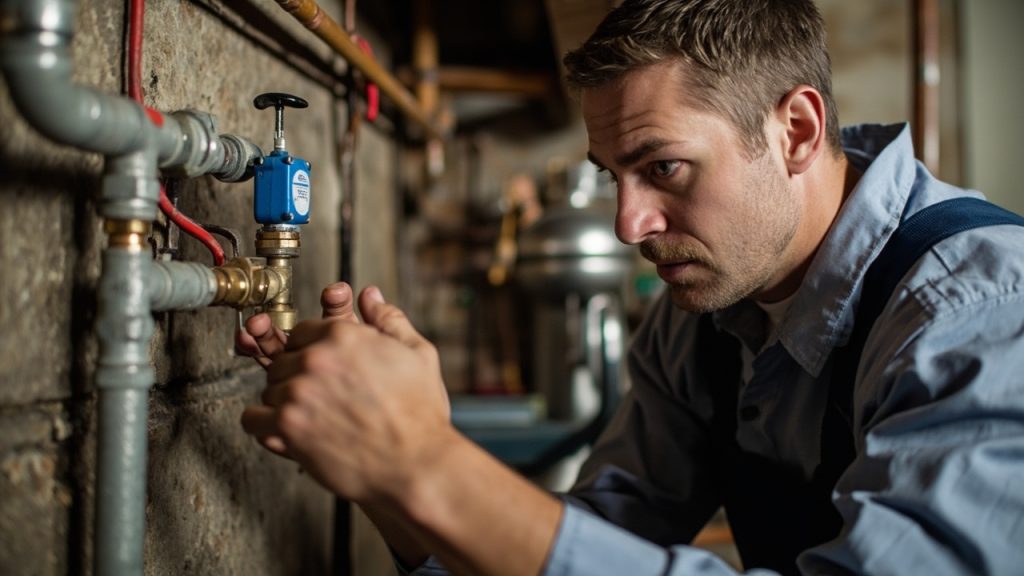
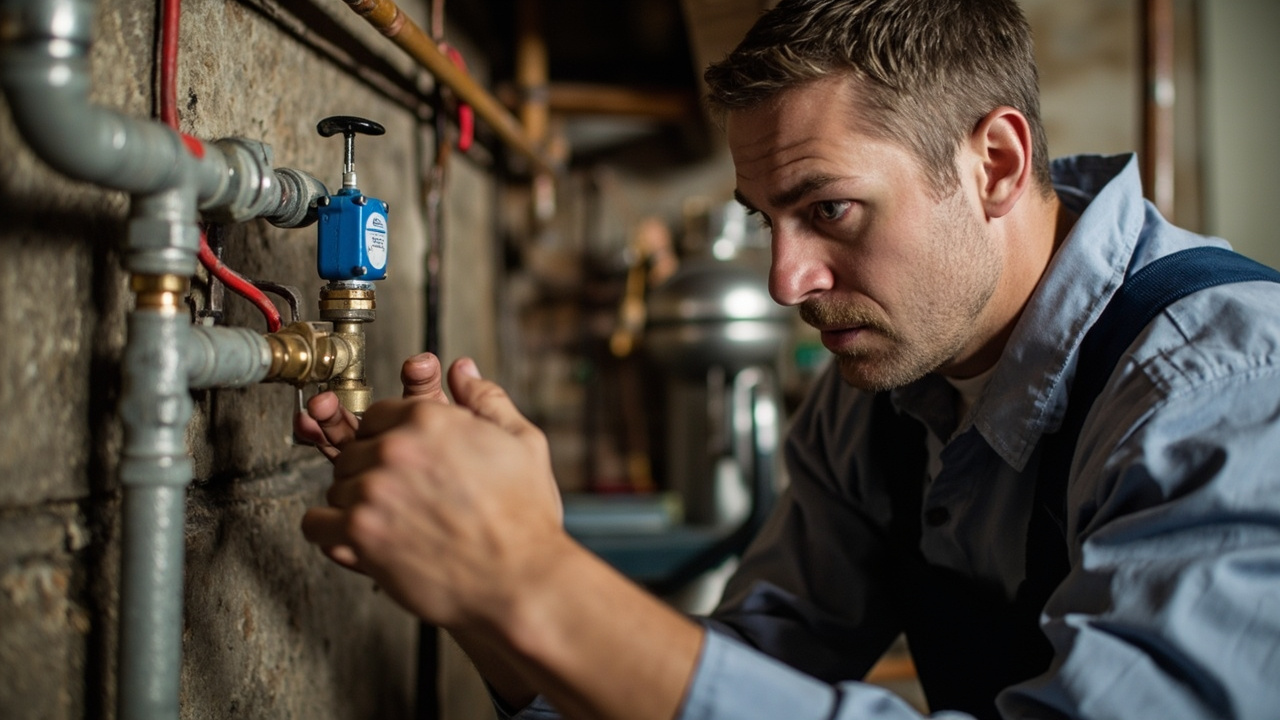
If every faucet and showerhead in the house feels weak, the issue is systemic. This often points to a problem with the main shut-off valve or a failing component on the main line. Check the main valve near your water meter. This valve should be fully open. Sometimes, after a repair, the valve is only partially turned. A valve that is only halfway open restricts the volume of water entering your home. Ensure the handle is turned all the way to the open position to allow maximum flow. If you find yourself in a situation where the valve is stuck or leaking, you may need help from Emergency Plumbers Ready to Help in the North Loop Right Now to prevent a major leak.
Testing Your Water Pressure with the Bucket Method
A simple way to quantify your water flow is the bucket test. You will need a five gallon bucket and a stopwatch. Go to the outdoor hose bib closest to your water meter. Turn the water on full and time how long it takes to fill the bucket. In a standard home with good pressure, a five gallon bucket should fill in about one minute. If it takes longer than two minutes, your flow rate is insufficient. This test helps you communicate specific data to a plumber. It also confirms that the low pressure is not just a feeling but a measurable technical problem. Most residential systems should maintain a pressure between 40 and 60 pounds per square inch. You can buy a pressure gauge at a local hardware store in Minneapolis to get an exact reading from your hose bib.
| Flow Rate (Gallons Per Minute) | Pressure Status | Recommended Action |
|---|---|---|
| Above 5 GPM | Normal | Check individual fixture aerators. |
| 3 to 5 GPM | Moderate Loss | Inspect the Pressure Reducing Valve. |
| Below 3 GPM | Severe Restriction | Check for main line clogs or pipe corrosion. |
The Role of the Pressure Reducing Valve
Most homes in Golden Valley have a Pressure Reducing Valve or PRV. This device is usually located right after the water meter. Its job is to take the high pressure from the city water main and lower it to a safe level for your indoor plumbing. High pressure can damage your dishwasher and washing machine. However, these valves can fail. When a PRV fails, it often defaults to a closed or restricted position. This causes a significant drop in pressure throughout the entire house. You might also hear a humming or vibrating sound when the water is running. Adjusting a PRV is possible by turning the bolt on top, but if the internal spring is broken, the entire unit needs replacement. Replacing a PRV is a standard task that restores immediate pressure to the home.
If you notice the pressure drop only when using hot water, the culprit is likely your water heater. Sediment buildup at the bottom of the tank can restrict the flow of water leaving the heater. This is particularly common in areas with hard water like Hennepin County. According to the Minnesota Department of Health, local groundwater contains minerals that solidify when heated. If your unit is over a decade old, you might consider Professional Water Heater Replacement and Repair in Edina or nearby Golden Valley to ensure your hot water lines remain clear.
Corroded Galvanized Steel Pipes
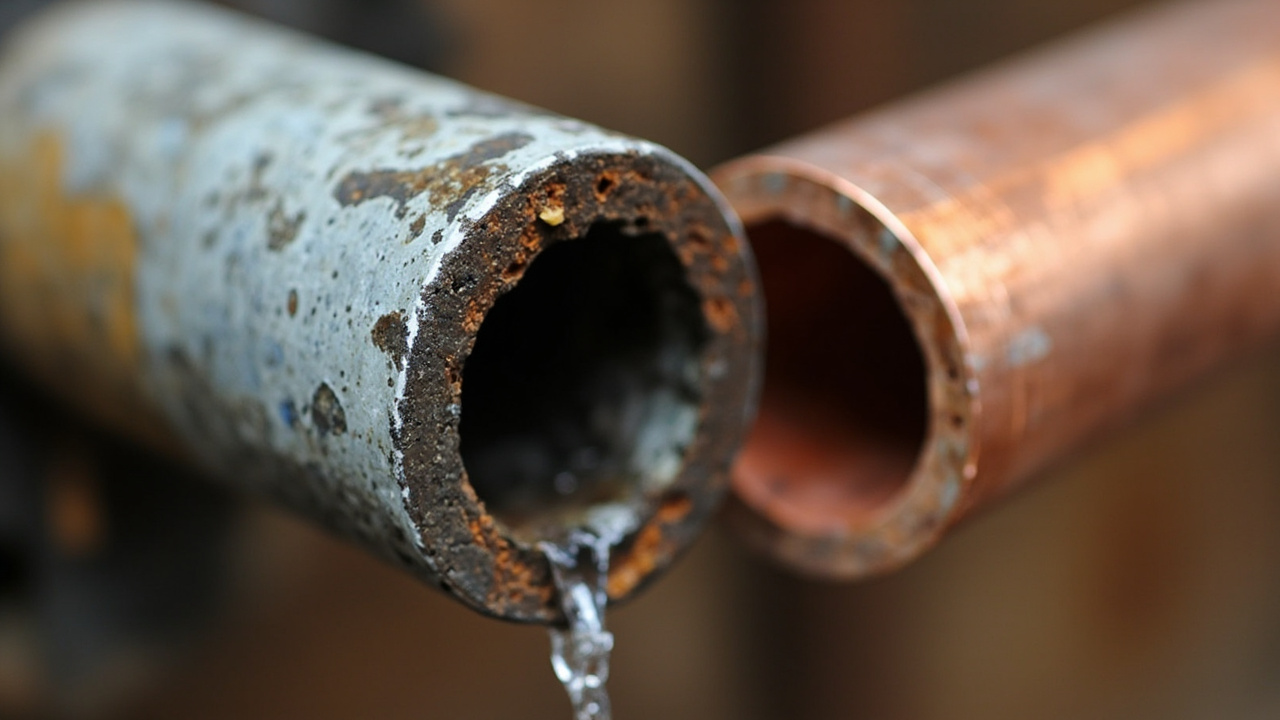
A primary cause of low water pressure in mid-century Golden Valley homes is the presence of galvanized steel pipes. These pipes were installed in many houses built before the mid-sixties. Over decades, the zinc coating on the inside of the pipe wears away. This leads to rust and mineral accumulation. The inside of a one inch galvanized pipe can narrow until it is the size of a drinking straw. No amount of cleaning or valve adjustment can fix this. The only solution for corroded galvanized pipes is a whole house repipe. Replacing old steel with PEX or copper restores the full diameter of the pipe and significantly improves your water flow.
If you live in a neighborhood like Golden Hills or near the Perpich Center for Arts Education, your home might still have these original lines. While a full repipe is a significant project, it prevents the risk of sudden leaks and improves the quality of your water. Rust from the pipes can discolor your water and affect the taste. If you are already dealing with slow drains, you might also benefit from Professional Drain Cleaning Services for Older Homes in Uptown Minneapolis to keep your entire system flowing smoothly.
Water Softeners and Filtration Issues
Many homeowners in Golden Valley use water softeners to manage the local hard water. These systems are essential for protecting your fixtures, but they can also be the source of pressure problems. If the resin beads inside the softener tank break down, they can escape into your plumbing lines. This creates clogs in faucets and showerheads throughout the house. Additionally, if the softener is undersized for your home, it can act as a bottleneck. You can test this by putting your water softener on bypass mode. If the pressure improves while the system is bypassed, you know the restriction is happening inside the softener. Regular maintenance of your filtration system is necessary to prevent these flow restrictions.
| Pipe Material | Average Lifespan | Pressure Impact Over Time |
|---|---|---|
| Galvanized Steel | 40 to 60 Years | High risk of internal narrowing and rust. |
| Copper | 50 to 70 Years | Minimal impact unless pinhole leaks occur. |
| PEX | 40 to 50 Years | Smooth interior maintains high pressure. |
Impact of the Main Service Line
The service line is the pipe that runs underground from the city water main in the street to your home. In some older parts of Golden Valley, these lines are made of lead or outdated materials that can collapse or leak. A leak in your service line means that water is escaping into the soil before it ever reaches your meter. This results in a massive drop in pressure and a high water bill. Look for unexplained wet spots in your front yard or a patch of grass that is much greener than the rest. If you suspect a problem with the line under your lawn, you should seek Sewer Line Repair and Inspection Services in Linden Hills or your local area to assess the underground pipes. These inspections use cameras to find the exact location of a blockage or break without digging up the entire yard.
Winter weather in Minnesota also plays a role in your water pressure. If a pipe is partially frozen, the flow will be severely restricted. This often happens in pipes located along exterior walls or in crawlspaces. If you experience a sudden drop in pressure during a cold snap in January or February, turn up your heat and open your cabinet doors. For serious issues, consult Urgent Methods to Get Your Frozen Pipes Fixed Fast in Minneapolis to avoid a burst pipe situation. Keeping your pipes at a consistent temperature is the best way to maintain reliable flow during the extreme freeze and thaw cycles of the Twin Cities.
Professional Solutions for Lasting Results
Fixing low water pressure often requires a combination of small adjustments and major upgrades. Start with the simplest tasks first. Clean your aerators and check your main shut-off valves. If those steps do not work, look at your Pressure Reducing Valve. If your home still has galvanized pipes, the best way to increase pressure is to plan for a repipe. Modern materials like PEX are flexible and resistant to the mineral buildup that plagues older Golden Valley houses. A professional plumber can evaluate your system and provide a clear path to restoring your water pressure. This ensures your home remains comfortable and your plumbing system stays reliable for years to come.
Properly maintaining your plumbing is an investment in your property value. Buyers in the Golden Valley market look for updated systems that do not suffer from the common ailments of older homes. By addressing low pressure now, you prevent future leaks and ensure that your home meets modern standards of efficiency. Whether it is a simple valve replacement or a more complex pipe upgrade, taking action today will solve your water flow problems and provide peace of mind in 2026 and beyond.
- Check the city water status first.
- Clean all faucet aerators and showerheads.
- Test the main shut-off valve to ensure it is open.
- Inspect the Pressure Reducing Valve for failure.
- Check the water softener bypass for flow changes.
- Evaluate the age and material of your indoor pipes.
If you have tried these steps and still struggle with weak water flow, it is time for a professional inspection. A licensed plumber can use specialized tools to measure pressure at different points in your system and find the exact location of the restriction. Do not settle for a shower that barely works when a solution is available. Reach out to a local expert today to discuss your options for improving the water pressure in your Golden Valley house.