
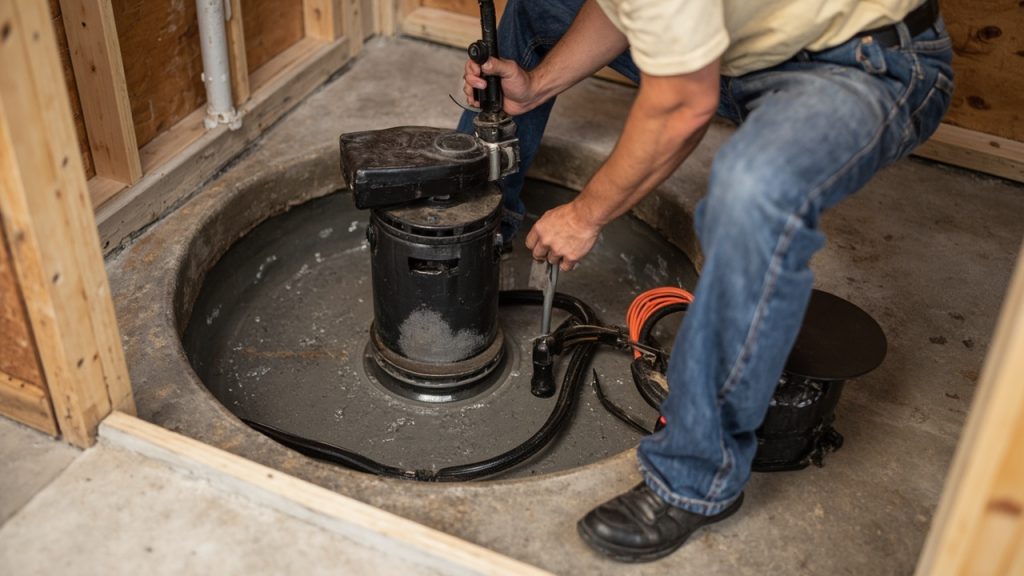
Residents in Crystal and the surrounding Minneapolis suburbs understand the pressure that high water tables put on a foundation. Your basement remains the most vulnerable part of your home during the heavy spring rains and the massive snowmelt cycles common in 2026. Choosing the right equipment to move water away from your foundation is a critical decision for every homeowner. The two primary choices you face are submersible sump pumps and pedestal sump pumps. Each system offers specific advantages depending on the depth of your sump pit, the frequency of water entry, and whether your basement is finished or unfinished.
Crystal sits in an area where soil composition varies from heavy clay to sandy pockets near Bassett Creek. Clay soil holds moisture against your foundation walls for longer periods, which increases hydrostatic pressure. This pressure forces water through small cracks or the floor to wall joint. A reliable pump prevents this water from reaching your flooring or drywall. As a local expert with over 15 years of experience in the Twin Cities, I have seen both pump styles succeed and fail based on the specific environment of the home.
Understanding the mechanics of submersible sump pumps
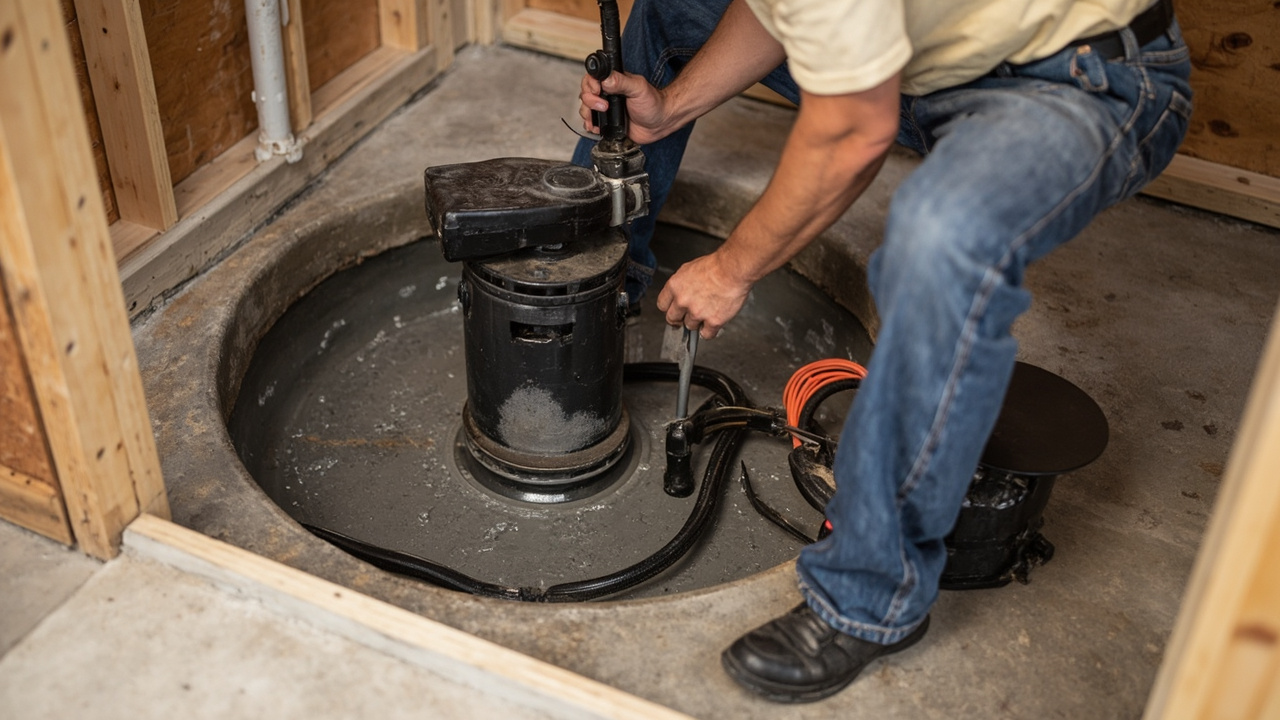
A submersible sump pump features a motor sealed inside a waterproof housing. You install the entire unit at the bottom of the sump pit. When the water level rises, a float switch activates the motor. Because the motor sits underwater, the water actually helps cool the unit during long periods of operation. This design is particularly effective during the extreme weather events we are seeing throughout 2026 where pumps might run for hours without a break.
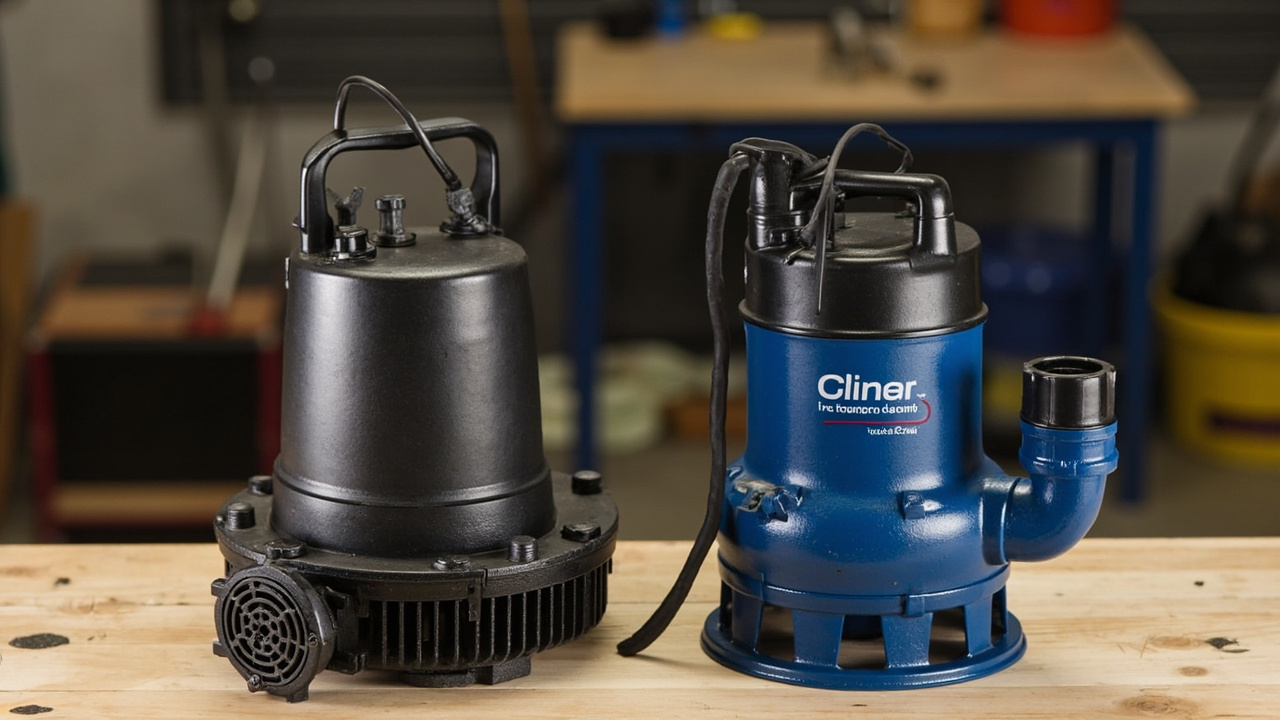
These pumps typically use a heavy cast iron or stainless steel body to dissipate heat. They are much quieter than other options because the water and the pit itself muffle the sound of the motor. If you have a finished basement in a neighborhood like Forest Park or near the Crystal Community Center, the silence of a submersible pump is a major benefit. You will not hear a loud hum every time the water table rises. Submersible units also handle small solids better than pedestal versions. This is helpful if your pit tends to collect silt or debris from the surrounding soil.
The advantages and limitations of pedestal sump pumps
Pedestal sump pumps have a different physical profile. The motor sits on top of a long shaft, positioned well above the sump pit lid. Only the impeller and the base of the pump sit in the water. This design keeps the electrical components away from the moisture, which can lead to a longer lifespan for the motor itself. Some pedestal pumps in older Crystal homes have lasted for decades because the motor stays dry and cool in the open air.
The primary drawback of a pedestal pump is the noise. Since the motor is exposed in the basement, you will hear it kick on and off clearly. This makes them less ideal for finished living spaces. They also require a larger pit opening because the shaft and float assembly need room to operate without hitting the sides. However, these units are much easier to service. A plumber can reach the motor and the switch without pulling the entire pump out of a dirty pit. This accessibility often reduces the time spent on maintenance calls.
Comparing performance metrics for Minneapolis homes
When you evaluate these two types of pumps, you must look at the Gallons Per Hour or GPH rating. This tells you how much water the pump can move at a specific height. In Crystal, we often deal with vertical lifts of eight to ten feet before the water reaches the discharge pipe. A 1/2 horsepower submersible pump generally moves more water than a 1/2 horsepower pedestal pump. This extra power is vital when the 2026 spring thaw hits and your pit fills every few minutes.
You also need to consider the float switch design. Most submersible pumps use a tethered float or a vertical float. Vertical floats are preferred in smaller pits because they move straight up and down and are less likely to get stuck against the wall. Pedestal pumps use a long rod with a ball float. This rod can sometimes bend or become obstructed if the pump shifts slightly in the pit. Regular inspections are necessary to ensure the float moves freely.
| Feature | Submersible Sump Pump | Pedestal Sump Pump |
|---|---|---|
| Motor Location | Inside the sump pit (underwater) | Above the sump pit (dry) |
| Average Lifespan | 5 to 10 years | 15 to 25 years |
| Noise Level | Very quiet (muffled by water) | Loud (exposed motor) |
| Power Efficiency | Higher GPH for the size | Lower GPH for the size |
| Clog Resistance | Handles small debris well | Higher risk of impeller clogs |
Environmental factors in the Crystal and Robbinsdale area
The geography of the northern suburbs influences which pump you should choose. Areas near the Chain of Lakes or low lying sections of Crystal often have sandy soil that allows water to move quickly. This results in a sump pit that fills rapidly during a storm. In these cases, the raw power of a submersible pump is usually the better choice. If your home is on higher ground with heavy clay soil, the water might enter the pit more slowly but more consistently. A pedestal pump can handle this steady, low volume work for many years without overheating.
Another factor is the local discharge code. The City of Crystal has specific rules about where you can pump your water. Most homes must discharge onto the lawn or into a rain garden. If your discharge line is long, your pump has to work harder to overcome the friction in the pipe. Submersible pumps are typically better at handling this back pressure. If you are worried about your discharge line freezing during a late season cold snap, you should read about urgent methods to get your frozen pipes fixed fast in Minneapolis to prevent pump burnout.
Installation requirements and pit configuration
Before buying a new pump, measure your existing sump pit. A standard pit is 18 inches wide and 24 inches deep. Submersible pumps fit easily into these dimensions. If your home is an older build near Welcome Park, you might have a much narrower pit. In some cases, a pedestal pump will not fit because the float arm needs too much clearance. Conversely, if your pit is very shallow, a submersible pump might not be able to fully submerge, which can lead to the motor overheating.
Proper installation also involves a high quality check valve. This valve prevents water in the vertical pipe from falling back into the pit once the pump turns off. Without a working check valve, your pump will work twice as hard to move the same water. This is a common cause of premature failure for both pump types. If you also have concerns about your home drainage system beyond the sump pit, you might consider professional drain cleaning services for older homes in Uptown Minneapolis to ensure your entire waste and water system is flowing correctly.
Longevity and maintenance considerations
Maintenance is the key to preventing a flooded basement. For a submersible pump, you should pull the unit out every year to check the intake screen for debris. For a pedestal pump, you should focus on lubricating the motor if the manufacturer requires it and checking the float rod for any signs of corrosion. The International Association of Certified Home Inspectors provides guidelines on sump pump maintenance that every homeowner should follow to ensure the system works when it matters most.
In terms of longevity, the pedestal pump usually wins the race. Since the motor is not subjected to the corrosive effects of sitting in water and minerals, it stays in better condition. However, the modern submersible pumps produced in 2026 use advanced coatings and ceramic seals that have closed the gap significantly. Many high end submersible models from brands like Zoeller or Liberty now offer exceptional durability even in harsh water conditions.
| Consideration | Submersible Recommendation | Pedestal Recommendation |
|---|---|---|
| Basement Usage | Best for bedrooms or offices | Best for storage or utility areas |
| Flood Risk | High risk areas (heavy flow) | Low to moderate risk areas |
| Budget Priority | Higher performance/lower noise | Long term value/durability |
| Ease of Repair | Difficult (requires removal) | Easy (motor is accessible) |
Backup systems and power outages in 2026
Regardless of which pump you choose, you must have a backup plan. In the Twin Cities, severe thunderstorms often knock out power exactly when you need your sump pump the most. A battery backup system can be integrated with either a submersible or a pedestal primary pump. These systems use a separate 12 volt pump and a dedicated battery to keep your basement dry during an outage. Some 2026 models even offer smart connectivity that sends an alert to your phone if the primary pump fails or the power goes out.
If your basement has a floor drain, you should also ensure that your sewer lines are in good condition. A backup in the main sewer line can cause as much damage as a failed sump pump. Homeowners in the area often benefit from sewer line repair and inspection services in Linden Hills and other nearby neighborhoods to ensure the whole system is ready for the wet season. Keeping your sewer lines clear ensures that floor drains can still handle minor overflows if the pump is overwhelmed.
Summary of the best choice for your home
For most modern homes in Crystal with finished basements, the submersible sump pump is the preferred choice. The quiet operation and high pumping capacity provide the best protection and comfort. If you have an older home with an unfinished utility room and you want a pump that you can ignore for twenty years, the pedestal pump remains a reliable workhorse. The decision often comes down to the specific depth of your pit and how much you value a quiet home environment.
- Check your sump pit dimensions before purchasing.
- Look for a pump with a cast iron housing for better heat dissipation.
- Ensure the GPH rating meets the needs of your specific water table.
- Install a high quality check valve to prevent short cycling.
- Test your pump every month by pouring a bucket of water into the pit.
- Consider a battery backup system for total peace of mind.
If you find that your basement issues go beyond the sump pump, such as leaking pipes or water heater problems, our team can help. We provide professional water heater replacement and repair in Edina and the surrounding areas. If you have an immediate plumbing failure, we have emergency plumbers ready to help in the North Loop right now to address any urgent needs.
Taking the time to choose the right pump now will save you thousands of dollars in potential flood damage later. The 2026 weather patterns are unpredictable, and a working sump pump is your first line of defense against the rising water tables in the Minneapolis metro area. Make sure your system is inspected and ready to go before the next major storm hits.