
What North Loop Restaurant Owners Need to Know About Keeping Their Grease Traps Clean
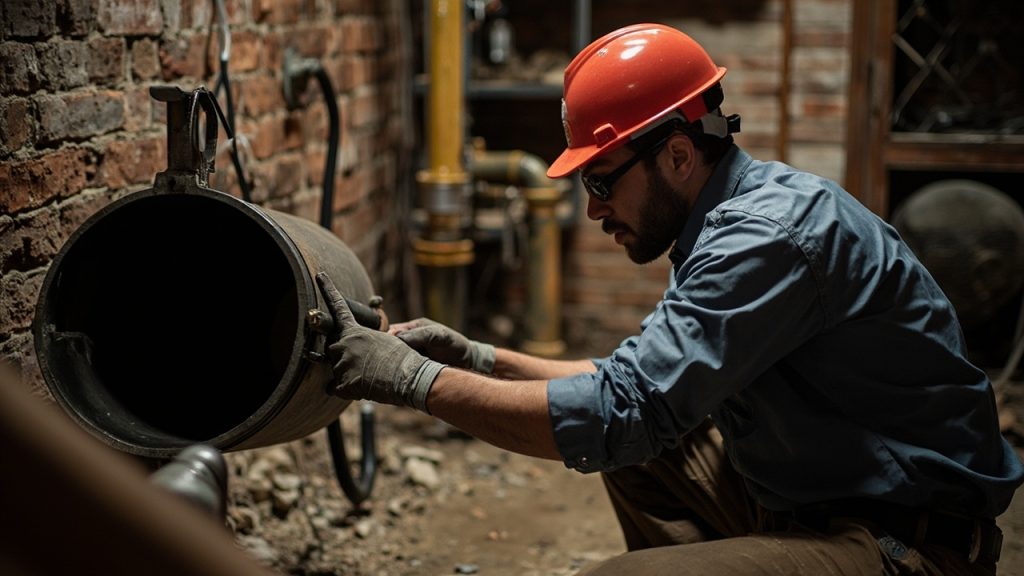
Operating a restaurant in the North Loop requires constant attention to the infrastructure hidden beneath your kitchen floor. The historic buildings along Washington Avenue and North 1st Street provide a unique atmosphere but often house aging plumbing systems that cannot handle heavy grease loads. Keeping your grease trap clean is not just about hygiene. It is about staying compliant with current 2026 Metropolitan Council Environmental Services (MCES) regulations and ensuring your business stays open without costly interruptions.

Understanding FOG Regulations in the North Loop District
FOG stands for fats, oils, and grease. These substances are the primary cause of sewer backups in high density areas like the North Loop. When you pour hot grease down the drain, it cools and solidifies inside the pipes. This creates a hard mass that traps other debris. The city of Minneapolis and the Metropolitan Council Environmental Services enforce strict rules to prevent these materials from reaching the main sewer lines.
In 2026, the inspection process has become more data driven. Inspectors look for your FOG manifest. This document proves you have hired a professional service to pump your trap at required intervals. If you cannot produce this manifest, you face immediate fines. The city also requires that grease interceptors meet the standards set in the Minnesota Plumbing Code. This code ensures your equipment is sized correctly for your kitchen output. If you recently renovated a warehouse space into a commercial kitchen, your trap may need an upgrade to handle modern volume.
The 25 Percent Rule for Commercial Kitchens
The most important technical standard for restaurant owners is the 25 percent rule. This rule states that a grease trap must be cleaned before the combined volume of floating grease and settled solids exceeds 25 percent of the total capacity of the tank. Once you cross this threshold, the trap loses its ability to separate grease from water effectively. Grease begins to escape into the effluent line and eventually into the city sewer system.
Waiting until the trap is full is a mistake. At 50 percent capacity, a trap is essentially useless. You will notice slow drains, foul odors in the dining area, and eventually, a total backup. If you experience a sudden blockage during a busy shift, you will need Emergency Plumbers Ready to Help in the North Loop Right Now to clear the line and restore service. Routine pumping based on the 25 percent rule prevents these emergencies.
Current 2026 Cleaning Frequency Guidelines
| Facility Type | Recommended Interval | Primary Reason |
|---|---|---|
| Full Service Dining | 30 to 45 Days | High volume of animal fats and dairy products. |
| Fast Casual and Fryer Heavy | 30 Days | Rapid buildup of vegetable oils and breading solids. |
| Coffee Shops and Bakeries | 60 to 90 Days | Focus on milk fats and sugar solids. |
| Ghost Kitchens and High Volume Prep | 21 to 30 Days | Continuous operation leads to faster sediment accumulation. |
Why Interior Grease Traps Fail in North Loop Basements
Many North Loop establishments utilize interior grease traps located directly under the three compartment sink or in a basement crawl space. These units are smaller than exterior interceptors. They require more frequent maintenance. Because they are located inside the building, they are prone to causing odor issues if the seal on the lid becomes compromised.
Common failure points include the following items.
- Corroded Baffles. The internal walls that slow down water flow can rust or break. This allows grease to bypass the trapping process.
- Missing Flow Control Valves. Without this valve, water moves through the trap too quickly to separate the grease.
- Seal Decay. The rubber gaskets around the lid dry out and allow sewer gas to leak into the kitchen.
- Sampling Port Obstructions. Inspectors use the sampling port to check the quality of the water leaving your building. If this is blocked, you will fail the inspection.
If your interior lines are sluggish despite regular trap cleanings, you may need Professional Drain Cleaning Services for Older Homes in Uptown Minneapolis and commercial spaces to clear the buildup that has accumulated over decades.
The Pumping and Inspection Process
A professional grease trap service involves more than just skimming the top layer of oil. A complete pump out is necessary to remove the heavy solids that sit at the bottom. These solids are often composed of food scraps and heavy starches that do not float. If left behind, they ferment and create highly acidic conditions that can eat through metal and concrete tanks.
After pumping, the technician must scrape the walls and floor of the tank. This removes the hardened grease that sticks to the surfaces. The baffles are then inspected for structural integrity. Finally, the trap is filled back up with clean water to ensure the seals are watertight and the flow is directed correctly. Every service call should conclude with the technician providing a signed manifest that includes the volume removed and the disposal site information. This is your insurance policy against city fines.
Hydro Jetting for Main Line Protection
Pumping the grease trap only addresses the waste inside the tank. It does not clean the pipes leading from the kitchen to the trap or from the trap to the city main. Over time, these lines develop a thick coating of grease. Traditional snaking only pokes a hole through this grease. To truly clean the lines, we use hydro-jetting.
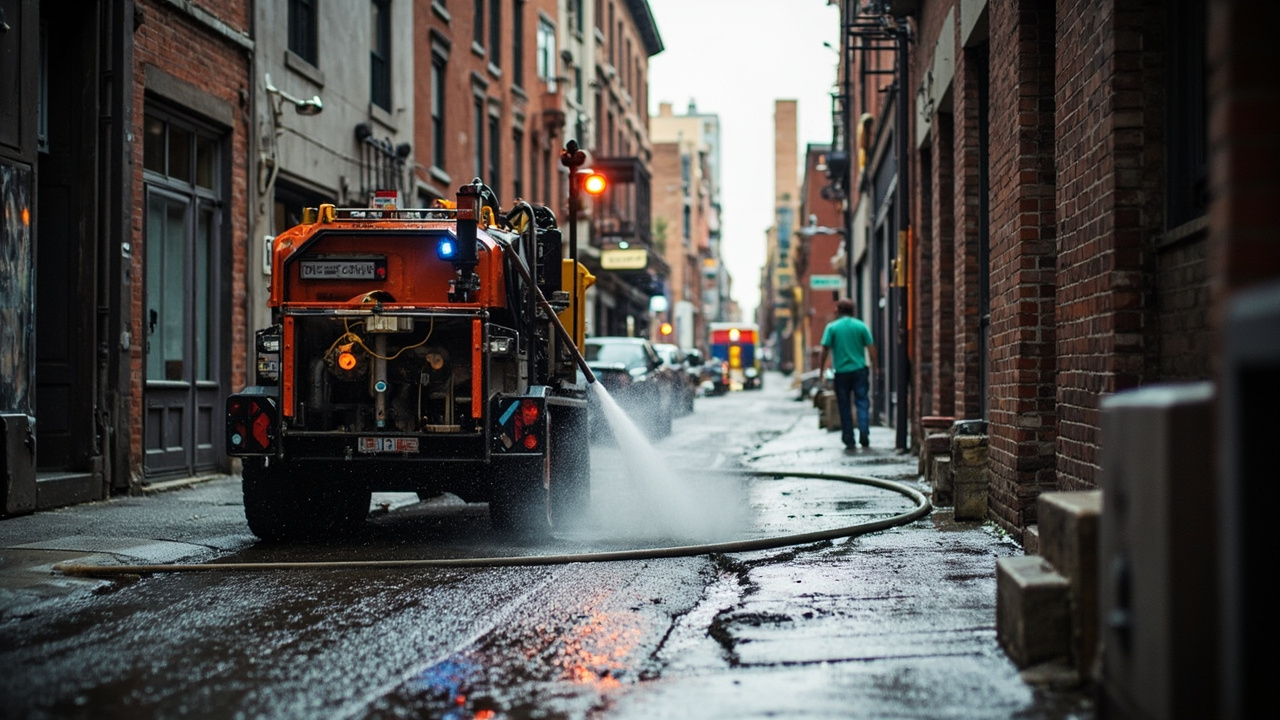
Hydro-jetting uses high pressure water at approximately 4000 PSI to scrub the interior walls of the pipe. This process returns the pipe to its original diameter. For North Loop restaurants, we recommend hydro-jetting the main lateral lines twice per year. This is especially important if your building shares a sewer connection with other businesses. If your main line is compromised due to age or structural shifts, you may require Sewer Line Repair and Inspection Services in Linden Hills and surrounding Minneapolis neighborhoods to ensure the waste actually reaches the city treatment plant.
Comparison of Drain Cleaning Methods
| Method | Best For | Effectiveness on Grease |
|---|---|---|
| Cable Snaking | Hair and Paper Clogs | Low. Leaves grease residue on pipe walls. |
| Hydro-Jetting | Grease, Sludge, and Roots | High. Power washes the entire pipe interior. |
| Chemical Cleaners | Minor Residential Clogs | Zero. Prohibited in most commercial kitchens. |
| Bio-Remediation | Maintenance Between Cleanings | Moderate. Helps break down organic matter over time. |
Managing Exterior Interceptors during Minneapolis Winters
If your restaurant is in a newer North Loop development, you likely have a large exterior grease interceptor buried in the parking lot or alley. These tanks can hold thousands of gallons. While they are more efficient than interior units, they face challenges during the extreme Minneapolis freeze thaw cycles.
When temperatures drop, the grease inside the tank thickens significantly. This can lead to blockages in the inlet pipe before the grease even enters the main chamber. The manhole covers can also become frozen shut, making it difficult for the pumping truck to access the unit during a scheduled service. It is critical to keep the area around the interceptor clear of snow and ice. If your facility pipes are exposed to the cold, you should review Urgent Methods to Get Your Frozen Pipes Fixed Fast in Minneapolis to prevent a total kitchen shutdown during a January cold snap.
Documentation and FOG Manifest Requirements
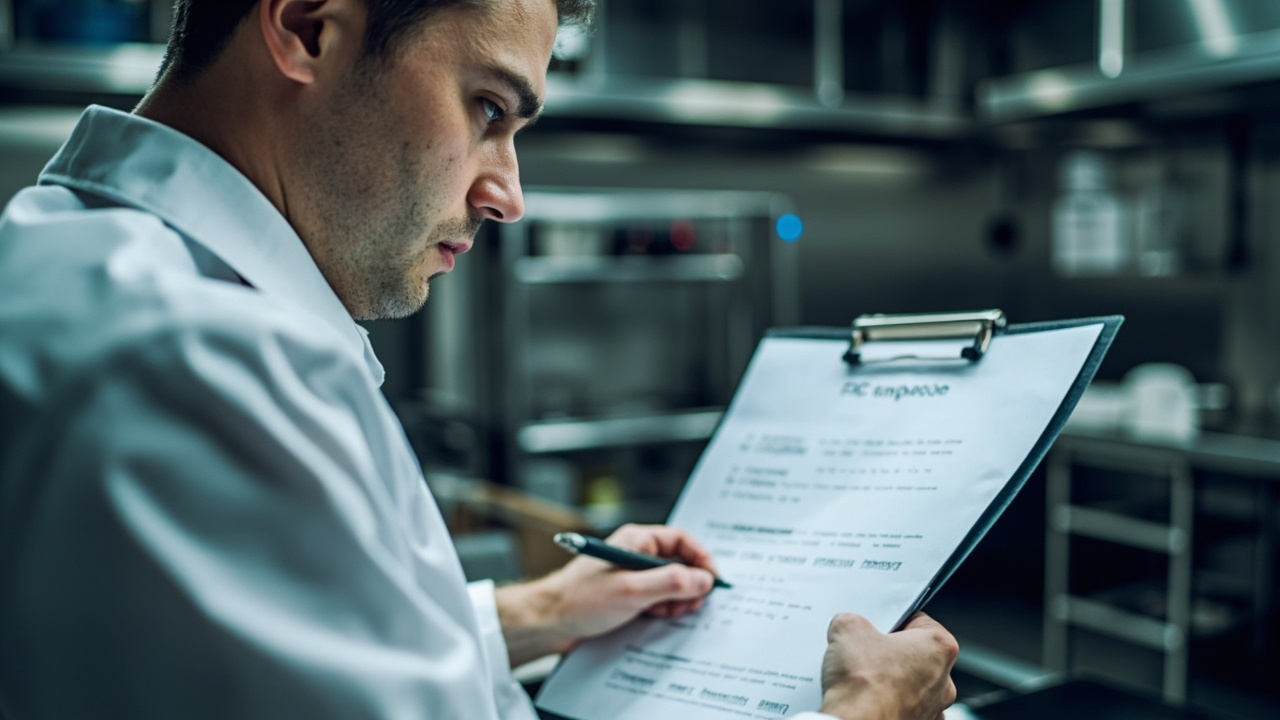
The city of Minneapolis requires you to keep records of your grease trap maintenance for at least three years. Each time your trap is serviced, the waste hauler must provide a manifest. This document must include the name and address of the restaurant, the date of service, the amount of waste removed, and the final disposal location. If an inspector from Hennepin County or MCES visits your site, they will ask for these records first.
Failure to provide documentation results in a violation notice. In 2026, the city has increased the frequency of these inspections for the North Loop due to the high density of food service establishments. You should also maintain a log of any self-performed cleanings for very small units, though professional service is always preferred for compliance reasons. If you manage multiple properties across the metro, you may also need to coordinate Professional Water Heater Replacement and Repair in Edina or other suburbs to ensure your hot water supply is sufficient to keep grease flowing to the trap rather than solidifying in the sink.
Steps to Take During a Grease Related Backup
If your floor drains start gurgling or water begins to back up into the kitchen sinks, you must act immediately. Stop all water usage in the kitchen. This includes dishwashers, sinks, and ice machines. Continued water use will only increase the volume of the flood. Check the grease trap lid to see if it is overflowing. If the trap is full, the backup is likely localized. If the trap is empty but the drains are backed up, the blockage is deeper in the main sewer line.
Call a professional plumber who specializes in commercial kitchen systems. Avoid using heavy duty chemicals or acids. These products generate heat that can damage PVC pipes and create toxic fumes in a confined kitchen space. A professional will use a camera inspection to locate the blockage and determine if hydro-jetting or mechanical cleaning is the best solution. Once the line is clear, schedule a full pump out of your grease trap to prevent the issue from recurring. Staying ahead of these issues is the only way to protect your reputation and your bottom line in the competitive North Loop restaurant scene.