
The real cost and logistics of adding a basement bathroom to your bungalow in the Standish neighborhood
Standish bungalows represent a unique era of Minneapolis architecture. These 1.5 story homes near Sibley Park and Roosevelt High School were built with solid foundations but limited plumbing flexibility. Adding a bathroom to your basement in 2026 remains one of the most effective ways to increase your home value in South Minneapolis. This project requires more than just a few pipes and a vanity. You must understand the specific structural and municipal requirements for our corner of the Twin Cities.
Most homes in the Standish neighborhood sit on clay heavy soil that shifts during the freeze and thaw cycles of our brutal winters. This makes the integrity of your concrete slab a primary concern when you start a plumbing project. In 2026, homeowners must follow strict guidelines from the Minnesota Department of Labor and Industry to ensure all new installations meet current safety codes. Whether you live near the Blue Line or closer to Hiawatha Avenue, your basement bathroom needs a clear plan for drainage and venting.

Estimating the cost of your Standish basement bathroom project
The financial investment for a basement bathroom varies based on the distance from your existing main sewer stack. In 2026, labor rates in the Minneapolis metro area reflect the high demand for skilled Master Plumbers. You should expect to pay for permit fees, professional concrete cutting, and high-quality materials. A bathroom located directly under the first floor bathroom will cost less than one placed on the opposite side of the house because of the shorter pipe runs.
Material costs for 2026 have stabilized but remained higher than previous years. Copper and PVC prices are steady, but the cost of finishes like vanities and tile can shift your total budget. If you find that your existing pipes are sluggish before you start this work, you should invest in professional drain cleaning services for older homes in Uptown Minneapolis or Standish to ensure your main line is clear.
| Project Component | Basic Three Piece Bath | Mid Range Guest Suite | Luxury Spa Basement Bath |
|---|---|---|---|
| Plumbing Rough In | $4,500 – $6,000 | $6,500 – $8,500 | $9,000 – $12,000 |
| Concrete Trenching | $1,500 – $2,200 | $2,000 – $2,800 | $3,000 – $4,000 |
| Fixtures and Finishes | $2,000 – $4,000 | $5,000 – $9,000 | $12,000 – $20,000 |
| Permits and TISH | $400 – $600 | $400 – $600 | $600 – $900 |
The logistics of concrete slab trenching in Standish bungalows
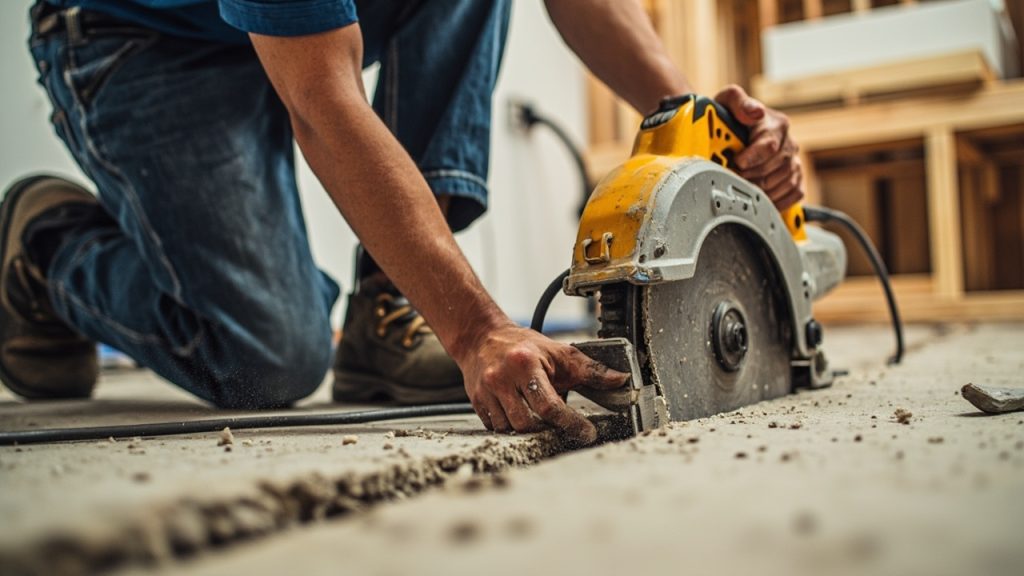
Standish bungalows usually have concrete slabs that are three to four inches thick. To add a bathroom, a plumber must use a diamond-blade saw to cut through this floor. This creates a trench for the new Drain-Waste-Vent (DWV) pipes. The process is loud and dusty. Professionals use specialized vacuums and plastic sheeting to protect the rest of your home from silica dust. This is especially important if you have a finished basement nearby.
Once the trench is open, the plumber installs the new drain lines. These must slope toward the main sewer exit at a rate of at least one-quarter inch per foot. If the main sewer line leaves your house through the wall above the floor, you cannot use a simple gravity drain. This is a common situation in South Minneapolis homes built in the middle of the last century. In these cases, you will need a sewage ejector pump system.
Choosing between gravity drains and sewage ejector pumps
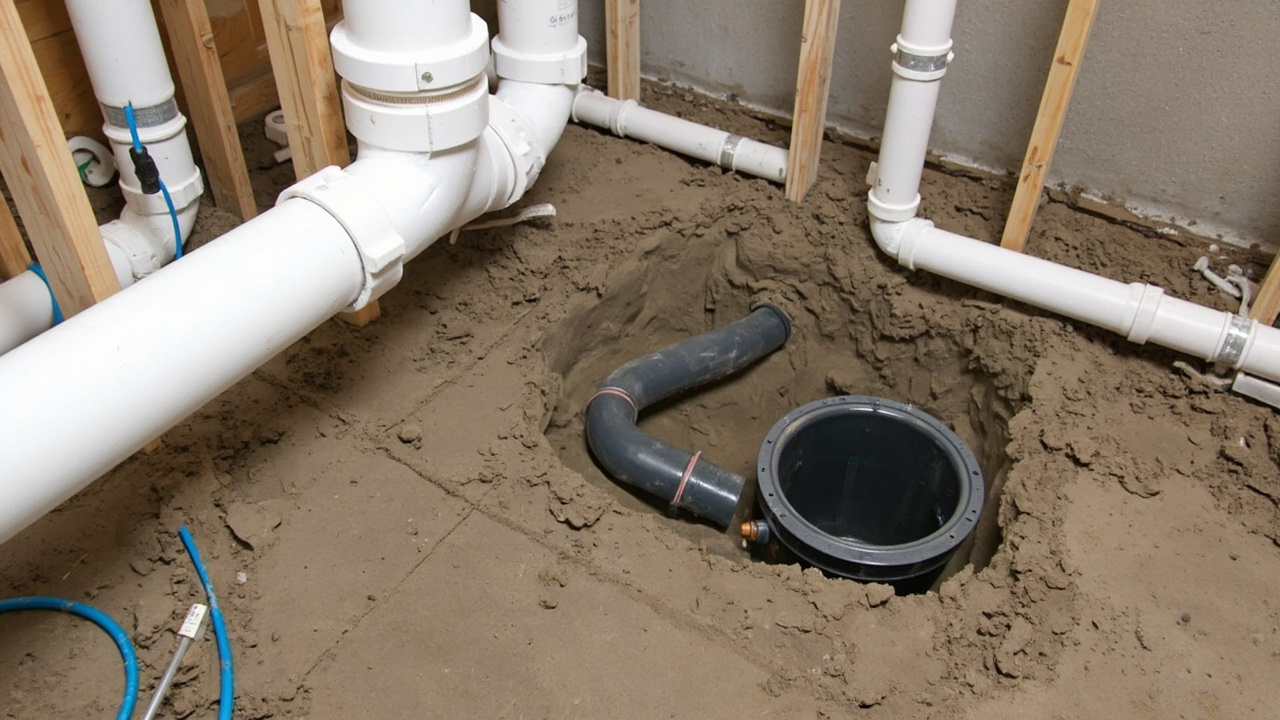
The depth of your main sewer line determines your drainage method. A gravity drain is the preferred method because it has no moving parts and never needs electricity. However, many Standish basements sit too low for gravity to work. A sewage ejector pump lives in a sealed pit in your floor. It collects waste from the toilet, sink, and shower. When the water reaches a certain level, the pump pushes it up and out into the main sewer line.
In 2026, modern ejector pumps are quieter and more reliable than older models. They often include battery backups to prevent overflows during power outages. This is a vital feature for Minneapolis residents who experience heavy summer storms. If your project involves a deep basement remodel, you might also consider sewer line repair and inspection services in Linden Hills or your local area to confirm your exterior lines can handle the added volume.
| Feature | Gravity Drain System | Sewage Ejector Pump |
|---|---|---|
| Power Requirement | None | 110v or 220v Outlet |
| Maintenance | Very Low | Annual Inspection Suggested |
| Installation Cost | Lower if depth allows | Higher (Pump and Basin) |
| Long Term Reliability | Highest | Moderate (Mechanical Parts) |
Venting requirements and your bungalow chimney stack
Every plumbing fixture needs a vent to prevent sewer gases from entering your home and to help water flow smoothly. In a Standish bungalow, finding a path for a new vent pipe can be difficult. You cannot simply vent into the attic. The pipe must extend through the roof or connect to an existing vent stack that is large enough to handle the extra load. Plumbers often look for space alongside the main waste stack or inside a kitchen wall to run these new lines.
City of Minneapolis inspectors are very strict about venting. They check for proper pipe sizing and the correct distance between the trap and the vent. This part of the project often requires opening up small sections of drywall on the first floor. If you are also doing work on other parts of your plumbing system, such as professional water heater replacement and repair in Edina or nearby South Minneapolis neighborhoods, you should coordinate these vents to save on labor costs.
Minneapolis plumbing permits and the TISH process
You must obtain a permit from the City of Minneapolis before you begin any basement bathroom work. A licensed Master Plumber should handle this for you. The city will conduct at least two inspections. The first occurs when the pipes are in the ground but before the concrete is poured back. The second happens after the fixtures are installed and the bathroom is finished.
The Truth in Sale of Housing (TISH) inspection is another factor for Standish homeowners. If you ever decide to sell your bungalow, the city will review your basement bathroom. If the work was done without a permit or does not meet 2026 code, it will appear as a required repair on your TISH report. Doing the work correctly now prevents major headaches during a future home sale. This is especially true if you have ever dealt with basement flooding or urgent methods to get your frozen pipes fixed fast in Minneapolis, as inspectors will look for signs of past water damage.
Step by step plumbing rough in process
The plumbing rough in is the most technical phase of adding a basement bathroom. It involves several distinct steps that must happen in order. Skipping a step or making a mistake in the slope can lead to permanent drainage problems. Our team follows a specific workflow to ensure every Standish bathroom is built to last.
- Layout and marking the floor for the toilet, sink, and shower drains.
- Concrete cutting and removal of old debris and soil.
- Excavation of the trench to the required depth for proper drainage slope.
- Installation of the sewage ejector pit if a gravity drain is not possible.
- Laying the PVC pipes and securing them with hangers or gravel bedding.
- Pressure testing the new lines to check for leaks before inspection.
- Backfilling the trench and pouring new concrete to level the floor.
Adding value to your South Minneapolis property
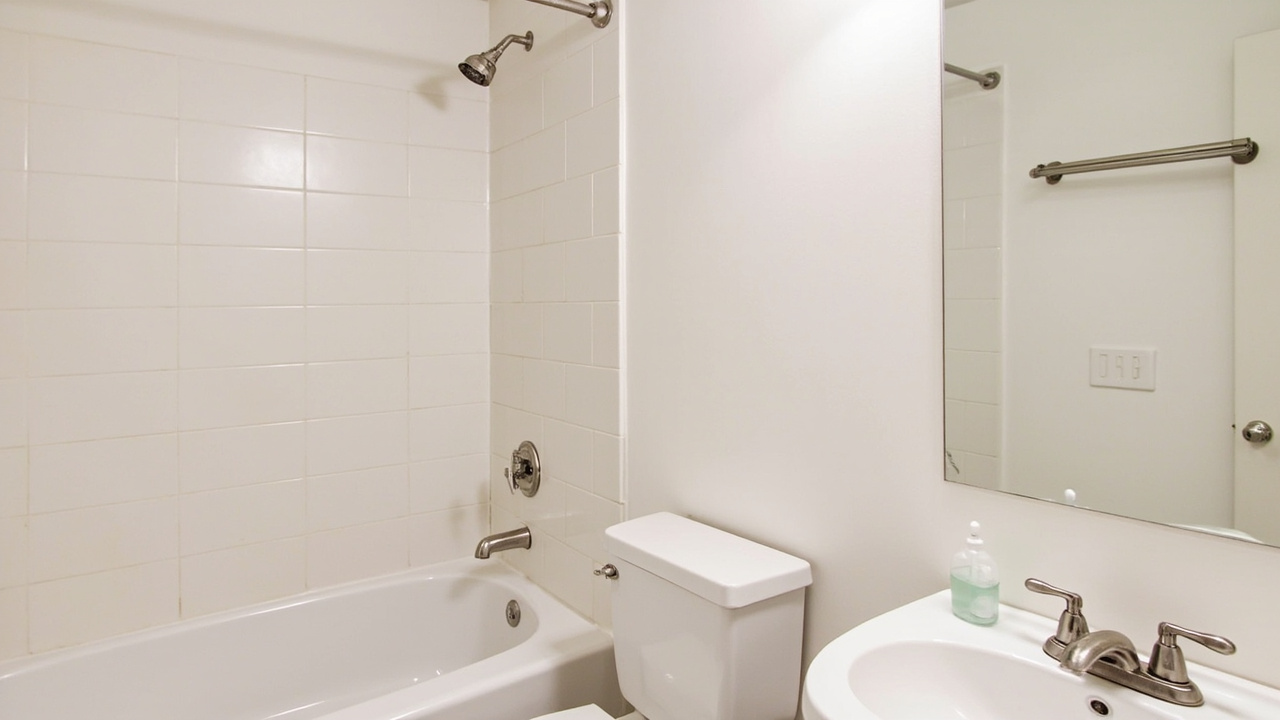
A second bathroom is the highest return investment for a bungalow in Standish. Most of these homes were built with only one bathroom on the main floor. Adding a full or three-quarter bath in the basement makes the lower level more functional for guests or a growing family. In the 2026 real estate market, homes with two bathrooms sell significantly faster than those with only one. It transforms a dark basement into a legitimate living suite.
Consider the placement of your laundry room during this remodel. Many Standish residents choose to move their laundry machines next to the new bathroom. This centralizes all the plumbing in one area of the basement. It simplifies the installation and reduces the amount of concrete cutting required. If you are located in other parts of the city and need help, we also have emergency plumbers ready to help in the North Loop right now for any urgent issues that arise during your renovation.
Common plumbing pitfalls in older Standish homes
One major issue in Standish is the presence of old cast iron sewer lines. These pipes can become brittle over decades of use. When we cut into the floor, we often find that the existing main line is partially blocked by scale or tree roots. It is much cheaper to replace these sections while the floor is already open. Waiting until the new bathroom is finished to fix an old pipe is a costly mistake.
Another challenge is the floor drain. Every Minneapolis basement must have a working floor drain. When you add a bathroom, you must ensure the new plumbing does not interfere with the existing floor drain system. Sometimes we must relocate the floor drain to accommodate the new shower or toilet footprint. We always check the backwater valve during this process to protect your new bathroom from city sewer backups during heavy rains.
The thickness of the concrete also varies. While most slabs are three inches, some older homes have five inch thick floors with heavy reinforcement. This requires heavier machinery and more time for trenching. We also check for any signs of high water tables. If your basement is prone to dampness, we may suggest installing a sump pump alongside your sewage ejector pump to keep the new space dry and healthy.
Adding a bathroom to your Standish bungalow is a significant project that requires expert knowledge of Minneapolis plumbing codes and the local soil conditions. By focusing on quality rough in work and proper venting, you can create a functional space that adds comfort and value to your home for many years. If you are ready to start planning your basement project, contact a local plumbing professional who understands the specific needs of South Minneapolis homes.