
The current state of plumbing in Victory neighborhood homes
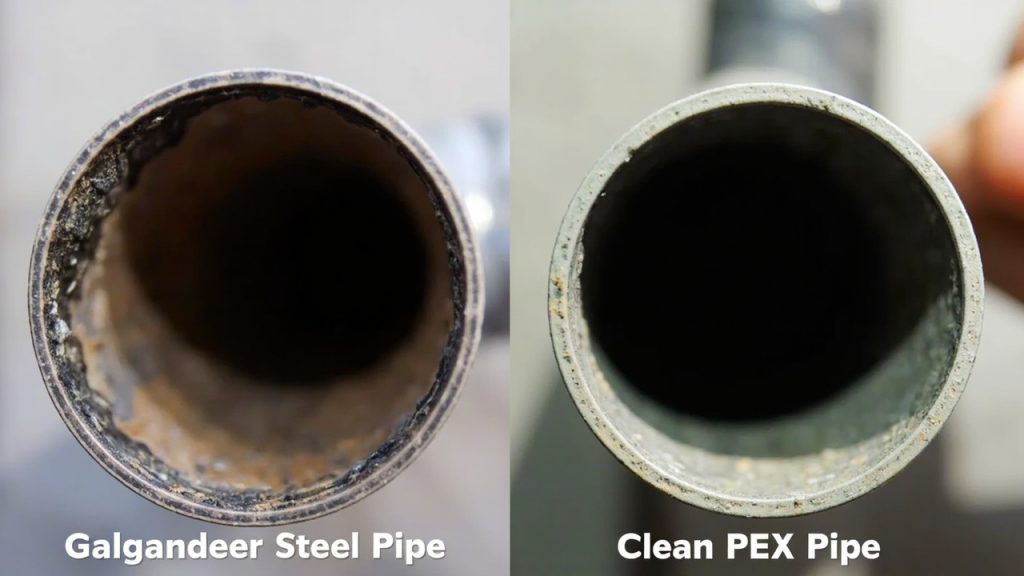
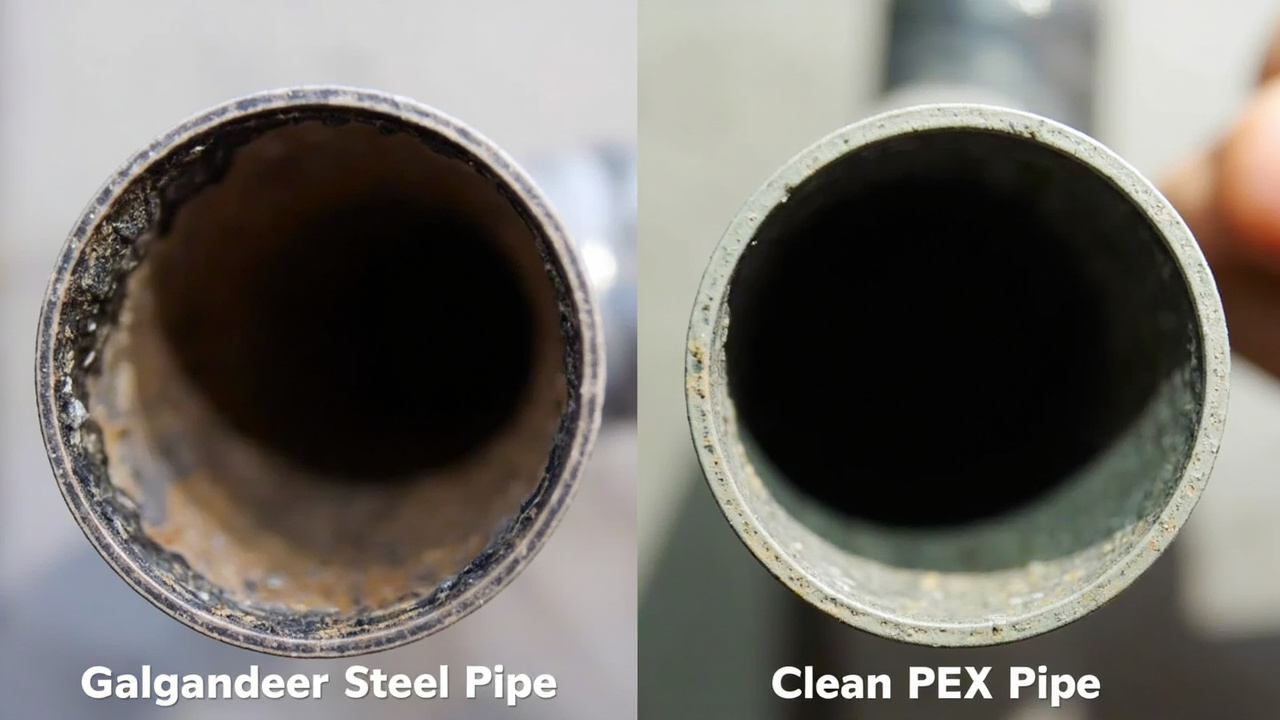
Victory neighborhood homes are famous for their unique character and proximity to the scenic parkway. Many of these residences were built during an era when galvanized steel was the standard for indoor plumbing. While these pipes served families for decades, they have reached a point of failure that cannot be ignored in 2026. Galvanized pipes are made of steel coated with a layer of zinc. Over time, the minerals in Minneapolis city water react with this zinc coating. This chemical reaction causes the coating to dissolve and the underlying steel to rust from the inside out. This internal corrosion creates a restricted path for water and weakens the structure of the pipe itself.
As a homeowner in the Victory area, you might notice that your water pressure is lower than it used to be. This happens because the rust inside the pipes builds up until the opening is as small as a pencil. If you see brown or orange tints in your water after you have been away for a weekend, that is a sign of active oxidation. These issues are not just inconveniences. They are warnings that your plumbing system is on the verge of a significant failure. Many residents in North Minneapolis are choosing to replace these systems before a burst pipe causes catastrophic water damage to their finished basements or original hardwood floors.
In 2026, the local infrastructure demands modern solutions. If you experience a sudden leak or a total pipe failure, you might find yourself looking for emergency plumbers ready to help in the North Loop right now or in other nearby neighborhoods to stop the immediate flood. However, proactive replacement is the only way to ensure long term safety and water quality for your household.
Why 2026 is the critical limit for galvanized steel
Plumbing experts in the Twin Cities have seen a sharp increase in pipe failures during the current year. The lifespan of galvanized steel is typically fifty to seventy years. Since a large portion of the Victory neighborhood housing stock was completed mid century, we are now at the end of that functional window. The 2026 winter season has been particularly hard on these aging systems. The constant expansion and contraction caused by our local freeze thaw cycles put immense pressure on brittle, rusted metal. When the ground shifts during a spring thaw, these old pipes lack the flexibility to move with your foundation, leading to cracks at the joints.
Modern standards for water quality have also changed. The EPA Lead and Copper Rule provides guidelines that emphasize the importance of removing materials that can trap contaminants. Old galvanized pipes are notorious for catching lead particles that may have originated from old city main lines or original lead solder. Even if the city has replaced its side of the service line, the rough, corroded interior of your home’s galvanized pipes can continue to release these particles into your drinking water. Replacing these pipes with modern materials is a direct investment in your health.
Visual indicators of pipe failure in Minneapolis
You do not need to be a licensed plumber to spot the signs of failing pipes. Start by looking at the exposed plumbing in your basement or utility room. Look for white, crusty deposits at the threaded joints. This is known as calcification. It happens when tiny amounts of water seep through the threads and evaporate, leaving minerals behind. These small leaks often seal themselves temporarily with rust, but they are a sign that the metal has thinned to a dangerous level. If you see any spots that look like small pimples on the pipe surface, those are pinhole leaks waiting to happen.
Another common sign is inconsistent water pressure. If your shower pressure drops significantly when someone flushes a toilet or starts the dishwasher, your pipes cannot handle the required volume. This is rarely a problem with the city water supply and almost always a result of internal pipe restrictions. If your home has a finished ceiling in the basement, keep an eye out for yellow or brown staining. These stains indicate slow drips that are currently being absorbed by your drywall or plaster. Addressing this now prevents mold growth and structural rot that can be much more expensive to fix later.
Maintaining other aspects of your home is also important. If you find that your water temperature is fluctuating along with your pressure, you might need professional water heater replacement and repair in Edina or your local area to ensure your entire system is balanced. Often, sediment from galvanized pipes travels into your water heater tank and settles at the bottom, which reduces efficiency and causes the tank to fail prematurely.
Comparing PEX and Copper for Minnesota climates
When it comes to choosing a replacement material, most Minneapolis homeowners choose between PEX and Copper. Both materials have benefits, but they perform differently in our specific climate. PEX, or cross linked polyethylene, has become the dominant choice in 2026 because of its flexibility and resistance to freeze damage. In a city where winter temperatures regularly stay below zero, having a pipe that can expand slightly without bursting is a massive advantage. Copper remains a premium option known for its durability and natural antimicrobial properties, but it requires more labor to install and is more susceptible to damage if your home loses heat.
| Feature | PEX Piping | L-Type Copper |
|---|---|---|
| Expected Lifespan | 50 plus years | 50 plus years |
| Freeze Resistance | Very High | Low |
| Installation Time | 2 to 3 days | 4 to 5 days |
| Material Cost | Lower | Higher |
| Corrosion Resistance | Total | High but susceptible to acidic water |
PEX is also much easier to fish through the walls of an older Victory neighborhood home. This means we can often replace your entire plumbing system with minimal damage to your plaster walls. Copper requires more open access because every joint must be soldered with a torch. For homeowners who want to maintain the historical integrity of their home while upgrading the infrastructure, PEX is often the least invasive choice. It is also important to note that modern PEX-a systems use expansion fittings that do not restrict water flow, ensuring you get the best possible pressure at every fixture.
The step by step pipe replacement process
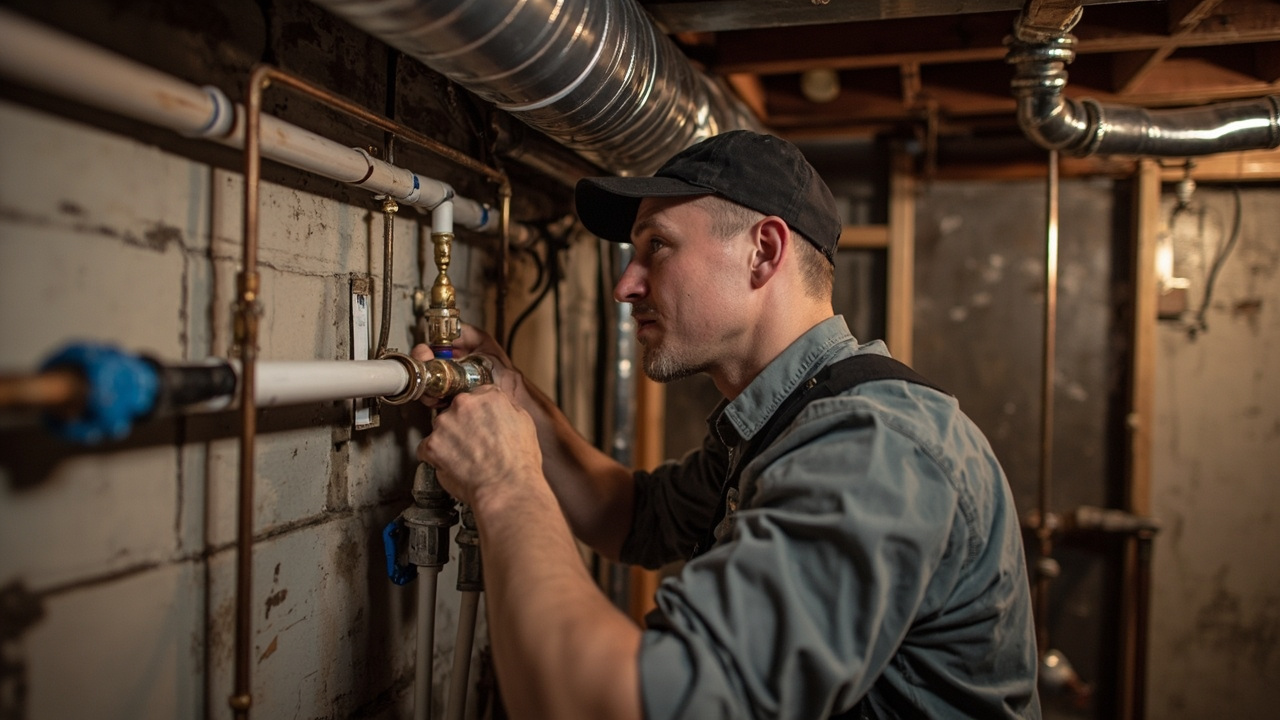
Replacing the pipes in your home is a major project, but a professional team can complete it with minimal disruption to your daily life. The process begins with a thorough inspection of your existing system and the creation of a detailed plan. We identify the main water shut off valve and determine the best path for the new lines. In most Victory homes, we start at the water meter and work our way up to the highest bathroom. We often use a manifold system, which acts like a circuit breaker panel for your plumbing, allowing you to shut off water to individual sinks or toilets without affecting the rest of the house.
Once the plan is in place, the work follows a specific order.
- Protection of floors and furniture with drop cloths and plastic barriers.
- Shutting off the main water supply and draining the existing system.
- Careful removal of accessible galvanized pipes in the basement and utility areas.
- Installation of new PEX or Copper trunk lines and branches.
- Connection of new lines to existing fixtures, including sinks, tubs, and toilets.
- Pressure testing the new system to ensure every joint is watertight.
- Chlorination and flushing of the lines to meet Minneapolis health standards.
- Final inspection by the Minneapolis Building Inspections Division.
During the process, you may find that your drains also need attention. The same era that used galvanized steel for supply lines often used cast iron for drains. If you have noticed slow drains or gurgling sounds, it might be time to look into professional drain cleaning services for older homes in Uptown Minneapolis or your specific neighborhood. Keeping both your supply and waste lines in good condition is the best way to avoid future plumbing headaches.
Managing local permits and inspections
In Minneapolis, a plumbing permit is required for a whole house repipe. This is for your protection. The city inspector will visit your home to verify that the work meets the current Minnesota Plumbing Code. This ensures that the pipes are sized correctly, supported properly, and that there are no cross connections that could contaminate your water. A professional plumber handles the permit process for you, including scheduling the inspections and ensuring the work passes on the first visit. In 2026, the city has streamlined this process with digital permits, but the technical requirements remain strict.
The cost of your project will depend on several factors. The number of bathrooms, the type of foundation, and the ease of access to your vertical plumbing stacks all play a role. A typical Victory bungalow with one or two bathrooms is a different scope of work than a larger two story home. We also consider the condition of your water meter and the main shut off valve. If these components are as old as the pipes, they should be replaced at the same time to ensure you have a reliable way to turn off your water in an emergency.
| Home Configuration | Typical Fixture Count | Estimated Work Days |
|---|---|---|
| 1 Bath Bungalow | 6 to 8 fixtures | 2 to 3 days |
| 2 Bath Story and a Half | 10 to 12 fixtures | 3 to 4 days |
| 3 Bath Traditional | 14 to 18 fixtures | 5 plus days |
Protecting your investment in the Victory neighborhood
Replacing your pipes is more than just a repair. It is a significant upgrade to the value of your property. When you sell a home in Minneapolis, the age and material of the plumbing are major points of interest for buyers and home inspectors. Seeing a brand new PEX or Copper system tells a buyer that the home has been well maintained and that they will not face a massive plumbing bill immediately after moving in. It also lowers your risk of insurance claims. Many insurance providers in 2026 are increasing premiums or denying coverage for homes with known galvanized plumbing due to the high risk of water damage.
Beyond the financial aspects, the daily improvements are noticeable immediately. You will enjoy clear water, quiet pipes, and the ability to run multiple faucets at once without losing pressure. You will also have peace of mind during the coldest months. If you are worried about the current state of your pipes during a cold snap, you can review urgent methods to get your frozen pipes fixed fast in Minneapolis to stay prepared. However, a new PEX system is far less likely to cause you stress when the temperature drops below zero.
If you suspect your main line going to the street is also failing, you should investigate sewer line repair and inspection services in Linden Hills or your local North Minneapolis area. Often, the same age related issues affecting your indoor pipes are also happening underground. A comprehensive look at your entire water and waste system is the best way to ensure your Victory home remains a safe and comfortable place for your family. Contact a local expert today to schedule a pipe integrity inspection and get a detailed plan for your home.
Your home near Victory Memorial Drive is part of the history of Minneapolis. By upgrading your plumbing system now, you are ensuring that history continues without the threat of water damage or contaminated water. We live and work in this community, and we understand the specific challenges of maintaining older homes in our climate. Let us help you transition your home into a modern, efficient, and safe environment for the years to come. In 2026, there is no reason to live with the anxiety of failing galvanized pipes.