





menu

Smelly Drains & Sewer Odors in Minneapolis – Expert Diagnosis and Permanent Odor Elimination

Minneapolis homeowners trust Pioneer Plumbing Minneapolis to identify the root cause of foul sewer gas odors, stinky bathroom drains, and sewage smells, then eliminate them permanently with precision plumbing repairs tailored to your home's unique drain system.

Slider Image 1
Slider Image 2
Slider Image 3
Slider Image 4
Slider Image 5
Slider Image 7
Slider Image 8
Slider Image 9
Slider Image 10
Slider Image 11

Why Minneapolis Homes Struggle with Persistent Drain and Sewer Odors

You walk into your bathroom and immediately smell it. A rotten egg smell from plumbing that makes you gag. Or you notice unpleasant drain odors creeping up from your kitchen sink after a cold snap. You are not imagining it, and you are not alone.

Minneapolis homes face specific challenges that create sewage smell in house conditions. The freeze-thaw cycle cracks underground sewer lines. Frost heave shifts pipe connections. Tree roots from mature maples and elms infiltrate sewer laterals searching for water during dry summer months. Add in aging cast iron drain stacks common in homes built before 1980, and you have a recipe for stinky bathroom drains.

Foul sewer gas odors signal real problems. Dry P-traps in floor drains lose their water seal when basement humidity drops during winter heating. Cracked vent stacks allow sewer gas to bypass the roof termination and seep into living spaces. Biofilm buildup in slow-moving drains produces hydrogen sulfide, the source of that rotten egg smell.

The odor is not just unpleasant. Sewer gas contains methane, ammonia, and hydrogen sulfide. Prolonged exposure causes headaches, nausea, and respiratory irritation. If you smell it consistently, something in your drain-waste-vent system has failed.

Minneapolis's older housing stock, combined with our extreme temperature swings and mature urban tree canopy, creates the perfect storm for drain and sewer odor problems. The issue will not resolve itself. The smell is your plumbing system telling you it needs professional attention.

Why Minneapolis Homes Struggle with Persistent Drain and Sewer Odors
How We Diagnose and Eliminate Sewer Odors at the Source

How We Diagnose and Eliminate Sewer Odors at the Source

Most plumbers pour enzyme cleaner down your drain and call it fixed. The smell returns in three days. We take a different approach.

We start with a drain-waste-vent system analysis. Every fixture connects to a trap that holds water to block sewer gas. We check trap integrity, water seal depth, and vent termination. We use smoke testing to identify hidden cracks in drain lines or vent stacks. The smoke reveals exactly where sewer gas escapes into your home.

We inspect your main sewer line with a fiber-optic camera. Root intrusion, pipe separation, or bellied sections create slow drainage and gas buildup. The camera shows us the exact location and nature of the defect. We measure pipe slope with laser levels to identify sections that do not drain properly.

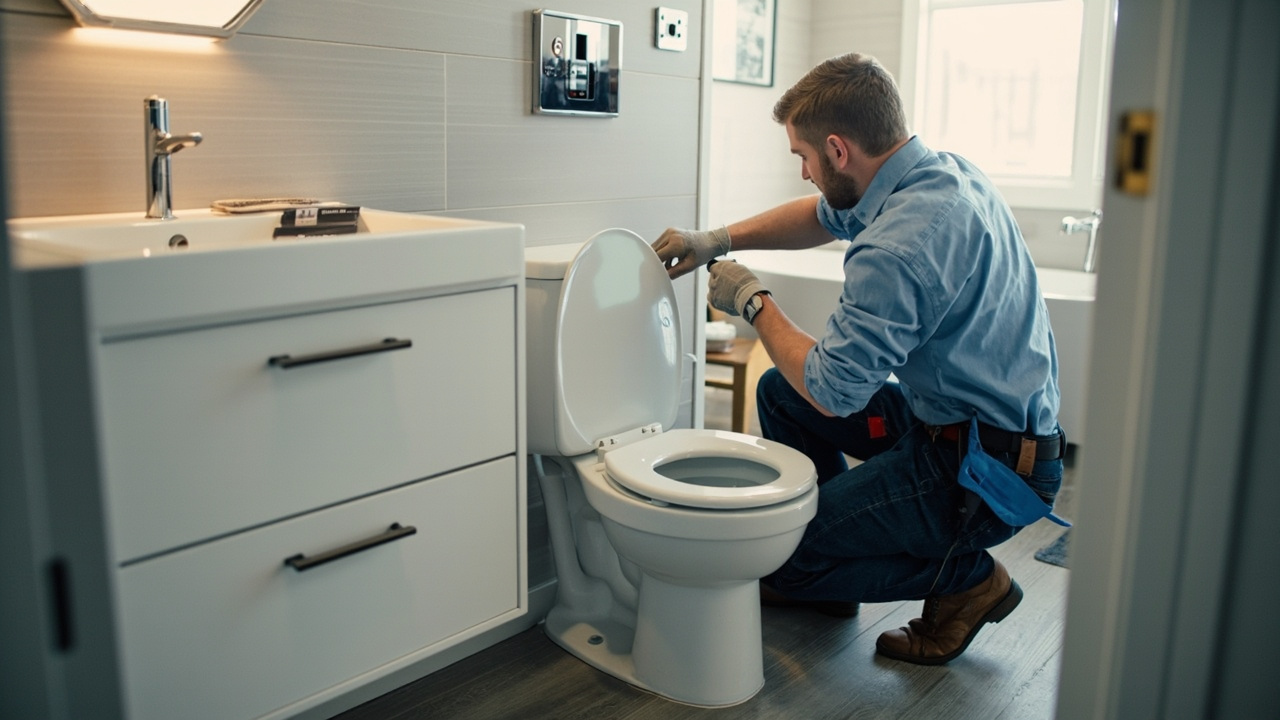
For persistent bathroom odors, we examine wax rings on toilets, check flange bolts for tightness, and inspect the toilet horn connection to the closet bend. A compromised toilet seal allows sewer gas to bypass the trap entirely.

We test vent stack functionality with airflow meters. Blocked or undersized vents create negative pressure in drain lines, which siphons water from traps. We clear obstructions or recommend vent stack upgrades to code.

Once we identify the failure point, we execute the correct repair. Cracked pipes get replaced with PVC or ABS. Dry traps get refilled and monitored. Root-invaded lines get cleared with hydro-jetting, then lined with epoxy if replacement is not feasible. Compromised vent stacks get rebuilt from the roofline down.

We fix the cause, not the symptom. That is why our odor elimination work lasts.

What Happens When You Call About Drain Odors

Smelly Drains & Sewer Odors in Minneapolis – Expert Diagnosis and Permanent Odor Elimination
01

Initial Odor Assessment

We ask targeted questions about when and where you smell the odor. Is it constant or intermittent? Does it worsen after flushing or running water? Location and timing tell us whether the issue is a dry trap, a cracked drain line, or a vent stack defect. We inspect all fixtures in the affected area and check for visible signs of leaks or damage.
02

Diagnostic Testing

We deploy smoke testing and sewer camera inspection to pinpoint the exact failure point. Smoke reveals hidden cracks and improper vent terminations. The camera shows us root intrusion, pipe separation, or slope issues inside your drain lines. We document findings with photos and explain what we discover. You see exactly what is causing the smell before we propose a repair.
03

Permanent Repair Execution

We execute the targeted repair based on our diagnostic findings. Cracked pipes get replaced. Dry traps get refilled and monitored. Root-clogged lines get hydro-jetted and, if necessary, lined with epoxy. Vent stacks get cleared or rebuilt. We test the system after repair to confirm odor elimination, then walk you through what we fixed and why it will not return.

Why Minneapolis Homeowners Choose Pioneer Plumbing Minneapolis for Odor Problems

You need a plumber who understands how Minneapolis's climate and housing stock create specific drain and sewer odor problems. We work in South Minneapolis bungalows with original cast iron stacks. We fix odor issues in Uptown high-rises with shared vent stacks. We service North Loop lofts with floor drains that dry out from underused showers.

We know the Minneapolis plumbing code requirements for vent sizing, trap-to-vent distances, and drain slope. We know which neighborhoods have clay tile sewer laterals prone to root intrusion. We know how frost depth affects underground pipe integrity.

Our diagnostic equipment gives us answers, not guesses. Smoke testing pinpoints cracks you cannot see. Camera inspection shows you exactly what is happening 15 feet underground. We do not sell unnecessary repairs. If your problem is a dry floor drain trap, we refill it and show you how to maintain it. If you need a sewer line replacement, we show you the video evidence and explain your options.

We carry the parts needed to fix most odor problems on the first visit. We stock wax rings, toilet flanges, ABS and PVC fittings, and trap primers. We do not make you wait three days for a follow-up appointment while sewer gas fills your home.

We respect your property. We use drop cloths, wear boot covers, and clean up completely. You will not find pipe shavings in your bathroom or mud tracked through your hallway.

Minneapolis homeowners call us when other plumbers fail to solve the problem. We get it right because we take the time to diagnose correctly.

What to Expect When We Fix Your Sewer Odor Problem

Same-Day Availability

Sewer odors disrupt your home. We prioritize odor calls because we understand the discomfort and health concerns. Most diagnostic visits happen within 24 hours of your call. If we identify a simple fix like a dry trap or loose toilet seal, we complete the repair during the initial visit. Complex repairs like sewer line replacement get scheduled promptly, and we explain the timeline upfront.

Thorough Diagnostic Process

We do not guess. We use smoke testing to trace sewer gas pathways through your drain-waste-vent system. We deploy fiber-optic camera inspection to examine drain lines and sewer laterals. We test vent stack airflow and measure drain line slope. You receive a clear explanation of what we find, supported by photos or video. We walk you through the problem and the proposed repair before starting work.

Complete Odor Elimination

Our goal is permanent resolution. We replace failed components with code-compliant materials built to last. We pressure-test repaired sections to confirm integrity. We verify proper trap seal depth and vent termination. After repair, we conduct a final inspection to confirm the odor is gone. You will not smell sewer gas after we leave because we address the root cause, not just the symptom.

Follow-Up and Prevention

We provide clear guidance on maintaining your drain system to prevent future odor problems. If you have floor drains that dry out, we explain how to keep traps filled or install automatic trap primers. If tree roots caused your sewer odor, we recommend annual hydro-jetting to prevent recurrence. We stand behind our work and remain available if you have questions or concerns after the repair.

Frequently Asked Questions

You Have Questions,
We Have Answers

How to get rid of sewer smell coming from drains? +

Start by running water in all drains for two minutes to refill dried P-traps. These U-shaped pipes hold water to block sewer gas. If the smell persists, pour a cup of white vinegar down each drain, wait 30 minutes, then flush with hot water. For kitchen sinks, grind ice cubes and citrus peels in the garbage disposal to clean buildup. If odors continue after these steps, you may have a broken vent pipe or cracked drain line. Minneapolis homes built before 1970 often have deteriorating cast iron pipes that need professional inspection and repair to eliminate persistent odors.

What is the hardest smell to get rid of? +

Hydrogen sulfide gas from sewer systems ranks among the hardest smells to eliminate because it penetrates porous materials like drywall, wood, and fabric. The rotten egg odor comes from decomposing organic waste in your drain lines or municipal sewer connections. Standard air fresheners only mask the problem temporarily. You need to eliminate the source by fixing broken seals, clearing biofilm buildup in pipes, or repairing damaged vent stacks. Minneapolis homes with old galvanized or cast iron drain lines face higher risk of sulfur-producing bacteria colonies that create stubborn, recurring odors requiring professional drain cleaning and sometimes pipe replacement.

How to find where sewer smell is coming from? +

Start by checking all drain P-traps. Run water in every sink, shower, and floor drain for two minutes. Mark any fixtures that still smell after 30 minutes. Inspect visible drain pipes in basements and crawl spaces for cracks or loose connections. Check roof vent pipes for blockages from bird nests or ice dams, common in Minneapolis winters. Look for water stains on ceilings or walls near bathrooms. Test your toilet wax ring by rocking the toilet base. If it moves, sewer gas escapes. Persistent odors without obvious sources often indicate broken pipes inside walls or under slabs requiring camera inspection.

Why does my drain smell bad but no blockage? +

The biofilm coating your drain pipes produces sulfur bacteria that create foul odors without blocking water flow. This slimy layer of organic matter, hair, soap scum, and grease builds up over years, especially in bathroom drains and kitchen sinks. Temperature fluctuations in Minneapolis homes can accelerate bacteria growth in drain lines. A dry P-trap from infrequent use also allows sewer gas through without any blockage. Damaged vent pipes prevent proper air circulation, creating negative pressure that pulls odors from the main sewer line. Professional drain cleaning removes biofilm and identifies ventilation problems causing odors without clogs.

Can I fix a sewage smell myself? +

You can address simple causes like dry P-traps by running water, cleaning garbage disposals with ice and vinegar, or replacing worn toilet wax rings. These fixes work for minor, isolated odors. However, if smells persist after basic cleaning, spread to multiple drains, or come with slow drainage, you need professional help. Minneapolis homes face unique challenges from freeze-thaw cycles that crack pipes and ice dams that block roof vents. Broken sewer lines, damaged vent stacks, or deteriorating cast iron pipes require specialized equipment like sewer cameras and hydro-jetting. Misdiagnosing the problem wastes money and allows dangerous sewer gas accumulation.

What are signs of a serious plumbing problem? +

Multiple drains backing up simultaneously signals a main sewer line problem. Water pooling around your foundation or soggy patches in your yard indicate underground pipe leaks. Gurgling sounds from toilets when you run sinks mean blocked vent pipes. Persistent sewer odors after basic cleaning suggest broken drain lines or failed seals. Sudden drops in water pressure point to pipe corrosion or hidden leaks. Visible water stains on walls or ceilings near plumbing indicate active leaks. Minneapolis homes with cast iron pipes older than 50 years face higher failure risks. Any sewage backup requires immediate professional response to prevent health hazards and structural damage.

What is the most powerful odor eliminator? +

Enzymatic cleaners break down organic matter causing odors at the molecular level, making them the most effective solution for drain smells. These biological cleaners use bacteria that consume grease, hair, and biofilm without damaging pipes. For immediate relief, white vinegar neutralizes alkaline odors, while baking soda absorbs acidic smells. Commercial products containing oxidizers like sodium percarbonate eliminate sulfur bacteria. However, chemical drain cleaners only mask symptoms without addressing root causes. Professional hydro-jetting physically removes odor-producing biofilm from pipe walls. Proper ventilation through functional vent stacks prevents odors from entering your home, making vent repair the permanent solution for recurring sewer smells.

What is the old lady's smell called? +

The term you are thinking of is nonenal, a chemical compound produced by oxidizing omega-7 unsaturated fatty acids in aging skin. This question does not relate to plumbing odors. If you smell musty, stale odors in your Minneapolis home, check for mold growth from plumbing leaks rather than age-related body chemistry. Hidden water damage behind walls or under floors creates perfect conditions for mildew. Bathroom exhaust fans venting into attics instead of outside trap moisture, causing persistent musty smells. Professional moisture detection and proper ventilation installation solve these problems and improve indoor air quality throughout your home.

What are the top 5 worst smells? +

This question addresses general unpleasant smells rather than plumbing diagnostics. For drain and sewer issues in Minneapolis homes, the worst odors include hydrogen sulfide (rotten eggs) from sewer gas, methane from decomposing waste, ammonia from urine in drain traps, putrid smells from trapped food waste, and musty odors from mold growth caused by plumbing leaks. Each smell indicates specific problems. Rotten egg odors mean broken vent pipes or dry P-traps. Ammonia smells suggest toilet seal failures. Musty odors point to hidden leaks. Identifying the specific odor type helps diagnose the underlying plumbing failure requiring professional repair.

What's the average cost to fix a sewer smell? +

Simple fixes like refilling dry P-traps or cleaning drains cost nothing if you handle them yourself. Professional drain cleaning for biofilm removal typically costs between modest and moderate amounts depending on drain accessibility and severity. Toilet wax ring replacement falls in the lower range. Vent pipe repairs vary based on roof access and damage extent. Main sewer line repairs involving excavation or pipe replacement represent significant investments. Minneapolis homes with aging cast iron pipes often need partial or full repiping. Camera inspections help identify problems without guessing. Get multiple quotes from licensed plumbers. Costs depend on problem severity, pipe accessibility, and materials required.

How Minneapolis's Aging Sewer Infrastructure Affects Home Drain Odors

Minneapolis has one of the oldest combined sewer systems in the upper Midwest. Many homes built before 1960 connect to clay tile sewer laterals that crack under freeze-thaw pressure. These cracks allow tree roots to infiltrate, creating blockages that trap sewer gas and force it back into your home through floor drains and fixtures. Neighborhoods like Longfellow, Powderhorn, and Seward have mature tree canopies with aggressive root systems. If you live in one of these areas and smell sewer gas, root intrusion in your lateral is a likely cause.

Minneapolis homeowners need plumbers who understand local construction methods and infrastructure challenges. We work with the city's sewer department when lateral replacement requires permits or coordination. We know which streets have scheduled sewer main upgrades, which affects repair timing and cost. We understand how to navigate Minneapolis's strict excavation and right-of-way regulations. When you hire Pioneer Plumbing Minneapolis, you get a team that knows the local system inside and out, not a national chain reading from a script.
Plumbing Services in The Minneapolis Area

Discover the convenient location of Pioneer Plumbing and explore our extensive service area. We are proudly situated to serve the entire Minneapolis region and surrounding communities, ensuring our expert plumbing solutions are always within reach. Feel free to visit our office or use the map below to pinpoint our location for in-person inquiries or simply to confirm our proximity for your next plumbing need. We're always ready to connect!

Address:
Pioneer Plumbing Minneapolis, 2355 MN-36, Minneapolis, MN, 55113

Additional Services We Offer

Our news updates

Latest Articles & News from The Blogs

Why Your Northeast Minneapolis Home Needs a Tankless Water HeaterNortheast Minneapolis homeowners face unique challenges with aging infrastructure and compact…

Why Your Northeast Minneapolis Home Needs a Tankless Water Heater

Why Your Northeast Minneapolis Home Needs a Tankless Water HeaterNortheast Minneapolis homeowners face unique challenges with aging infrastructure and compact…

Choosing Radiant Floor Heating for Your Mendota Heights Remodel

High Performance Heating for Mendota Heights RenovationsMendota Heights homeowners face some of the most demanding winter conditions in the country.…

Eliminating Orange Stains From Your Laundry and Tubs in Minnetrista

How to Fix Orange Water Stains in Minnetrista Well Water Residents living near the western shores of Lake Minnetonka or…

Contact Us

Call Pioneer Plumbing Minneapolis at (651) 588-9979 for expert diagnosis and permanent odor elimination. We identify the root cause and fix it right the first time. Your home should not smell like a sewer.