





St. Cloud sits at the convergence of the Mississippi and Sauk Rivers, where ground saturation and fluctuating water tables create constant pressure on underground pipes. The freeze-thaw cycles here are brutal. Temperatures that swing from 20 below zero in January to 90 degrees in July cause expansion and contraction that stresses connections, cracks fixtures, and splits supply lines. Many St. Cloud homes were built between 1920 and 1970, when galvanized steel pipe was standard. These aging systems corrode from the inside, restricting flow and contaminating water. The clay soil common throughout Stearns County shifts with moisture changes, putting stress on foundation drains and sewer laterals. St. Cloud's municipal water comes from deep wells with high mineral content. This hard water accelerates scale buildup in water heaters, reduces fixture lifespan, and clogs aerators and showerheads. Homes near Lake George and the Beaver Islands deal with elevated groundwater that floods crawl spaces and overworks sump pumps. The combination of old infrastructure, extreme weather, and geological factors means St. Cloud plumbing systems face more stress than mild-climate regions. Professional plumbers who understand these local conditions prevent small problems from becoming major failures.
Pioneer Plumbing Minneapolis has served the greater St. Cloud metro for years, building a reputation on fast response and permanent solutions. When your water heater fails on Christmas morning or a pipe bursts during a February cold snap, you need plumbers who answer the phone and arrive equipped to fix the problem immediately. We stock our trucks with parts that fit St. Cloud's older homes, from vintage fixture replacements to modern PEX pipe for repiping projects. Our plumbers train continuously on both traditional cast iron systems common in downtown neighborhoods and modern installations in newer developments around Clearwater Road. We know the difference between a quick patch and a lasting repair. Many plumbing contractors take shortcuts to close jobs faster. We diagnose the root cause, explain your options clearly, and complete work that passes inspection the first time. Our pricing is transparent. You get a detailed estimate before work begins, with no hidden fees or surprise charges when the job finishes. We guarantee our workmanship because we use quality materials and follow code requirements exactly. Pioneer Plumbing Minneapolis operates as part of the St. Cloud community. We sponsor youth sports leagues, support local schools, and employ plumbers who live in the neighborhoods we serve. When you call us, you get technicians who understand St. Cloud homes because they own them too. We protect your property like it's our own, using drop cloths, cleaning up completely, and treating your home with respect.

Plumbing emergencies don't wait for business hours. We dispatch technicians 24/7 across St. Cloud, arriving quickly with fully stocked trucks ready to stop leaks, clear blockages, and restore your water service. Our average response time puts us on-site fast, minimizing water damage and getting your home back to normal.

St. Cloud's historic homes near downtown and around St. Cloud State require plumbers who understand vintage plumbing systems. We work with galvanized pipe, cast iron drains, and outdated fixture connections daily. Our team knows how to repair or upgrade old systems while preserving the character of your home and meeting current code standards.
You receive a clear written estimate before any work begins. Our pricing includes labor, materials, and cleanup. No trip charges. No hidden fees. No inflated bills after the job completes. If we discover additional issues during the repair, we explain the situation and get your approval before proceeding with any extra work.
Our plumbers live in St. Cloud, send their kids to local schools, and understand the neighborhoods we serve. We're invested in this community's success because it's our home too. That commitment shows in how we treat your property, communicate throughout the job, and stand behind our work long after we finish.
Pioneer Plumbing Minneapolis handles every aspect of residential plumbing across St. Cloud, from urgent repairs that can't wait to planned upgrades that improve your home's value and efficiency. Our service range covers immediate emergency response when pipes burst or drains fail, routine maintenance that prevents costly failures, and complete system installations for remodels or aging infrastructure replacement. We work on all plumbing components: supply lines that bring fresh water into your home, drain and sewer systems that remove wastewater, fixtures like sinks and toilets that you use daily, and appliances including water heaters and softeners that improve water quality. Whether you need a simple faucet repair in your Southside home or a complete repiping project in a Westside neighborhood house, our plumbing contractors bring the right expertise and equipment. We organize our services into three main categories based on urgency and project scope, ensuring you get the right response for your specific situation.
Burst pipes, backed-up sewers, failed water heaters, and overflowing toilets require immediate attention. Our emergency plumbers respond around the clock to stop active leaks, clear dangerous blockages, and restore essential water service. We arrive with diagnostic tools and common repair parts, ready to fix the problem on the first visit. Emergency service includes water line breaks, drain backups, gas line leaks, sump pump failures, and any plumbing issue causing active damage to your St. Cloud home.
Most plumbing problems start small and grow into emergencies without attention. Our repair services fix dripping faucets, running toilets, slow drains, low water pressure, and minor leaks before they cause major damage. Preventive maintenance includes water heater flushing, drain cleaning, supply line inspection, and fixture testing. Regular maintenance catches corrosion, buildup, and wear before failures happen, extending the life of your plumbing system and preventing expensive emergency repairs during Minnesota's coldest months.
Planned installations and upgrades improve efficiency, increase home value, and replace failing systems before they break. We install new water heaters, replace outdated fixtures, add water softeners and filtration systems, and complete whole-house repiping projects. Kitchen and bathroom remodels require moving supply lines and drains to match new layouts. We coordinate with your contractor, pull required permits, and complete installations that pass inspection. Our installation work meets all current building codes and includes warranties on both labor and materials.
St. Cloud's climate and housing stock create predictable plumbing challenges. Extreme cold causes pipes to freeze and burst, especially in exterior walls and unheated crawl spaces. Old galvanized steel pipes corrode from decades of mineral-rich water, restricting flow and contaminating drinking water. Tree roots penetrate clay sewer lines, causing chronic backups and slow drains. Hard water destroys water heaters prematurely, coating elements with scale and reducing efficiency. Spring flooding overwhelms sump pumps and foundation drains in low-lying areas near the rivers. These problems are preventable with proper maintenance and rapid response when warning signs appear. Ignoring small issues leads to major damage and expensive repairs. Understanding what commonly fails helps homeowners recognize problems early and call professional plumbers before minor annoyances become household disasters.
Minnesota winters freeze exposed pipes in unheated spaces, crawl spaces, and exterior walls. Ice blockages stop water flow and create pressure that splits pipes. When temperatures rise, the ice melts and water floods your home. Insulation, heat tape, and maintaining consistent temperatures prevent freezing. If pipes freeze, shut off water immediately and call us before attempting repairs.
Homes built before 1980 often have galvanized steel supply lines that corrode from inside. Rust flakes restrict water flow, causing low pressure at fixtures. Corroded pipes leak at joints and contaminate water with metal particles. Discolored water, declining pressure, and frequent leaks signal pipe failure. Repiping with PEX or copper restores full pressure and eliminates contamination risks.
Tree roots seek moisture and penetrate clay sewer lines through tiny cracks. Roots grow inside pipes, catching debris and causing chronic backups. Warning signs include gurgling drains, slow toilets, and sewage odors in your yard. Camera inspection identifies root locations. Mechanical cleaning removes roots, and pipe lining prevents future invasion without excavating your yard.
St. Cloud's hard water accelerates water heater failure. Mineral deposits coat heating elements, reducing efficiency and causing premature burnout. Sediment accumulates in tanks, creating noise and reducing capacity. Most water heaters last 8-12 years here versus 15 years in soft-water regions. Rusty water, inconsistent temperatures, and leaking tanks signal replacement needs before complete failure leaves you without hot water.
Pioneer Plumbing Minneapolis operates with complete transparency from your first call through final cleanup. When you contact us, you speak with knowledgeable staff who ask questions to understand your situation and schedule service at your convenience. For emergencies, we dispatch immediately and provide an estimated arrival time. For scheduled work, we arrive on time within the appointment window you select. Our plumbers introduce themselves, explain what they'll inspect, and protect your floors with drop cloths before beginning work. We diagnose problems thoroughly using cameras, pressure tests, and other diagnostic tools. You receive a clear explanation of what failed, why it failed, and your repair or replacement options with upfront pricing for each approach. No work begins until you approve the estimate. During the job, we keep you informed about progress and any unexpected conditions we discover. After completing repairs or installations, we test everything, show you the finished work, and explain any maintenance recommendations. We clean up completely, removing all debris and materials. You receive documentation of work completed, warranties that apply, and our contact information for any follow-up questions.
Your call gets answered by a real person, not voicemail. We ask questions to understand your plumbing problem and its urgency. Emergency calls get immediate dispatch with an estimated arrival time. Scheduled service happens within your preferred time window. We call when we're on the way and arrive prepared with the right tools and common parts. You never wait days for basic plumbing repairs or wonder when help will arrive.
We inspect completely before making recommendations. Camera inspection shows pipe conditions inside. Pressure testing identifies hidden leaks. We explain what we found in plain language, show you evidence when possible, and outline your options. You get upfront pricing for each solution with pros and cons explained honestly. We never push unnecessary work or use scare tactics. The decision is yours, and we respect your budget and priorities.
Our repairs and installations come with written warranties covering labor and materials. We guarantee code-compliant work that passes inspection. If problems develop with our work, we return and make it right at no charge. After completing major projects, we follow up to ensure everything functions properly. You get our contact information for questions anytime. We stand behind our work because your satisfaction determines our reputation in St. Cloud.
We've refined our service process to eliminate surprises and deliver reliable results. Three straightforward steps take you from initial contact to complete resolution of your plumbing issue.
Call our St. Cloud number and describe your plumbing situation. We ask questions to understand urgency and what you're experiencing. For emergencies, we dispatch a plumber immediately and provide an estimated arrival time. For scheduled service, we book an appointment within your preferred timeframe. You receive confirmation with the service window and our plumber's contact information. We call when we're on the way so you're never left wondering when we'll arrive.
Our plumber arrives, introduces himself, and protects your floors before starting work. He inspects the problem thoroughly, using cameras or testing equipment when needed to identify the root cause. You get a clear explanation of what failed and why, along with repair or replacement options. Each option includes upfront pricing with all costs itemized. Once you approve the work and pricing, we proceed immediately with repairs using quality parts that match or exceed original specifications.
After finishing repairs or installation, we test everything to confirm proper operation. You inspect the work and ask questions. We explain any maintenance recommendations and provide written documentation including warranties. Our team cleans up completely, removing all debris and materials. You receive an itemized invoice matching the approved estimate. For major projects, we follow up to ensure continued satisfaction with the work and answer any additional questions.
Minnesota's plumbing code, based on the International Plumbing Code with state amendments, addresses challenges specific to cold climates and protects water quality. All plumbing work in St. Cloud requires permits from the city's building department, and inspections verify code compliance before systems go into service. Supply pipes must maintain minimum depths below frost line, typically 5 feet in Stearns County, or include proper insulation and heat trace in shallower installations. The code requires backflow prevention devices on irrigation systems, boiler feeds, and other connections where contamination could enter the potable water supply. Water heater installations must include thermal expansion tanks to handle pressure increases from heated water in closed systems with check valves or pressure regulators. Drain and vent sizing follows specific tables based on fixture units and pipe lengths to ensure adequate flow and proper drainage. PEX piping, common in modern installations and repiping projects, must meet ASTM F876 and F877 standards. Minnesota allows both expansion and crimp PEX connections when installed by certified plumbers following manufacturer specifications. Gas line work requires additional certification and pressure testing to 150 percent of operating pressure. All connections must be accessible for inspection, and flexible gas connectors have restrictions on length and application. Professional plumbers maintain licenses through continuing education on code updates, new materials, and installation techniques. Working with licensed contractors ensures your plumbing project meets all legal requirements, passes inspection without delays, and functions reliably for decades.
St. Cloud requires permits for water heater replacement, repiping, new fixture installations, and drain system modifications. The building department reviews plans and inspects rough-in work before walls close and final installations before occupancy. Licensed plumbers pull permits, schedule inspections, and ensure work meets code. Unpermitted work creates liability, complicates home sales, and may require expensive corrections.
Plumbing costs depend on material choice, accessibility, system age, and code requirements. PEX repiping costs less than copper but has restrictions in some applications. Repairs in finished spaces require wall or floor access, adding labor costs. Bringing old systems to current code during renovations increases project scope. Emergency service carries premium pricing for immediate response. Proper estimates include materials, labor, permits, and restoration of disturbed finishes.
Simple repairs like faucet replacement or toilet installation take hours. Water heater replacement requires 3-4 hours for standard installations. Whole-house repiping takes 2-5 days depending on home size and accessibility. Bathroom remodels span 1-2 weeks for complete fixture and plumbing replacement. Timelines include permit processing, inspection scheduling, and coordination with other trades. Weather delays outdoor work during Minnesota's coldest months.
Quality plumbing contractors warranty their workmanship for at least one year. Manufacturers provide separate warranties on fixtures, water heaters, and other equipment, typically ranging from 1 to 10 years depending on the component. Warranty coverage requires professional installation following specifications. Regular maintenance, including annual water heater flushing and drain cleaning, prevents failures and extends system life. Documentation of maintenance work supports warranty claims.
This video explains the unique plumbing challenges facing St. Cloud homeowners, including freeze-thaw pipe damage, hard water effects on water heaters, tree root sewer invasion, and spring flooding issues. Local plumber discusses prevention strategies, warning signs of system failure, and when to call professional plumbing contractors for repairs. Covers code requirements, repiping options, and maintenance recommendations specific to central Minnesota climate conditions and St. Cloud's aging housing infrastructure.
Pioneer Plumbing Minneapolis serves the entire St. Cloud metro area, from historic downtown neighborhoods to newer developments spreading across Stearns County. We respond to calls in the Southside neighborhood, where many homes date from the early 1900s and feature original plumbing systems requiring specialty knowledge and vintage parts. The Northside area between University Drive and Highway 10 includes mid-century homes with galvanized steel pipes nearing the end of their service life. We complete repiping projects here regularly, upgrading old systems to modern PEX or copper while preserving the character of these established neighborhoods. The Westside, stretching toward Waite Park and St. Joseph, features newer construction with modern plumbing systems that still require maintenance and occasional repairs. St. Cloud State University area rentals and student housing keep us busy with drain cleaning, fixture repairs, and water heater replacements. Eastside neighborhoods near Highway 23 and Cooper Avenue blend older homes with new developments, creating diverse service needs. We work extensively around Lake George and the Beaver Islands, where high water tables stress sump pumps and foundation drainage systems. During spring flooding, we respond to dozens of calls for backup prevention and water removal. The Clearwater Road corridor north of St. Cloud features executive homes with sophisticated plumbing systems including multiple water heaters, elaborate bathroom fixtures, and whole-house filtration requiring specialized service. South of the city toward Clear Lake and Clearwater, we serve rural properties with private wells and septic systems that need different expertise than municipal water connections. We maintain service vehicles stationed strategically across the region for fast response anywhere in the St. Cloud metro.
Open cabinet doors under sinks to let warm air circulate around pipes. Keep your thermostat at the same temperature day and night. Let faucets drip slightly to keep water moving through pipes. If pipes freeze, turn off your main water supply immediately. Apply gentle heat with a hair dryer or heating pad to the frozen section. Never use open flames or high heat sources. Start thawing near the faucet and work backward. Check for cracks or leaks as pipes thaw. Call a plumber if you cannot locate the frozen section or if pipes burst.
Water heater replacement pricing varies based on several factors. Tank size affects the total expense. A 40-gallon unit differs from a 75-gallon model. The type of heater matters too. Gas water heaters require different installation than electric models. Tankless systems represent a different category entirely. Your home's existing plumbing setup influences labor time. Older homes might need additional updates to meet current code requirements. Location of the water heater affects accessibility. Most St. Cloud homeowners receive detailed estimates before work begins. Get multiple quotes to compare options and find the best fit for your needs.
Yes, most plumbing work in St. Cloud requires permits. The city mandates permits for water heater replacements, repiping projects, and new fixture installations. Sewer line repairs and replacements need permits too. Simple repairs like fixing a leaky faucet or replacing a toilet wax ring typically do not require permits. Your plumber should know which projects need approval. Permits ensure work meets Minnesota building codes and protects your home value. The inspection process verifies proper installation and safety. Skipping permits leads to fines and problems when selling your home. Always confirm permit requirements before starting any plumbing project.
Open cabinet doors under sinks to let warm air circulate around pipes. Keep your thermostat at the same temperature day and night. Let faucets drip slightly to keep water moving through pipes. If pipes freeze, turn off your main water supply immediately. Apply gentle heat with a hair dryer or heating pad to the frozen section. Never use open flames or high heat sources. Start thawing near the faucet and work backward. Check for cracks or leaks as pipes thaw. Call a plumber if you cannot locate the frozen section or if pipes burst.
Water heater replacement pricing varies based on several factors. Tank size affects the total expense. A 40-gallon unit differs from a 75-gallon model. The type of heater matters too. Gas water heaters require different installation than electric models. Tankless systems represent a different category entirely. Your home's existing plumbing setup influences labor time. Older homes might need additional updates to meet current code requirements. Location of the water heater affects accessibility. Most St. Cloud homeowners receive detailed estimates before work begins. Get multiple quotes to compare options and find the best fit for your needs.
Yes, most plumbing work in St. Cloud requires permits. The city mandates permits for water heater replacements, repiping projects, and new fixture installations. Sewer line repairs and replacements need permits too. Simple repairs like fixing a leaky faucet or replacing a toilet wax ring typically do not require permits. Your plumber should know which projects need approval. Permits ensure work meets Minnesota building codes and protects your home value. The inspection process verifies proper installation and safety. Skipping permits leads to fines and problems when selling your home. Always confirm permit requirements before starting any plumbing project.
Test your sump pump before heavy rains arrive each spring. Pour water into the pit until the float rises and activates the pump. Clean the inlet screen to remove debris. Check the discharge line for clogs or freezing. Install a battery backup system to keep your pump running during power outages. Consider a water-powered backup pump as an additional safeguard. Clear the area around your sump pit. Replace pumps older than seven years. Schedule annual professional maintenance to catch problems early. Keep your discharge line directed away from your foundation to prevent water from flowing back.
Several issues cause low water pressure in St. Cloud homes. Mineral buildup clogs pipes over time, especially in older homes with galvanized plumbing. Hard water deposits restrict water flow through fixtures and pipes. Corroded pipes reduce interior diameter and limit flow. Partially closed shutoff valves restrict water supply. Faulty pressure regulators fail to maintain proper pressure. Leaks anywhere in your system reduce pressure throughout your home. Water main breaks in your neighborhood temporarily lower pressure. Sediment accumulation in your water heater affects hot water pressure. A plumber identifies the source through testing and inspection. Most pressure problems have straightforward solutions.
Your main water shutoff valve is usually where the water line enters your home. Check your basement or crawl space first. Look along the foundation wall facing the street. The valve sits on the pipe coming through the wall. In homes without basements, check the utility room or garage. Some St. Cloud homes have the shutoff in a ground-level box near the street. The valve typically has a round wheel handle or a lever. Turn clockwise to shut off water. Tag the valve location so everyone in your household knows where to find it during emergencies.
Sulfur smell in water usually comes from bacteria in your water heater or well. Sulfate-reducing bacteria produce hydrogen sulfide gas, creating a rotten egg odor. This happens more often in wells than city water systems. Your water heater's anode rod reacts with sulfates, causing the smell. The bacteria thrive in warm, oxygen-poor environments like water heater tanks. Flushing your water heater eliminates bacteria buildup. Replacing the anode rod with an aluminum or zinc alloy version helps. Chlorinating your well treats the source. A water filtration system removes sulfur compounds. The smell is unpleasant but typically not harmful.
Repiping a St. Cloud house takes three to seven days for most homes. The timeline depends on your home's size and layout. Single-story homes with accessible plumbing finish faster than multi-story houses. The number of bathrooms and fixtures affects duration. Removing old galvanized or cast iron pipes takes extra time. Working around finished walls requires careful cutting and patching. Crawl spaces and basements offer easier access than slab foundations. Most plumbers work to minimize disruption to your daily routine. You will have limited water access during active work periods. Final inspections add one to two days after installation completes.
Watch for these warning signs of sewer line failure. Multiple drains backing up at once indicates a main line problem. Sewage odors in your yard or home signal breaks or blockages. Slow drains throughout your house point to main line issues. Wet spots or extra green patches in your lawn suggest leaking sewage. Gurgling sounds from toilets or drains mean venting problems. Foundation cracks appear when soil shifts from sewer leaks. Increased pest activity happens when rodents enter through damaged pipes. Tree root intrusion becomes visible through repeated clogs. Video camera inspection confirms the condition and location of damage.
Yes, hard water damages plumbing systems over time. Mineral deposits accumulate inside pipes, reducing water flow and pressure. Scale buildup clogs fixtures, faucet aerators, and showerheads. Water heaters work harder and fail sooner when minerals coat heating elements. Dishwashers and washing machines break down faster from mineral accumulation. Galvanized pipes corrode quicker when exposed to hard water minerals. Fixtures develop unsightly stains and residue. Your plumbing system requires more frequent repairs and earlier replacement. Installing a water softener protects your plumbing investment. Softened water extends the life of all water-using appliances and reduces maintenance needs.
Test your sump pump before heavy rains arrive each spring. Pour water into the pit until the float rises and activates the pump. Clean the inlet screen to remove debris. Check the discharge line for clogs or freezing. Install a battery backup system to keep your pump running during power outages. Consider a water-powered backup pump as an additional safeguard. Clear the area around your sump pit. Replace pumps older than seven years. Schedule annual professional maintenance to catch problems early. Keep your discharge line directed away from your foundation to prevent water from flowing back.
Several issues cause low water pressure in St. Cloud homes. Mineral buildup clogs pipes over time, especially in older homes with galvanized plumbing. Hard water deposits restrict water flow through fixtures and pipes. Corroded pipes reduce interior diameter and limit flow. Partially closed shutoff valves restrict water supply. Faulty pressure regulators fail to maintain proper pressure. Leaks anywhere in your system reduce pressure throughout your home. Water main breaks in your neighborhood temporarily lower pressure. Sediment accumulation in your water heater affects hot water pressure. A plumber identifies the source through testing and inspection. Most pressure problems have straightforward solutions.
Your main water shutoff valve is usually where the water line enters your home. Check your basement or crawl space first. Look along the foundation wall facing the street. The valve sits on the pipe coming through the wall. In homes without basements, check the utility room or garage. Some St. Cloud homes have the shutoff in a ground-level box near the street. The valve typically has a round wheel handle or a lever. Turn clockwise to shut off water. Tag the valve location so everyone in your household knows where to find it during emergencies.
Sulfur smell in water usually comes from bacteria in your water heater or well. Sulfate-reducing bacteria produce hydrogen sulfide gas, creating a rotten egg odor. This happens more often in wells than city water systems. Your water heater's anode rod reacts with sulfates, causing the smell. The bacteria thrive in warm, oxygen-poor environments like water heater tanks. Flushing your water heater eliminates bacteria buildup. Replacing the anode rod with an aluminum or zinc alloy version helps. Chlorinating your well treats the source. A water filtration system removes sulfur compounds. The smell is unpleasant but typically not harmful.
Repiping a St. Cloud house takes three to seven days for most homes. The timeline depends on your home's size and layout. Single-story homes with accessible plumbing finish faster than multi-story houses. The number of bathrooms and fixtures affects duration. Removing old galvanized or cast iron pipes takes extra time. Working around finished walls requires careful cutting and patching. Crawl spaces and basements offer easier access than slab foundations. Most plumbers work to minimize disruption to your daily routine. You will have limited water access during active work periods. Final inspections add one to two days after installation completes.
Watch for these warning signs of sewer line failure. Multiple drains backing up at once indicates a main line problem. Sewage odors in your yard or home signal breaks or blockages. Slow drains throughout your house point to main line issues. Wet spots or extra green patches in your lawn suggest leaking sewage. Gurgling sounds from toilets or drains mean venting problems. Foundation cracks appear when soil shifts from sewer leaks. Increased pest activity happens when rodents enter through damaged pipes. Tree root intrusion becomes visible through repeated clogs. Video camera inspection confirms the condition and location of damage.
Yes, hard water damages plumbing systems over time. Mineral deposits accumulate inside pipes, reducing water flow and pressure. Scale buildup clogs fixtures, faucet aerators, and showerheads. Water heaters work harder and fail sooner when minerals coat heating elements. Dishwashers and washing machines break down faster from mineral accumulation. Galvanized pipes corrode quicker when exposed to hard water minerals. Fixtures develop unsightly stains and residue. Your plumbing system requires more frequent repairs and earlier replacement. Installing a water softener protects your plumbing investment. Softened water extends the life of all water-using appliances and reduces maintenance needs.
Discover the convenient location of Pioneer Plumbing and explore our extensive service area. We are proudly situated to serve the entire Minneapolis region and surrounding communities, ensuring our expert plumbing solutions are always within reach. Feel free to visit our office or use the map below to pinpoint our location for in-person inquiries or simply to confirm our proximity for your next plumbing need. We're always ready to connect!
Address:
St. Cloud, MN, 56301
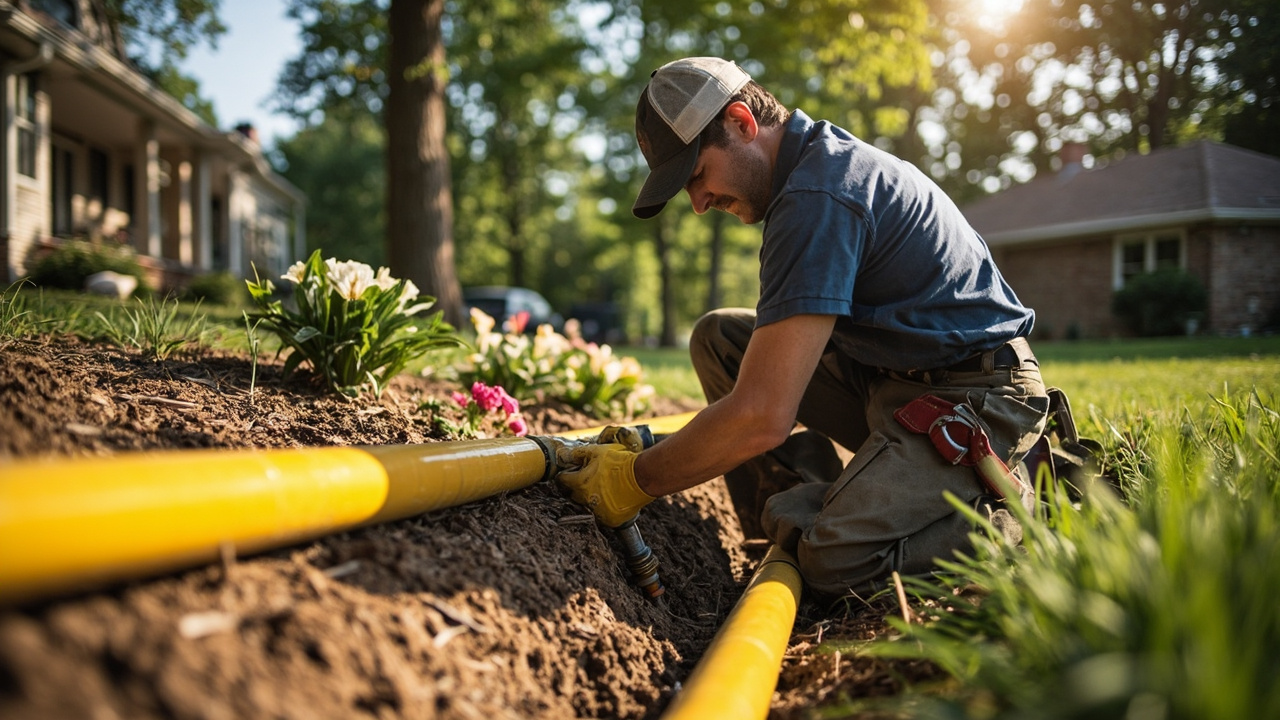
Minnetonka homeowners are leading the trend in luxury outdoor living this year. As the 2026 summer season approaches, residents from the Oak Knoll neighborhood to the shores of Lake Minnetonka are expanding their cooking spaces.…
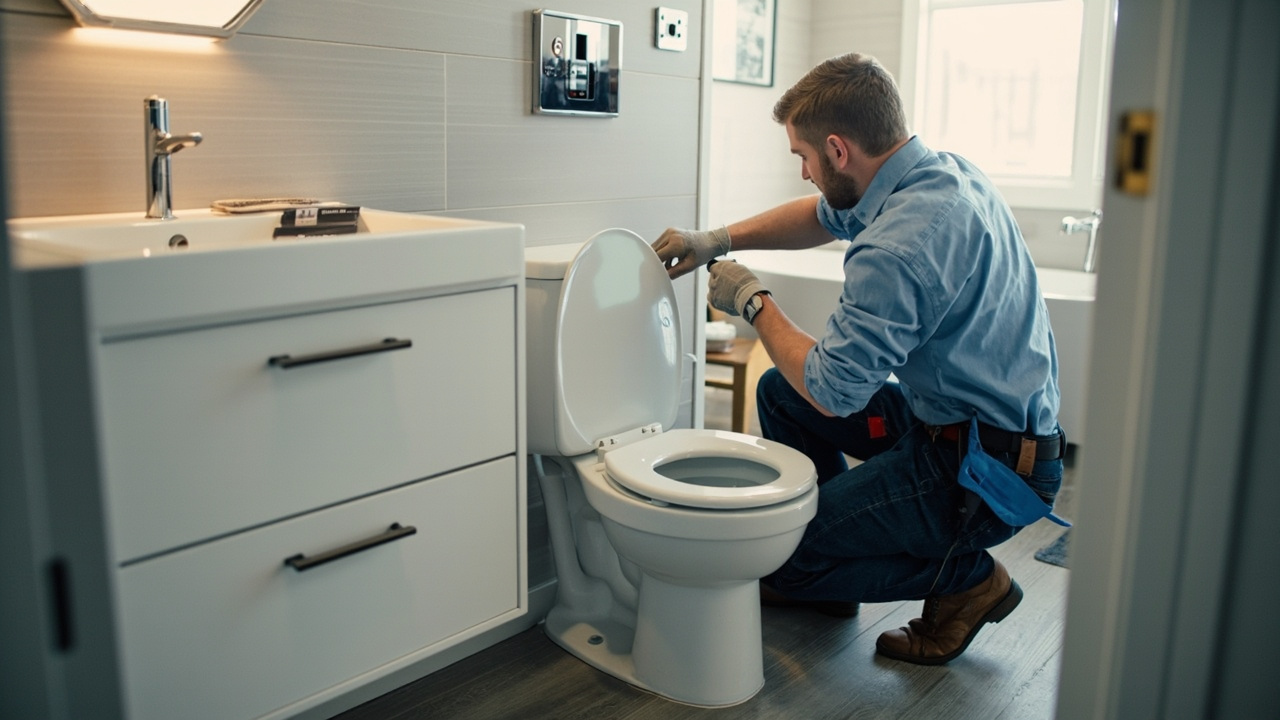
When your toilet starts acting up, it disrupts your whole household. Residents in Richfield often…
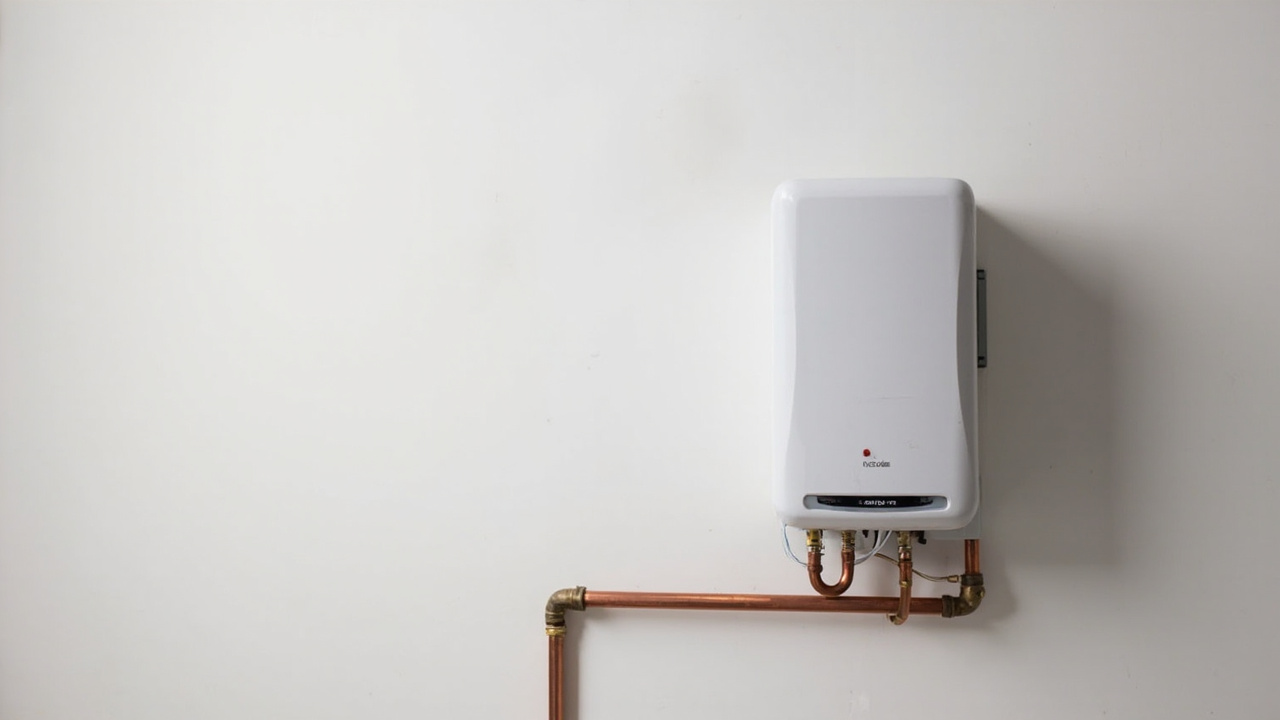
Why Your Northeast Minneapolis Home Needs a Tankless Water HeaterNortheast Minneapolis homeowners face unique challenges…
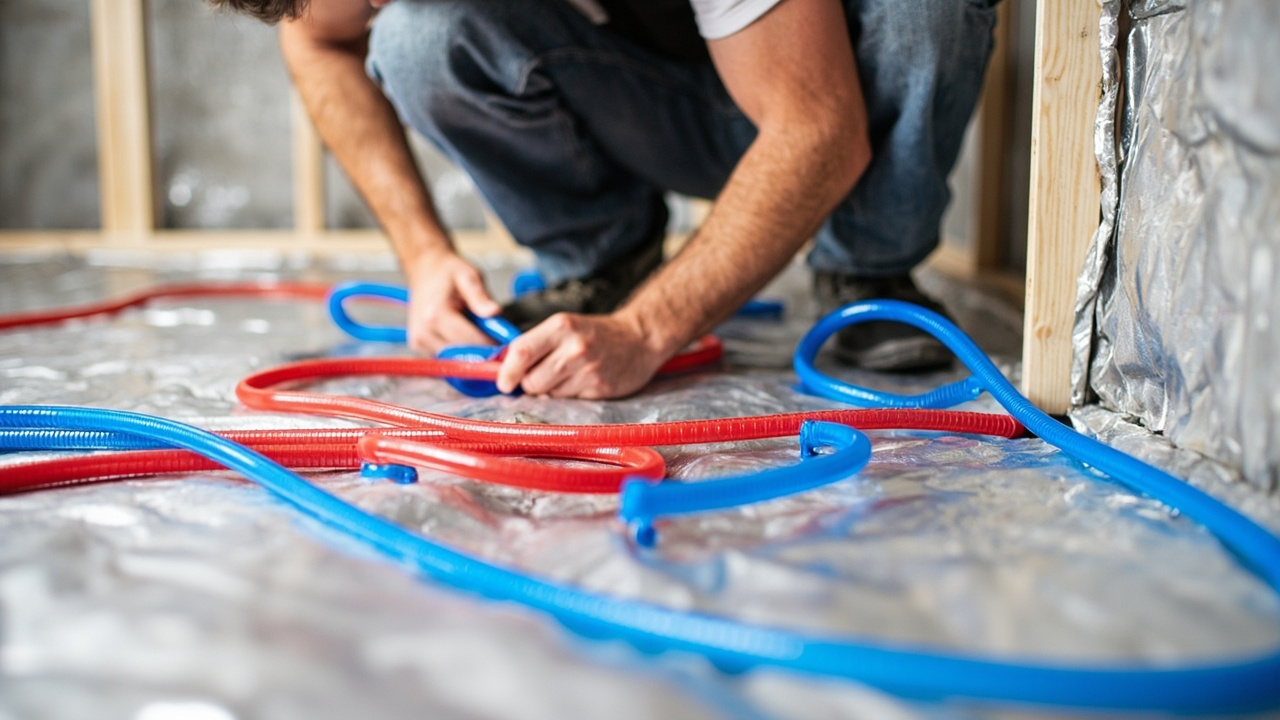
High Performance Heating for Mendota Heights RenovationsMendota Heights homeowners face some of the most demanding…
Don't let plumbing problems damage your home or disrupt your family. Call (651) 588-9979 now for immediate dispatch or scheduled service. Our St. Cloud plumbers answer 24/7 with solutions that last.