
The Truth About Putting Coffee Grounds Down Your Marcy-Holmes Kitchen Sink
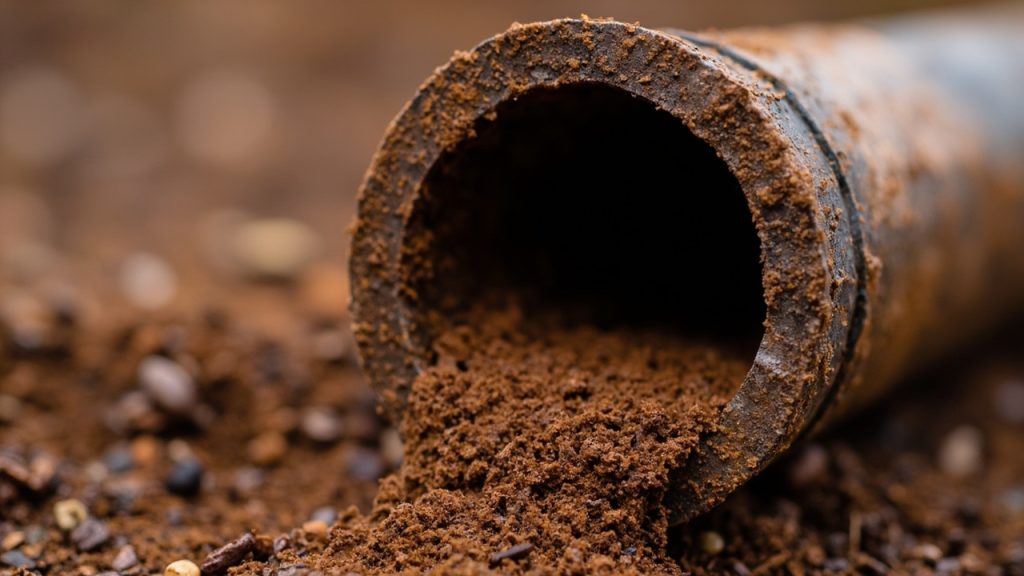
Coffee grounds seem harmless as they wash down the drain of your Marcy-Holmes kitchen sink. Many people believe the old myth that grounds help sharpen garbage disposal blades. This is false. In 2026, plumbers see more clogged kitchen sink disposal calls in the University of Minnesota area due to coffee grounds than almost any other organic material. Experience in the Twin Cities shows exactly what happens when caffeine habits meet old Minneapolis pipes. Coffee grounds do not float and they do not dissolve. They behave like heavy silt that settles in the lowest points of your plumbing system. When this silt meets grease and soap scum, it forms a sludge that is nearly impossible to move with a simple plunger.
Marcy-Holmes features a mix of historic homes and high-density student housing. Many of these buildings rely on cast-iron or older PVC drainage systems. When you dump coffee grounds down the sink, they do not simply flow away. They settle in the P-trap and the horizontal runs of your pipes. Unlike most food waste, coffee grounds do not break down in water. They turn into a heavy sand-like sludge that catches grease and hair. This mixture hardens into a thick paste that can completely block a pipe. Residents near 4th Street Southeast often face unique challenges because their plumbing must handle the high-volume output of multiple roommates and high-density living units.
The Hidden History of Plumbing Infrastructure in Marcy-Holmes
To understand why your sink clogs, you must look at the history of the Marcy-Holmes neighborhood. This area is the oldest residential neighborhood in Minneapolis. It was originally a hub for the flour milling industry centered around St. Anthony Falls. The earliest plumbing systems installed here in the late nineteenth century and early twentieth century used lead and eventually cast iron. While most lead pipes are gone in 2026, many homes still use the original cast iron main stacks and horizontal waste lines. Over many decades, these cast iron pipes develop a rough internal surface known as scaling. This scaling acts like Velcro for coffee grounds. Each tiny grain of coffee catches on the rust and debris inside the pipe.
The neighborhood transition from industrial worker housing to a high-density student and professional hub has put immense pressure on these aging systems. In the middle of the twentieth century, many of the large Victorian homes were converted into multi-unit apartments. This conversion often involved adding kitchens and bathrooms without fully upgrading the main waste stacks. In 2026, we see the results of this patchwork history. A kitchen sink in a converted Marcy-Holmes duplex might be draining into a pipe that was originally intended for a single-family home. When multiple units all dump coffee grounds into the same aging stack, the accumulation happens much faster than in modern suburban builds.
How High-Density Student Housing Impacts Shared Vertical Stacks
The area surrounding 4th Street SE has seen a massive surge in high-density luxury apartments and student housing complexes. These buildings use vertical stacks to move waste from the upper floors down to the main sewer line. In a building with six floors of kitchens stacked on top of each other, all those units share the same vertical pipe. When a resident on the fifth floor dumps coffee grounds down their sink, those grounds travel down the stack. If there is even a minor obstruction or a slight change in the pipe angle on the second floor, the grounds will settle there. This creates a backup that affects everyone on the lower floors.
High-density living also means higher concentrations of fats, oils, and grease in the pipes. Students often cook quick meals involving pasta and oils. When these oils enter the shared stack and cool down, they coat the pipe walls. The coffee grounds then stick to the grease. In 2026, we call this the sandpaper effect. The coffee grounds create a textured surface that catches even more debris, including hair and food particles. This shared responsibility makes it vital for every resident in a Marcy-Holmes apartment complex to keep grounds out of the sink. A single tenant can cause a building-wide plumbing emergency by treating the sink like a trash can. You should look into Minneapolis organics recycling programs to find a better way to handle your used grounds.
The Mechanics of a Clogged Kitchen Sink Disposal in Minneapolis
Your garbage disposal does not have sharp blades like a blender. It uses impellers to fling food waste against a stationary grind ring. Coffee grounds are far too small to be processed by these impellers. They slip right past the grinding mechanism and enter your plumbing intact. Because they are dense, they sit at the bottom of your pipes. In the winter months, the water in your pipes stays colder for longer. This causes any fats or oils in the drain to solidify quickly. When you add coffee grounds to that mix, you create a homemade version of concrete. If you live in a multi-unit building near 4th Street Southeast, your kitchen sink might be connected to a long horizontal waste line. These lines are prime locations for coffee ground sediment to accumulate. If your sink starts gurgling or draining slowly, you likely have a buildup of this sediment starting to choke your system.
The combination of cold Minneapolis groundwater and old pipe technology creates a perfect storm for clogs. In 2026, the city water supply remains quite cold even in the spring and autumn. This means any grease that enters your pipes is likely to harden within a few feet of the drain. Once that grease is hard, the coffee grounds embed themselves into it. This creates a physical barrier that normal drain cleaning tools cannot always penetrate. A standard hand auger might just poke a hole through the center of the clog without actually removing the mass of coffee grounds and grease from the pipe walls.
Comparison of Common Disposal Clog Sources
The table below shows how different materials affect your Minneapolis plumbing system in 2026.
| Material Type | Risk Level | Impact on Pipes | Recommendation |
|---|---|---|---|
| Coffee Grounds | High | Creates dense sediment sludge | Compost or Trash |
| Eggshells | Medium | Membrane wraps around impellers | Compost |
| Fibrous Veggies | High | Strings tangle the motor | Trash |
| Pasta and Rice | Medium | Swells and creates a plug | Small amounts only |
| Fats and Grease | Extreme | Coats pipes and catches debris | Never put down drain |
Step by Step Guide to Manually Disassembling and Cleaning a P-Trap
If your kitchen sink is backed up due to coffee grounds, the blockage is often located in the P-trap. This is the U-shaped pipe directly under your sink. Cleaning it yourself can save time and prevent further damage. You will need a five-gallon bucket, a pair of tongue-and-groove pliers, and a small nylon brush. Follow these steps carefully to clear the sediment manually.
- Clear the area under the sink. Remove all cleaning supplies and items to give yourself plenty of room. Place the five-gallon bucket directly under the U-shaped bend of the pipe. This bucket will catch the standing water and the sludge that falls out when you open the line.
- Remove the slip nuts. These are the large threaded rings that connect the U-shaped piece to the rest of the plumbing. Most modern Marcy-Holmes apartments use PVC pipes with plastic slip nuts that you can loosen by hand. If the pipes are older metal, you will need your pliers. Turn the nuts counter-clockwise to loosen them. Do not apply excessive force to old metal pipes as they can snap if they are corroded.
- Remove the trap. Once the nuts are loose, pull the U-shaped pipe straight down. Water will immediately pour into the bucket. This water will likely be dark and contain a large amount of coffee sediment. Take the trap piece to a different sink or use an outdoor hose to wash it out. Use the nylon brush to scrub the inside of the pipe. You must remove the slimy coating on the interior walls to prevent future clogs from forming quickly.
- Inspect the horizontal arm. This is the pipe that goes into the wall. Reach your finger or a small tool into this pipe to see if coffee grounds are backed up into the wall. If they are, you may need to use a small hand snake to pull the debris out into your bucket. Never push the debris further into the wall.
- Reassemble the unit. Slide the slip nuts and washers back onto the pipes. Ensure the beveled side of the plastic washer faces the joint. Align the P-trap and tighten the nuts by hand. If you use pliers, only give them an extra quarter turn. Over-tightening can crack the plastic or strip the threads on old metal. Run a slow stream of water to check for leaks. If the joint drips, tighten the nut slightly more until it stops.
Understanding Residential Hydro-Jetting for Heavy Sediment Removal
When a P-trap cleaning does not solve the problem, the clog is deeper in the waste line. In 2026, the most effective method for clearing coffee grounds is hydro-jetting. This process involves using a high-pressure water stream to scour the interior of the pipes. Unlike a mechanical snake that just cuts a path through a clog, hydro-jetting removes everything. This includes the grease, scale, and every single grain of coffee. For residential Marcy-Holmes pipes, we typically use pressures between 1,500 and 4,000 PSI. The specific pressure depends on the material and age of the pipes. Cast iron requires a different approach than modern PVC.
The equipment used for residential hydro-jetting includes a specialized machine with a high-pressure pump, a long flexible hose, and a variety of nozzles. These nozzles have forward-facing jets to break up the clog and rear-facing jets to propel the hose through the pipe while scouring the walls. A professional plumber will choose a nozzle based on the severity of the blockage. For coffee ground clogs, a rotary nozzle is often used. This nozzle spins the water stream at high speed, effectively pressure washing the entire circumference of the pipe. This level of cleaning returns the pipe to nearly its original diameter, which significantly reduces the chance of another backup in the near future.
Hydro-jetting is also a diagnostic tool. By clearing the pipes completely, a plumber can then use a sewer camera to inspect the structural integrity of the line. In the Marcy-Holmes neighborhood, this is crucial for identifying cracks in old clay or cast iron lines that might be allowing tree roots to enter. If you just snake the line, the debris left behind makes it difficult to see these small cracks or points of failure. In 2026, we consider hydro-jetting the gold standard for maintenance in older urban environments. If your sink remains stubborn after manual cleaning, you can book a professional drain cleaning service to handle the heavy sediment.
Immediate Safety Steps for Disposal Problems
If your disposal stops working or makes a humming sound, you must act quickly to prevent the motor from burning out. First, turn off the wall switch. Never put your hand down the drain even if the power is off. Reach under the sink and unplug the unit from the electrical outlet. If the unit is hard-wired, turn off the circuit breaker in your electrical panel. Safety is the priority when dealing with any plumbing emergency. Electrical mishaps in wet environments are a serious risk to your health and your home.
Once the power is disconnected, look at the bottom of the disposal unit under the sink. Most modern units have a small red reset button and a hole for a hex key. If the motor has overheated, the reset button will pop out. If the unit is jammed with coffee grounds or other debris, you will need a 1/4 inch hex wrench to manually rotate the motor and break the jam. Insert the wrench into the bottom of the unit and turn it back and forth until the motor spins freely. This manual rotation can often break up the sediment enough to allow the unit to start again once power is restored.
Professional Maintenance and Lifespan
Most high-quality garbage disposals in 2026 have a lifespan of about 10 to 12 years. If your unit is older than that, the internal seals may be brittle. Leaks from the bottom of the disposal indicate that the internal motor seal has failed. At this point, replacement is usually more cost-effective than repair. Many homeowners in Marcy-Holmes try to patch these leaks with putty, but that is only a temporary fix. For major appliance updates, ensuring your entire kitchen and bath system is efficient is the best way to maintain property value in this competitive Minneapolis market.
The following table outlines the expected maintenance for kitchen plumbing in the Minneapolis climate.
| Component | Inspection Frequency | Average Lifespan | Common Local Issue |
|---|---|---|---|
| Garbage Disposal | Annual | 10 to 12 Years | Jams from organic waste |
| Kitchen Faucet | Every 2 Years | 15 Years | Mineral buildup from city water |
| Under-Sink P-Trap | Annual | 20 to 30 Years | Corrosion in metal traps |
| Dishwasher Drain Line | Every 3 Years | 8 to 10 Years | Kinks and food clogs |
Winter Challenges for Marcy-Holmes Plumbing
Minneapolis winters are brutal on plumbing. In 2026, we continue to see issues where kitchen waste lines on exterior walls freeze and cause backups. If your kitchen sink is located against an outside wall, the standing water in a coffee-ground-filled pipe is much more likely to freeze. The dense sludge acts as an insulator, keeping the cold trapped and making it harder to thaw the line. If you encounter frozen lines, you should look for urgent methods to get your frozen pipes fixed fast in Minneapolis to prevent a burst pipe situation.
When a waste line freezes, the expansion of the ice can crack the pipe. You might not notice the leak until the ice thaws in the spring. By then, the water damage to your cabinets and subfloor can be extensive. Keeping your pipes clear of sediment like coffee grounds is a simple way to reduce the risk of winter plumbing disasters. A clean pipe allows the water to drain away completely, leaving less volume available to freeze and expand.
Best Practices for a Healthy Kitchen Sink
To keep your kitchen running smoothly, follow these simple rules. Always run a heavy stream of cold water before, during, and after using the disposal. Cold water keeps fats solid so they can be ground up and flushed away rather than coating the pipes. Only put small amounts of food waste into the disposal at a time. Never dump large quantities of anything down the drain at once. Using your disposal as a primary waste management tool is a recipe for disaster in Marcy-Holmes.
- Dispose of coffee grounds in a compost bin or the trash.
- Avoid putting starchy peels like potatoes down the disposal.
- Clean your disposal by grinding ice cubes and lemon peels once a month.
- Check under your sink weekly for any signs of moisture or slow leaks.
- Use a mesh sink strainer to catch debris if you do not have a disposal.
- Never use chemical drain cleaners in older cast iron pipes.
- Run the hot water for 30 seconds every night to clear minor grease.
By following these steps, you can avoid the frustration of a clogged kitchen sink disposal and the expense of emergency repairs. Marcy-Holmes is a vibrant community with beautiful homes. Protecting the plumbing in these houses ensures they remain functional for years to come. If you find yourself facing a stubborn backup or a broken disposal in 2026, reach out for professional assistance to get your kitchen back in order quickly and safely. Prompt attention to a slow drain can prevent the need for a full pipe replacement or extensive water damage repair. For expert service in the Twin Cities area, call 612-555-0199 or visit our online booking portal to schedule a technician today.