
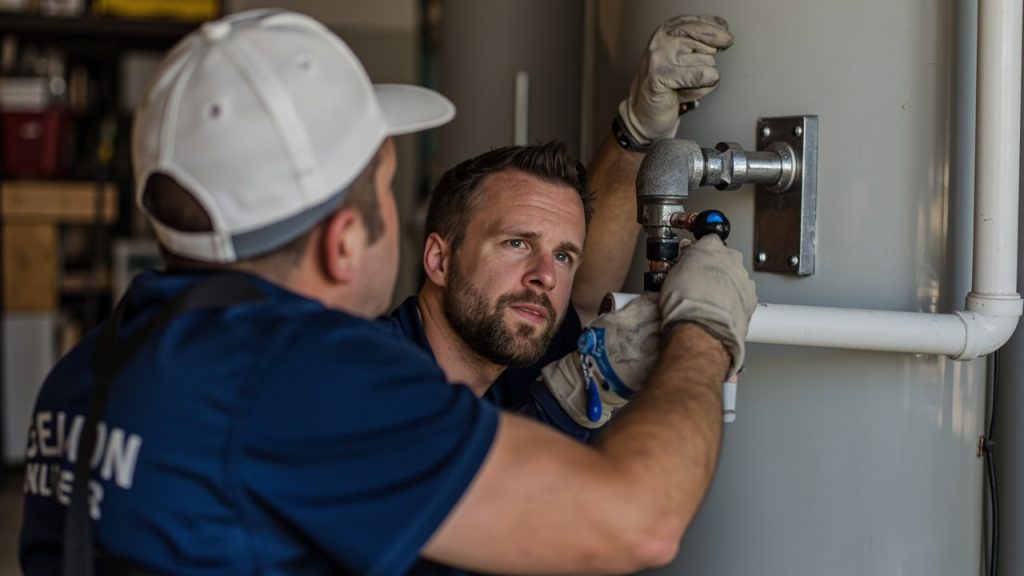
The best way to run a gas line for a heated garage in Coon Rapids
Keeping a garage warm during a Coon Rapids winter in 2026 requires a high performance natural gas system. A simple space heater cannot handle the extreme temperature drops we see near the Mississippi River. You need a dedicated gas line to power a high output furnace or radiant heater. This installation involves specific technical steps to meet the current Minnesota State Fuel Gas Code. Homeowners in neighborhoods like Woodcrest or near Northdale Boulevard must plan for soil conditions and deep freeze cycles. A professional installation ensures your workspace stays warm and your vehicles stay protected without risking safety hazards.
A heated garage adds functional square footage to your home. It provides a space for hobbies and car maintenance throughout the year. However, gas line work is not a weekend DIY project. Improper connections lead to fire risks or carbon monoxide buildup. This guide explains the standards we use in the Minneapolis metro area to install gas lines correctly. If you also deal with water issues in the winter, you might need to look into urgent methods to get your frozen pipes fixed fast in Minneapolis to protect your entire utility system.
The importance of Gopher State One Call and utility locating
The first step in any Coon Rapids gas line project involves safety. Before you dig a single inch of soil, you must contact Gopher State One Call. In 2026, this remains a mandatory legal requirement for all underground work. You can call 811 or use the online portal to request a utility locate. This service notifies all utility companies in the area to mark their buried lines. In a developed city like Coon Rapids, your yard likely contains electrical conduits, fiber optic cables, and water mains. Striking a power line near Riverdale can cause widespread outages and massive repair bills.
Utility companies usually respond within 48 hours. They use color coded flags and spray paint to mark the locations of different services. Yellow represents gas lines, red is for electric, and blue is for water. You must maintain a tolerance zone around these marks. This means you should use hand tools instead of heavy machinery when digging within two feet of a marked line. Following these locating rules protects you from liability and ensures the safety of the neighborhood. Once the flags are in place, the trenching process can begin safely.
Trenching requirements for detached garages in Coon Rapids
Detached garages require an underground gas line that runs from the main house meter to the secondary structure. The trench must be at least 18 inches deep according to current mechanical codes. In many parts of Coon Rapids, we dig to 24 inches to get well below the frost line. This prevents the soil from shifting and putting pressure on the pipe during the spring thaw. The soil near the river often contains more clay, which holds moisture and expands significantly when it freezes.
We use high density polyethylene pipe for the underground portion of the run. This plastic material does not rust or corrode like old metal pipes. We also lay a yellow tracer wire along the top of the pipe. Plastic pipes cannot be found by metal detectors, so the tracer wire allows future technicians to locate the gas line easily. We backfill the trench with sand or fine dirt to prevent sharp rocks from nicking the pipe. This careful burial process ensures the gas line lasts for decades without leaks or damage.
Selecting the right heater brand for 2026
The size of your gas line depends on the BTU demand of the heater you choose. For 2026, several brands dominate the Minneapolis market due to their reliability in cold climates. The Modine Hot Dawg HDS series is a popular choice for residential garages. It features a low profile design that fits close to the ceiling, which saves valuable headspace. For a standard two car garage, a 45,000 BTU unit is usually sufficient. If you have a larger shop near Hanson Boulevard, you might look at the 75,000 BTU model.
Reznor is another leading brand with their UDX series. These units are known for quiet operation and high efficiency ratings. They use a spark ignition system instead of a standing pilot light, which saves gas over time. Sterling also offers high quality unit heaters that handle the heavy vibration of garage environments. When we calculate your gas line size, we look at the maximum input rating of these units to ensure the pipe can deliver enough fuel during the coldest nights of the year.
| Heater Model | BTU Output | Efficiency Rating | Recommended Garage Size |
|---|---|---|---|
| Modine Hot Dawg HDS45 | 45,000 | 82 Percent | 2 Car Garage |
| Reznor UDX75 | 75,000 | 83 Percent | 3 Car Garage or Shop |
| Sterling GG045 | 45,000 | 82 Percent | Standard 2 Car |
| Modine Hot Dawg HDS100 | 100,000 | 82 Percent | Large Commercial Shop |
Optimizing garage insulation and R-values
Running a gas line is only half the battle. You must keep the heat inside the garage to avoid wasting fuel. In 2026, we recommend specific R-values for Coon Rapids homes to maximize efficiency. R-value measures the thermal resistance of insulation. The higher the number, the better the material resists heat loss. For garage walls, you should aim for at least R-15 insulation. This usually requires high density fiberglass batts or rockwool. Rockwool is an excellent choice for garages because it is fire resistant and dampens sound from power tools.
The ceiling is where most heat escapes. We recommend blowing in cellulose or fiberglass to achieve an R-49 rating in the attic space above the garage. Do not forget the garage door. An uninsulated steel door acts like a giant radiator that pulls heat out of the room. Look for a garage door with an R-value of at least R-12. Many 2026 door models use injected polyurethane foam to provide superior thermal breaks. If your current door is thin, adding a professional insulation kit can significantly reduce the load on your new gas heater.
Smart thermostats and 2026 heating technology
Modern garage heating systems in 2026 integrate with smart home technology. We no longer rely on simple mechanical dials that are often inaccurate. A smart thermostat allows you to monitor your garage temperature from your phone. This is helpful if you are away on vacation and want to ensure your pipes do not freeze. Brands like Ecobee and Nest have released garage specific controllers that handle the dusty environment of a workshop better than standard residential models.
These thermostats can learn your schedule. You can set the heater to 45 degrees during the week and have it ramp up to 65 degrees on Saturday morning when you plan to work on a project. This prevents the heater from running at full blast when the room is empty. Many current heaters also feature variable speed blowers. These units start on a low setting to move air quietly and only ramp up to high speed when the temperature differential is large. This technology reduces the temperature swings that often occur with older on and off style heaters.
Technical pipe sizing and material standards
Determining the correct pipe diameter is a critical engineering step. We use the Longest Length Method to size gas lines. This involves measuring the distance from the gas meter to the furthest appliance in the house. We then add the BTU requirements of all appliances, including your water heater, furnace, and the new garage heater. If the pipe is too small, the gas pressure will drop. This causes the heater to burn inefficiently and can lead to soot buildup on the heat exchanger.
We use Schedule 40 black iron pipe for all indoor sections. It is the industry standard for durability. For the transition from the house to the garage, we use an anodeless riser. This is a specialized fitting that connects the underground plastic pipe to the above ground metal pipe. It features a protective coating that prevents the metal from rusting where it meets the soil. We also install a shut off valve and a sediment trap at the heater. The sediment trap is a short piece of vertical pipe that catches moisture and debris before it can clog the gas valve.
- Call 811 to locate all underground utilities before digging
- Dig the trench to a minimum depth of 18 inches
- Use polyethylene pipe for underground runs with a tracer wire
- Install a dedicated shut off valve within 6 feet of the heater
- Perform a high pressure air test to check for leaks
- Verify the gas meter has enough capacity for the new load
Pressure testing and safety inspections
Before any gas flows through the new line, we must perform a pressure test. This is a non-negotiable safety step required by Coon Rapids building inspectors. We cap the gas line and pump it full of air using a compressor. We typically test the line at 25 pounds per square inch, which is much higher than the actual gas pressure. We use a digital manometer to monitor the pressure over a set period. If the pressure stays steady, we know every joint is sealed perfectly.
After the test, a city inspector must visit the site. They check the pipe depth, the materials used, and the venting configuration. In 2026, inspectors are particularly strict about combustion air. If your garage is tightly sealed, the heater might not get enough oxygen to burn correctly. We often install a dual pipe system that pulls fresh air directly from the outside. This prevents a vacuum effect in the garage and ensures the exhaust gases are pushed safely out of the building. If you have concerns about other systems in your home, you might also consider professional water heater replacement and repair in Edina or nearby areas to ensure your entire mechanical room is up to code.
Venting and carbon monoxide safety
Exhaust management is the most important part of any gas appliance installation. Most modern garage heaters use power venting. This means a motorized fan forces the exhaust gases through a side wall or roof vent. This allows for more flexible placement of the heater compared to old gravity vents. We use Category III stainless steel or high temperature plastic venting depending on the heater model. The vent must be kept clear of snow and ice. We always install the vent at least 12 inches above the highest expected snow line in Coon Rapids.
Carbon monoxide is a silent threat in any heated space. Even with a perfect installation, we require the use of a hardwired carbon monoxide detector. You should place this detector about five feet off the ground and away from the direct blast of the heater. If your garage is attached to your home, this is a legal requirement in Minnesota. Regular maintenance includes checking the vent for bird nests or debris. If your home has older infrastructure, you may also need professional drain cleaning services for older homes in Uptown Minneapolis to keep your garage floor drains functioning during the spring melt.
| Feature | Purpose | Requirement |
|---|---|---|
| Sediment Trap | Catches debris and moisture | Mandatory at heater inlet |
| Shut Off Valve | Emergency gas isolation | Within 6 feet of unit |
| Tracer Wire | Future pipe locating | Must accompany plastic pipe |
| Anodeless Riser | Corrosion protection | At soil transition points |
| Pressure Test | Ensures no leaks | Minimum 25 PSI for 15 minutes |
Long term maintenance for garage gas systems
Once your gas line is installed and the heater is running, you must maintain the system. Every autumn, you should inspect the heater before the first freeze. Clean the dust off the blower wheels and check the burner for any signs of rust. The flame should be a steady blue color. If you see a flickering yellow flame, the burner may be dirty or oxygen deprived. You should also check the gas line for any signs of physical damage, especially if you store heavy equipment or tools near the pipes.
If you ever smell gas, which has a distinct rotten egg odor, leave the area immediately. Do not turn on any lights or use your phone inside the garage. Call your gas provider or emergency services from a safe distance. Homeowners in areas like Linden Hills often pair these checks with other utility services. We frequently provide sewer line repair and inspection services in Linden Hills to ensure the entire property is ready for winter. Keeping your utilities in top shape prevents expensive emergency calls during a polar vortex. A properly installed gas line is a safe and efficient way to enjoy your garage all year long.