How to hunt down the cause of a suspiciously high water bill in Eagan
Opening a utility statement to find an unexpected price jump causes immediate stress for any homeowner in the Twin Cities south metro. If you live in Eagan and your latest statement from the city shows a sudden increase in gallons used you are likely dealing with a hidden leak or a mechanical failure. Eagan residents typically pay for water based on a tiered system. This means the more you use the more expensive each gallon becomes. Small leaks that go unnoticed for a single month can easily push your household into the most expensive tier of billing. Hunting down the cause requires a systematic approach to check every fixture from the basement water softener to the irrigation heads in your lawn near Lebanon Hills Regional Park.
Eagan utility bills arrive quarterly. This three month gap means a small problem has plenty of time to grow into a financial disaster before you even know it exists. If your bill for the current period in 2026 looks wrong you must act quickly to stop the waste. The City of Eagan maintains a robust infrastructure but the responsibility for pipes inside the home and from the curb to the house belongs to you. Finding the culprit involves checking the obvious fixtures first and then moving toward more technical possibilities like slab leaks or irrigation failures. Local neighborhoods like Wescott and Eagleville often see these issues when older copper lines begin to fail under the pressure of the municipal supply.
Decoding the digital water meter in your Eagan basement
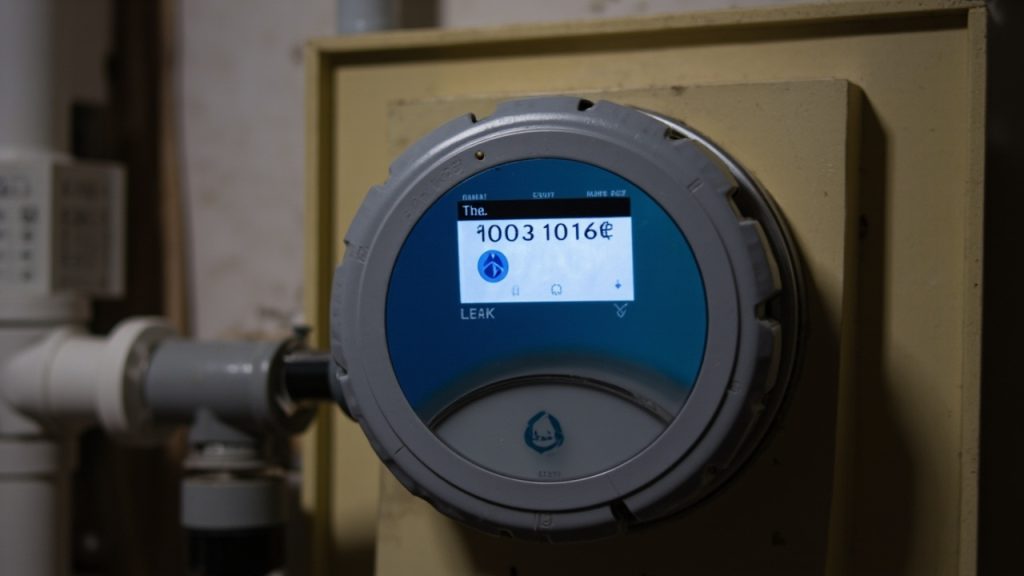
The first step in your investigation is to confirm the reading on your bill matches the reading on your physical meter. Most homes in Eagan use digital meters that transmit data directly to the city utility department through a radio signal. You can find your meter in the basement near the main shut-off valve or in a utility closet. These meters feature a small leak indicator. In 2026 these are typically digital icons that resemble a dripping faucet or a small circular dial that spins when water flows. If you ensure every faucet is off and the indicator still moves you definitely have a leak somewhere on your property.
You should also check if the city has flagged your account for continuous flow through the official city portal. Eagan uses an Advanced Metering Infrastructure which provides residents with tools to track daily usage in 2026. This system can show you exactly which day your usage spiked. If you see a jump on a Tuesday when no one was home you can narrow your search to automated systems like your irrigation or water softener. Eagan water rates are structured to encourage conservation. The current prices for residential use are based on total volume. If a leak pushes you into a higher tier your bill might triple even if your actual usage only doubled. This makes even a small drip a significant financial burden over a three month billing cycle.
| Usage Tier Level | 2026 Gallon Thresholds | Projected Rate per 1000 Gallons |
|---|---|---|
| Tier 1 Base Rate | 0 to 15,000 Gallons | 4.45 Dollars |
| Tier 2 Conservation | 15,001 to 30,000 Gallons | 6.10 Dollars |
| Tier 3 High Usage | 30,001 to 60,000 Gallons | 8.65 Dollars |
| Tier 4 Maximum Rate | Over 60,000 Gallons | 13.20 Dollars |
Identifying the silent toilet leak in your home
About ninety percent of high water bills in Dakota County stem from a single toilet flapper that fails to seal properly. These leaks are often silent. You will not hear the constant running sound associated with a major plumbing issue. A toilet flapper is the rubber piece at the bottom of the tank that lifts when you flush. Over time the minerals in Eagan city water can cause the rubber to warp or become brittle. When this happens water constantly seeps from the tank into the bowl and down the drain. This process can waste thousands of gallons over the course of the ninety day Eagan billing cycle.
To test this yourself you can place a few drops of food coloring into the toilet tank. Wait twenty minutes without flushing. If the color appears in the bowl you have a leak. Replacing a flapper is a simple fix. Ignoring it can waste hundreds of gallons per day. If your home has multiple bathrooms check every single one. Even a guest bathroom that rarely gets used can have a dried out flapper that causes a massive bill. If you find that your drains are also slow while checking these fixtures you may need professional help to ensure your system handles the flow correctly. Many Eagan homes built in the late twentieth century are seeing these rubber components fail simultaneously in 2026 as they reach the end of their functional lifespan.
Exploring the impact of Lebanon Hills soil on underground pipes
The geography of Eagan plays a larger role in your plumbing health than you might realize. Residents living near Lebanon Hills Regional Park deal with specific soil conditions that differ from the heavy clay found in other parts of the Twin Cities. The area around the park contains glacial till and high concentrations of silt. This type of soil is prone to shifting during the extreme freeze-thaw cycles we see in Minnesota. When the ground moves it puts immense pressure on the main water service line that connects your home to the city main under the street. This pressure often leads to hairline fractures that eventually become significant leaks.
Silty soil can also wash away more easily than clay if a small pinhole leak develops. This creates a void or a sinkhole underground that might not reach the surface for months. In other parts of the metro a leak might cause a wet spot on the lawn quickly. In the sandy and silty sections of Eagan the water often drains straight down into the lower soil strata. You might never see a puddle. Instead you only see the rising numbers on your quarterly bill. If you live in a neighborhood with rolling hills and mature trees your pipes are at a higher risk for root intrusion and soil displacement which leads to hidden fractures in the line. These issues require professional diagnostic tools to locate without unnecessary excavation.
| Specific Leak Source | Daily Water Loss in Gallons | 2026 Financial Impact Monthly |
|---|---|---|
| Worn Toilet Flapper | 30 to 200 Gallons | 12 to 80 Dollars |
| Dripping Faucet | 5 to 20 Gallons | 2 to 10 Dollars |
| Stuck Water Softener Valve | 100 to 500 Gallons | 40 to 200 Dollars |
| Irrigation Line Crack | 500 to 1500 Gallons | 200 to 600 Dollars |
| Main Service Line Leak | 1000 to 4000 Gallons | 400 to 1600 Dollars |
Technical methods for detecting slab leaks in 2026
The most serious cause of a high water bill is a slab leak. This occurs when the copper or PEX pipes underneath your concrete basement floor develop a leak. Because the water is under high pressure it can carve out a cavity in the soil beneath your home. In 2026 professionals use specialized acoustic leak detection equipment to find these problems without tearing up your floor. These sensors are tuned to the specific frequency of pressurized water escaping a pipe. A technician can move a ground microphone across your basement floor to pinpoint the exact location of the break with incredible precision.
Thermal imaging is another tool that has become standard for Eagan homeowners in 2026. If a hot water line under the slab is leaking a thermal camera will show a bloom of heat rising through the concrete. This allows for a surgical repair rather than a massive demolition project. You might notice a warm spot on the floor or a sudden increase in humidity in the basement if a slab leak is present. These leaks are dangerous because they can undermine the structural integrity of your foundation. If the meter is spinning and you have checked all surface fixtures a slab leak is a primary suspect that requires immediate professional intervention. Local crews in neighborhoods like Northview Park often use these non-invasive methods to save homeowners thousands in restoration costs.
Smart home leak detection and Eagan digital infrastructure
The City of Eagan has updated its digital meter infrastructure in 2026 to allow for better integration with smart home technology. Many homeowners now install devices like the Moen Flo or Phyn Plus directly onto their main water line. These devices monitor pressure and flow rates in real time. They use machine learning to distinguish between a shower running and a pipe bursting. If the system detects an abnormality it can automatically shut off the water to your entire home and send an alert to your phone. This technology is the first line of defense against catastrophic water damage and billing surprises.
These smart systems are highly compatible with the current digital meters used by Eagan utilities. By comparing your smart home data with the city meter data you can verify the accuracy of your bill. Some of these devices can even detect tiny drips as small as one drop per minute. This level of precision helps you catch a failing toilet flapper or a dripping hose bib before it impacts your quarterly statement. If you are tired of the surprise of a high bill installing a smart shut-off valve is the most effective preventative measure available in 2026. Many insurance providers in Minnesota now offer discounts for homes equipped with these verified leak detection systems.
Water softener failures and continuous drainage
Nearly every home in Eagan relies on a water softener because our local groundwater contains high levels of calcium and magnesium. A softener works by running a regeneration cycle that flushes mineral deposits out. This process usually happens late at night and uses a controlled amount of water. However if the internal timer or the piston assembly fails the softener can get stuck in a continuous rinse mode. This sends a constant stream of water directly into your floor drain. In 2026 many older softeners in the Lexington-Diffley area are beginning to experience these mechanical failures due to age.
Because the softener is usually in a utility room you might not notice the sound of running water until the bill arrives. Check the discharge hose to see if water is flowing when the unit is not in a regeneration cycle. If your softener is older the internal seals are likely reaching the end of their lifespan in 2026. A softener stuck in a cycle can waste more water than any other indoor fixture. It is essentially like leaving a garden hose running full blast into your basement drain twenty four hours a day. Local experts recommend a routine inspection of the brine tank and control valve every year to prevent these costly errors.
Irrigation system issues and winterization failures
During the warmer months in Eagan irrigation is the leading cause of massive water bills. A single broken sprinkler head can pump out five gallons per minute. If your system runs for thirty minutes three times a week that adds up to thousands of extra gallons. Eagan homes often have sandy soil that can shift during the freeze-thaw cycles. This shifting can crack underground PVC pipes leading to leaks that never reach the surface because the water drains away into the silt. You should also inspect the backflow preventer. If this device is dripping it needs immediate attention from a technician familiar with Eagan plumbing codes.
Common signs of an outdoor plumbing leak
You should watch for several indicators of exterior water loss. These signs often point to a break in the lateral lines or a faulty valve in your irrigation system.
- Low water pressure at your indoor faucets when the sprinklers are running
- A hissing sound coming from the main water line near the foundation
- Bubbling water or geysers appearing in the yard during a watering cycle
- Visible cracks in the concrete near your driveway where a line may have burst
- Increased mosquito activity in one specific area of the property due to standing water
- Patches of grass that grow significantly faster or greener than the rest of the lawn
- Soft spots in the turf that feel spongy even during dry weeks in July
Understanding the City of Eagan tiered water rate structure
The City of Eagan uses a progressive billing structure to encourage smart water usage. This means your first few thousand gallons are charged at a base rate. Once you cross into the next tier the price per thousand gallons increases. This is why a leak that seems minor can have a massive impact on your budget. If you usually stay in the first tier but a leak pushes you into the second or third tier every single gallon used for your laundry and showers becomes more expensive. This is a common trap for residents in larger homes near the Eagan Outlet Mall who use significant amounts of water for landscaping.
Keep in mind that Eagan bills quarterly. This delay means a leak can persist for ninety days before you see the evidence. If you notice your bill is higher than usual check the exact number of gallons used rather than just the dollar amount. This tells you if the increase is due to a rate hike from the city or an actual increase in consumption at your property. In 2026 the city has also implemented seasonal rates that make water more expensive during the peak summer months when demand is highest. Residents can monitor these trends through the Minnesota Conservation Partnership resources which track local utility shifts.
Frequently searched questions about Eagan water bills
How do I contact Eagan Utility Billing? You can reach the Eagan Finance Department at the main city hall number. They handle all questions regarding meter readings and payment schedules. In 2026 they also offer a web chat feature for quick inquiries about your current balance. This is the fastest way to verify if a manual meter reading is necessary for your property.
When are Eagan water bills mailed? The city is divided into three billing districts. Depending on your location you will receive a bill every three months. Most residents near the northern part of the city see their bills in January April July and October. Other neighborhoods follow a different three month rotation. This staggered system allows the city to manage the data flow from thousands of digital meters efficiently.
Can I get a credit for a water leak? Eagan occasionally offers a leak adjustment if you can prove that a major leak occurred and was professionally repaired. You must submit a written request along with copies of your repair invoices from a verified local plumber. The city typically only adjusts the sewer portion of the bill since that water did not enter the sanitary sewer system. The water itself is rarely credited because the city has already incurred the cost of treatment and delivery.
Why is my sewer bill so high? In Eagan your sewer charge is often tied to your water usage. If you have a leak that goes down the drain like a toilet or a water softener the city assumes that water is also being processed by the wastewater treatment plant. This results in both your water and sewer charges increasing simultaneously. Fixing the leak immediately is the only way to stop this double billing effect.
Protecting your Eagan home from future water waste
Maintaining a leak-free home in Eagan requires constant vigilance. The local climate and soil conditions put extra stress on residential plumbing systems. By checking your digital meter regularly and performing dye tests on your toilets you can catch small drips before they escalate. If you live in an older neighborhood like Eagleville or Wescott consider upgrading your main shut-off valve to a smart system. This investment provides peace of mind and protects your home from the structural damage caused by hidden leaks. If your quarterly bill in 2026 shows a spike do not wait for the next statement to see if it goes down. Take action today to identify the source and restore your household budget.
If you have checked the toilets the softener and the yard and still cannot find the source of the high usage it is time to bring in a professional. Expert leak detection is an investment that pays for itself by stopping the financial drain of a high bill. Monitoring your usage is a key part of homeownership in 2026. By staying proactive and understanding how the local Eagan utility system works you can protect your property from water damage and keep your expenses under control. If your meter shows water moving when everything is off the problem is real and it will not fix itself. Local professionals like Eagan Plumbing Pros or Shed Plumbing can assist with advanced acoustic searches to find hidden breaks.
To stop the waste and lower your utility costs immediately contact a local specialist for a comprehensive home water audit. Expert plumbers can pinpoint the exact source of your high bill and provide long-term solutions for your Eagan property.