




menu

Running Toilet Repair in Minneapolis – Expert Diagnosis Stops Water Waste in One Visit

Our technicians diagnose the root cause of your running toilet fast, from faulty flappers to fill valve failures, and complete repairs during the same appointment so you stop wasting water and money.

Slider Image 1
Slider Image 2
Slider Image 3
Slider Image 4
Slider Image 5
Slider Image 7
Slider Image 8
Slider Image 9
Slider Image 10
Slider Image 11

Why Your Toilet Keeps Running and What It's Costing You

You hear it. That constant trickle or phantom flush that won't stop. A running toilet isn't just annoying. It's expensive. A toilet that runs continuously can waste up to 200 gallons of water per day. In Minneapolis, where water and sewer rates have climbed steadily over the past decade, that waste shows up fast on your utility bill.

Most running toilets stem from one of three culprits. The flapper deteriorates and no longer seals the flush valve. The fill valve gets stuck or worn out, so water never stops refilling. Or the float height is misadjusted, causing ghost flushing throughout the day and night. Minneapolis's hard water accelerates mineral buildup on these components, which shortens their lifespan and causes premature failure.

The fix running toilet process starts with identifying which component failed. A flapper replacement takes minutes when you know what you're doing, but the wrong flapper size or material leads to the same problem a week later. Fill valve repair requires shutting off the supply line, draining the tank, and installing the correct replacement valve for your toilet model. Ghost flushing troubleshooting involves testing water levels, inspecting the overflow tube, and adjusting or replacing the flush valve assembly.

When you ignore a running toilet, you're not just wasting water. You're risking a stuck fill valve that floods your bathroom floor at 2 a.m. The longer you wait, the more expensive your water bill becomes. Most homeowners in the Minneapolis metro wait weeks or months before calling a plumber, assuming the problem will fix itself. It won't.

Why Your Toilet Keeps Running and What It's Costing You
How We Stop Toilet From Running the Right Way

How We Stop Toilet From Running the Right Way

We don't guess. We diagnose the toilet tank assembly systematically, starting with the flapper seal, then the fill valve, then the flush valve and overflow tube. Most plumbers slap in a universal flapper and leave. We match the flapper material and size to your specific toilet model because a poor seal causes the same issue within days.

Hard water in Minneapolis leaves calcium deposits on the flush valve seat, which prevents the flapper from sealing correctly even when new. We clean the valve seat with a fine abrasive pad before installing the replacement flapper. If the fill valve is the problem, we install a fluid master or korky replacement valve rated for high-pressure city water systems, which are common in older Minneapolis neighborhoods near the Mississippi River.

Ghost flushing happens when water slowly leaks from the tank into the bowl, triggering the fill valve to refill intermittently. This is usually a flapper issue, but it can also be an overflow tube that's set too low or a flush valve that's cracked. We test with dye tablets to confirm the leak path before making repairs, so you're not paying for the wrong fix.

Fill valve repair also involves checking the supply line for corrosion or kinks. In Minneapolis homes built before 1980, we often find original galvanized supply lines that restrict water flow and cause fill valve malfunctions. Replacing the supply line during the same visit prevents a return trip next month when the valve fails again due to inadequate water pressure.

When we finish, your toilet refills at the correct speed, shuts off completely, and doesn't make a sound until you flush it.

What Happens During Your Toilet Repair Appointment

Running Toilet Repair in Minneapolis – Expert Diagnosis Stops Water Waste in One Visit
01

Tank Inspection and Diagnosis

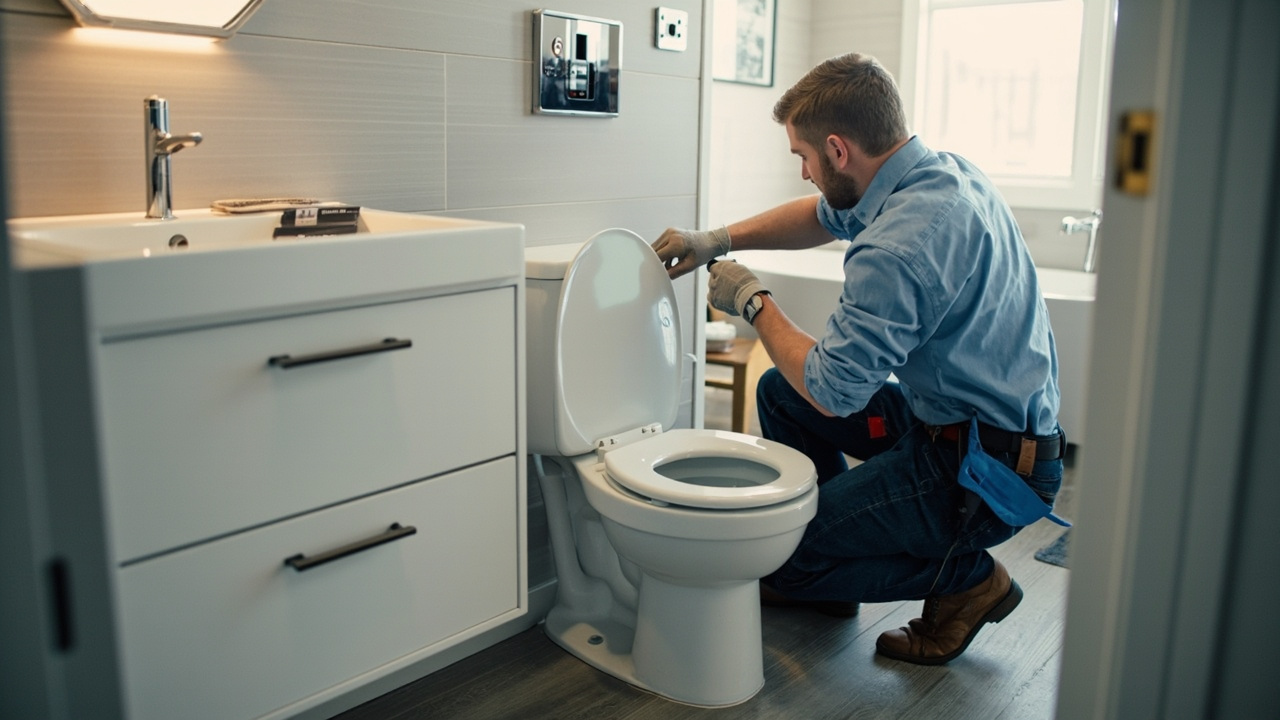
We remove the tank lid and inspect the flapper, fill valve, flush valve, and overflow tube while the toilet is running. We test the flapper seal by adding dye to the tank and watching for color in the bowl. We check the fill valve for debris or mineral buildup and adjust the float height to manufacturer specifications. This step identifies the exact failure point, so we fix it once.
02

Component Replacement or Adjustment

We shut off the water supply, drain the tank, and replace the failed component with a high-quality part designed for your toilet model. Toilet flapper replacement includes cleaning the flush valve seat to ensure a tight seal. Fill valve repair involves installing a new valve and adjusting water pressure to prevent overfilling. We replace corroded supply lines and tighten tank bolts if needed to prevent leaks during operation.
03

Testing and Final Verification

We turn the water back on, let the tank refill, and flush the toilet multiple times to verify proper operation. We listen for any running water, check for leaks around the tank bolts and supply line, and confirm the fill valve shuts off at the correct water level. Before we leave, we show you what we replaced and explain how to spot early warning signs of future problems with your toilet.

Why Minneapolis Homeowners Choose Pioneer Plumbing Minneapolis for Toilet Repairs

We've been fixing running toilets in Minneapolis homes for years. We know the common issues in older neighborhoods like Longfellow and Powderhorn, where original cast iron plumbing and hard water create unique challenges. We stock the right parts on our trucks, so we don't leave your home to pick up a flapper or fill valve from a hardware store.

Minneapolis plumbing codes require specific backflow prevention devices on water supply lines in some multi-family buildings and historic homes. We stay current on local code requirements and install compliant parts during every repair. This matters during home inspections or when you're selling your property, because non-compliant plumbing can delay or kill a sale.

Our technicians arrive in clearly marked vehicles, wear shoe covers inside your home, and clean up completely before they leave. We explain what we found, what we fixed, and what you can expect going forward. No upselling. No pressure. Just a working toilet that stops wasting water and money.

We've repaired toilets in pre-war bungalows near Lake Harriet, mid-century ramblers in St. Louis Park, and new construction townhomes in Northeast Minneapolis. Each building has different plumbing systems, water pressure levels, and toilet models. That experience means we've seen your exact problem before and know how to fix it efficiently.

You don't need a new toilet. You need someone who can stop toilet from running without returning three times or leaving you with a worse problem than you started with. That's what we do.

What to Expect When You Call Pioneer Plumbing Minneapolis

Same-Day Appointments Available

We schedule most running toilet repairs within 24 hours. If you call before noon, we can often arrive the same day, depending on our route through the Minneapolis metro. Emergency appointments are available if your toilet is leaking onto the floor or if the fill valve is stuck open and flooding the tank. We give you a two-hour arrival window and call 20 minutes before we arrive, so you're not waiting around all day.

Transparent Diagnosis Before We Start

We inspect your toilet and explain what's broken, why it failed, and what it takes to fix it. You get a flat-rate price before we begin any work. No surprises. If we find additional issues like a cracked tank, a loose wax ring, or a corroded supply line, we discuss those separately. You decide what gets fixed and what can wait. Most running toilet repairs are straightforward and completed during the initial visit without additional charges.

Quality Parts and Proper Installation

We use Fluidmaster, Korky, and other commercial-grade replacement parts designed for Minneapolis's hard water conditions. Cheap flappers and fill valves from big-box stores fail within months when exposed to high mineral content. We install parts that last years, not weeks. After repairs, your toilet refills quietly, shuts off completely, and uses the correct amount of water per flush. You'll notice the difference immediately when the constant running stops.

Follow-Up Support and Maintenance Tips

We stand behind our work. If you have issues after we leave, you call us directly and we come back to make it right. We also explain simple maintenance steps to extend the life of your toilet components, like cleaning mineral deposits from the flush valve seat every six months and replacing flappers every three to five years before they fail. Proactive maintenance prevents the 2 a.m. emergency call when your toilet won't stop running and your water bill doubles.

Frequently Asked Questions

You Have Questions,
We Have Answers

How do you fix a toilet that is constantly running? +

Start by lifting the tank lid and checking the flapper. If the rubber seal looks cracked or warped, replace it. Next, inspect the fill valve for debris or damage. Adjust the float arm so water stops about an inch below the overflow tube. In Minneapolis homes with older plumbing, mineral buildup from hard water often clogs the fill valve. Flush debris by turning off the water supply, flushing the toilet, and rinsing the valve components. If adjustments fail, replace the fill valve or flapper. Most hardware stores carry universal kits that fit standard toilets.

What should you repair in a running toilet? +

The flapper is the first component to repair. This rubber seal at the tank bottom wears out from constant water exposure and minerals. The fill valve controls water entering the tank and often needs adjustment or replacement if it runs continuously. Check the overflow tube for cracks. Inspect the flush handle and chain, too. A tangled or short chain prevents the flapper from sealing properly. Minneapolis water contains minerals that accelerate wear on these parts. Replace worn components rather than adjusting endlessly. A complete rebuild kit costs less than wasted water over a few months.

Why does my toilet keep running even with the water turned off? +

If your toilet runs with the water supply off, the issue is not the fill valve. Water trapped in the tank continues flowing through a faulty flapper into the bowl. The flapper seal has failed completely and cannot stop gravity from pulling water through. In Minneapolis, freeze-thaw cycles in unheated bathrooms or cottages can warp rubber flappers even when toilets are not in use. Turn off the water, drain the tank, and replace the flapper immediately. This is a simple fix that stops water waste. No specialized tools needed.

Do I need a plumber for a running toilet? +

Most running toilets need simple part replacements you can handle yourself. Flappers, fill valves, and flush handles are straightforward repairs with basic tools. However, call a plumber if you find cracks in the tank or bowl, leaks at the base, or persistent issues after replacing parts. Minneapolis homes built before 1980 may have outdated flush mechanisms that require professional retrofit. If you lack confidence working with water shutoffs or tank components, hire a professional. The cost of a service call is less than potential water damage from a botched repair.

What is the most common cause of water running constantly in a toilet? +

A worn flapper causes most running toilets. This rubber valve sits at the tank bottom and seals the flush valve opening. Over time, minerals in Minneapolis municipal water degrade the rubber. The flapper becomes stiff, warped, or covered in sediment. It fails to create a watertight seal. Water continuously leaks from the tank into the bowl, triggering the fill valve to run. You will see ripples in the bowl water if the flapper leaks. Replacement flappers cost a few dollars and install in minutes without tools.

Why put aluminum foil in a toilet tank? +

This is an internet myth. Some claim aluminum foil cleans mineral deposits or fixes leaks. It does nothing useful. Foil in your tank can tear, clog the flush valve, or wrap around the flapper chain. Minneapolis water treatment already manages mineral content. If you have hard water buildup, use a proper descaling product or vinegar soak. For repairs, replace worn parts with actual toilet components from a hardware store. Shortcuts and home remedies waste time. Address the real problem with the correct fix.

Is it worth trying to fix a running toilet? +

Yes. A running toilet wastes 200 gallons daily, spiking your water bill. In Minneapolis, where water and sewer rates run together, you pay twice for wasted water. Repair costs are minimal. A flapper costs under ten dollars. A fill valve runs about twenty dollars. Compare that to months of inflated utility bills. The repair takes 15 minutes for most homeowners. Even if you hire a plumber, the service call pays for itself quickly. Ignoring the problem guarantees wasted money and potential tank component damage from constant water flow.

What are signs of a worn toilet flapper? +

You will hear a hissing sound as water seeps past the seal. Ripples appear in the bowl between flushes. The flapper feels slimy, stiff, or has visible cracks and pits in the rubber. Black sediment coats the surface from mineral deposits. When you lift the flapper, it does not snap back into place smoothly. Minneapolis water can leave orange or brown staining on a deteriorating flapper. If your toilet runs intermittently and stops when you jiggle the handle, the flapper is not seating properly. Replace it immediately to stop water waste.

Can a hissing toilet cause damage? +

Yes. A hissing toilet signals a slow leak, usually through a failing flapper or valve. This constant water flow raises your bill significantly. Moisture inside the tank promotes mold growth, especially in Minneapolis bathrooms with poor ventilation during humid summers. Prolonged leaks can damage the flush valve seat, requiring more expensive repairs. Water that continuously runs through the system wears out other components faster. If the hissing comes from the fill valve, mineral buildup may eventually cause it to fail completely, potentially flooding the tank. Fix hissing toilets promptly.

What are two things you should never flush down a toilet? +

Never flush wipes, even those labeled flushable. They do not break down like toilet paper and clog pipes. Minneapolis sewer systems see backups from wipes regularly. Never flush feminine hygiene products. They expand in water and create blockages in your home's drain lines or city sewer connections. Both items cause expensive plumbing calls and potential sewage backups. Stick to human waste and toilet paper only. Keep a trash bin in your bathroom for everything else. Preventing clogs is easier and cheaper than clearing them.

How Minneapolis Hard Water Shortens Toilet Component Lifespan

Minneapolis gets its water from the Mississippi River and underground aquifers, both of which carry high levels of dissolved calcium and magnesium. This hard water leaves white mineral deposits on every surface inside your toilet tank, including the flush valve seat where the flapper seals. Over time, those deposits prevent the flapper from creating a watertight seal, which causes continuous water flow into the bowl. The fill valve also accumulates debris, which clogs the diaphragm and prevents proper shutoff. Homes in South Minneapolis near the river often see faster component degradation due to higher mineral concentrations in the local water supply.

Minneapolis homeowners understand the value of working with plumbers who know local water conditions and building codes. We've worked in every neighborhood from Kenwood to Standish, and we understand how older plumbing systems interact with modern toilet components. Local expertise means we bring the right parts, finish the job in one visit, and don't waste your time with trial-and-error repairs. When you choose a plumber who specializes in Minneapolis homes, you get faster service and longer-lasting results because we've solved your exact problem dozens of times before.
Plumbing Services in The Minneapolis Area

Discover the convenient location of Pioneer Plumbing and explore our extensive service area. We are proudly situated to serve the entire Minneapolis region and surrounding communities, ensuring our expert plumbing solutions are always within reach. Feel free to visit our office or use the map below to pinpoint our location for in-person inquiries or simply to confirm our proximity for your next plumbing need. We're always ready to connect!

Address:
Pioneer Plumbing Minneapolis, 2355 MN-36, Minneapolis, MN, 55113

Additional Services We Offer

Our news updates

Latest Articles & News from The Blogs

Why Your Northeast Minneapolis Home Needs a Tankless Water HeaterNortheast Minneapolis homeowners face unique challenges with aging infrastructure and compact…

Why Your Northeast Minneapolis Home Needs a Tankless Water Heater

Why Your Northeast Minneapolis Home Needs a Tankless Water HeaterNortheast Minneapolis homeowners face unique challenges with aging infrastructure and compact…

Choosing Radiant Floor Heating for Your Mendota Heights Remodel

High Performance Heating for Mendota Heights RenovationsMendota Heights homeowners face some of the most demanding winter conditions in the country.…

Eliminating Orange Stains From Your Laundry and Tubs in Minnetrista

How to Fix Orange Water Stains in Minnetrista Well Water Residents living near the western shores of Lake Minnetonka or…

Contact Us

Your running toilet won't fix itself. Every day you wait costs you money and risks bigger problems. Call Pioneer Plumbing Minneapolis at (651) 588-9979 right now to schedule your repair. We'll diagnose the problem, fix it right, and stop the water waste for good.