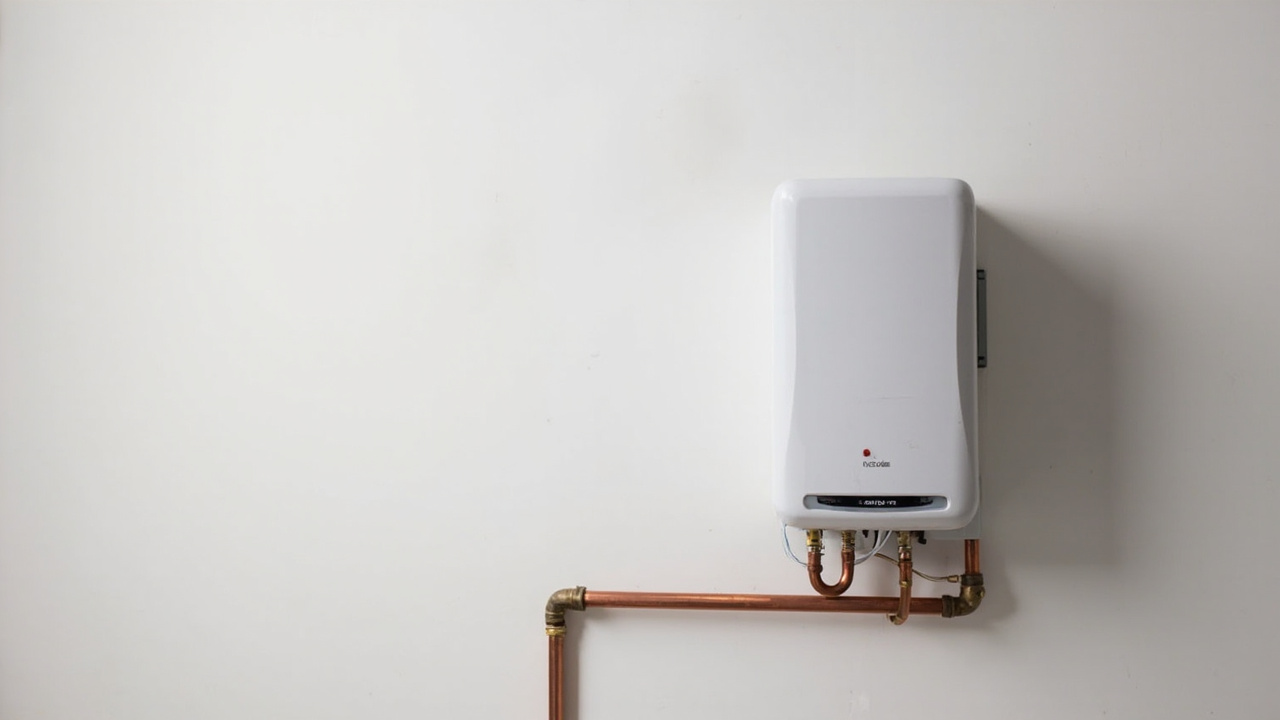







Minneapolis receives water from the Mississippi River, treated and distributed with hardness levels between 8 and 12 grains per gallon depending on your neighborhood. This mineral concentration creates scaling inside heat exchangers, reducing thermal transfer efficiency and eventually blocking water flow. Tankless systems without inlet filtration or softener loops fail within five years in Minneapolis conditions. Condensing models with stainless steel heat exchangers tolerate hard water better than copper or aluminum designs, but all units require annual descaling. Many contractors skip this conversation during installation, leaving you with a system destined for premature failure and expensive heat exchanger replacement.
Minnesota Mechanical Code enforces strict combustion air and venting requirements that many out-of-state contractors ignore. Chapter 5 mandates sealed combustion or adequate makeup air for atmospheric draft appliances. Homes in Minneapolis's historic neighborhoods often lack the clearances required for traditional Type B venting, making direct-vent tankless systems the only code-compliant option. Local building inspectors know these requirements and will red-tag installations that violate clearance rules or use improper vent materials. Working with a contractor who understands Minneapolis code saves you from failed inspections, reinstallation costs, and the liability of non-compliant fuel-burning equipment in your home.